



AIDEVI FITNESS GUIDE
Creatine vs BCAAs: Which Better Fits Strength, Muscle Growth, and Recovery?
Creatine and BCAAs are often placed side by side on supplement shelves, but they solve different problems. Creatine is usually the stronger evidence-based fit for strength, power, and repeated high-intensity training. BCAAs may be situational when a person trains with limited food intake, but they should not automatically replace a complete protein source.

At a glance:
Choose creatine when your priority is improving training output over time. Consider BCAAs only when they address a specific nutrition gap, such as difficulty eating before training. If your daily protein intake is low, a complete protein or a balanced meal is generally the more logical first step.
Content
- Which supplement better fits your goal?
- What do creatine and BCAAs actually do?
- Which is better for muscle growth?
- Which is better for recovery and soreness?
- Can you take creatine and BCAAs together?
- How should you make the decision?
- What safety and label checks matter?
- Frequently asked questions
Which supplement better fits your goal?
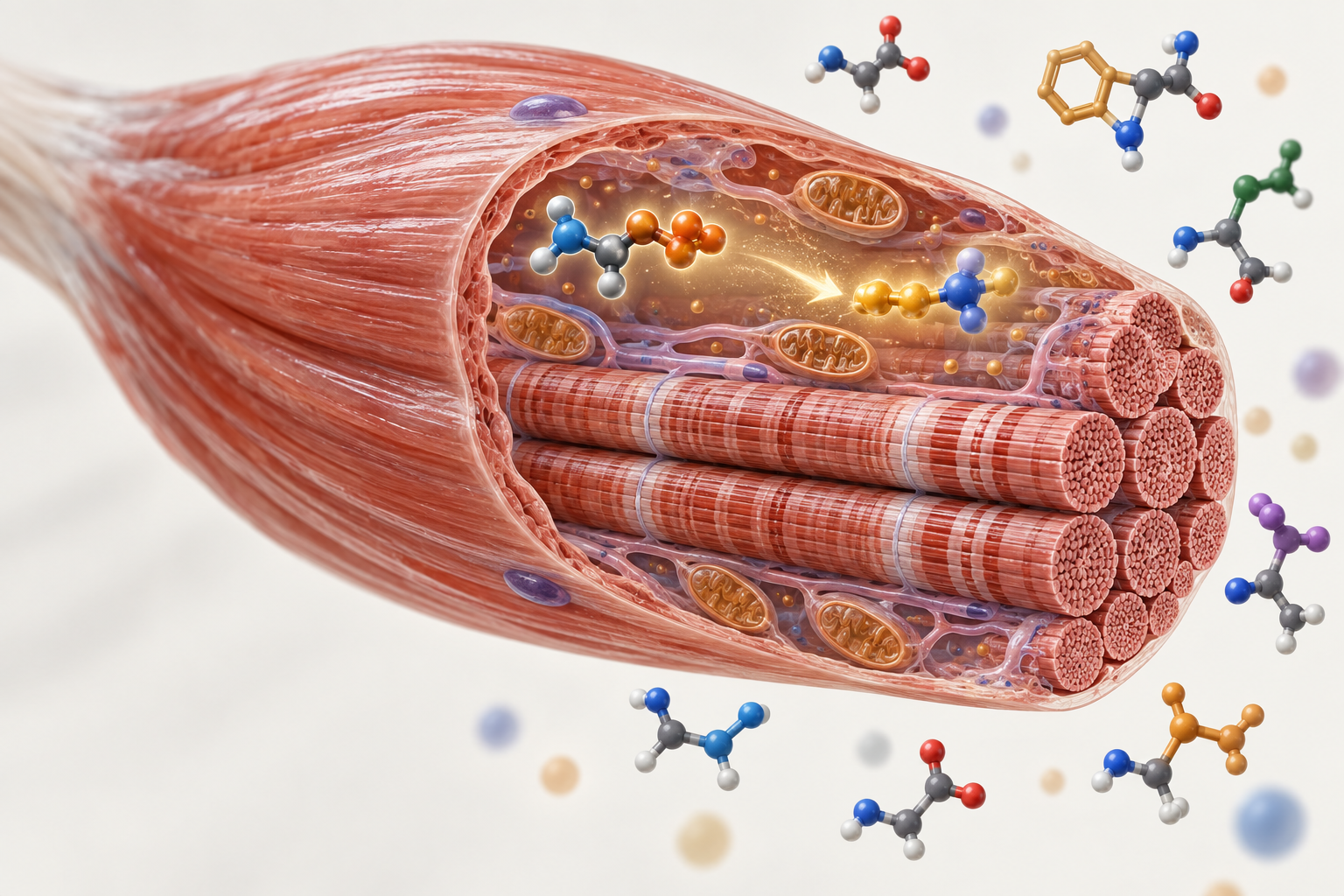
If you want a simple answer, creatine is usually the better starting point for a healthy adult who performs resistance training, sprinting, jumping, or other repeated high-intensity work. Its main value is not a stimulant-like feeling. Creatine helps support the phosphocreatine system, which can help the body regenerate ATP during short, demanding efforts. Better training quality, repeated consistently, can contribute to stronger long-term progress.
BCAAs are different. They provide leucine, isoleucine, and valine, three essential amino acids. Leucine is involved in signaling muscle protein synthesis, but BCAAs alone do not provide all of the essential amino acids needed to build new muscle proteins. That is why a complete protein source often has a stronger practical role when the goal is muscle growth. Research and expert reviews have questioned the idea that isolated BCAAs are equivalent to a complete protein serving [3].
This does not make BCAAs useless for every person. They can be convenient for someone who dislikes heavy food before a workout, trains between meals, or is trying to add flavor and fluid during a long session. The important distinction is to treat them as a situational tool, not as a universal substitute for food, protein, sleep, or a well-designed training plan.
What do creatine and BCAAs actually do?
The two supplements are often compared because both appear in sports nutrition formulas, but their biological roles are not interchangeable. Creatine is primarily associated with rapid energy availability in muscle. BCAAs are building blocks of protein and may influence muscle protein turnover, especially when they are consumed as part of a broader diet.
| Question | Creatine | BCAAs |
|---|---|---|
| Primary role | Supports phosphocreatine and ATP regeneration during short, intense efforts. | Supplies three essential amino acids involved in protein metabolism. |
| Best-supported use | Strength, power, repeated high-intensity work, and training support. | A convenient option when complete food or protein is difficult to consume. |
| What it cannot replace | A progressive program, adequate calories, protein, hydration, or recovery. | A complete protein source when total essential amino acids are the limiting factor. |
The National Institutes of Health describes creatine as one of the most extensively studied sports supplements and explains its connection to energy production during short-duration, high-intensity activity [2]. That does not mean it is appropriate for everyone, but it does explain why the creatine evidence base is generally clearer than the evidence for isolated BCAAs.
Which is better for muscle growth?
Neither supplement builds muscle by itself. Muscle growth depends on a repeated training stimulus plus enough energy, protein, and recovery. A supplement can support that process, but it cannot compensate for a program that never progresses or a diet that consistently falls short.
Creatine may support muscle growth indirectly by helping you perform more quality work over repeated sessions. More useful repetitions, more consistent loads, or better ability to maintain output can create a stronger training signal. Some people also notice an early increase in scale weight as muscle creatine and water stores change. That is not the same as gaining body fat, but it should be understood before tracking progress.
BCAAs contain leucine, which can participate in the signal that initiates muscle protein synthesis. However, signaling is not the same as supplying every raw material required to complete the process. If your diet already includes adequate complete protein from foods such as eggs, dairy, fish, meat, soy, or a well-formulated protein powder, adding isolated BCAAs may provide limited additional value. A meta-analysis found that protein supplementation can augment resistance-training gains when it helps people meet their overall protein needs [4].
A practical order of operations is therefore: establish a progressive training plan, estimate total daily protein, improve meal consistency, and then decide whether creatine or BCAAs solve a remaining problem. For readers exploring how to organize body-composition goals, AIDEVI's guide on whether to gain muscle or lose fat first can provide broader planning context.

Which is better for recovery and soreness?
Recovery is broader than whether a drink makes your muscles feel less sore. It includes restoring energy, repairing tissue, sleeping well, managing training volume, and returning to your next session ready to perform. Creatine may support the ability to repeat hard training, while BCAAs may be useful as a light intra-workout option when a full meal is inconvenient. Neither should be presented as a treatment for injury, chronic fatigue, or a medical condition.
If soreness is the concern, first check the basics: Is the training volume appropriate? Are you eating enough carbohydrate and protein? Are you drinking enough fluids? Are you sleeping consistently? If stomach discomfort is a concern when using creatine, AIDEVI's article on creatine and stomach upset discusses practical factors such as serving size, product format, and individual tolerance.
Timing is also frequently overemphasized. Daily consistency is generally more important for creatine than taking it at a precise minute. BCAAs may feel more relevant around a workout because they are marketed as an exercise drink, but their value still depends on what the rest of your day looks like. A flavored drink cannot replace a complete post-workout meal if total nutrition is inadequate.
Can you take creatine and BCAAs together?
Many healthy adults can use creatine and BCAAs in the same routine when they follow the product label and have no medical reason to avoid them. There is no obvious reason that the two ingredients must be separated, because they serve different roles. Still, combining them does not automatically create a larger training effect. The combination is only useful if each ingredient addresses a real need.
Check for overlap before stacking products. A creatine gummy or powder may already include BCAAs, electrolytes, caffeine, sweeteners, or other ingredients. A separate BCAA product can then make the total formula more complicated without adding a clear benefit. AIDEVI's article on combining creatine gummies with protein powder offers a useful example of how to think about a broader training routine.
How should you use creatine, BCAAs, and protein?
- Start with the goal. Strength and repeated high-intensity performance point more naturally toward creatine. A light flavored drink between meals may be the only reason to consider BCAAs.
- Audit your daily protein. If meals are consistently low in protein, improve the meal pattern or consider a complete protein before buying isolated amino acids.
- Use the label, not a social-media protocol. Serving sizes vary by product. Do not copy a loading phase, double serving, or combination stack without understanding the total ingredients.
- Track useful outcomes. Log training performance, body weight trends, recovery, gastrointestinal comfort, and adherence rather than judging a supplement by one workout. AIDEVI's creatine results timeline guide explains why consistency and context matter during the first month.
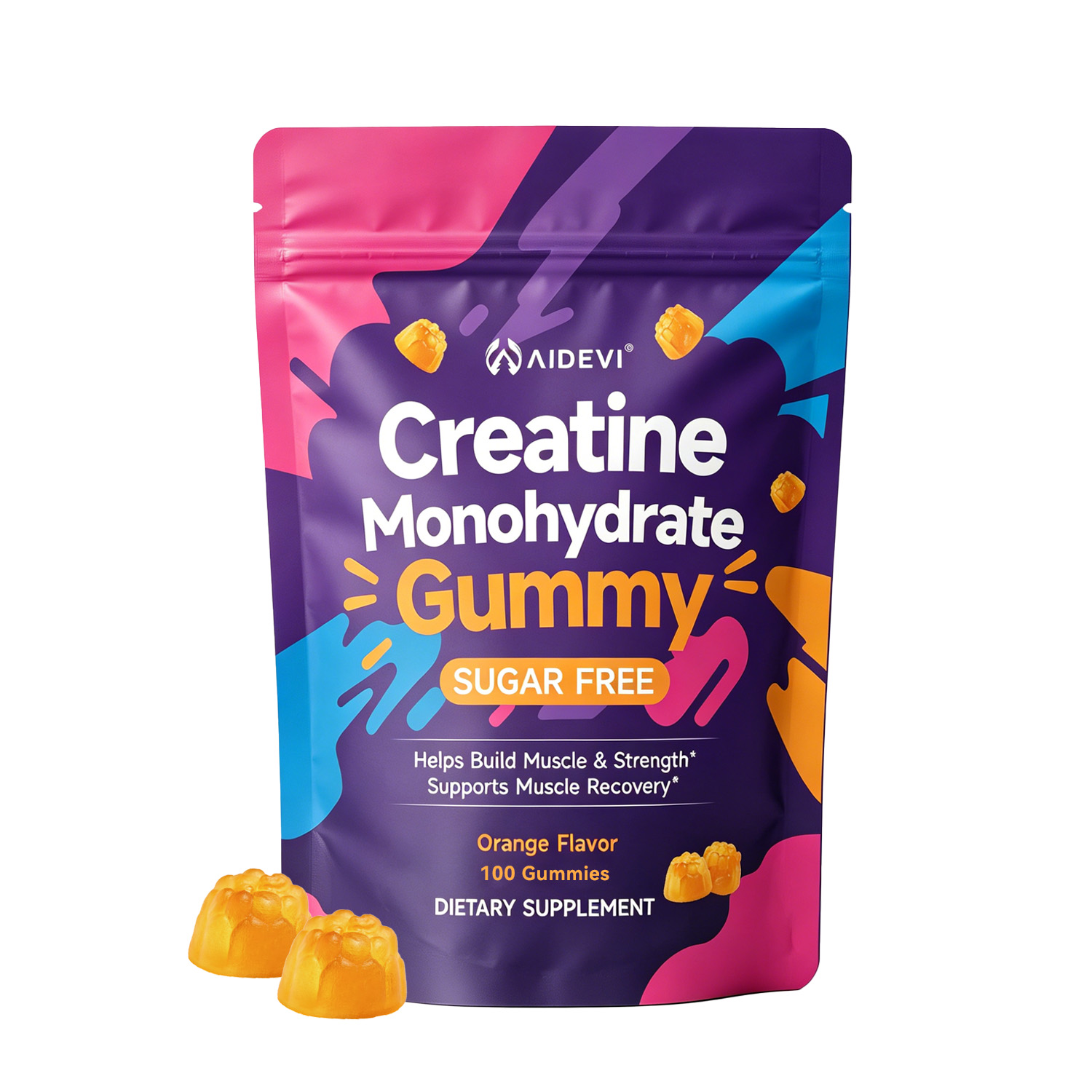
For a simple product example, the current AIDEVI Creatine Monohydrate Gummies page lists a four-gummy serving with 4,000 mg of creatine monohydrate and 1,000 mg of BCAAs. That is a product-specific label detail, not a universal dose recommendation. Always check the current package directions, serving size, ingredient list, and suitability for your circumstances.
How should you make the decision?
The most useful comparison is not “Which supplement is more powerful?” It is “Which gap is stopping me from training and recovering well?” Use the table below as a starting framework, then adjust it to your diet, training age, health history, and budget.
| Your situation | Usually the better fit | What to check first |
|---|---|---|
| You want more strength or repeated sprint output. | Creatine | Training progression, label directions, hydration, and tolerance. |
| You struggle to eat before a workout and want a light drink. | BCAAs may be situational | Whether a complete protein or small meal would solve the same problem better. |
| Your daily protein intake is low. | Complete protein or food first | Total protein, meal distribution, calories, and digestion. |
| You already eat enough complete protein and train consistently. | Creatine is generally the clearer add-on | Whether the product is third-party tested and free of unnecessary overlap. |
What safety and label checks matter?
Creatine is well studied in healthy adults, but “well studied” does not mean every product or every user has the same risk profile. People with kidney disease, significant medical conditions, pregnancy, or a history of supplement-related problems should speak with a qualified healthcare professional before starting. Ask about possible interactions if you take prescription medicines or manage a chronic condition.
For both creatine and BCAAs, look for a transparent Supplement Facts panel, clear serving information, batch or quality details where available, and realistic language. Avoid products that promise instant muscle, guaranteed fat loss, medical treatment, or dramatic results without training. If a formula contains caffeine or other stimulants, count those ingredients separately rather than assuming it is simply an amino-acid product.
Digestive comfort also matters. Large servings, sugar alcohols, flavor systems, and multiple powders can cause gastrointestinal symptoms in some people. Introduce one change at a time so you can identify the cause. If symptoms are persistent, severe, or accompanied by other health changes, stop self-experimenting and seek medical advice.
For a product-specific reference, AIDEVI's creatine gummies product page can be reviewed alongside the physical package label. The page should support evaluation, not replace your own check of serving size, ingredients, allergen information, and suitability.
Conclusion
Creatine and BCAAs are not interchangeable versions of the same supplement. Creatine has the clearer role for strength, power, and repeated high-intensity training, while BCAAs are more situational and should not be treated as a complete protein replacement. For muscle growth, the priority remains progressive resistance training, adequate total protein, sufficient energy, sleep, and a routine you can follow for months.
If you choose a supplement, make the decision from your actual nutrition gap rather than from a bold promise on the front of a tub. Read the label, check overlap, track your training, and reassess after a consistent trial. This approach produces a more useful answer than asking which product is universally best.
FDA disclaimer: These statements have not been evaluated by the Food and Drug Administration. This content is for educational purposes only and is not intended to diagnose, treat, cure, or prevent any disease. Individual responses vary. Consult a qualified healthcare professional before using dietary supplements, especially if you are pregnant, nursing, under 18, taking medication, or managing a medical condition.
Frequently asked questions
Is creatine better than BCAAs for building muscle?
Creatine is usually the more evidence-supported choice when it helps you perform and repeat quality resistance training. BCAAs can supply three amino acids, but they do not provide the full essential amino-acid profile of a complete protein. Neither supplement replaces adequate total protein or a progressive program.
Do BCAAs give you energy like creatine?
Not in the same way. Creatine supports a rapid energy system used during short, intense efforts. BCAAs are amino acids and are not a stimulant. A flavored BCAA drink may make a workout feel more enjoyable, but that is different from directly improving ATP regeneration.
Can you take creatine and BCAAs on the same day?
Many healthy adults can, provided the products are suitable and the label directions are followed. Check whether your creatine product already contains BCAAs or other active ingredients. Combining products is optional, not a requirement for results.
Should I take BCAAs instead of protein powder?
Usually not if your goal is to improve total protein intake. Protein powder made from a complete source can supply all essential amino acids, while BCAAs supply only three. BCAAs may be convenient when a full serving is difficult, but convenience should be weighed against the nutrition you are actually missing.
Do creatine and BCAAs need to be taken before a workout?
There is no need to build your entire routine around a narrow timing window. Consistent daily use and adherence matter more for creatine than a precise pre-workout minute. BCAAs can be used around training if they solve a practical meal or hydration problem, but they are not mandatory.
Can creatine make you gain fat?
Creatine can be associated with an early increase in body weight as muscle creatine and water stores change. That is not automatically an increase in body fat. Track waist measurement, training performance, body composition trends, and food intake rather than interpreting one scale reading in isolation.
References
- Kreider RB, et al. International Society of Sports Nutrition position stand: safety and efficacy of creatine supplementation in exercise, sport, and medicine. PubMed.
- National Institutes of Health, Office of Dietary Supplements. Exercise and Athletic Performance fact sheet for health professionals. NIH ODS.
- Wolfe RR. Branched-chain amino acids and muscle protein synthesis in humans: myth or reality? PubMed.
- Morton RW, et al. A systematic review, meta-analysis and meta-regression of the effect of protein supplementation on resistance training-induced gains. PubMed.
- Holeček M. Branched-chain amino acids in health and disease: metabolism, alterations, and therapeutic aspects. PubMed.
