




AIDEVI Fitness Guide
Why Do I Feel Nothing After Taking Creatine? Key Reasons Explained
Creatine may appear not to work when the dose is unclear, servings are missed, the trial is too short, training is not progressing, or the expected result is unrealistic. Before labeling yourself a “non-responder,” audit the product, routine, training, nutrition, recovery, and measurements you use to judge results.

- Not feeling an immediate effect does not prove creatine is ineffective.
- Check the actual grams per daily serving and whether you take it consistently.
- Judge progress through repeated-set performance and training trends, not only appearance.
- Product potency, diet, sleep, hydration, and program quality can all affect the result you notice.
Content
What does “creatine is not working” actually mean?
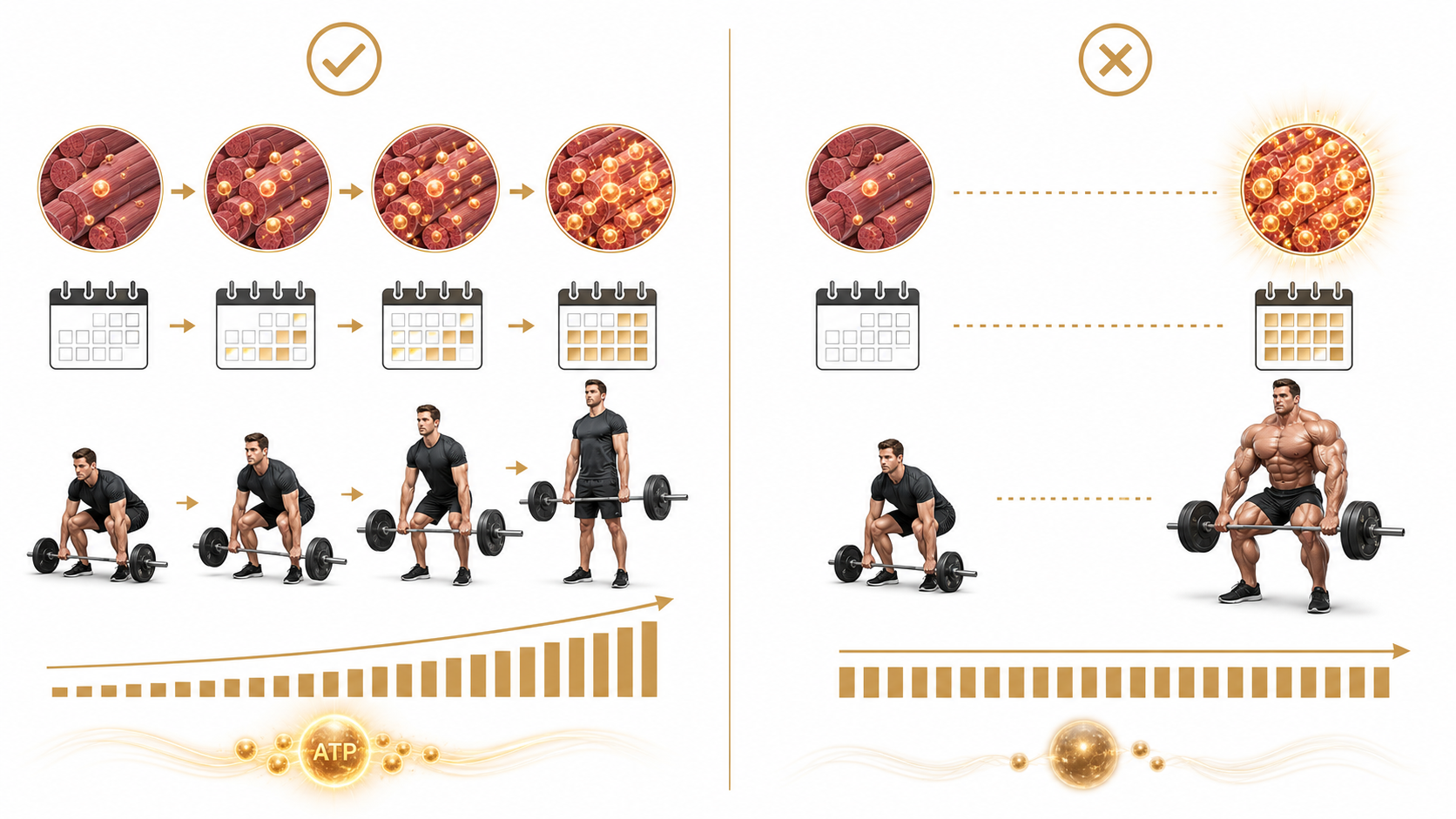
Many users expect creatine to feel like a stimulant. They take one serving before a workout, do not notice a surge of energy, and conclude that nothing happened. Creatine does not usually create the immediate sensation associated with caffeine or a highly stimulating pre-workout. Its established role is connected with increasing muscle creatine stores and supporting rapid energy availability during repeated high-intensity efforts [1].
A useful definition of “working” is therefore more specific: over time, can you maintain slightly better output across demanding sets, support progressive resistance training, or improve the quality of repeated high-intensity work? Creatine can contribute to training adaptations, but the size of the result varies and does not replace the training stimulus. A dramatic visual transformation within days is not a reasonable test.
Early scale-weight changes are also easy to misread. Creatine supplementation can increase water held within muscle, but not everyone notices a large change. A small or absent scale increase does not automatically mean the supplement failed, just as a larger increase does not prove new muscle tissue appeared overnight. If body composition is your goal, AIDEVI's guide to deciding whether to gain muscle or lose fat first helps clarify the broader strategy.
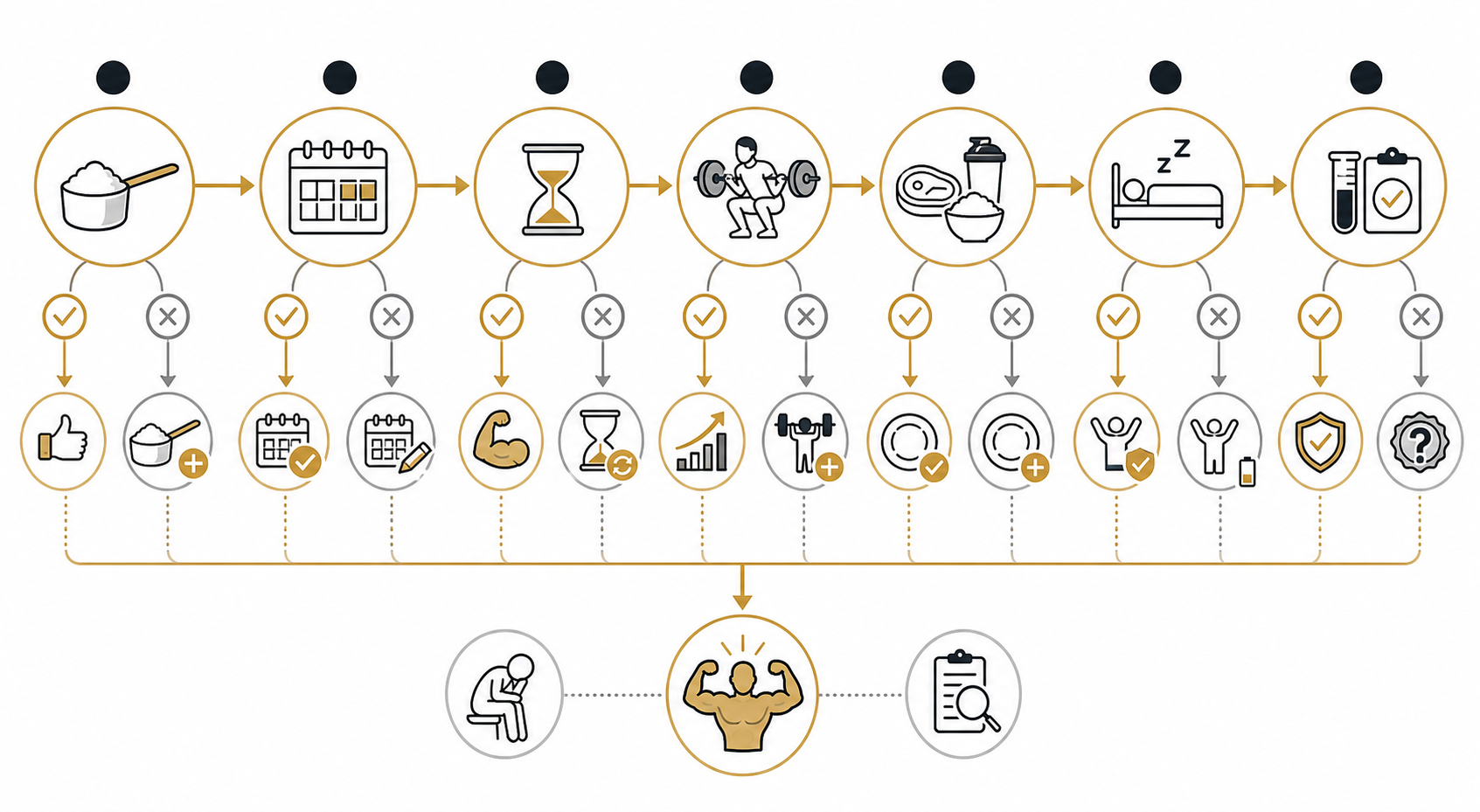
Are you taking a clear and consistent dose?
Start with the label. Confirm the form of creatine, grams in the complete serving, number of scoops, capsules, or gummies required, and servings per package. Consumers sometimes read the total blend weight, bottle count, or amount per single gummy as the daily creatine amount. These are not necessarily the same thing.
Sports-nutrition literature commonly discusses a maintenance intake of approximately 3–5 grams per day after muscle stores are saturated. A loading approach can increase stores faster, but loading is not required; a consistent daily amount can work more gradually [1]. Do not automatically change a product's labeled serving. Instead, understand how its stated amount relates to the routine you intended and consult a qualified professional when needed.
Consistency is often the hidden problem. Taking creatine only on workout days, forgetting several servings each week, or switching between products makes a trial harder to evaluate. Creatine works by building tissue stores rather than by rewarding one perfectly timed serving. Attach the routine to a stable daily cue and record it honestly.
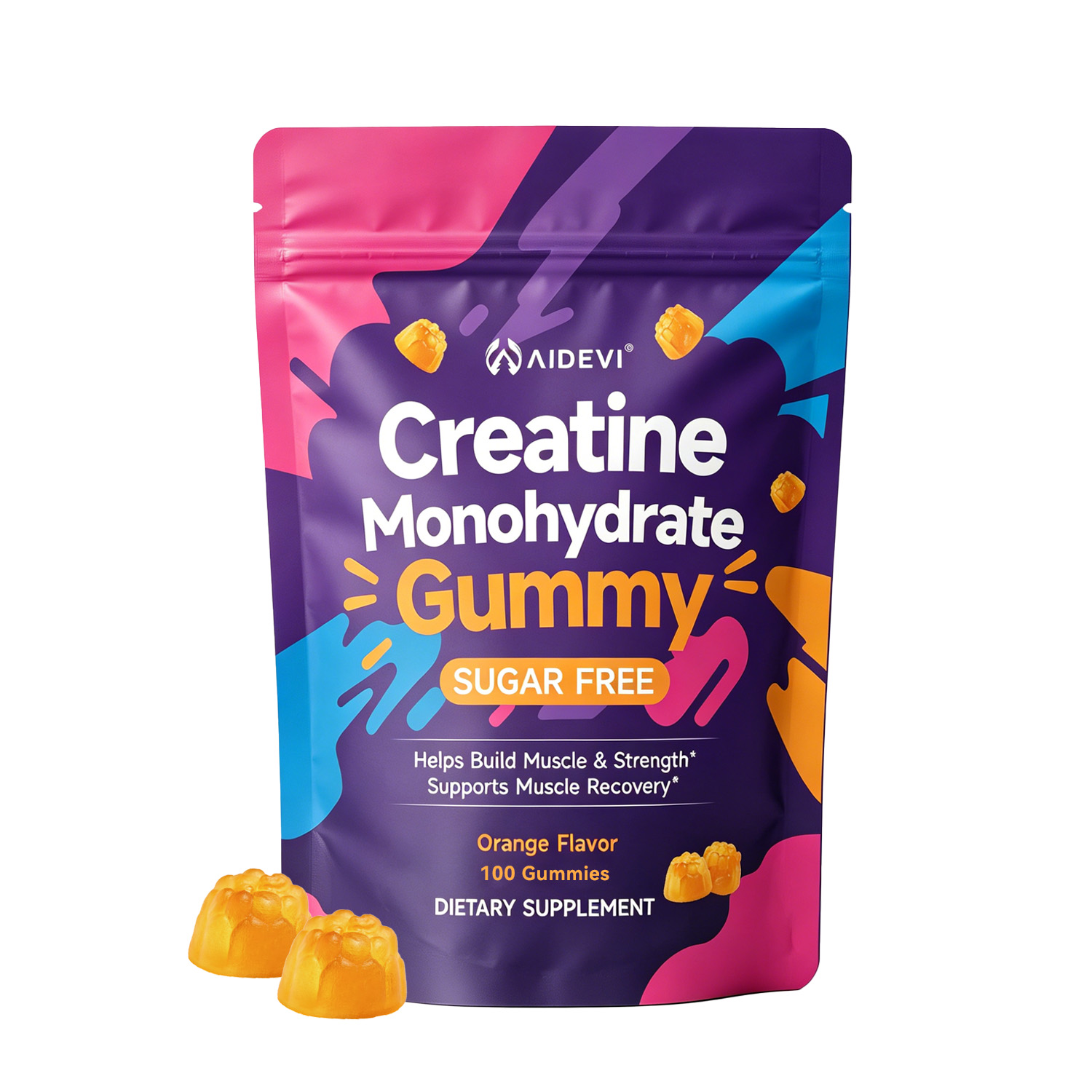
Format can help or hurt adherence. Powder generally makes gram-level dosing economical, but mixing can become a barrier. Gummies are portable and easy to remember, but buyers need to check the total amount in the full serving. When comparing formats, use the same process described in AIDEVI's educational article on understanding supplement benefits and evidence: define the ingredient, amount, intended outcome, and quality signals before judging the marketing story.
| Routine Check | Question to Ask | Useful Action |
|---|---|---|
| Label dose | How many grams are in the complete daily serving? | Read Supplement Facts and directions carefully |
| Adherence | How many servings did I actually take this week? | Use a daily checklist rather than memory |
| Duration | Have I allowed enough consistent time to assess trends? | Review several weeks, not one workout |
| Potency | Is the finished product's stated amount credible and verified? | Check transparent testing and storage information |
Could the product be the problem?
A low-quality or poorly stored product can undermine a good routine. Look for a clearly stated creatine form, grams per serving, lot-specific or accessible potency information, storage instructions, and responsible claims. Creatine monohydrate remains the reference form with the strongest evidence and value profile. Claims that a novel form is automatically superior need direct evidence rather than confident packaging [2].
Store the product as directed. Moisture, heat, poor sealing, and inappropriate storage can affect supplement quality. If the powder smells unusual, has been contaminated, or the gummy texture and appearance have changed beyond what the label describes, do not use guesswork to decide it is fine. Contact the manufacturer or replace the product.
Does your training give creatine something to support?
Creatine cannot rescue a program that does not create progressive demand. If the exercises, loads, repetitions, effort, and weekly volume remain random, it becomes difficult to detect whether training capacity is improving. A useful program records performance and gradually increases an appropriate variable while allowing recovery.
Creatine is particularly relevant to repeated high-intensity efforts. A person who performs challenging resistance-training sets, sprints, jumps, or repeated bursts has clearer opportunities to use that support than someone expecting creatine to create passive muscle gain. AIDEVI's article on performance and recovery for active adults reinforces the broader point that supplements need to sit inside a structured training and recovery plan.
Audit whether your working sets are sufficiently challenging and repeatable. If you change the exercise every session, train inconsistently, or stop sets far before meaningful effort without a program reason, there may be no stable performance trend to assess. Conversely, doing more work every day without recovery can also hide progress through accumulated fatigue.
Track training quality, not only your personal record
A new one-repetition maximum is not the only useful outcome. Look for better repetition quality, maintaining output across later sets, adding a repetition at the same load, completing planned volume with better control, or recovering well enough to progress the following week. Small improvements repeated over months are more realistic than a dramatic single-session change.
If your training goal involves muscle gain, remember that the supplement supports the process rather than creating the process. The older AIDEVI discussion of food and muscle-building routines can serve as a reminder that daily nutrition and consistent training remain central even when supplements are part of the plan.
Are food and recovery limiting the result?
A supplement cannot fully compensate for inadequate energy intake, insufficient protein, chronically poor sleep, or a training schedule that exceeds your recovery capacity. If you are trying to gain muscle while unintentionally eating too little, the absence of visible growth is not evidence that creatine failed. If you are dieting, strength maintenance may be a more useful result than rapid scale gain.
Protein provides amino acids used in muscle repair and growth, while creatine supports a different part of the training equation. They are not substitutes. Build meals that support your goal and consider total daily protein rather than relying on a single shake or BCAA product to repair an inconsistent diet. Hydration should also fit your body, training, environment, and medical context; creatine does not require extreme water intake.
Sleep affects performance, appetite, recovery, and the ability to train consistently. When workouts repeatedly feel flat, review bedtime, sleep duration, stress, and training load before assuming that a scoop or gummy is the missing solution. AIDEVI's discussion of sleep quality and broader wellness offers additional routine context.
How should you track a 30-day creatine trial?
A simple tracking period can reveal whether the problem is the supplement, the routine, or the expectation. Thirty days is not a promise that every meaningful result must appear by then. It is a practical window for auditing consistency and establishing better baseline information. Avoid changing your creatine format, workout program, diet, sleep schedule, and several other supplements simultaneously, because too many changes make interpretation difficult.
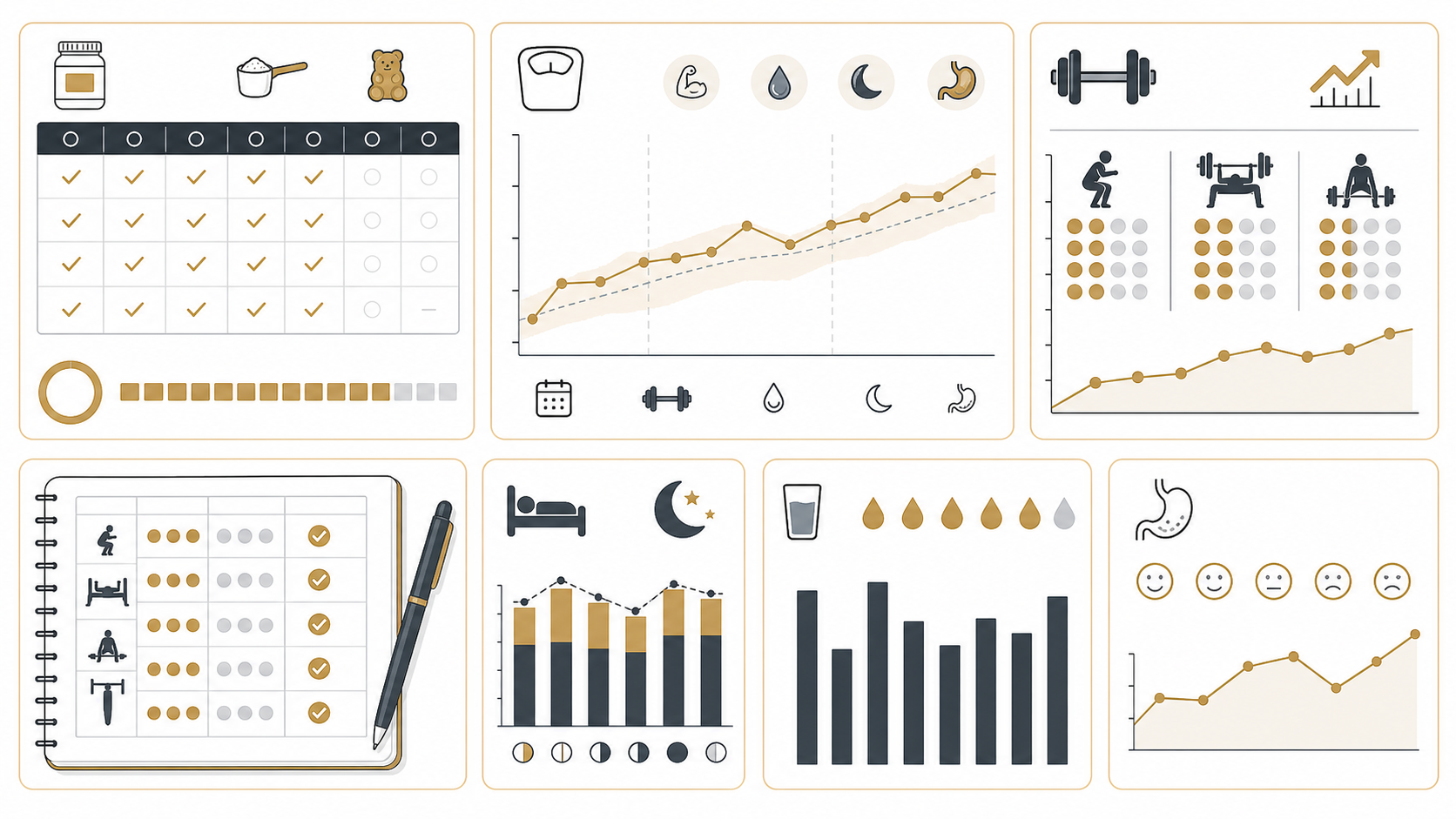
- Record each serving: Check off whether you took the full labeled serving each day.
- Keep training comparable: Track the same core exercises, loads, repetitions, sets, and effort.
- Note body weight with context: Use consistent conditions and interpret normal daily fluctuation carefully.
- Review recovery: Record sleep, unusual soreness, illness, travel, calorie restriction, and high stress.
- Track tolerance: Note digestive discomfort or other concerns and seek professional guidance when appropriate.
At the end of the period, look for patterns rather than a single best workout. Did you miss many servings? Did training performance trend upward? Was your program consistent enough to compare? Did poor sleep or dieting coincide with weaker sessions? Did the product provide a clear dose and remain stored correctly? This audit is more informative than relying on whether creatine created a noticeable feeling.
Could you be a creatine non-responder?
People can respond differently to supplementation. Baseline muscle creatine levels, habitual dietary creatine intake, muscle characteristics, training status, and other individual factors may influence how much tissue creatine changes and what performance effect is noticeable. Research has used terms such as responders and non-responders, but this does not justify diagnosing yourself after a few workouts.
Before using that label, confirm the product, dose, duration, adherence, training, diet, recovery, and measurements. Even when supplementation produces a smaller effect, that does not mean something is medically wrong. It means the value of continuing should be judged against your goals, cost, tolerance, and professional advice.
Stop and seek qualified guidance if you experience concerning symptoms, have kidney disease or abnormal kidney-related laboratory results, take medications that affect kidney function, or are unsure whether creatine is appropriate. A supplement troubleshooting checklist is not a substitute for medical evaluation.
Conclusion
When creatine seems not to work, begin with an audit rather than a stronger claim or a larger serving. Verify the grams in the full serving, take it consistently, allow enough time, use a credible product, follow a progressive training plan, support that plan with food and recovery, and track realistic outcomes. Creatine can support training capacity, but it cannot replace the routine that turns that capacity into progress.
Frequently Asked Questions
How long should creatine take to work?
A loading protocol can increase muscle creatine stores faster, while consistent maintenance intake works more gradually. Judge trends across multiple workouts and weeks rather than expecting an immediate feeling.
Why do I feel nothing after taking creatine?
Creatine is not a stimulant, so many people do not feel an immediate effect. Look for training-performance trends, consistent use, and realistic outcomes instead of a noticeable sensation.
Should I take more creatine if it is not working?
Do not automatically increase the serving. First verify the label, adherence, duration, training, and product quality, then discuss your intended dose with a qualified healthcare or sports-nutrition professional.
Can poor-quality creatine cause no results?
A product that does not contain its stated amount can undermine a routine. Choose clearly labeled creatine from a responsible manufacturer and look for accessible finished-product potency and purity information.
Does no weight gain mean creatine is not working?
No. Scale response varies, and daily weight is influenced by many factors. Use body weight as one contextual measure alongside training performance, adherence, nutrition, and recovery.
References
Individual results may vary. Consult a healthcare professional before starting or changing any supplement, especially if pregnant, nursing, taking medication, managing a medical condition, or concerned about kidney health.
These statements have not been evaluated by the Food and Drug Administration. This product is not intended to diagnose, treat, cure, or prevent any disease.
