



AIDEVI Supplement Quality Guide
Why Third-Party Testing Matters for Creatine Gummies
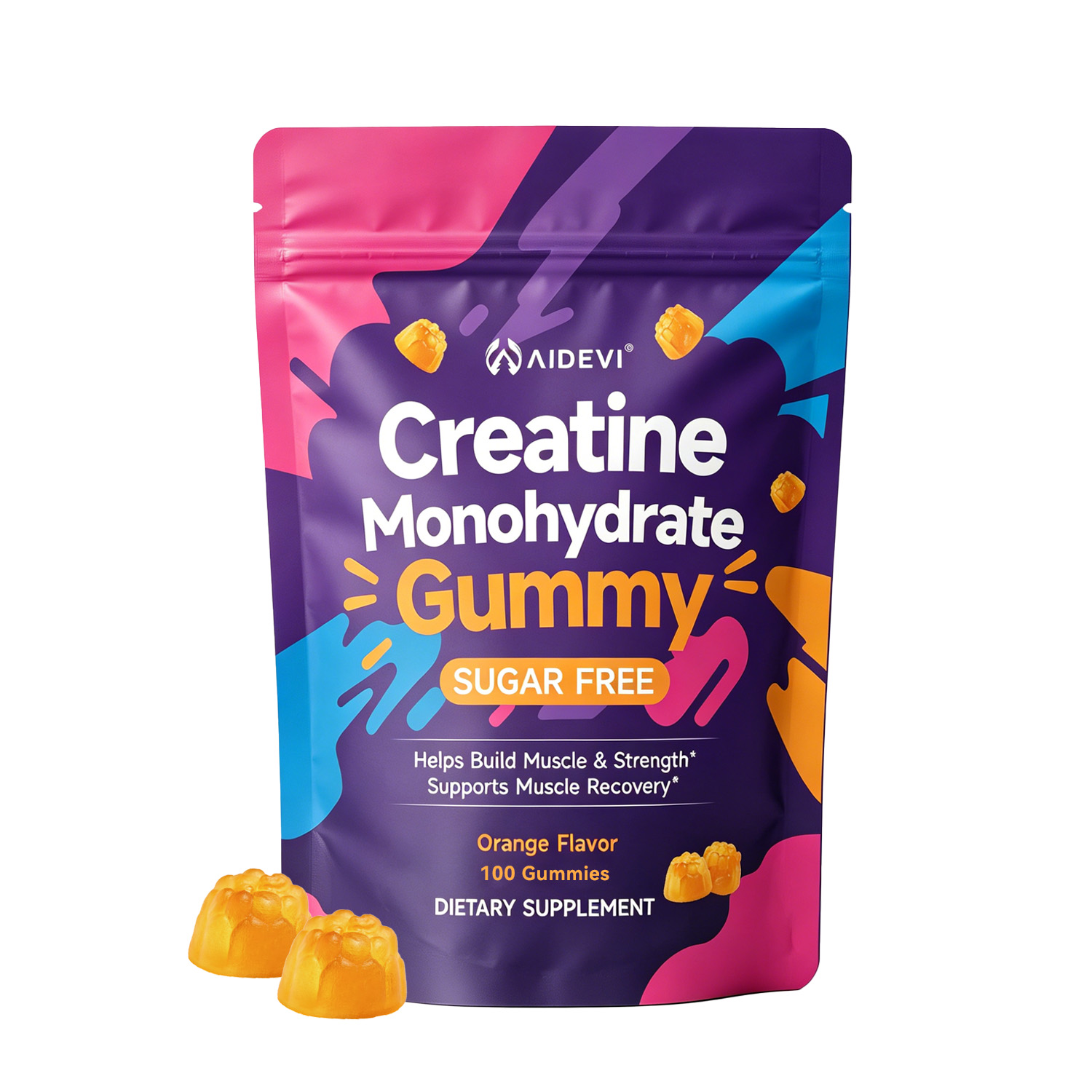
Third-party testing matters for creatine gummies because the buyer is not only choosing a fun format; they are trusting that the product contains what the label says it contains. Gummies add convenience, taste, and habit appeal, but they also make potency verification especially important. A clear lab-tested product can help shoppers check whether creatine amount, purity, batch identity, and basic quality signals are being treated seriously.

- Third-party testing can help verify potency, purity, and batch-specific quality signals.
- Creatine gummies deserve extra label scrutiny because convenience can distract from serving math.
- A meaningful certificate should connect to a batch or lot, not just a vague marketing badge.
- Testing is a trust signal, not a medical guarantee or a substitute for reading the full label.
Content
Why is third-party testing especially important for creatine gummies?
Creatine gummies are attractive because they make a routine easier. No scoop, no shaker, no gritty texture, no gym bag mess. But that same easy format can make shoppers pay more attention to flavor than to potency. A gummy is still a dietary supplement, and the central question remains simple: does the product deliver the creatine serving the shopper thinks they are buying?
Creatine itself has a large research base in exercise and sports nutrition. The International Society of Sports Nutrition position stand describes creatine as extensively studied for exercise, sport, and medical contexts [1]. But evidence for an ingredient does not automatically validate every finished product format. A well-studied ingredient can still be poorly labeled, poorly manufactured, under-dosed, contaminated, or confusingly marketed. That is why product-level quality matters.
This distinction is important for AIDEVI readers building a topical understanding of creatine. The article on the science behind supplement benefits explains why ingredient evidence and real-world supplement decisions should not be collapsed into one claim. Testing helps connect the promise on the label to the product in the container.
What should third-party testing actually check?
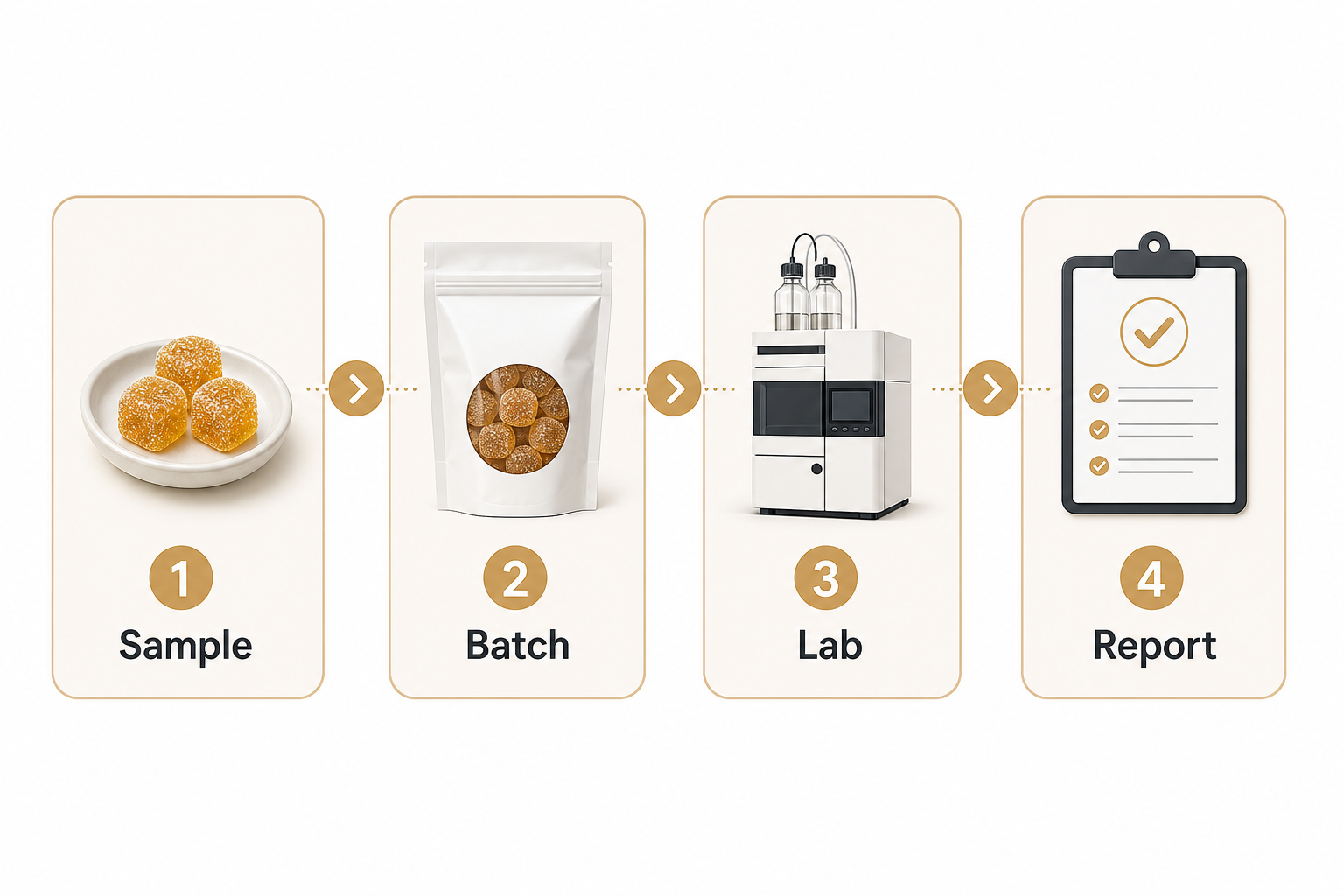
Useful third-party testing should answer practical buyer questions. First, potency: does the serving contain the stated creatine amount within the lab's accepted range? Second, identity: is the tested material consistent with the creatine ingredient claimed on the label? Third, purity: are relevant contaminants screened according to the testing scope? Fourth, batch connection: can the certificate be tied to the bottle, pouch, or lot the customer is buying?
Testing does not need to turn shoppers into chemists, but it should reduce guesswork. FDA consumer guidance reminds buyers that dietary supplements are regulated differently from drugs and that labels, ingredients, and claims deserve careful attention [3]. For creatine gummies, this careful attention is not academic. A gummy serving may include sweeteners, flavors, colors, acids, texture systems, or other actives. Those ingredients do not make a product bad, but they make the finished product more than plain creatine powder.
| Testing item | Buyer question it answers | Why it matters |
|---|---|---|
| Potency | Does the serving match the label? | Creatine routines depend on knowing what you are taking. |
| Purity | Were relevant impurities screened? | Quality is more than taste and texture. |
| Batch link | Does the report match this product lot? | A generic badge is weaker than batch-specific evidence. |
| Method/date | Was the test recent and credible? | Old or vague reports are harder to interpret. |
For people comparing gummies, powder, capsules, and ready-to-use formats, third-party testing is one way to compare trust signals across very different product experiences. A shopper who dislikes powder may still want the same discipline they would use with any performance supplement: clear facts, realistic claims, and a quality trail they can understand.
How do you read a certificate or lab report for creatine gummies?
Start with the product name, batch or lot number, test date, and lab identity. Then compare the certificate to the label. If the label says a serving contains creatine, the report should make it reasonably clear what was tested and whether the result relates to the finished gummy product or only to a raw ingredient. Finished-product testing is especially useful because it checks the product closer to what the customer actually consumes.
Next, look for the scope. A certificate that says "tested" without explaining potency, purity, or method gives less information than shoppers may assume. You do not need every technical detail, but you do need enough context to understand what the test can and cannot prove. AIDEVI's discussion of why well-designed evidence matters applies here too: the quality of the evidence determines how confidently it should influence a decision.

Be cautious with screenshots that cannot be tied to a lot, badges that do not name what was tested, or certificates that appear disconnected from the product currently for sale. A QR code or download link is helpful only if it leads to meaningful information. A certificate should reduce uncertainty, not decorate the page.
One useful distinction is raw-ingredient testing versus finished-product testing. Raw-ingredient testing can show that a supplier's creatine input met a defined specification before manufacturing. Finished-product testing goes further by checking the actual gummy after ingredients, flavor systems, texture agents, heating, packaging, and storage conditions have entered the picture. Both can be useful, but they answer different questions. If your main worry is whether the gummy serving matches the Supplement Facts panel, finished-product or batch-level evidence is usually more directly relevant than a generic raw-material statement.
A shopper does not need to reject a brand that explains its testing in plain language rather than technical jargon. Clarity is the point. The stronger page or certificate will tell you what was tested, what product or batch it relates to, and what kind of quality question the test was meant to answer. The weaker page asks you to trust a symbol without enough supporting context, especially when the serving math is already confusing today.
What third-party testing red flags should creatine gummy buyers avoid?
The first red flag is a vague claim such as "lab tested" with no lab, no certificate, no lot, and no test scope. The second is a certificate that tests only a raw ingredient while the marketing implies the finished gummy was verified. Raw-material testing can be useful, but it does not answer every finished-product question. The third is a label that makes serving math difficult. If you cannot easily understand how many gummies equal one serving and what that serving contains, testing will be harder to interpret.
The fourth red flag is dramatic language. Supplement quality should not require exaggerated promises. Reviews of creatine misconceptions show how easily popular claims can outrun careful interpretation [2]. A product can be convenient, enjoyable, and useful without implying guaranteed muscle gain, instant performance, or medical outcomes. For shoppers working on a bigger fitness plan, AIDEVI's guide on whether to gain muscle or lose fat first is a good reminder that supplement details should serve the main goal.
The fifth red flag is ignoring storage and age. Gummies are finished foods as much as supplement formats, so shoppers should respect the package directions, expiration information, and storage guidance. Heat, moisture, and time are ordinary product realities. Testing a batch once does not mean a consumer should ignore how the product is stored at home.
How does third-party testing fit your creatine routine?
Testing helps you start with a cleaner decision, but it does not create the routine for you. After choosing a product with credible quality signals, you still need a habit that fits your training week. That means following the label, choosing a timing anchor you can repeat, and keeping the basics in place: training progression, food, hydration, sleep, and recovery. AIDEVI's article on muscle recovery and performance makes the same broader point: supplements work inside a system.
For creatine gummies, the routine question is often simple: does this format make consistency easier without making quality harder to verify? If yes, gummies may be a useful fit for people who dislike powder. If not, a different format may be more practical. AIDEVI's athlete performance and recovery perspective reinforces that a training-support product should reduce friction, not add confusion.

A practical buyer checklist is short. Look for a clear Supplement Facts panel. Confirm the serving math. Check whether testing is batch-specific. Review what the lab report actually measured. Avoid disease claims and guaranteed outcome language. Keep a screenshot or note of the lot information if you are comparing products. This is the calm, evidence-aware approach behind AIDEVI's data-driven supplement innovation mindset.
What can third-party testing not guarantee?
Third-party testing is valuable, but it has limits. It cannot guarantee that every person will respond the same way, that a product will fit every digestive system, or that a supplement will replace training, protein, or sleep. It also cannot fix a confusing label or make exaggerated claims appropriate. A strong lab report is one trust signal among several: transparent labeling, responsible claims, clear directions, quality manufacturing, and customer-fit all matter.
This is why the best buying decision is both skeptical and fair. Do not dismiss gummies just because they are convenient. Do not trust them just because they taste good. Ask for evidence that connects the product to the label. Then decide whether the format actually helps your routine. AIDEVI's science-led wellness approach is useful here because it keeps trust tied to clarity rather than hype.
Conclusion
Third-party testing matters for creatine gummies because convenience should not weaken trust. A good gummy format can make creatine easier to use, but shoppers still need clear evidence that the product matches the label. Look for potency, purity, batch connection, test date, and method context. Treat testing as a practical quality signal, then build a routine that supports your actual training goals.
Frequently Asked Questions
What does third-party tested mean for creatine gummies?
It usually means an independent lab or testing party evaluated the product or ingredient for a defined purpose. The useful question is what was tested, when, by whom, and whether the report connects to the batch you are buying.
Is a lab-tested badge enough?
A badge is only a starting point. Look for a certificate, batch or lot link, test date, and a clear explanation of whether potency, purity, or other quality items were checked.
Why is potency testing important?
Potency testing helps answer whether the creatine amount in the serving matches the label within the relevant testing criteria. That matters because a consistent routine depends on knowing what you are taking.
Can testing prove a creatine gummy will work for me?
No. Testing can support product quality and label confidence, but individual results still depend on training, nutrition, recovery, consistency, and personal context.
Should beginners only buy tested creatine gummies?
Beginners should prioritize clear labels, realistic claims, credible quality signals, and a format they can use consistently. Third-party testing is one of the strongest practical trust signals to look for.
References
- [1] International Society of Sports Nutrition position stand: safety and efficacy of creatine supplementation in exercise, sport, and medicine.
- [2] Common questions and misconceptions about creatine supplementation: what does the scientific evidence really show?
- [3] U.S. Food and Drug Administration: Questions and Answers on Dietary Supplements.
Individual results may vary. Consult a healthcare professional before starting any new supplement, especially if pregnant, nursing, taking medication, or managing a medical condition. These statements have not been evaluated by the Food and Drug Administration. This product is not intended to diagnose, treat, cure, or prevent any disease.
