




AIDEVI Raw Material Science
What Is Akkermansia muciniphila? AKK, Gut Barrier Science, Postbiotic Forms, and Quality Standards
Akkermansia muciniphila, often shortened to AKK, is a mucus-layer-associated gut bacterium studied for its relationship with gut barrier integrity, mucosal immune balance, metabolic wellness research, and next-generation probiotic or postbiotic development.
This guide explains AKK in practical consumer language: what it is, why scientists study it, how live and pasteurized forms differ, what the evidence can and cannot mean, and how to judge whether an AKK raw material or formula is transparent, stable, and responsibly positioned.
- AKK is a naturally occurring gut commensal associated with the intestinal mucus layer.
- It is studied for gut barrier function, mucosal immune signaling, microbial ecology, and metabolic-health research.
- Pasteurized AKK and AKK-derived postbiotic concepts may offer formulation advantages over live strictly anaerobic bacteria.
- A reliable AKK formula should disclose strain identity, format, count or equivalent input, inactivation status, testing logic, storage needs, and evidence boundaries.
Content
- What is Akkermansia muciniphila?
- Why does AKK matter in gut barrier and microbiome research?
- How are live AKK, pasteurized AKK, and AKK-derived postbiotics different?
- What does the current AKK evidence show?
- How do you judge AKK ingredient quality?
- Who may be interested in AKK?
- What can AKK not promise?
- What should you check before buying an AKK formula?
- Frequently Asked Questions
What Is Akkermansia muciniphila?
Akkermansia muciniphila is a Gram-negative, strictly anaerobic, non-motile gut bacterium first isolated from healthy adult human feces in 2004. It lives close to the intestinal mucus layer and uses mucin as a nutrient source. In doing so, it participates in a microbial ecosystem that connects mucus turnover, short-chain fatty acid production, epithelial barrier biology, and communication between microbes and the host.
For consumers, the simple explanation is this: AKK is a next-generation gut microbe studied because of where it lives and what it interacts with. It is not just another generic probiotic. Its scientific identity is tied to the mucus layer, gut barrier research, immune signaling, and metabolic-health studies.
AKK is often discussed as a "next-generation probiotic" because it is more technically complex than traditional probiotic strains. As a strict anaerobe, live AKK requires demanding manufacturing and storage controls. Pasteurized or postbiotic forms are therefore especially important in product development because they may preserve relevant structural components or bioactive molecules while improving formulation practicality.
| Consumer Question | Plain-English Answer |
|---|---|
| Is AKK a probiotic? | AKK is studied as a next-generation probiotic candidate, but product format matters: live, pasteurized, and postbiotic forms are different. |
| Does AKK live in the gut naturally? | Yes. It is a human gut commensal associated with the mucus layer, although individual abundance can vary widely. |
| Is AKK a quick weight-loss ingredient? | No. AKK belongs in microbiome and metabolic-wellness research, not guaranteed weight-loss promises. |
Why Does AKK Matter in Gut Barrier and Microbiome Research?
AKK matters because it sits at a biologically important location: the interface between gut microbes and the intestinal mucus layer. The mucus layer is part of the gut's physical and chemical barrier system. It helps separate the intestinal contents from the epithelial surface while still allowing controlled communication between microbes, nutrients, immune cells, and host tissue.
Research on AKK-derived outer membrane vesicles describes three connected mechanisms relevant to intestinal homeostasis: microbial ecology support, mucosal IgA immune response, and epithelial barrier maintenance. In one Science Advances study, AKK outer membrane vesicles were reported to influence beneficial bacteria, activate mucosal immune pathways, and stimulate tight junction and mucus-related markers in experimental models [1].
Another line of research focuses on AKK-derived proteins. A Nature Communications study identified Amuc_1409, a secreted AKK protein, and reported that it supported intestinal stem cell proliferation and regeneration in organoid and mouse models through an E-cadherin and Wnt/beta-catenin-related mechanism [2]. This is important science, but it remains mechanism-focused. It should not be translated into consumer claims that an AKK supplement repairs the gut or treats intestinal conditions.
How to read AKK mechanism claims responsibly
A mechanism study can explain why AKK is interesting, but it does not prove that every AKK product produces the same outcome in people. The responsible path is to separate cellular or animal mechanisms, defined human trials, raw-material quality, and the finished formula actually offered to consumers.
How Are Live AKK, Pasteurized AKK, and AKK-Derived Postbiotics Different?
AKK is not a one-format ingredient. A live AKK product aims to deliver viable bacteria, which creates demanding requirements for anaerobic production, storage, survivability, and viable count testing. A pasteurized AKK product is intentionally inactivated, which shifts the quality focus toward confirmed strain identity, inactivation parameters, cell-equivalent count, structural integrity, and stability.
Postbiotic concepts go one step further by focusing on non-living microbial cells, cell fragments, proteins, metabolites, or vesicle-related components that may influence host-microbe communication. For AKK, this matters because several important studies focus not only on the whole bacterium, but also on proteins such as Amuc_1409 or extracellular vesicle structures.
| Format | Consumer Meaning | What To Check |
|---|---|---|
| Live AKK | Designed around viable bacterial delivery. | Strain identity, viable count, oxygen exposure control, storage conditions, and shelf-life data. |
| Pasteurized AKK | A non-living form that may retain relevant cell structures or heat-stable components. | Inactivation validation, cell-equivalent count, contaminant review, and finished-product stability. |
| AKK-derived postbiotic components | Focused on microbial components such as proteins, vesicles, or metabolites. | Defined component, standardization method, purity, safety review, and evidence relevance. |
What Does the Current AKK Evidence Show?
The current AKK evidence is promising but uneven across topics. Mechanism studies help explain barrier, immune, microbial ecology, and gut-regeneration pathways. Human studies provide more direct evidence, but they vary by strain, population, health status, baseline microbiome profile, dosage, duration, and endpoint. A consumer page should not collapse all AKK studies into one broad claim.
A 2025 Cell Metabolism clinical trial studied AKK-WST01 supplementation in 58 overweight or obese adults with type 2 diabetes for 12 weeks. The overall group comparison did not show broad significant differences, but baseline AKK abundance mattered: participants with low baseline AKK appeared more likely to show colonization and selected metabolic-marker changes in the study context [3]. The practical lesson is not that AKK guarantees metabolic results. The lesson is that baseline microbiome status may influence who responds.
A 2024 Nutrients trial evaluated pasteurized Akkermansia muciniphila HB05, also called HB05P, in 100 adults aged 60 and older over 12 weeks. The study reported improvements in selected muscle strength measures and follistatin levels compared with placebo, with no notable safety concerns between groups in that trial [4]. This is relevant to postbiotic AKK research, but it should be interpreted as strain-, format-, dose-, population-, and duration-specific.
| Evidence Type | What It Helps Explain | Consumer Boundary |
|---|---|---|
| Cell and organoid research | Mechanisms involving epithelial cells, secreted proteins, or stem-cell signaling. | Does not prove finished-product benefits in humans. |
| Animal research | Microbiome, barrier, immune, and metabolic pathway hypotheses. | Findings may not translate directly to consumer routines. |
| Human clinical studies | Defined outcomes in a specific population, strain, dose, and study duration. | Cannot be generalized to all AKK formats or all users. |
How Do You Judge AKK Ingredient Quality?
A reliable AKK ingredient starts with strain identity. "Akkermansia" alone is not enough. The label or technical documentation should identify the strain or material source, explain whether it is live, pasteurized, or postbiotic, and state the intended count or equivalent input. For live AKK, viability matters. For pasteurized AKK, inactivation validation and cell-equivalent standardization matter.
Manufacturing controls also matter because AKK is technically demanding. Live AKK is sensitive to oxygen exposure. Pasteurized and postbiotic formats reduce some viability challenges, but they still require identity testing, contaminant review, microbial limits, endotoxin or safety-relevant assessments where applicable, stability data, and batch traceability.
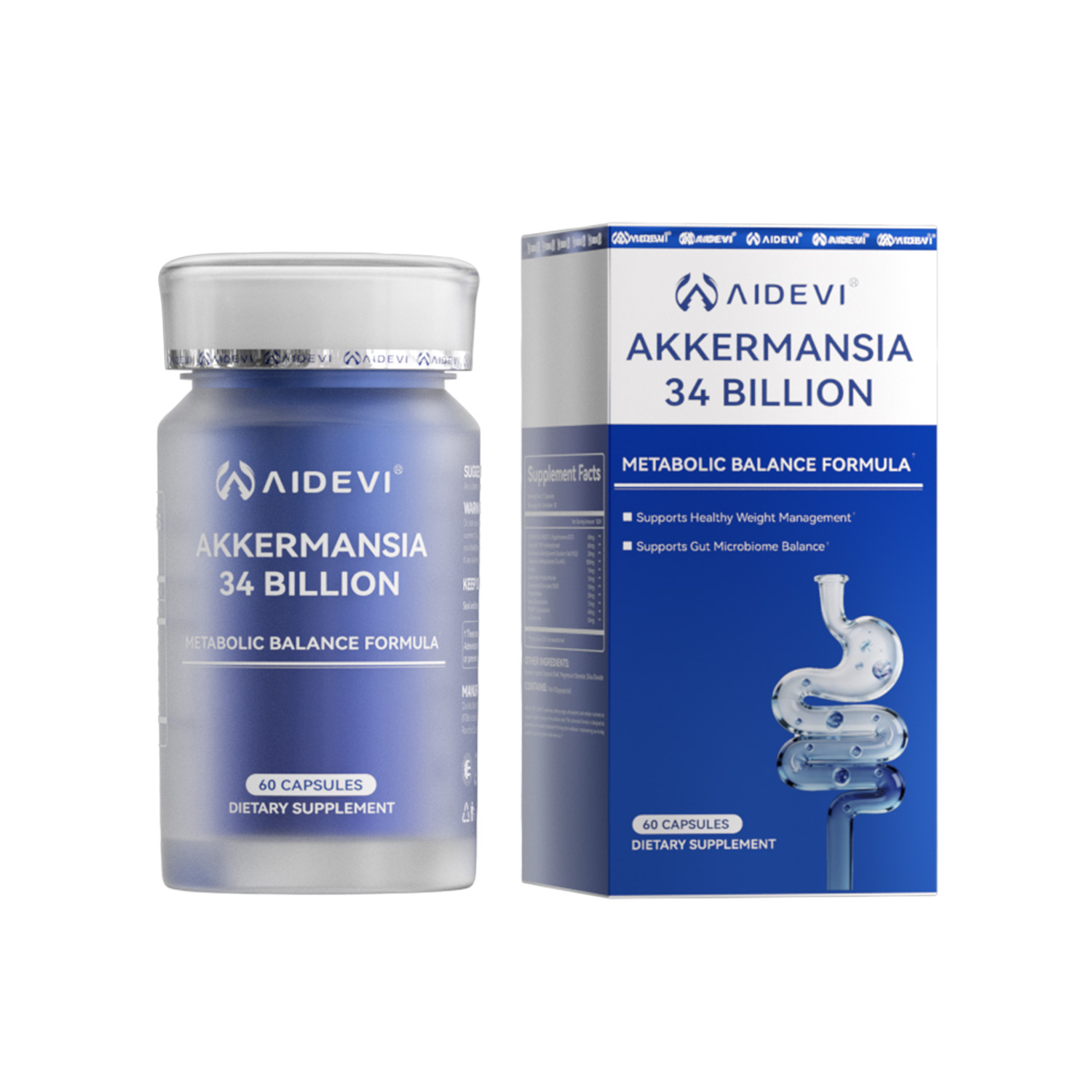
AIDEVI's quality philosophy is strongest when it helps consumers understand what testing can and cannot prove. Testing can support identity, purity, count, contaminants, inactivation status, and stability. It cannot prove that every user will experience a specific gut, weight, glucose, immune, or muscle outcome. When comparing finished formulas, readers can review how AKK is presented in AIDEVI Akkermansia 34 Billion and compare that with broader microbiome-support positioning in AIDEVI Probiotics Complex.
| Quality Signal | What It Means | Why Consumers Should Care |
|---|---|---|
| Strain identity | Confirms the exact AKK strain or source material. | Avoids treating all AKK research as interchangeable. |
| Format declaration | States whether the material is live, pasteurized, or postbiotic. | Changes how count, stability, storage, and evidence should be interpreted. |
| Count or equivalent input | Defines CFU, cells, heat-treated cells, or another standardized measure. | Allows meaningful comparison between formulas. |
| Safety and contaminant review | Reviews microbial limits, heavy metals, unwanted contaminants, and format-specific safety tests. | Supports product-quality confidence beyond the front label. |
| Stability data | Shows how the material behaves during storage and shelf life. | Helps protect formula consistency from manufacturing through consumer use. |
Who May Be Interested in AKK?
AKK may interest consumers who want to understand gut health beyond broad "more probiotics" language. This includes people learning about the gut barrier, mucus-layer ecology, postbiotics, metabolic wellness research, or the difference between traditional probiotics and next-generation microbiome ingredients.
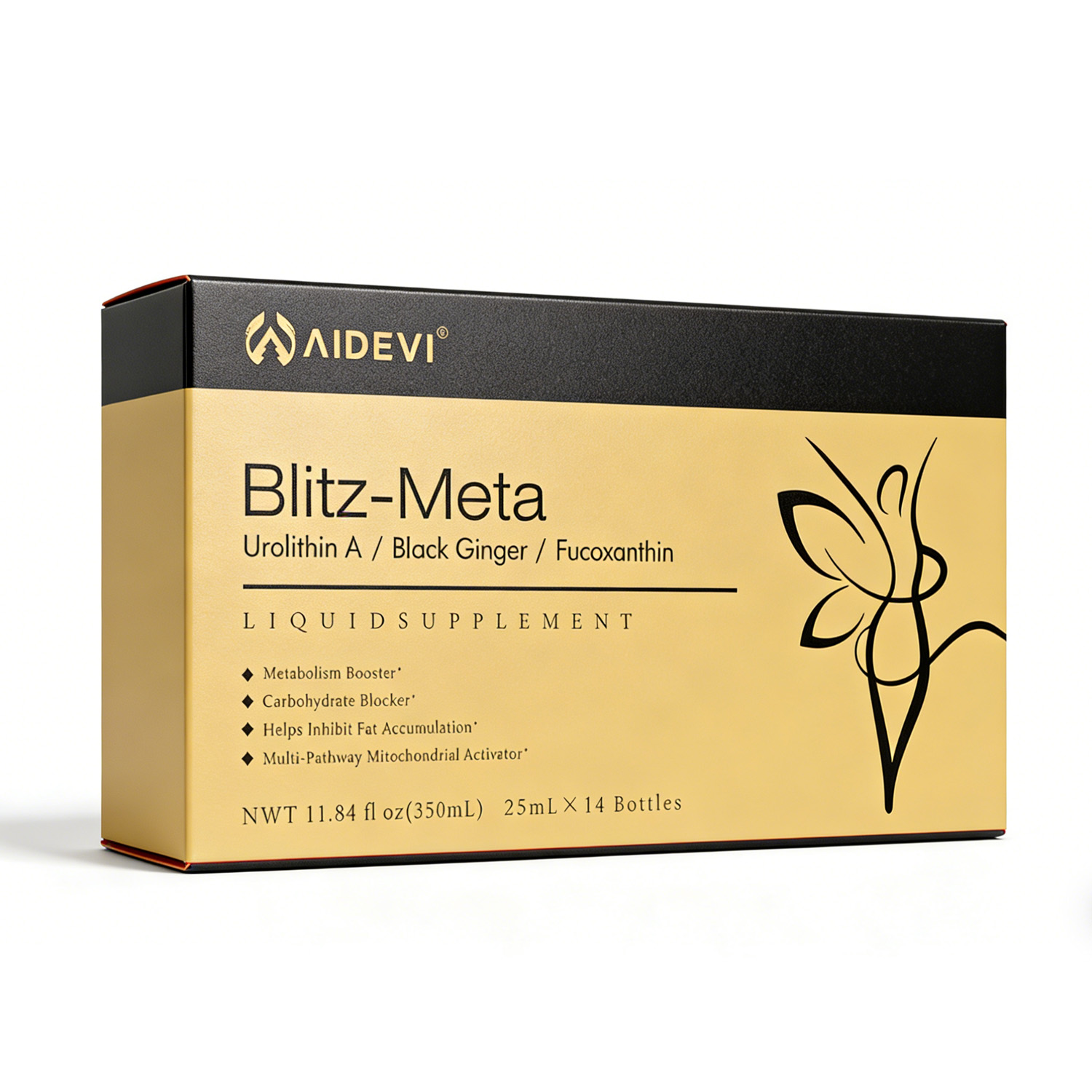
AKK may also interest label-conscious shoppers because it forces better questions. Is the material live or pasteurized? Is the strain named? Is the amount defined? Are the clinical studies connected to the same strain and format? Is the brand clear about what the science can and cannot support? Readers comparing product directions can review AIDEVI Akkermansia 34 Billion, broader gut flora support in AIDEVI Probiotics Complex, and adjacent metabolic-wellness formats such as AIDEVI Blitz-Meta Liquid.
What Can AKK Not Promise?
AKK cannot promise weight loss, blood sugar changes, disease protection, gut repair, immune enhancement, muscle strength gains, or the same outcome for every person. The strongest AKK research is specific to strain, format, dose, population, baseline microbiome status, and study design. A mechanism or subgroup finding should not be turned into a universal consumer promise.
AKK also cannot replace the foundations of gut and metabolic wellness. Fiber-rich foods, protein adequacy, sleep, movement, medication adherence where applicable, hydration, and medical care remain important. A supplement can support a coherent routine, but it should not be expected to compensate for every missing habit or manage a medical condition.
What Should You Check Before Buying an AKK Formula?
Before choosing an AKK formula, use a practical checklist. The product should identify the format, define the amount, explain storage expectations, and connect its claims to the correct kind of evidence. A strong AKK formula does not rely on the word "microbiome" alone; it makes the strain, format, quality controls, and boundaries readable.
- Exact identity: Look for Akkermansia muciniphila and, where available, a named strain or material source.
- Format: Confirm whether it is live, pasteurized, heat-treated, or another postbiotic form.
- Amount: Check whether the label states CFU, cells, heat-treated cells, or another equivalent measure.
- Storage and stability: AKK format determines whether oxygen, moisture, temperature, and shelf-life controls matter most.
- Testing logic: Identity, count, inactivation validation, contaminant review, and stability are more meaningful than broad "advanced microbiome" language.
- Claim discipline: Be cautious when a page promises dramatic weight, blood sugar, immune, gut repair, or medical outcomes.
AIDEVI Research Credibility Standard
AIDEVI's raw-material education is built around visible research and clear boundaries. For AKK, that means explaining the microbiome rationale, distinguishing live and postbiotic forms, showing what quality testing is relevant, avoiding guaranteed personal outcomes, and connecting the ingredient to formula logic only where the science supports it.
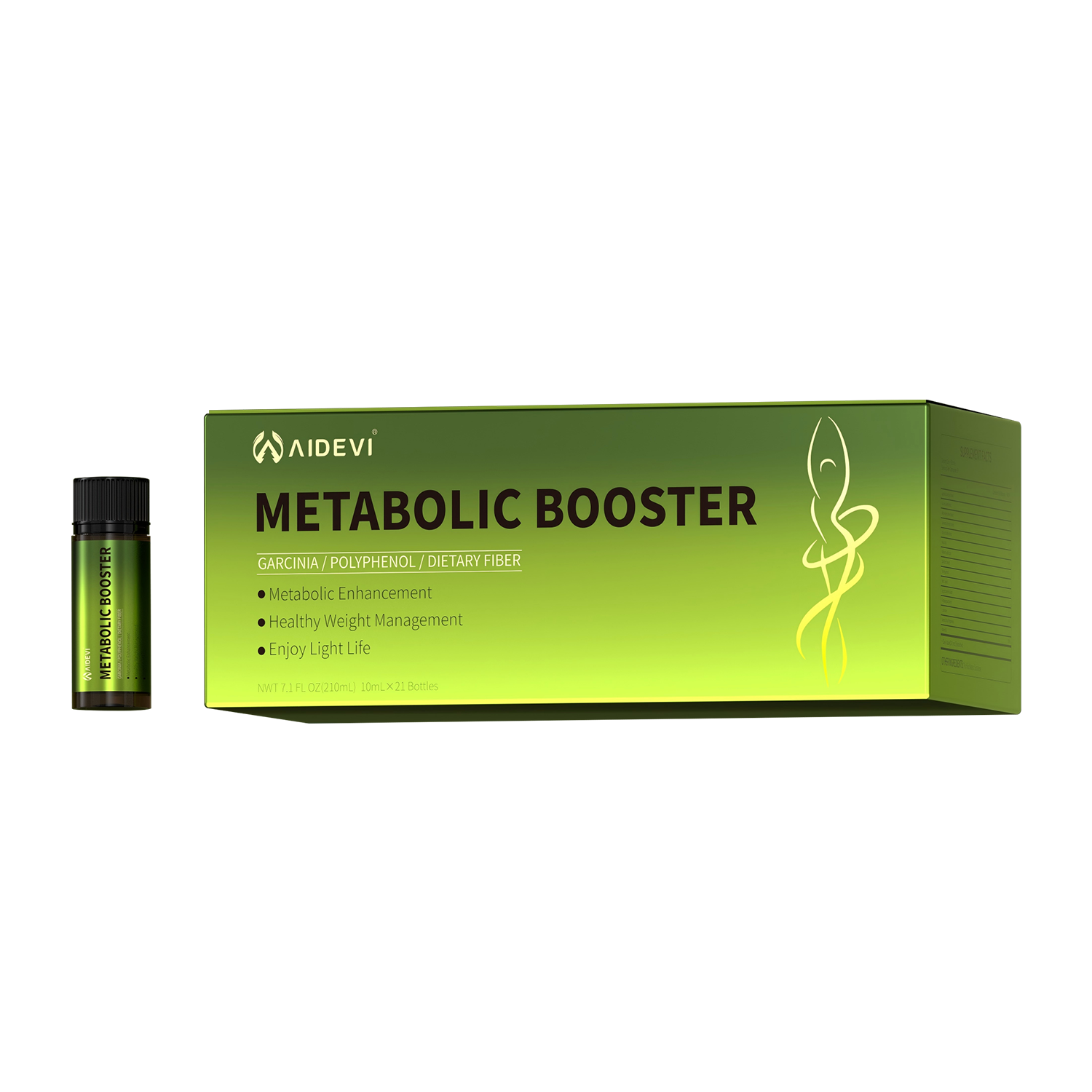
For product context, readers can compare the AKK-focused direction in AIDEVI Akkermansia 34 Billion with adjacent AIDEVI metabolic-wellness products such as AIDEVI Metabolic Booster Liquid. Product-specific claims should still be checked on the relevant product page and label before purchase.
Common AKK Misconceptions
The first misconception is that all AKK products are the same. They are not. Strain identity, live versus pasteurized format, dose, stability, and study context can all change how evidence should be interpreted.
The second misconception is that more gut bacteria always means better gut health. AKK research is more nuanced. Baseline abundance may matter, and the 2025 human study suggests that response may depend partly on the person's starting microbiome profile [3].
The third misconception is that postbiotic means inactive or weak. A pasteurized or postbiotic AKK material may still contain relevant microbial structures or components. The question is not whether it is alive; the question is whether the format is defined, tested, stable, and supported by evidence appropriate to that format.
Conclusion
Akkermansia muciniphila is worth understanding because it connects gut microbiome science with mucus-layer ecology, epithelial barrier research, immune signaling, metabolic-wellness studies, and postbiotic formulation. Its value is not that it is a trendy gut microbe. Its value is that it has a specific biological niche and a growing body of strain- and format-specific evidence.
For consumers, the strongest AKK page is not the one with the loudest microbiome promise. It is the one that helps you ask better questions: What strain or source is used? Is the format live or pasteurized? Is the amount stated? Is stability explained? Are the claims tied to the right evidence? That is the standard AIDEVI brings to raw-material education.
Frequently Asked Questions
What is AKK in simple terms?
AKK is short for Akkermansia muciniphila, a gut bacterium associated with the intestinal mucus layer and studied for gut barrier, microbiome, immune, and metabolic-wellness research.
Is AKK the same as a regular probiotic?
No. AKK is often discussed as a next-generation probiotic candidate. It is more technically demanding than many traditional probiotic strains, and pasteurized or postbiotic formats are important in product development.
What is pasteurized AKK?
Pasteurized AKK is a non-living form created through controlled heat treatment. It should be evaluated by strain identity, inactivation validation, equivalent count, safety review, and stability.
Why is the mucus layer important?
The mucus layer helps maintain separation and communication between gut contents, microbes, epithelial cells, and immune factors. AKK is studied partly because it lives close to this interface.
Can AKK support metabolic wellness?
AKK is studied in metabolic-wellness research, but findings depend on strain, format, baseline microbiome status, study population, dose, and duration. It should not be presented as a guaranteed metabolic outcome.
How do I compare AKK supplements?
Look for exact species and strain information, live or pasteurized format, amount per serving, storage requirements, stability data, contaminant review, and realistic claim language.
Does AKK need refrigeration?
It depends on the format and stability data. Live AKK may have different storage needs than pasteurized or postbiotic AKK. Follow the product label and look for shelf-life documentation.
Who should ask a healthcare professional before using AKK?
Anyone pregnant, nursing, immunocompromised, taking medication, managing a medical condition, undergoing medical treatment, or unsure about supplement interactions should consult a qualified professional before starting any new supplement.
References
- [1] Wang et al. Versatility of bacterial outer membrane vesicles in regulating intestinal homeostasis. Science Advances, 2023.
- [2] Kang et al. The secreted protein Amuc_1409 from Akkermansia muciniphila improves gut health through intestinal stem cell regulation. Nature Communications, 2024.
- [3] Zhang et al. Akkermansia muciniphila supplementation in patients with overweight/obese type 2 diabetes: Efficacy depends on its baseline levels in the gut. Cell Metabolism, 2025.
- [4] Kang et al. Pasteurized Akkermansia muciniphila HB05 improves muscle strength and function: A 12-week randomized, double-blind, placebo-controlled clinical trial. Nutrients, 2024.
Individual results may vary. Consult a healthcare professional before starting any new supplement, especially if pregnant, nursing, immunocompromised, taking medication, managing a medical condition, undergoing medical treatment, or following a restricted diet. The research and development information on this page is educational and should not be interpreted as medical advice or guaranteed product outcomes. These statements have not been evaluated by the Food and Drug Administration. This product is not intended to diagnose, treat, cure, or prevent any disease.
