








AIDEVI Training Nutrition Guide
Should You Take Creatine on Rest Days?
Yes, many people take creatine on rest days because creatine is usually used as a consistency-based supplement, not only as a workout-day ritual. For most healthy recreational fitness users, the practical goal is to maintain a routine that supports muscle creatine stores over time. If your product label gives daily serving directions, a rest-day habit can make consistency easier than trying to remember creatine only when you train.

- Creatine is not only a pre-workout product; consistent use is usually the bigger idea.
- Rest days are often the easiest way to keep the habit stable when training schedules change.
- If you miss a rest day, do not panic or improvise a large catch-up serving unless the label tells you to.
- Training, protein, hydration, sleep, and recovery still shape results more than any one supplement decision.
Content
What is the short answer for taking creatine on rest days?
The short answer is that rest-day use is often reasonable when the product is designed for regular use and the label directions fit your routine. Creatine is commonly discussed in relation to increasing and maintaining creatine availability in muscle over time, especially alongside repeated high-intensity exercise [1]. That is a different logic from a stimulant product that someone might use only before a single session.
Rest days are not empty days. They are when your training plan turns into adaptation, recovery, food choices, hydration, sleep, and preparation for the next workout. If your creatine routine only exists on workout days, it becomes vulnerable to schedule changes. A missed gym session can become a missed creatine day. A travel day can become a skipped routine. A week with two unexpected rest days can create confusion. Taking creatine as a daily habit, when appropriate for the product and person, removes that mental bookkeeping.
This does not mean more is better, or that everyone must take creatine forever. It means the question should be practical: "What routine helps me follow the label consistently without overthinking?" AIDEVI's guide to the science behind supplement benefits is a helpful frame because it keeps the focus on realistic use, evidence, and individual context rather than dramatic timing claims.
Why does consistency matter more than whether it is a workout day?
Creatine is often misunderstood because people place it mentally next to pre-workout products. A pre-workout is usually judged by what someone feels around one session. Creatine is not usually chosen for that same immediate sensation. Its role is more often connected to repeated training support and maintaining a routine over time. That is why asking whether it is a workout day can be less useful than asking whether your weekly routine stays consistent.
For muscle-building users, the rest-day decision should support the larger plan. A person trying to gain strength or lean mass still needs progressive training, enough food, adequate protein, and recovery. Creatine cannot replace those fundamentals. If your bigger goal is unclear, AIDEVI's article on whether to gain muscle or lose fat first can help organize the routine before supplement timing becomes a distraction.
| Question | Better lens | Common mistake |
|---|---|---|
| Do I take it only on lifting days? | Build a repeatable weekly habit that follows the label. | Forgetting whenever the gym schedule changes. |
| Will I feel it on a rest day? | Judge consistency, comfort, and training context over time. | Expecting a stimulant-like effect. |
| Can I skip if I am not sore? | Separate recovery feelings from supplement habit design. | Using soreness as the only signal. |
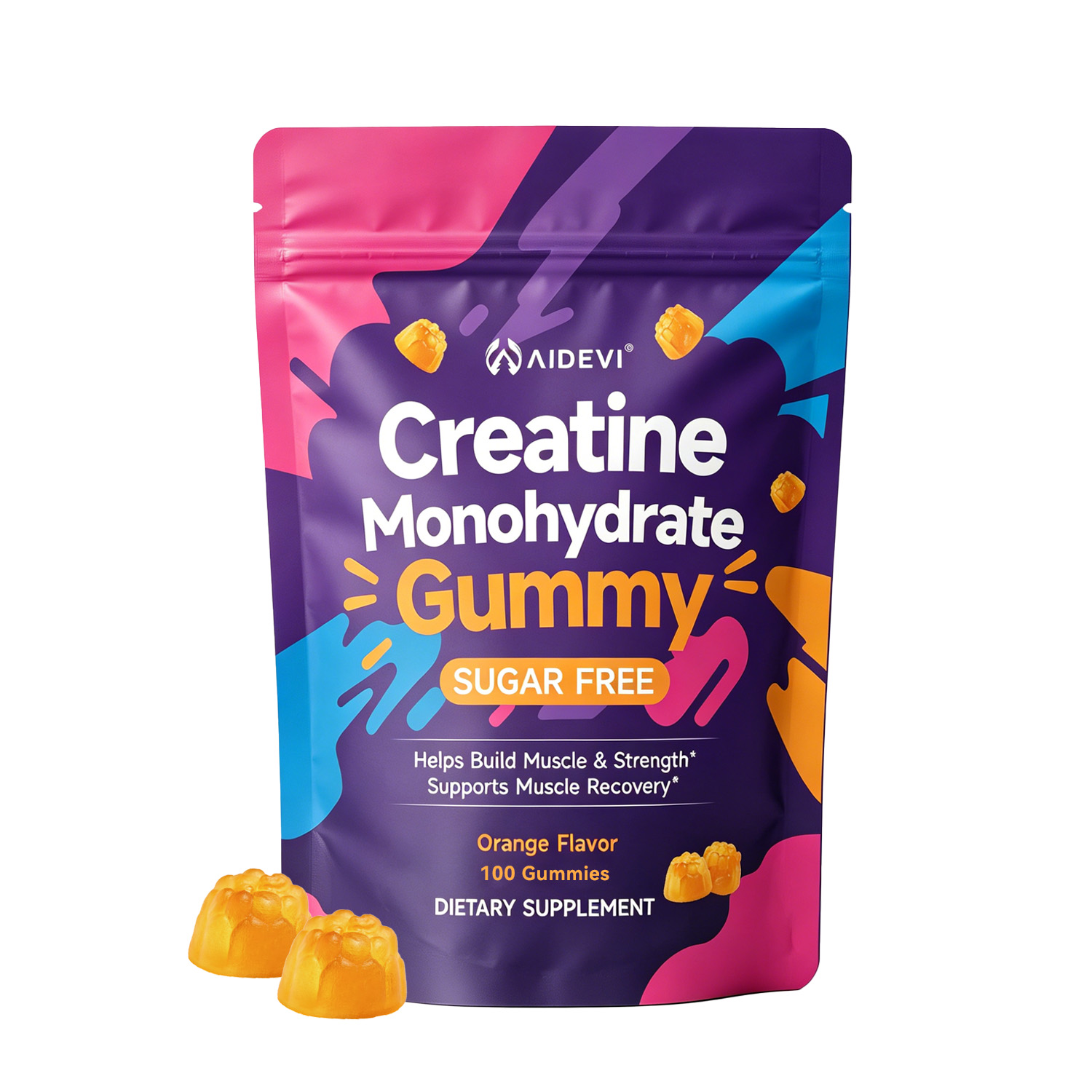
The strongest rest-day argument is simplicity. If you make creatine a daily label-guided routine, you do not need a complicated decision tree each morning. That can be especially useful for people using creatine gummies, capsules, or other no-mix formats because the serving can attach to a meal, water bottle, or planner rather than to a specific workout window.
How do you build an easy rest-day creatine routine?
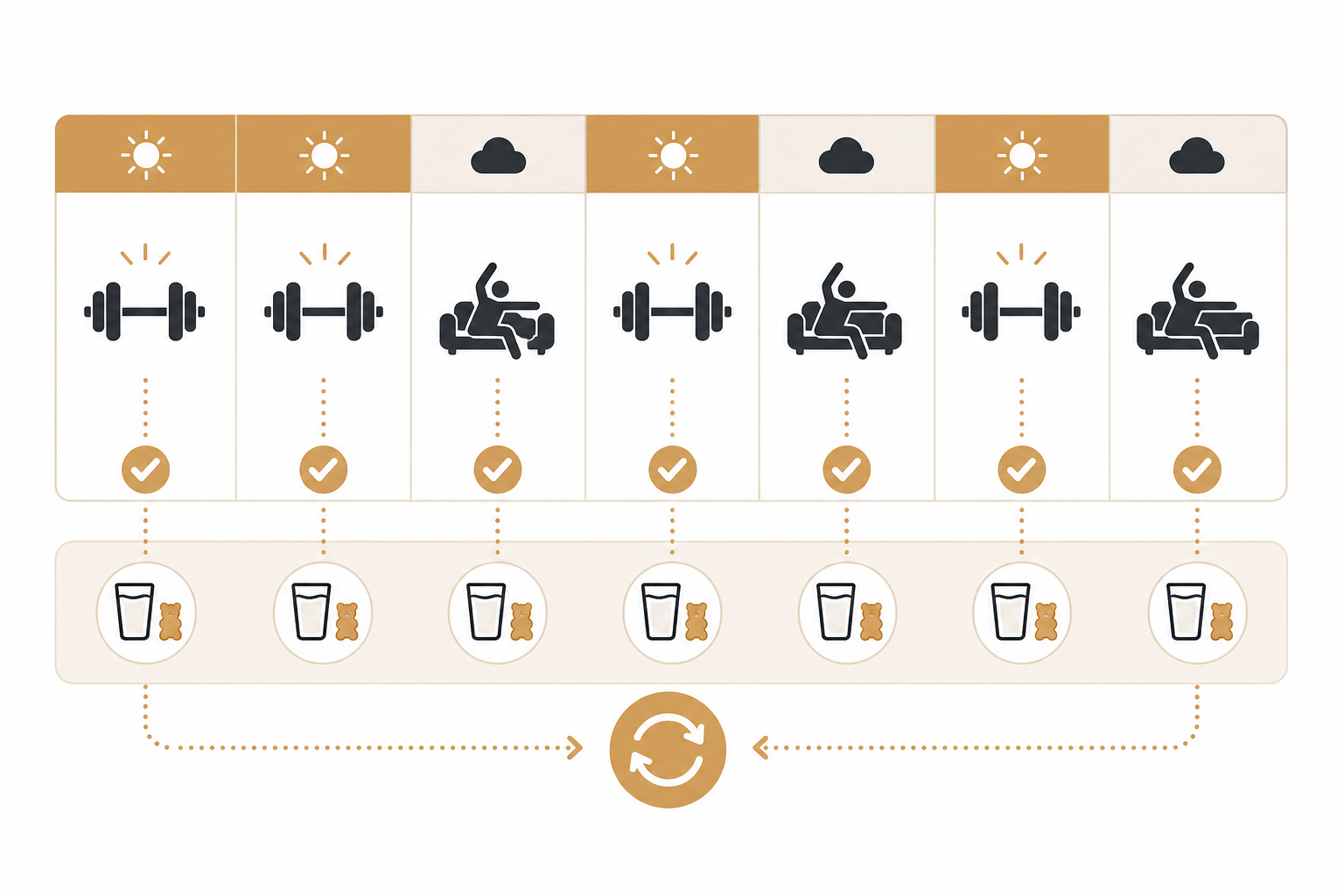
Attach the routine to something that happens on both training days and rest days. Breakfast, a daily water bottle, lunch prep, or an evening supplement review usually works better than "after lifting" if your lifting schedule changes. The cue should survive ordinary life. You want a plan that still works during a deload week, a busy workday, a weekend walk, or a travel day when there is no gym session.
Creatine gummies can make this easier for people who dislike powder because they remove scoops, shaker bottles, texture issues, and cleanup. Still, convenience should not replace label reading. Check the serving size, creatine amount, servings per container, added ingredients, and directions. The FDA's consumer information on dietary supplements encourages shoppers to read labels carefully and seek professional guidance when health context matters [3].

Use a two-week rest-day test. Pick one daily cue and follow it without changing several other supplements at the same time. Note whether you remembered, whether digestion felt comfortable, whether the routine worked on both gym and non-gym days, and whether it reduced decision fatigue. This is not about proving a dramatic effect on a single Sunday. It is about finding a routine you can repeat without turning creatine into another task you avoid.
Rest-day nutrition matters too. If your training goal includes muscle growth, a supplement cannot make up for inconsistent meals, low protein, poor sleep, or a program that changes randomly. AIDEVI's muscle recovery and performance article is useful because it treats recovery as a system rather than a single product decision.
A simple training week might look like this: lift on Monday, Wednesday, and Friday; walk or stretch on Tuesday and Thursday; rest more fully on the weekend. In that week, the creatine decision does not need to change seven times. If the label supports regular use and the routine suits you, the same breakfast or water-bottle cue can carry across lifting days, light movement days, and full rest days. That keeps the habit attached to your actual life, not to a perfect gym calendar.
What should you do if you miss creatine on a rest day?
If you miss creatine on a rest day, the practical answer is usually to return to your normal routine. Do not panic, and do not improvise a large catch-up serving unless your product label specifically directs it. One missed day does not need to become a messy week. The more useful response is to ask why you missed it. Was the cue too tied to workouts? Was the product stored somewhere inconvenient? Did travel interrupt the habit? Fix the cue, not your mood.
Scientific reviews discussing creatine misconceptions emphasize that many popular concerns and expectations are oversimplified compared with the evidence [2]. That same calm approach helps with missed days. Creatine routines are built across repeated decisions. A single missed serving is not a verdict on your fitness plan.
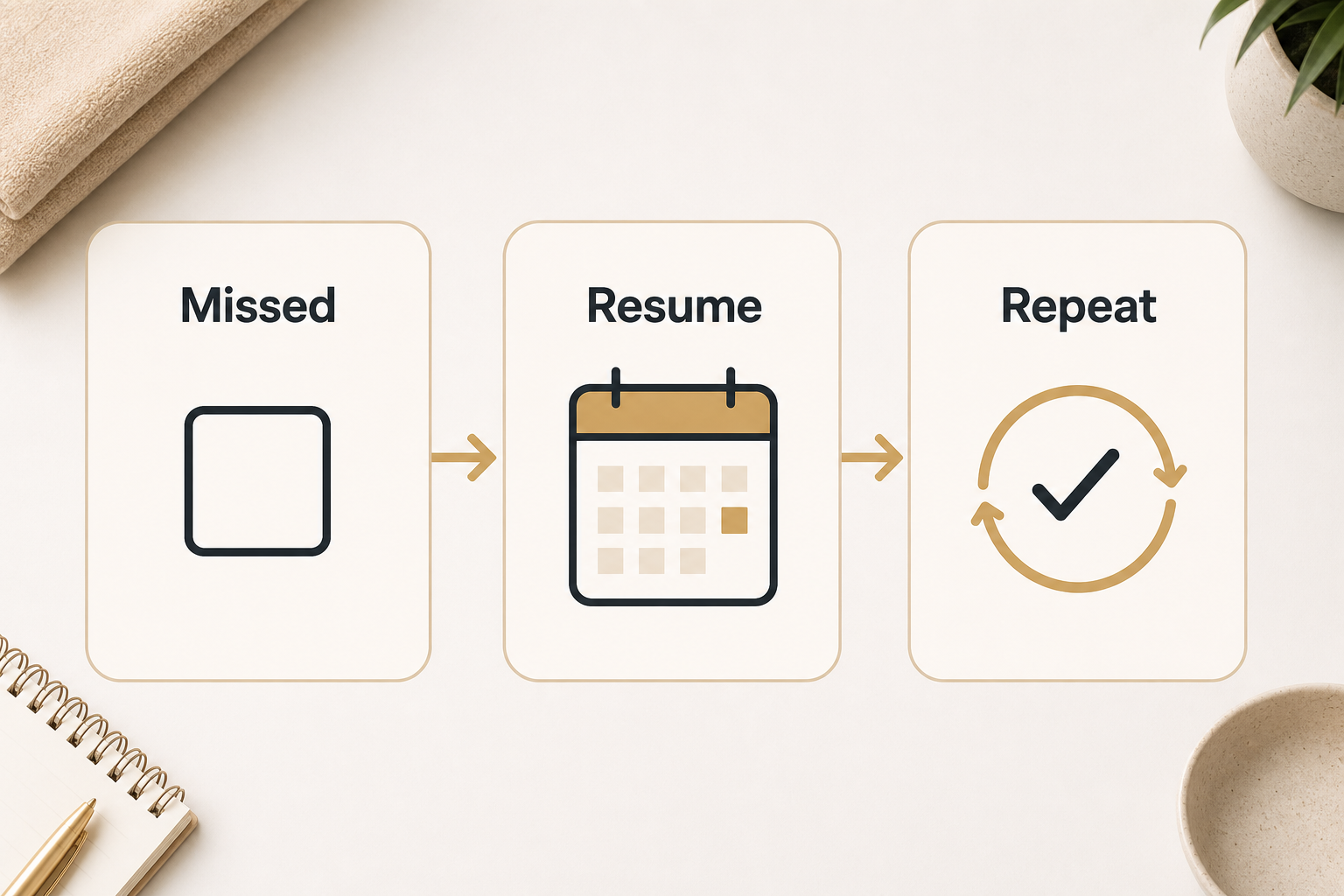
If missed rest days happen often, create a backup rule. For example, your main cue might be breakfast, but your backup cue might be your evening water bottle. If you travel, pack single-day servings where the product allows and keep them with another daily item, not loose in a bag you rarely open. A good habit design is forgiving. It gives you a clean way to resume without turning normal life into failure.
Who should be more cautious with rest-day creatine?
People with kidney-related concerns, those taking medication, pregnant or nursing individuals, and anyone managing a medical condition should speak with a qualified healthcare professional before starting creatine or changing supplement routines. Rest-day consistency is a habit strategy, not medical advice. Personal context matters more than a general article can capture.
People with sensitive digestion should also keep the test simple. Follow the label, consider pairing the serving with food or water if directions allow, and avoid adding multiple new supplements at once. If discomfort persists, stop and reassess. AIDEVI's article on why well-designed evidence matters is a useful reminder that general evidence still needs to be interpreted through individual tolerance and context.
Also be careful with multi-ingredient products. A plain creatine gummy and a performance gummy that includes caffeine or other active ingredients are not the same timing decision. Rest-day use of a stimulant-containing product may be inappropriate for some people, especially if it affects sleep, anxiety, or total daily caffeine intake. AIDEVI's data-driven supplement innovation perspective supports this kind of label-aware thinking: define the ingredient, define the use case, then decide whether it fits.
How should rest-day creatine fit into the whole training system?
Rest-day creatine should be a small part of a bigger recovery system. A rest day may include walking, mobility, meal prep, hydration, sleep, and planning the next session. It may also be a full day away from structured exercise. Either way, the goal is to support the next block of training rather than chase a single supplement feeling. AIDEVI's athlete performance and recovery guide reinforces the same principle: recovery is not wasted time; it is part of the performance loop.
The best rest-day routine is therefore deliberately boring. Follow the label, keep the cue simple, do not stack unnecessary products, and evaluate the habit over weeks rather than hours. AIDEVI's science-led wellness approach fits this decision well because it favors clear ingredients, practical quality thinking, and routines that people can actually understand.
Conclusion
For most people using creatine as part of a strength or muscle-building routine, rest days can be part of the same consistent habit. The point is not that rest days are special; it is that creatine is usually easier to manage as a regular label-guided routine than as a workout-only decision. Choose a cue that works every day, keep the rest of your training and recovery fundamentals in place, and treat missed days calmly by returning to the routine.
Frequently Asked Questions
Should I take creatine every day?
Many creatine routines emphasize regular use, but you should follow the specific product label and consider your personal health context. Daily cues often make consistency easier than workout-only cues.
Do creatine gummies work on rest days?
Rest-day use can make sense when gummies provide a clear creatine serving and fit a consistent routine. The format mainly helps with convenience and habit formation.
Can I skip creatine if I am not training today?
You can follow your product's directions, but skipping only because it is a rest day may make the habit harder to maintain. A daily cue can reduce confusion.
What happens if I miss one rest day?
Usually, the practical response is to resume your normal routine. Do not double up unless the label specifically tells you to do so.
Should I take creatine before bed on rest days?
Evening may work if it is comfortable and the product has no ingredients that conflict with sleep. Read the full label, especially if the product includes actives beyond creatine.
References
- [1] International Society of Sports Nutrition position stand: safety and efficacy of creatine supplementation in exercise, sport, and medicine.
- [2] Common questions and misconceptions about creatine supplementation: what does the scientific evidence really show?
- [3] U.S. Food and Drug Administration: Questions and Answers on Dietary Supplements.
Individual results may vary. Consult a healthcare professional before starting any new supplement, especially if pregnant, nursing, taking medication, or managing a medical condition. These statements have not been evaluated by the Food and Drug Administration. This product is not intended to diagnose, treat, cure, or prevent any disease.
