



AIDEVI Wellness Guide
Ergothioneine vs Glutathione: Which Antioxidant Fits Your Routine?
Ergothioneine and glutathione are both important names in antioxidant wellness, but they are not interchangeable. Ergothioneine is a diet-derived compound often discussed for cellular resilience and healthy aging, while glutathione is a body-made tripeptide central to redox balance. The smarter choice is not the ingredient that sounds strongest; it is the one that fits your goal, formula, label, and overall supplement routine.
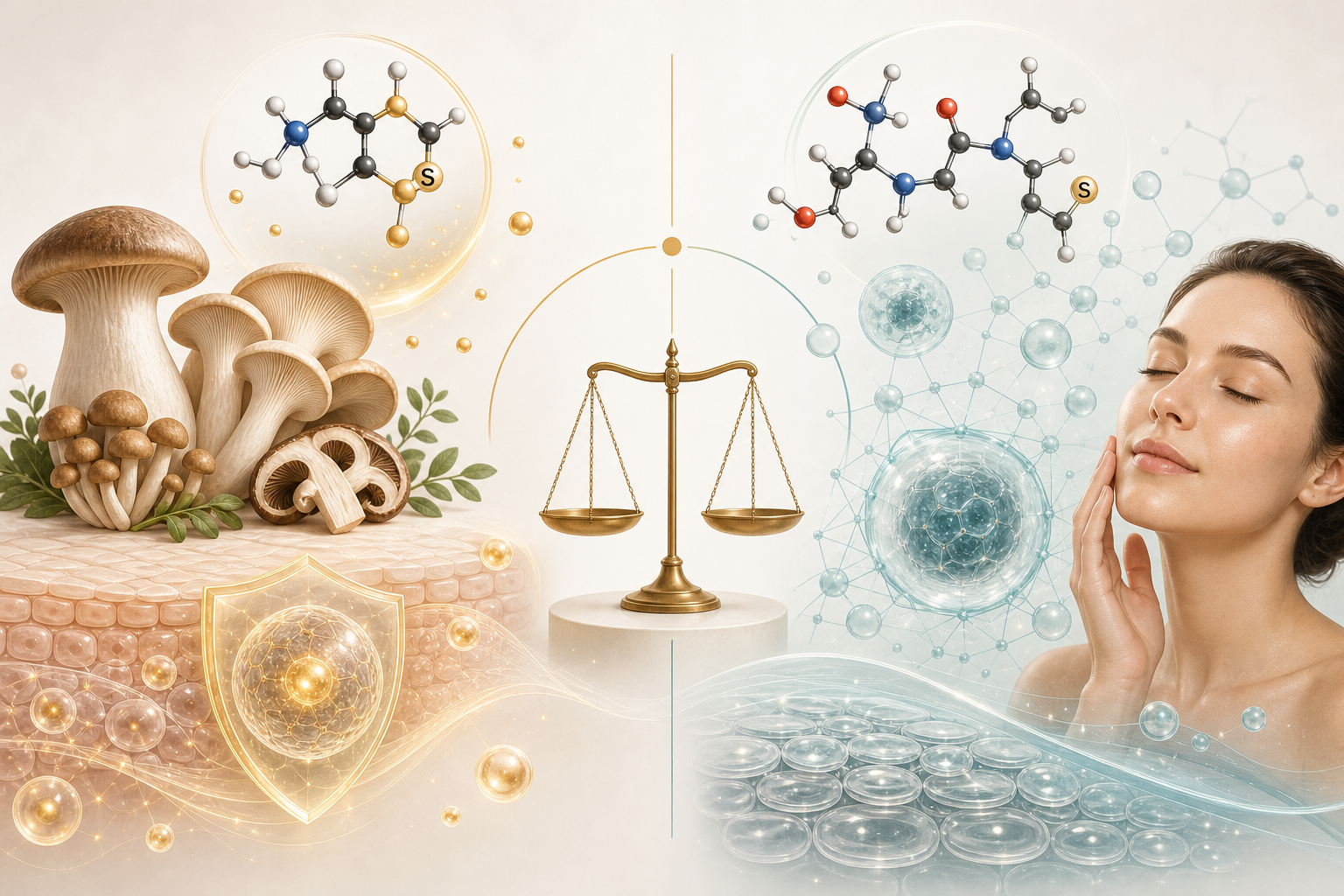
- Ergothioneine, or EGT, is obtained from the diet and has a dedicated transporter that makes it scientifically interesting for cellular antioxidant discussions.
- Glutathione, or GSH, is made inside the body from amino acids and helps maintain redox balance as part of a wider antioxidant network.
- EGT is usually a better fit for focused healthy-aging and cellular-resilience positioning, while glutathione formulas often fit redox support or bright-looking tone goals.
- Neither ingredient should be presented as a cure, instant detox shortcut, guaranteed anti-aging solution, or guaranteed skin transformation.
Content
How are ergothioneine and glutathione different?
Ergothioneine is a sulfur-containing compound made by certain fungi and microorganisms. Humans do not make meaningful amounts on their own, so it is obtained through foods such as mushrooms or through supplement products. One reason researchers pay attention to EGT is the presence of a specific transporter, often discussed as OCTN1, that helps move ergothioneine into cells and tissues [1]. That does not make EGT a miracle ingredient, but it does make it different from many general antioxidant compounds.
Glutathione is built differently. It is a tripeptide made from glutamate, cysteine, and glycine, and it is naturally present in cells. It participates in redox balance, works with glutathione-related enzymes, and helps the body maintain an internal antioxidant network [2]. That is why shoppers often see glutathione described as a central antioxidant. The more careful interpretation is that glutathione has a central biological role, while oral glutathione products still need to be judged by form, label quality, and realistic expectations.
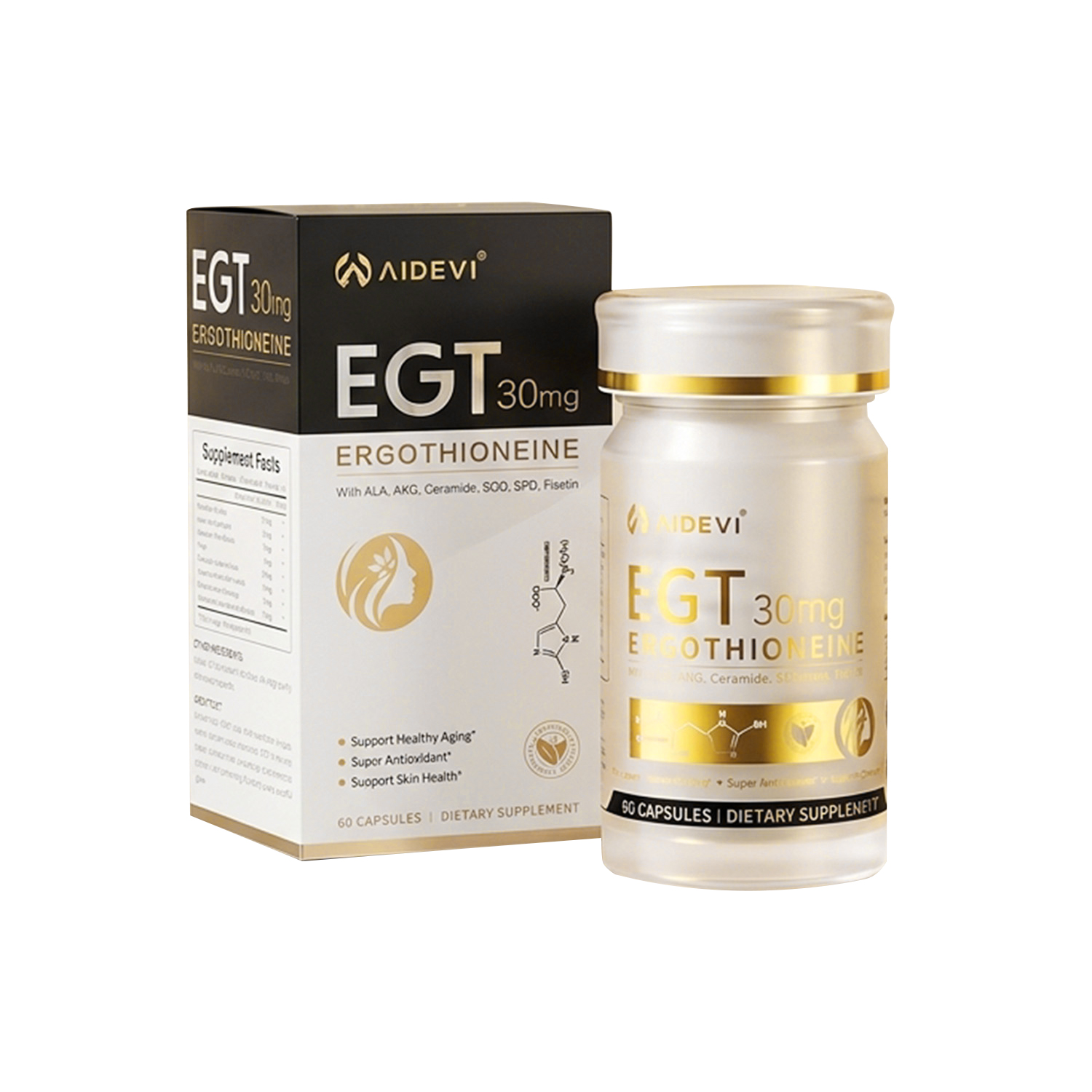
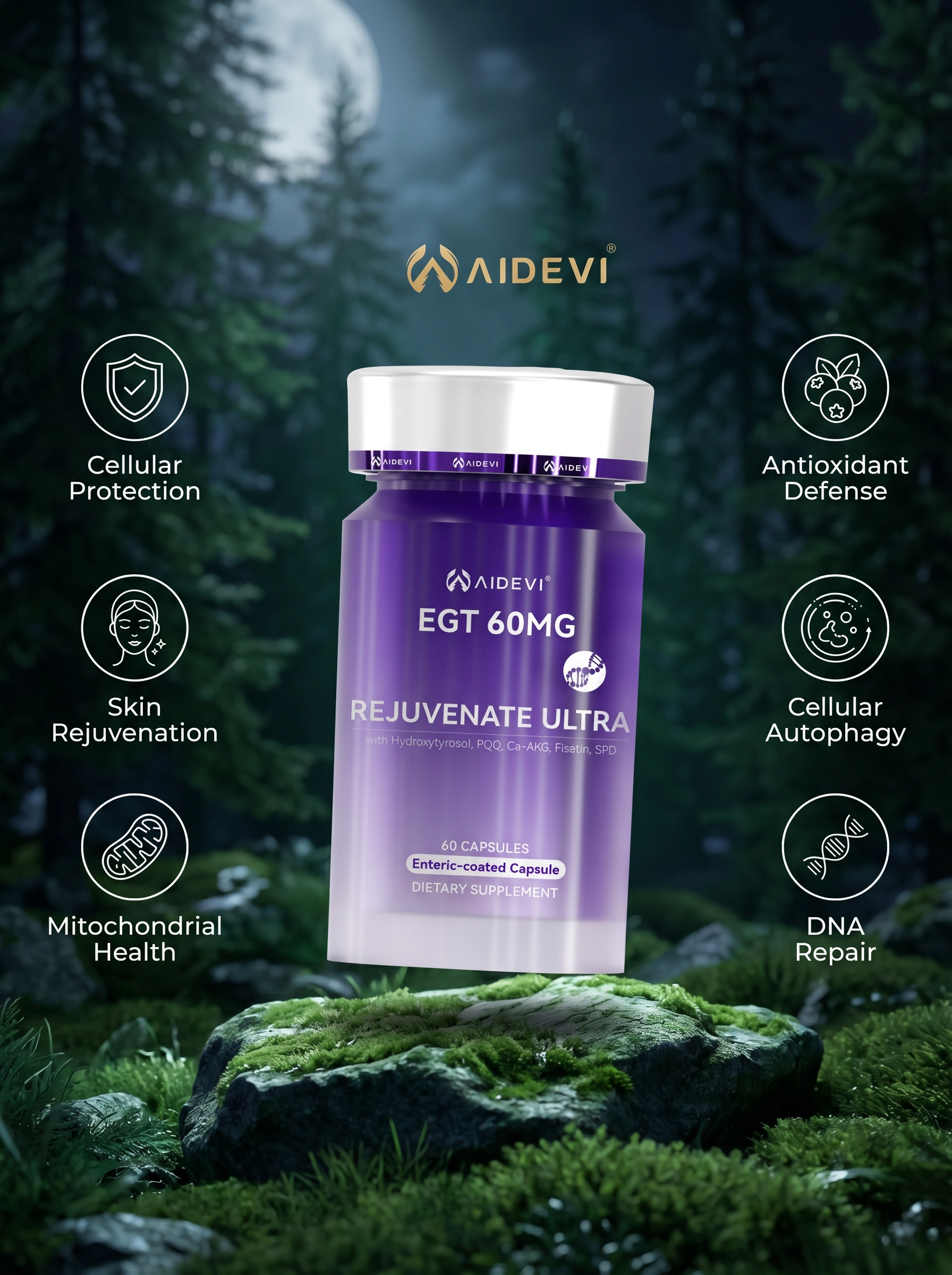
This is the first mistake in many comparisons: treating EGT and glutathione as two versions of the same supplement. They sit under the antioxidant umbrella, but they answer different buying questions. If you want deeper background on EGT first, AIDEVI's guide to ergothioneine as an antioxidant compound explains why it has become visible in longevity conversations. If you want to see how a focused EGT product is positioned, the AIDEVI EGT ergothioneine product is a practical label-review starting point.
Which antioxidant is better for which goal?
The best answer depends on the job you want the ingredient to do. Ergothioneine usually fits a routine built around cellular antioxidant resilience, healthy-aging support, environmental stress, and a cleaner "one focused ingredient" approach. Glutathione is usually discussed when the goal is redox network support, bright-looking tone, or formulas that position themselves around the body's internal antioxidant systems. Both can be useful topics. Neither should be chosen only because a headline calls it stronger.

| Decision factor | Ergothioneine | Glutathione |
|---|---|---|
| Best-fit goal | Focused cellular antioxidant support and healthy-aging routines. | Redox network support or beauty-from-within formula positioning. |
| Natural source story | Often associated with mushrooms and diet-derived antioxidant intake. | Made by the body from amino acids and supported by protein nutrition. |
| Common marketing risk | Overstated longevity, cellular protection, or "most powerful" claims. | Overstated detox, whitening, or rapid transformation claims. |
| Smart buyer question | Does this add a clear EGT role without duplicating my current antioxidants? | Is the form, formula, and expectation clear enough to justify adding it? |
For a longevity-oriented shopper, EGT often feels more direct because it is a distinctive compound with a specific identity. It can pair naturally with a routine that also considers cellular energy, sleep, protein intake, and overall oxidative-stress balance. For a shopper comparing antioxidant beauty formulas, glutathione may appear more often because many skin-radiance products position it with vitamin C, carotenoids, white tomato, or other tone-support ingredients. Those are different use cases, and the label should make the use case obvious.
A useful rule is to avoid abstract strength rankings. A laboratory antioxidant score, a dramatic headline, or a phrase like "master antioxidant" does not tell you whether a product fits your body, your routine, or your budget. A practical comparison asks whether the product states the active ingredient clearly, avoids exaggerated claims, has a reasonable serving format, and fills a real gap. AIDEVI's guide to a daily antioxidant supplement routine is a useful companion when you want to compare ingredients without turning your shelf into a crowded experiment.
Which one makes more sense for skin and beauty?
For skin and beauty goals, the better ingredient depends on the promise being made. EGT can make sense when the goal is broad antioxidant support for healthy-looking aging and cellular resilience. Glutathione-containing formulas may make sense when the goal is bright-looking tone or a beauty-from-within routine. The important boundary is that neither ingredient should be framed as a guaranteed solution for wrinkles, dark spots, melasma, acne, or any skin condition.
Skin appearance is influenced by sunscreen use, sleep, stress, hydration, protein intake, genetics, hormones, topical irritation, and time. Supplements can support a wellness routine, but they cannot replace sun protection or professional care for persistent concerns. AIDEVI's article on supplements versus skincare products is worth reading alongside this comparison because it separates what oral routines can reasonably support from what topical skincare is designed to do.
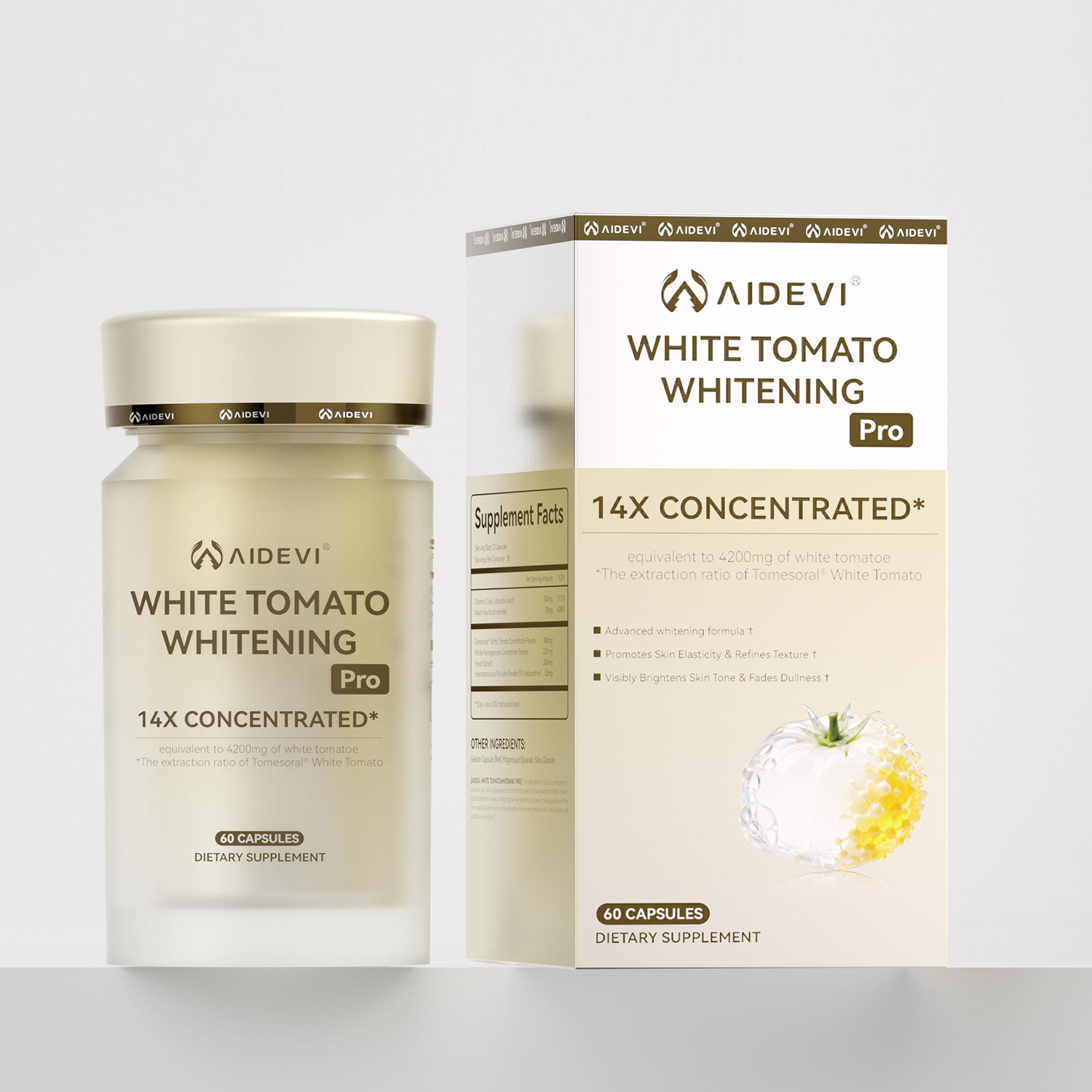
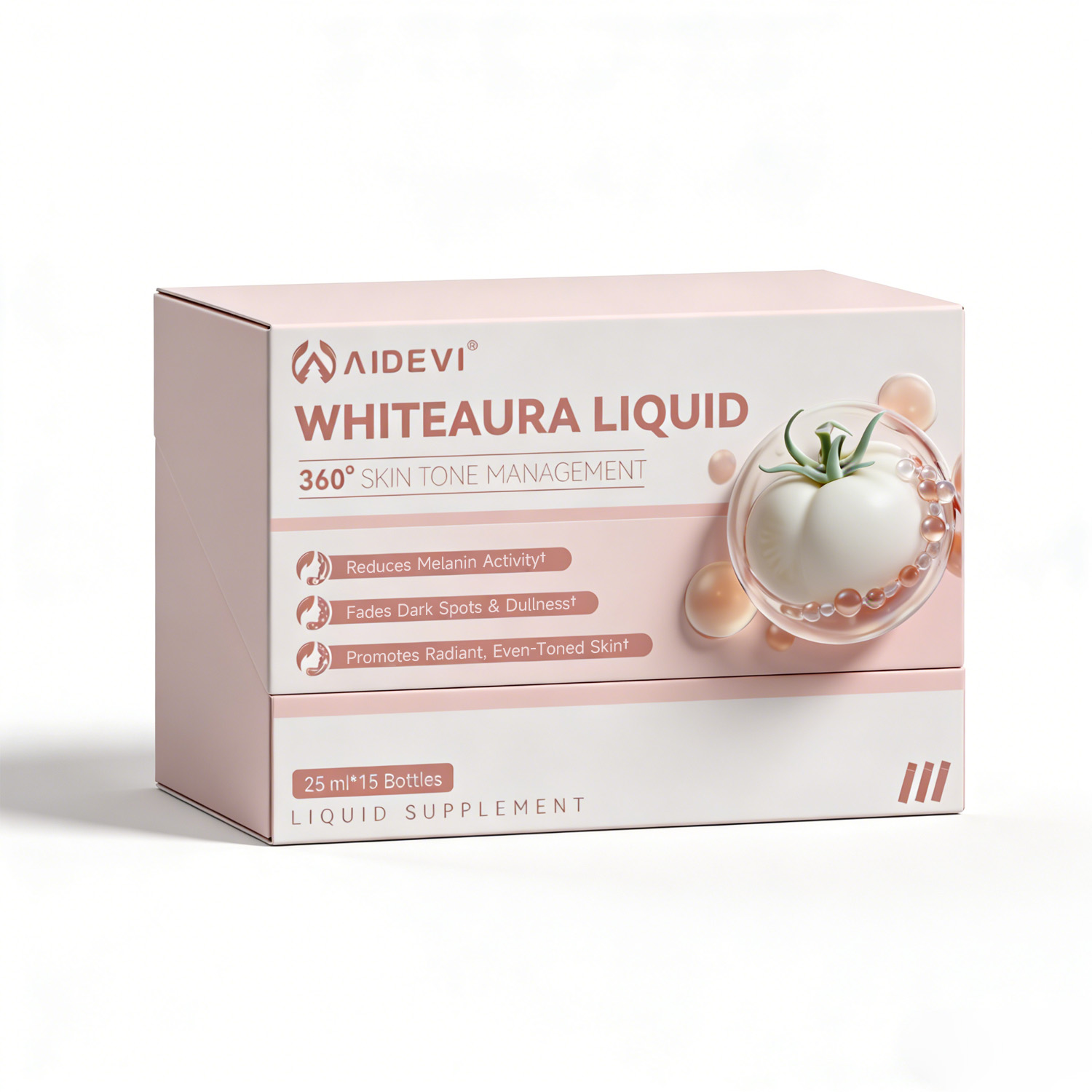
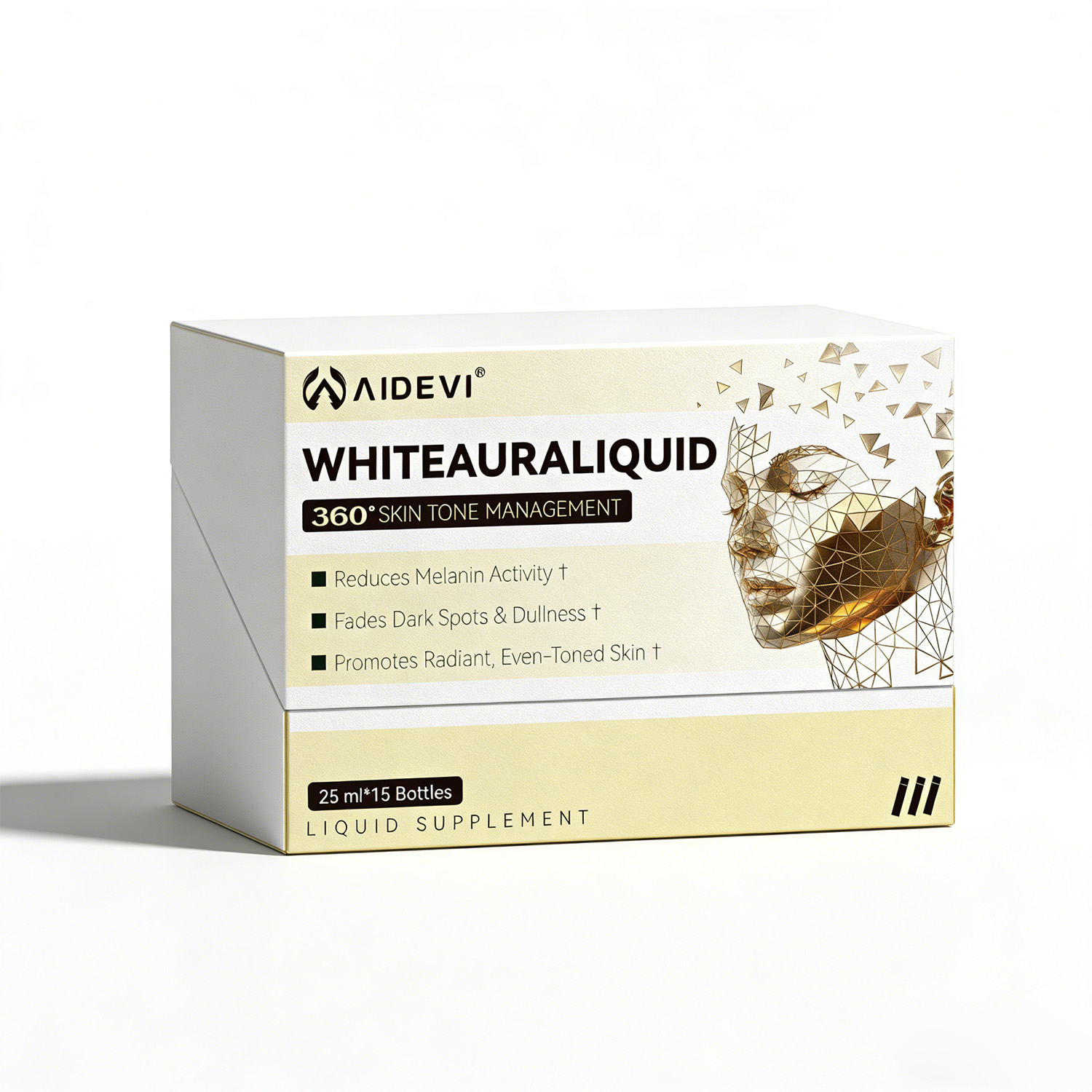
If you are comparing a glutathione beauty product with an EGT product, compare the full formula rather than the hero ingredient alone. A glutathione product may include other tone-support ingredients, while an EGT product may be more focused on antioxidant resilience. For example, the AIDEVI White Tomato Glutathione liquid supplement sits in a different beauty-support lane from a standalone EGT capsule. That does not mean one is universally better; it means the use case is different.
How do you choose without over-stacking?
Start with one sentence: "I am choosing this ingredient because it supports this specific goal." For ergothioneine, that sentence might be about adding a focused EGT antioxidant to a healthy-aging routine. For glutathione, it might be about choosing a formula designed around redox support or bright-looking tone. If your sentence becomes vague, such as "I want the strongest antioxidant for everything," pause. Vague goals are where over-stacking begins.
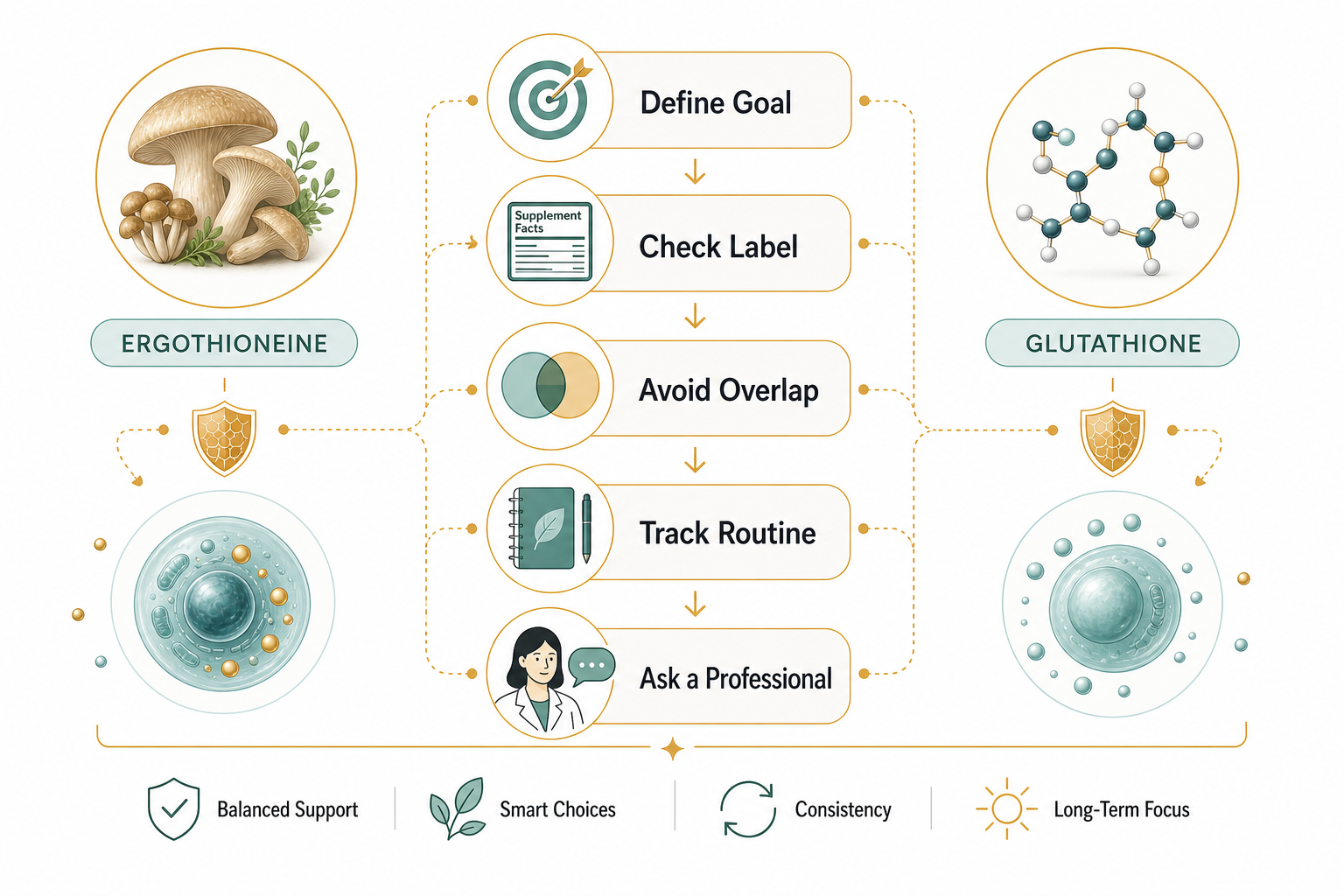
Then audit your current routine. Write down every antioxidant or antioxidant-adjacent product you already use: multivitamin, vitamin C, resveratrol, astaxanthin, grape seed extract, CoQ10, nmn-related formulas, beauty drinks, powders, and capsules. Circle the two that most directly match your current goals. Put a question mark next to ingredients you take mainly because they sounded impressive. This simple exercise often reveals whether EGT or glutathione would add clarity or create more overlap.
If you are drawn to EGT because you want to compare it with other antioxidants, two adjacent AIDEVI guides can help: ergothioneine versus astaxanthin and ergothioneine versus grape seed extract. Read them with the same lens: not "which wins forever," but "which ingredient has the best fit for this specific routine?" The cleaner routine is often the one you can follow consistently and evaluate honestly.
Also check whether you can run a clean trial. If you start EGT, glutathione, vitamin C, a new collagen powder, and a new serum in the same week, you will not know what helped, what did nothing, or what caused discomfort. A more useful approach is to add one meaningful change, follow label directions, keep the rest of your routine stable, and track practical signals such as consistency, digestive comfort, skin appearance, perceived energy, and whether the product is easy to remember.
Choose EGT when you want a focused cellular-resilience antioxidant with healthy-aging positioning. Choose a glutathione-focused formula when your goal is redox network support or bright-looking tone. Combine them only if each ingredient has a clear role and the formula does not duplicate what you already take.
Can you take EGT and glutathione together?
Some supplement routines may include both EGT and glutathione, but combining them should be intentional. More antioxidants do not automatically make a routine more advanced. The main question is whether each ingredient has a clear job, whether the total formula load is reasonable, and whether you can still tell what is helping or bothering you. If the product already includes several antioxidants, adding another standalone antioxidant may make the routine harder to interpret.
Safety context matters too. EFSA has evaluated synthetic L-ergothioneine for specified novel-food uses, but that does not automatically validate every dose, stack, product format, or marketing claim [3]. With glutathione, the key consumer issue is often not whether glutathione matters biologically, but whether a specific product form and routine make sense for the person using it. The cautious approach is to follow label directions, avoid high-dose stacking unless advised, and ask a healthcare professional if you are pregnant, nursing, taking medication, managing a medical condition, or planning a complex supplement routine.
Finally, be careful with "detox" language. Glutathione participates in important biological processes, but consumer detox claims can become vague quickly. A supplement should not be used to offset poor sleep, high stress, excessive UV exposure, heavy alcohol intake, or a nutrient-poor diet. If your antioxidant routine is meant to support long-term wellness, pair it with habits that make the routine more believable: colorful foods, adequate protein, hydration, movement, sleep, and sun protection.
Conclusion
Ergothioneine and glutathione both belong in antioxidant conversations, but they are useful for different reasons. EGT is a distinctive diet-derived compound with strong cellular-resilience appeal. Glutathione is a body-made tripeptide central to redox balance and antioxidant network discussions. The best choice is not the one with the loudest claim. It is the one that fits your goal, label, formula, routine complexity, and safety context.
Frequently Asked Questions
Is ergothioneine the same as glutathione?
No. Ergothioneine is a diet-derived sulfur-containing compound commonly associated with mushrooms, while glutathione is a tripeptide made in the body from amino acids. They are both discussed around antioxidant support, but they are not the same ingredient.
Is glutathione stronger than ergothioneine?
"Stronger" is not the best buying standard. The two ingredients have different biological roles, supplement positioning, and formula considerations. A focused EGT product may fit one routine better, while a glutathione formula may fit another. Match the product to the goal.
Which is better for skin support?
EGT may fit broad healthy-aging and antioxidant-resilience goals, while glutathione formulas often appear in bright-looking tone products. Neither ingredient should be treated as a guaranteed skin transformation or a substitute for sunscreen, skincare basics, or professional advice.
Can I take EGT and glutathione together?
Some people may use both, but the combination should have a clear purpose. Check for overlapping antioxidants, avoid adding several new products at once, and consult a healthcare professional if you take medication, manage a medical condition, or are considering high-dose combinations.
What should I check before buying either supplement?
Look for the exact ingredient name, amount per serving, serving directions, other active ingredients, quality cues, and responsible structure/function language. Be skeptical of products that promise instant detox, rapid whitening, guaranteed anti-aging, or results that sound medical.
References
Individual results may vary. Consult a healthcare professional before starting any new supplement, especially if pregnant, nursing, taking medication, or managing a medical condition.
These statements have not been evaluated by the Food and Drug Administration. This product is not intended to diagnose, treat, cure, or prevent any disease.
