



AIDEVI Wellness Guide
Daily Antioxidant Stack: How to Avoid Ingredient Overlap
A smart daily antioxidant stack is not built by adding every popular antioxidant to the same shelf. It is built by choosing a clear goal, checking whether food already covers part of that goal, reading labels side by side, and making sure each supplement has a distinct role. Ergothioneine, CoQ10, PQQ, vitamin C, polyphenols, and NAD-support nutrients can all appear in healthy-aging routines, but overlap becomes a problem when the same benefit, ingredient, timing, or blended formula repeats without a reason.
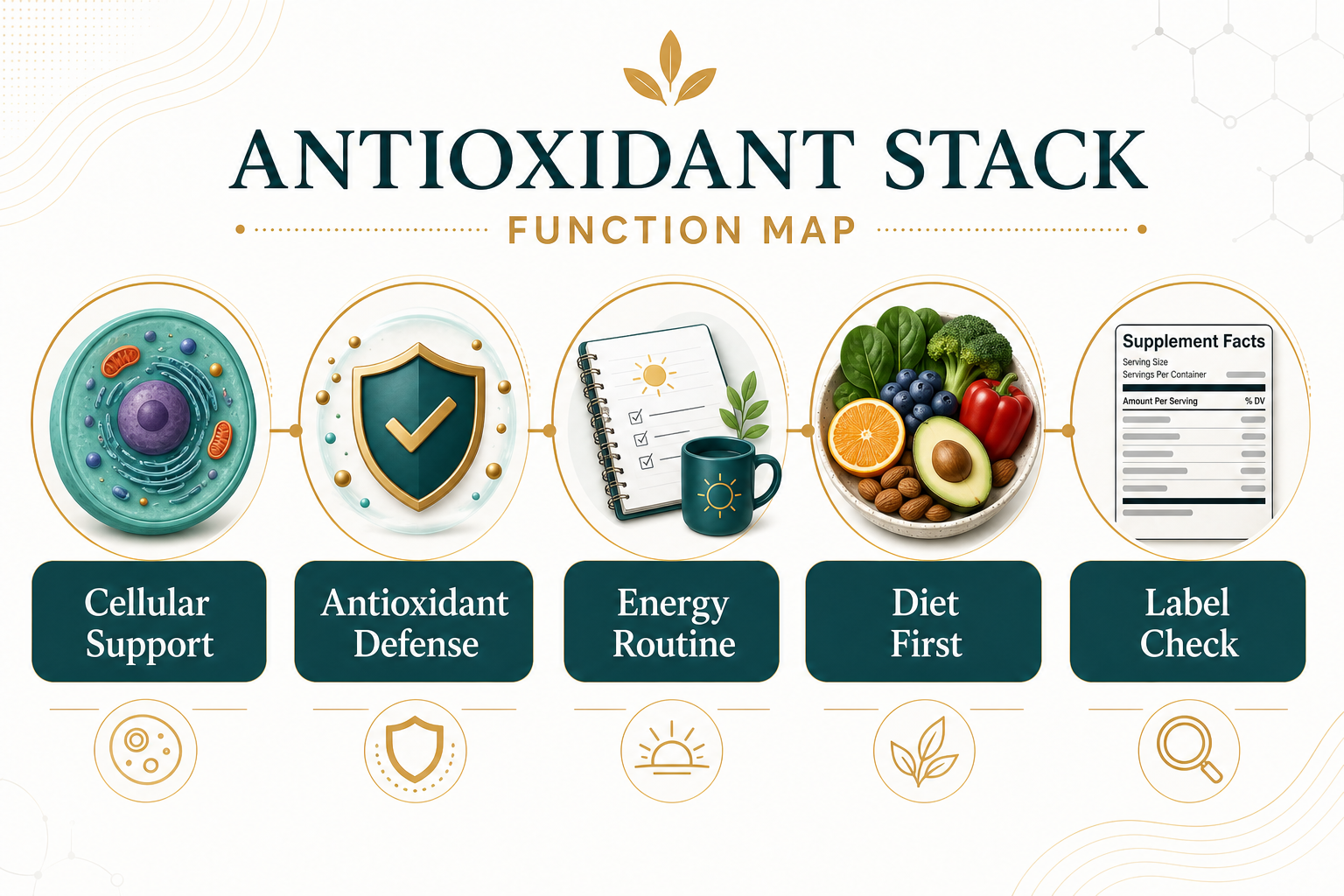
- Start with the wellness job you want the stack to do: antioxidant defense, cellular support, energy routine, skin radiance, or diet gap support.
- Check for overlap by comparing goals, active ingredients, blends, timing, and serving directions.
- Food quality still matters; supplements should simplify a routine, not replace a colorful diet.
- If you take medication, manage a medical condition, or use several supplements already, ask a healthcare professional before expanding the stack.
Content
What is a daily antioxidant stack?
A daily antioxidant stack is a planned routine that combines diet habits and selected supplements to support the body's normal antioxidant defenses. The word “stack” can sound advanced, but the best version is usually simple. It might include colorful foods, regular sleep, movement, hydration, and one or two targeted supplements that fit a clear purpose. The stack becomes messy when every new antioxidant trend is added without asking what role it plays.
Antioxidants are often discussed because oxidative stress is part of normal biology and is influenced by many lifestyle factors. Authoritative health resources describe antioxidants as compounds that can help neutralize free radicals, while also cautioning that supplement results vary by nutrient, dose, person, and study design [1]. That nuance matters. A supplement stack should not be treated as a guarantee, a cure, or a shortcut around diet quality.
For AIDEVI readers, the useful starting point is education. A general buyer can begin with the daily guide to choosing a good antioxidant supplement, then narrow the decision based on personal goals. If the goal is healthy aging and cellular resilience, EGT may be one of the ingredients to understand. If the goal is energy routine, CoQ10, PQQ, or NAD-support nutrients may enter the conversation. The issue is not whether these ingredients are interesting. The issue is whether your routine gives each one a reason to be there.
Why does ingredient overlap happen?
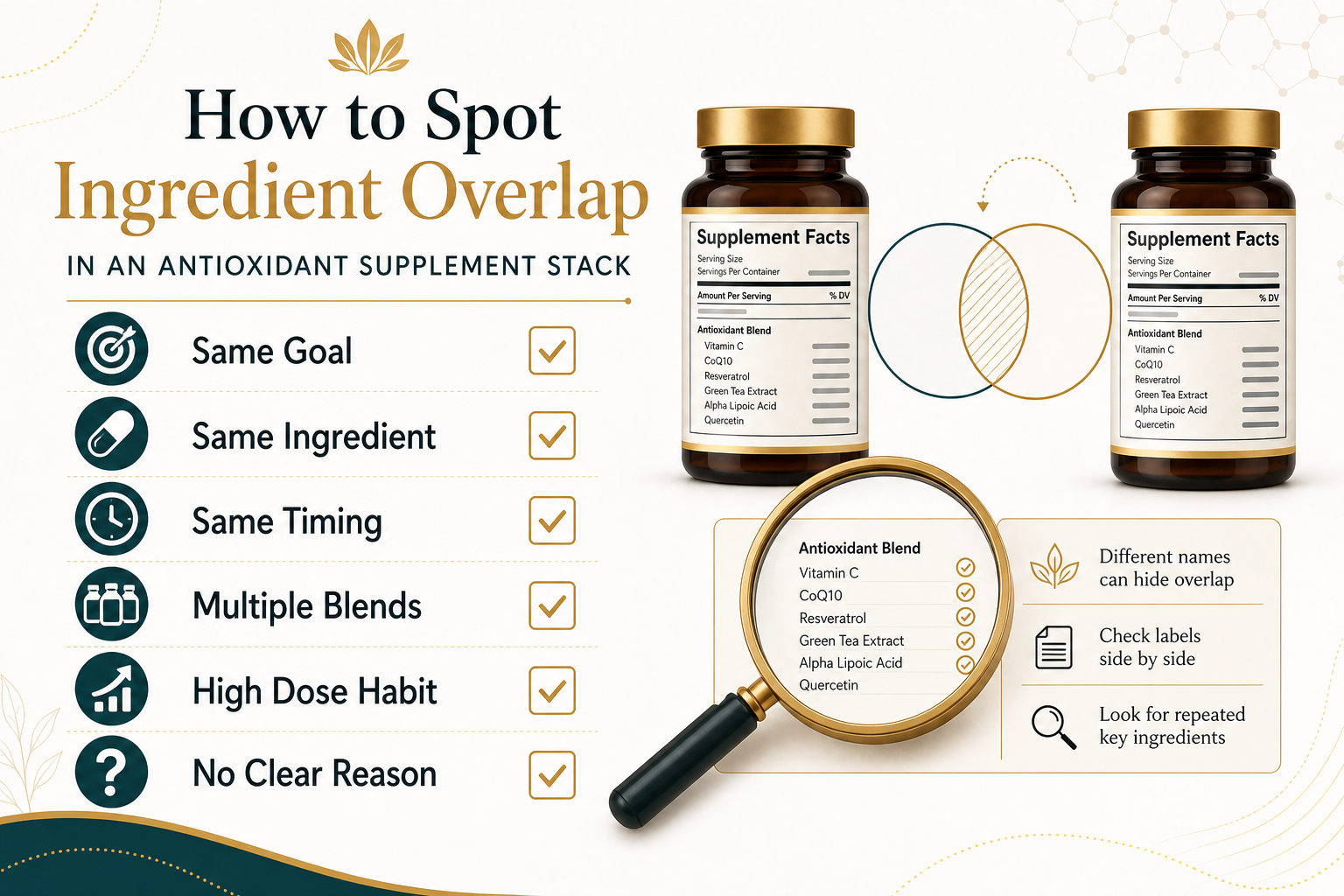
Overlap happens because supplement labels often describe similar benefits with different language. One bottle may say antioxidant support, another may say cellular resilience, another may say healthy aging, and another may say energy support. Those phrases can point to different mechanisms, but they can also hide repetition. Two products may contain the same ingredient, similar botanical extracts, or multiple compounds aimed at the same wellness goal.
The second reason is blended formulas. A single product might contain several antioxidant-support ingredients, which can be convenient when the formula is intentional. But if you add three blends together, you may duplicate vitamin C, green tea extract, resveratrol, alpha lipoic acid, CoQ10, or other common antioxidant ingredients without realizing it. This is especially easy when one label lists a proprietary-style blend and another lists individual ingredients.
The third reason is goal drift. A shopper might begin with skin radiance, then add an energy product, then add a longevity product, then add a stress or recovery product. Each choice may make sense alone, but the routine can become too crowded. A simple antidote is to write one sentence before buying: “I am adding this because it does something my current routine does not already cover.” If that sentence is vague, the product may be optional rather than essential.
How do you map antioxidant roles?
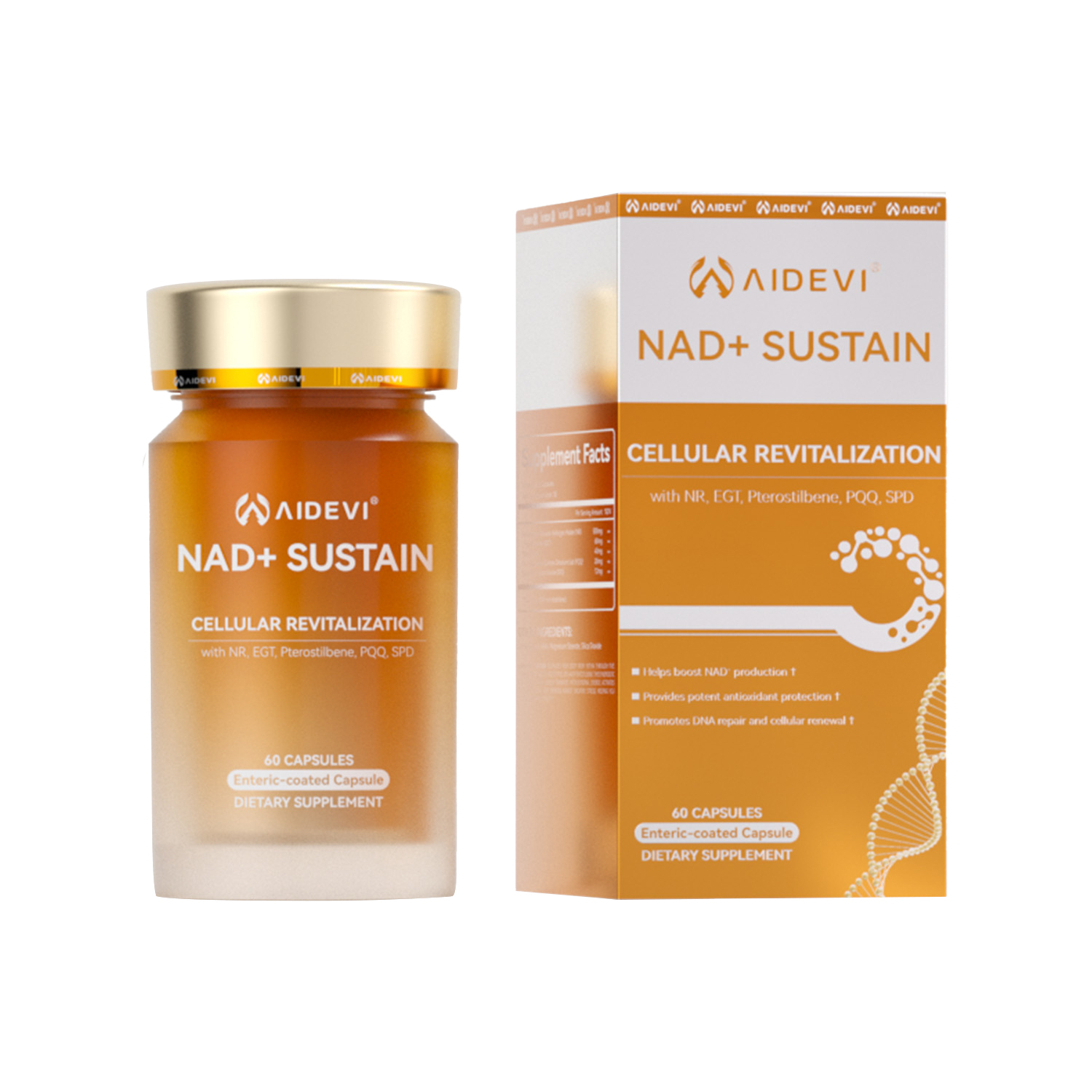
Map ingredients by role, not by popularity. Ergothioneine is commonly discussed as a diet-derived antioxidant compound with unusual biological handling and research interest in cellular protection pathways [2]. CoQ10 is often discussed in the context of cellular energy and antioxidant activity. PQQ is usually positioned around mitochondrial and energy-support routines. Vitamin C and polyphenol-rich foods often sit closer to diet-based antioxidant support. NAD-support nutrients such as nmn belong to a related but not identical cellular-energy conversation.
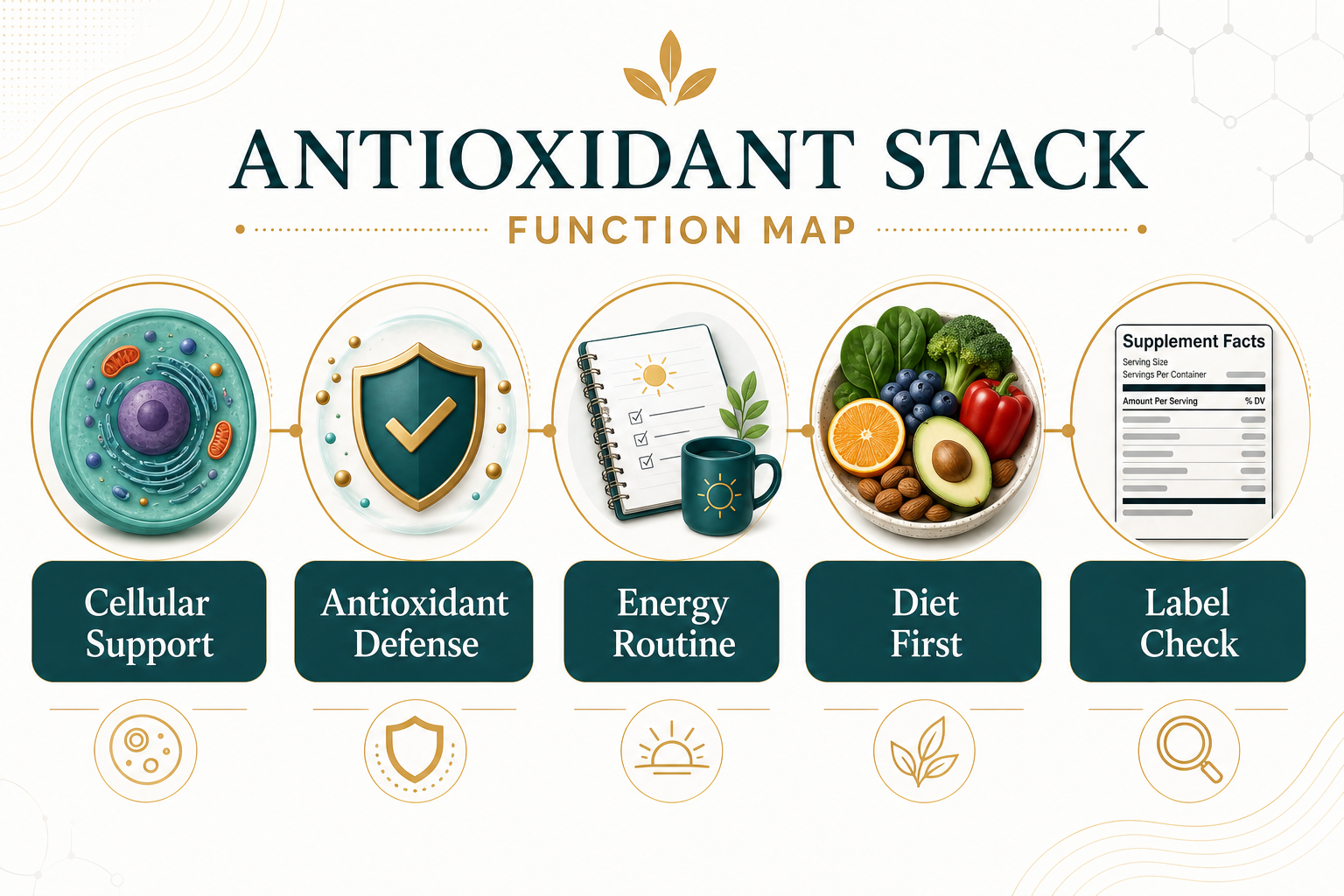
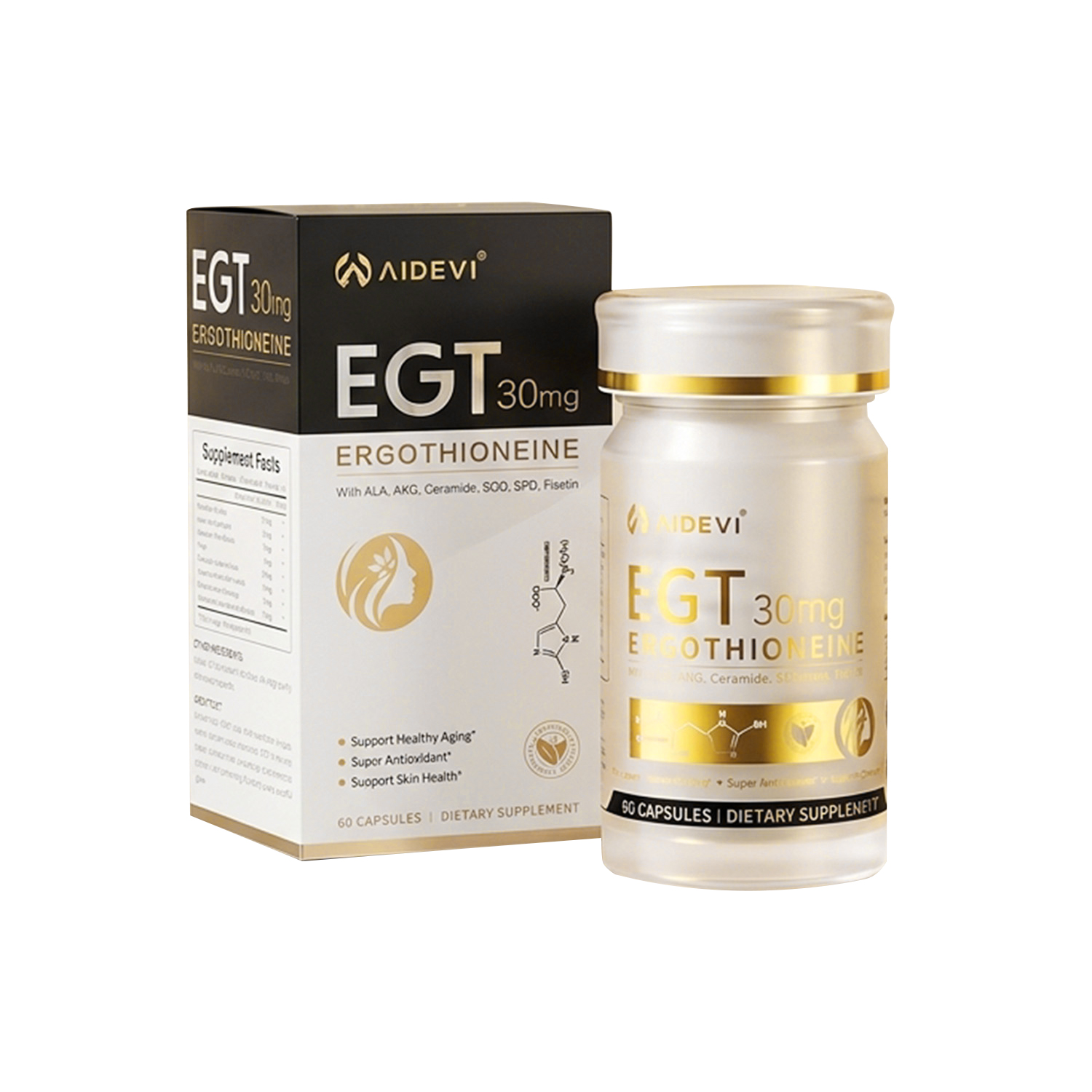
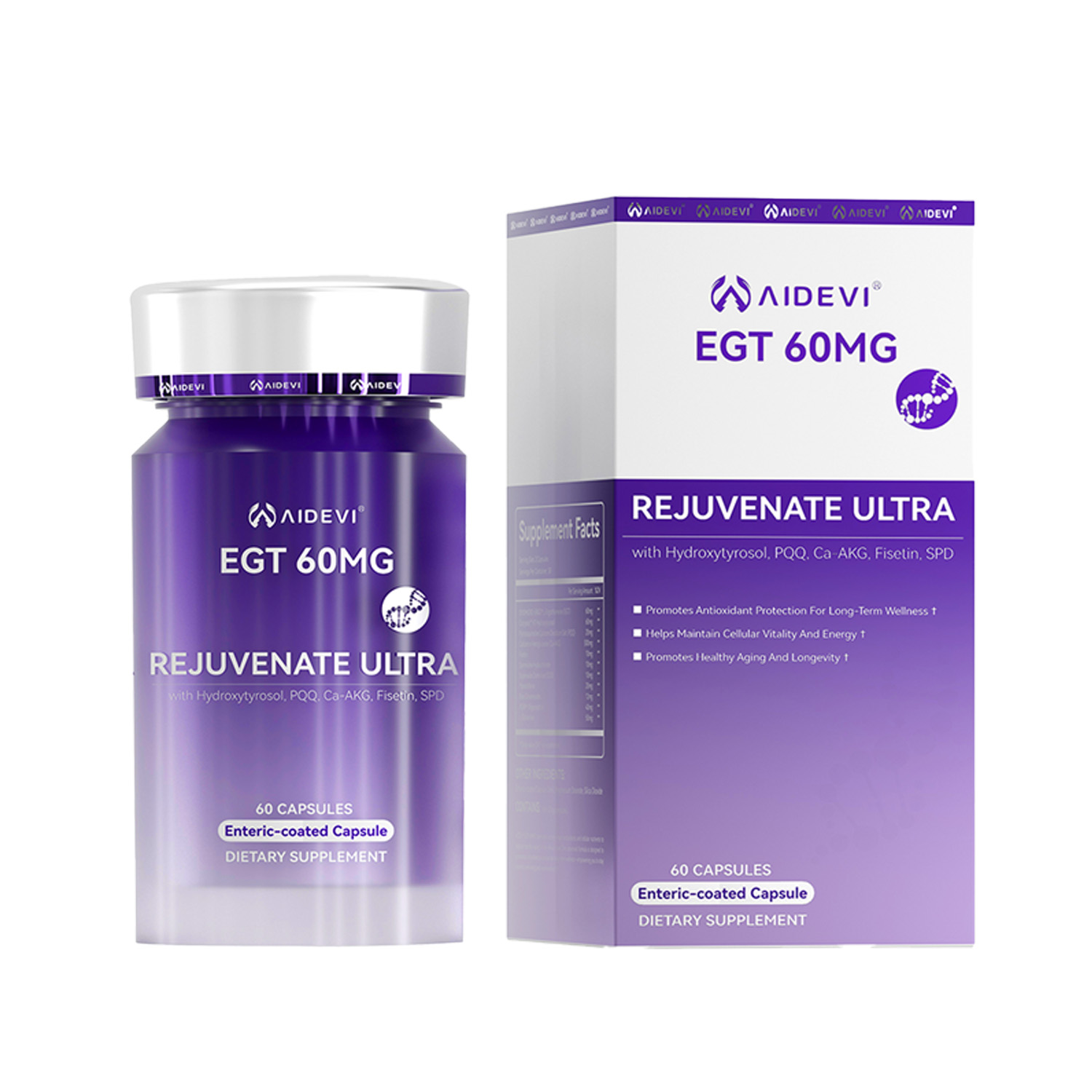
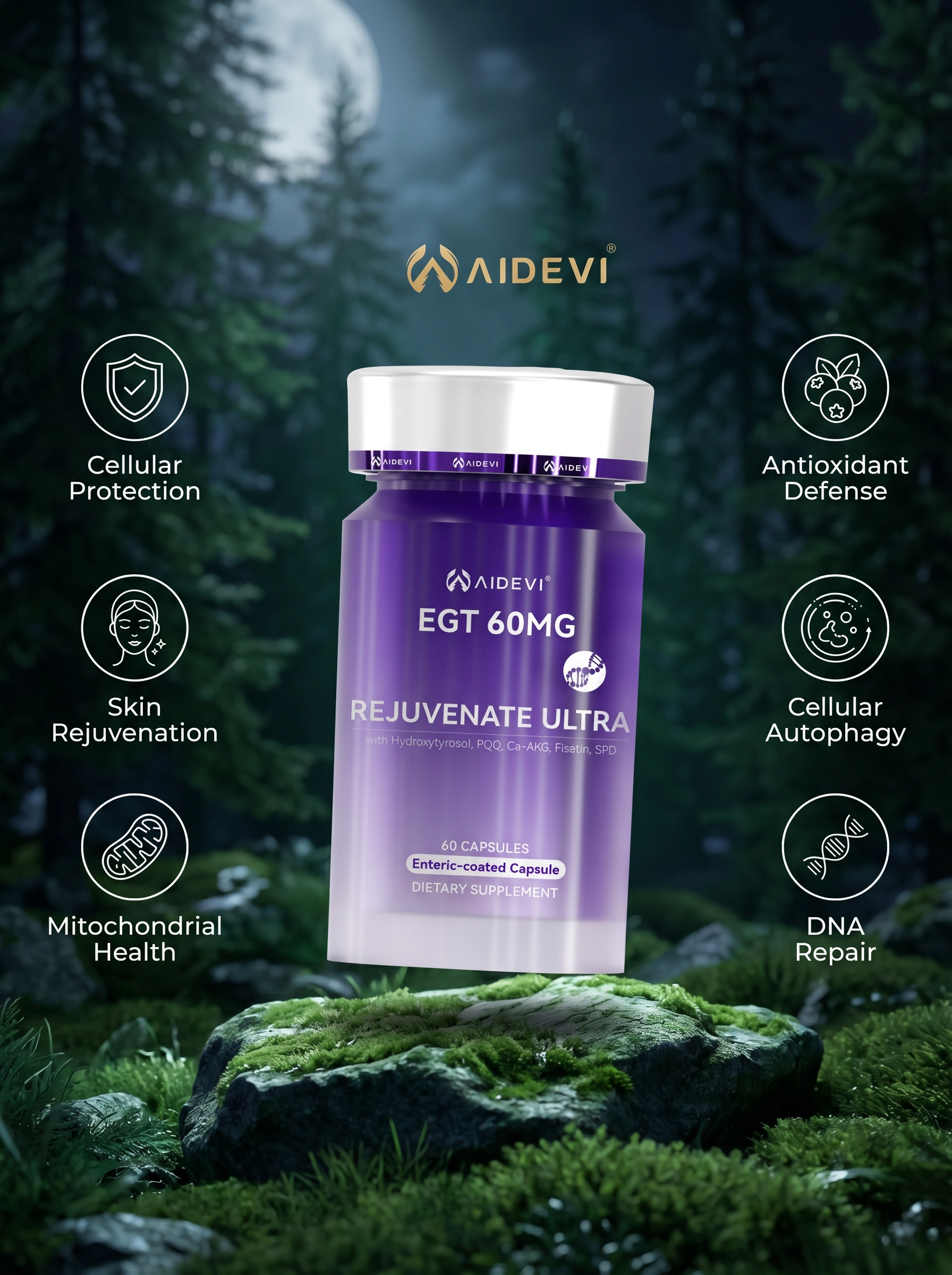
This is where EGT can be considered more thoughtfully. The AIDEVI EGT ergothioneine 25 mg capsule page is most relevant when someone wants a dedicated EGT-focused option rather than a broad blend. Readers who want the broader wellness background can also review the article on ergothioneine supplement and healthy-aging support. The practical question is whether EGT adds a distinct role or simply repeats a general “antioxidant” label you already have covered.
A helpful stack map uses three columns: goal, ingredient role, and reason to keep. For example, “support normal antioxidant defenses” might be covered by diet plus EGT. “Support cellular energy routine” might involve CoQ10, PQQ, or NAD support. “Support skin radiance” might rely more on diet, hydration, sleep, and skin-focused nutrients. Once each role is named, overlap becomes easier to spot.
| Stack Role | What to Ask | Overlap Warning |
|---|---|---|
| Diet antioxidant base | Am I eating colorful plants regularly? | Using supplements to replace basic food variety. |
| EGT focus | Do I specifically want ergothioneine in the routine? | Adding multiple EGT-containing formulas at once. |
| Energy support | Is this ingredient for energy metabolism, mitochondria, or NAD support? | Treating every energy product as if it were the same as an antioxidant product. |
How do you check labels for overlap?
Put labels side by side before you buy. First, circle repeated ingredients. Second, circle repeated goals. Third, check serving size and directions. Fourth, look for hidden overlap inside blends. Fifth, ask whether two products are meant for the same time of day or the same daily occasion. If two formulas both claim antioxidant support, both contain several plant extracts, and both are meant for daily use, you need a clear reason to keep both.
Combination products can still be useful when they solve a real routine problem. For example, a reader comparing an EGT-only approach with a more combined format may look at AIDEVI's EGT and PQQ liquid supplement article to understand why those ingredients may be discussed together. The key is to avoid adding a combined formula on top of several separate formulas that already cover the same ground.
CoQ10 is another common overlap point. If your routine already includes a mitochondrial or energy-support product, read the label before adding a second one. AIDEVI's article on whether CoQ10 is an antioxidant can help clarify why CoQ10 belongs in both antioxidant and energy conversations. That dual identity is useful, but it also means you should avoid counting it twice without noticing.
Before buying, do a five-minute overlap audit. Write the name of every antioxidant, longevity, energy, skin, and recovery supplement you currently use. Next to each one, write the main reason you take it. If two products have the same reason, compare their active ingredients. If two products share several ingredients, decide which one is more transparent, easier to take, and better aligned with your goal. If you cannot choose, that is a sign to pause rather than purchase.
This audit is especially helpful for ingredients with several names or identities. CoQ10 may appear as ubiquinone or ubiquinol. Vitamin C may appear as ascorbic acid or another form. Plant extracts may be listed by botanical name, common name, or standardized compound. EGT may appear as ergothioneine or L-ergothioneine. You do not need to become a chemist, but you do need to slow down enough to notice when two labels are talking about the same thing in different words.
How do you keep the stack simple?
Use a one-in, one-review rule. When you add a new antioxidant supplement, review everything else in the same category. Do not change five products in the same week. Give yourself enough consistency to notice whether the routine is comfortable, convenient, and worth continuing. If a supplement makes the day harder to manage, it may not belong in a daily stack, even if the ingredient is interesting.
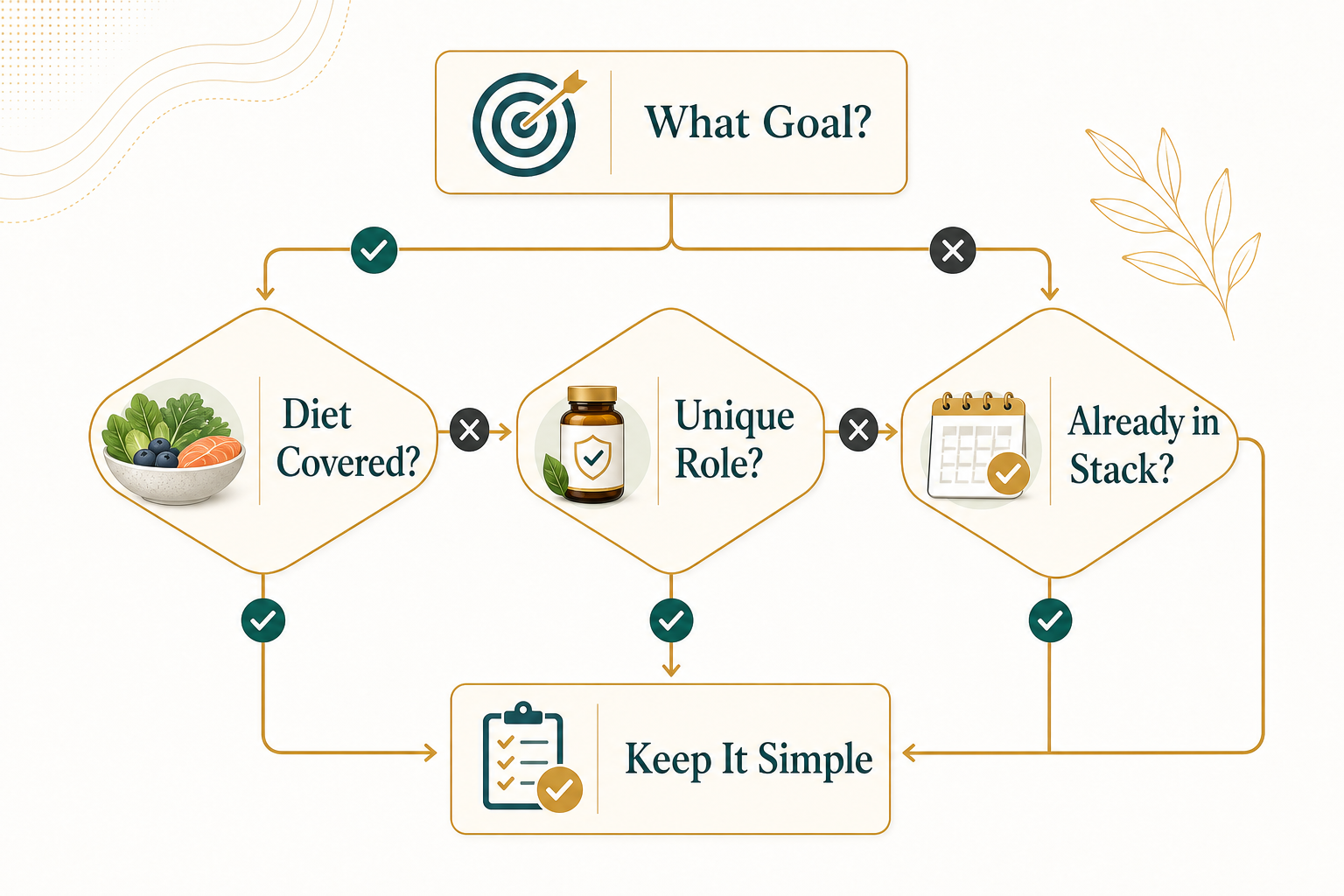
A simple stack also respects food. The article on ergothioneine supplements in a balanced diet is a good reminder that EGT belongs in a broader food-and-routine context. Mushrooms, fruits, vegetables, nuts, tea, and other plant foods may contribute antioxidant compounds or related nutrients. A supplement can add structure, but it should not become an excuse to ignore the plate.
For women building a healthy-aging routine, overlap can also happen between NMN, EGT, CoQ10, collagen, skin-focused products, and general multivitamin-style formulas. The AIDEVI guide to women over 40, NMN, and ergothioneine for healthy aging is useful because it separates cellular support themes rather than treating every ingredient as interchangeable. That kind of separation is exactly what a stack needs.
Sometimes the best stack improvement is subtraction. Remove a product when its role is unclear, when it duplicates another formula, when you only take it because it was popular online, or when the directions make your day harder. You can also rotate priorities by season or goal instead of keeping every product year-round. For example, a skin-focused routine, an energy-support routine, and an antioxidant-defense routine may not all need to be maximized at the same time.
A routine review once a month is enough for many people. Put all bottles on the table, discard expired products, check which labels overlap, and ask whether each item still has a job. If a supplement no longer earns its place, removing it can make the remaining routine easier to follow. Consistency often improves when the stack is smaller, clearer, and tied to a real daily habit such as breakfast or an evening wellness checklist.
Safety is part of simplicity. Dietary supplements can affect people differently, and FDA consumer guidance encourages shoppers to talk with healthcare professionals, especially when using medications or managing health conditions [3]. The more products you combine, the more important this becomes. A short routine you understand is usually better than a long routine you cannot explain.
Conclusion
A daily antioxidant stack should feel organized, not crowded. Start with diet, define the goal, map each ingredient's role, compare labels, and keep only the products that add something distinct. EGT can be a thoughtful part of an antioxidant routine, especially for users interested in cellular resilience and healthy aging, but it should still be chosen with the same discipline as any other supplement: clear purpose, transparent label, realistic expectations, and professional guidance when your health context calls for it.
Frequently Asked Questions
How many antioxidants should be in a daily stack?
There is no universal number. A better rule is that every ingredient should have a clear role, and you should be able to explain why it is not duplicating something already in your routine.
Is it okay to combine EGT with CoQ10 or PQQ?
It may be reasonable for some routines, but the full formula, serving directions, other supplements, medications, and personal health context matter. If you are unsure, ask a healthcare professional before combining products.
What is the easiest way to find ingredient overlap?
Place all Supplement Facts panels side by side and mark repeated ingredients, repeated benefit claims, repeated timing directions, and any blends that contain similar antioxidant compounds.
Should diet come before antioxidant supplements?
For most people, yes. A colorful, varied diet provides a broader foundation than a supplement alone. Supplements are best used as targeted support, not as a replacement for food quality.
References
These statements have not been evaluated by the Food and Drug Administration. This product is not intended to diagnose, treat, cure, or prevent any disease. Consult a healthcare professional before starting any new supplement, especially if pregnant, nursing, taking medication, or managing a medical condition.
