











AIDEVI Training Nutrition Guide
Creatine Stomach Upset: Causes and Practical Fixes
A little bloating, nausea, or stomach discomfort after starting creatine does not automatically mean creatine is a bad fit. The useful next move is to slow down and identify the variable: the amount taken at once, the timing around food and training, the full ingredient list, or an unrelated digestive issue. A measured troubleshooting process can help you decide whether a routine adjustment is sensible or whether it is time to stop and speak with a healthcare professional.

- Digestive symptoms can reflect the total routine, not just the creatine ingredient.
- Check one factor at a time: serving size, meal timing, beverage, and added ingredients.
- Persistent, severe, or concerning symptoms are a reason to stop self-experimenting and seek individualized advice.
- A label review matters especially for flavored powders, blends, and gummy formats.
Content
Why can creatine feel hard on the stomach?
Creatine is one of the most studied sports-nutrition ingredients, and reviews of healthy adults generally describe it as well tolerated when used appropriately. That broad finding does not erase an individual experience of nausea, loose stools, cramping, or a heavy, bloated feeling. Research summaries note that gastrointestinal discomfort is more likely to show up when a person takes a large amount at one time, uses a rapid loading-style approach, or changes several parts of a nutrition routine together [1]. The first goal is not to prove a single cause. It is to make the pattern visible.
For example, a person may start creatine during a hard training block, drink a new pre-workout, increase protein intake, eat rushed meals, and sleep less in the same week. Any one of those factors can affect digestion. Creatine can also increase water retention inside muscle tissue, which is different from digestive bloating, but the two sensations are easy to confuse. The distinction matters: a temporary change in body-water distribution does not tell you why your stomach feels unsettled.
It also helps to separate performance expectations from body signals. Creatine supports high-intensity training capacity for many users over time; it is not a stimulant, and it does not need to create an immediate physical sensation to be useful. Readers who are building a broader training-support routine can also explore AIDEVI's guide to performance and recovery habits for athletes, while keeping one change at a time as the organizing principle.
What should you check first when creatine causes bloating or nausea?
Start with the most concrete questions: What exactly did you take? How much did you take in that sitting? What did you mix it with? Was it on an empty stomach? Then look at the timing of symptoms. A short, factual note for several uses is more informative than trying to remember how you felt after a tough workout. Note the product format, meal timing, training session, other supplements, and the symptom itself. This is the same evidence-minded habit behind AIDEVI's discussion of why well-designed evidence should guide supplement choices.
| Check | Why it may matter | Practical next step |
|---|---|---|
| Single serving | A larger one-time intake may be harder for some people to tolerate. | Follow the label; do not increase intake to chase faster results. |
| Food and beverage | An empty stomach, a very large meal, alcohol, or a new drink mix can muddy the picture. | Keep the meal and drink context simple while you observe tolerance. |
| Other products | Pre-workouts, fiber products, sugar alcohols, caffeine, and protein blends may have their own effects. | Avoid changing multiple products at once; review each label. |
| Baseline digestion | Illness, travel, stress, menstrual-cycle changes, or a new diet can overlap with a new supplement routine. | Pause assumptions and consider the wider context. |

The point of this check is restraint, not optimization theater. If a product label provides a serving direction, use that as the starting boundary and avoid self-adjusting beyond it without appropriate professional guidance. The science behind supplement benefits is often easier to apply when the routine is repeatable enough to interpret.
Could the format or added ingredients matter as much as creatine itself?
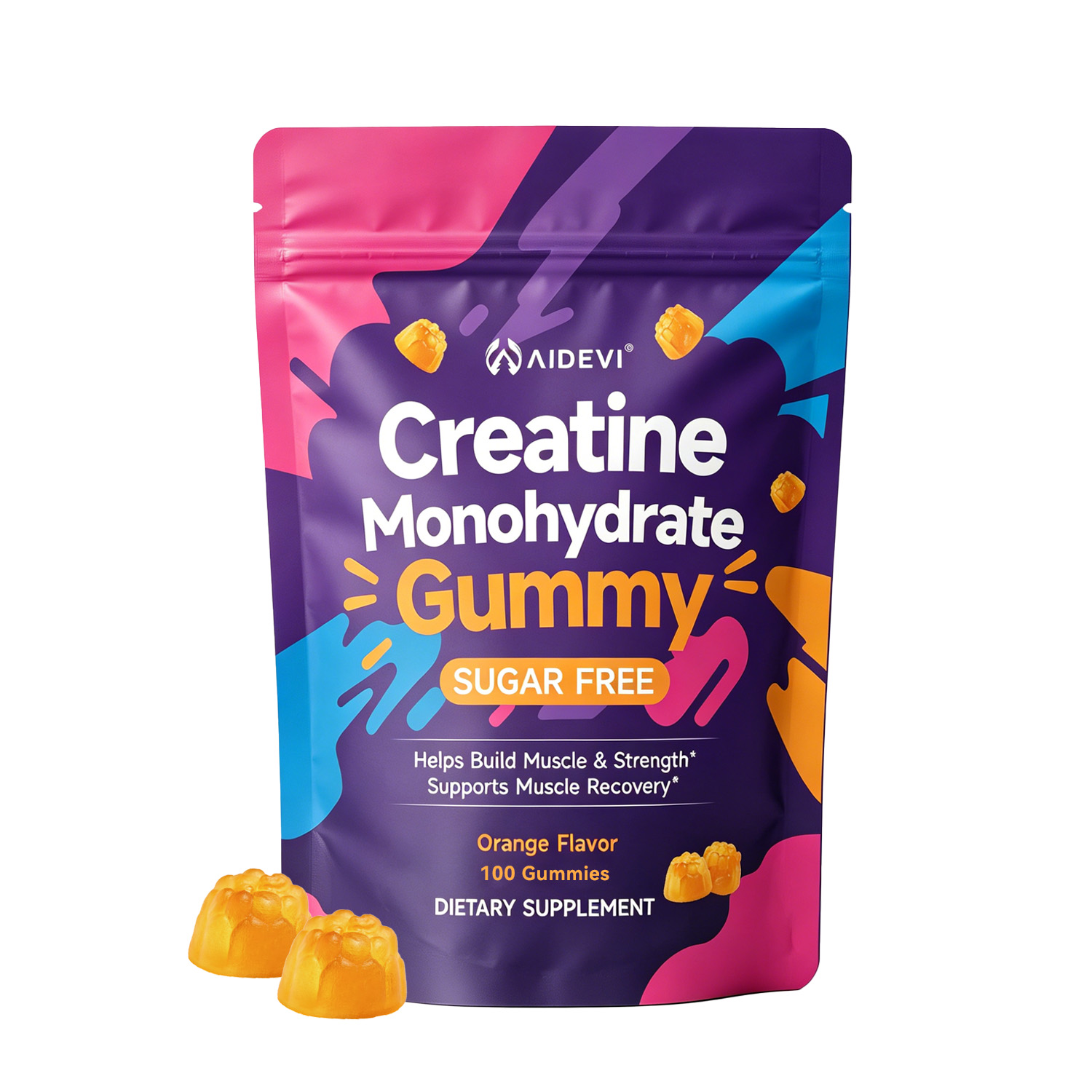
Yes. “Creatine” describes the active ingredient, but shoppers use it in many delivery formats: plain powder, flavored powder, capsules, chews, gummies, blends, and products combined with other performance ingredients. Two products can therefore have very different full ingredient lists. A flavored product may include sweeteners, acids, flavors, coloring agents, fibers, or other compounds that a particular person notices. A gummy or chew may also include sugar alcohols or gelling ingredients. None of those ingredients is automatically a problem, but they belong in the same tolerance review.
Read both the Supplement Facts panel and the “other ingredients” area. Check the serving count carefully; a serving may involve more than one piece. Look for a recent formula change, and compare the product you tolerated previously with the new one rather than relying on package design alone. Consumers deserve that degree of label literacy, especially because dietary supplements are regulated differently from drugs. The FDA's consumer guidance explains why buyers should evaluate supplement information thoughtfully [3].
This is also why a format decision should be connected to the routine you can genuinely follow. A practical goal-focused approach to training and nutrition, such as AIDEVI's article on whether to gain muscle or lose fat first, benefits from consistency more than from piling on products. Choose a product only after you understand its serving instructions and ingredient context.

How can you run a calm, practical troubleshooting routine?
Treat this as a short observation period, not a contest of willpower. If symptoms are mild and you have no red flags, simplify the surrounding routine for a few days. Use the labeled serving as directed, keep the beverage and meal context consistent, and avoid introducing a new pre-workout or a new high-fiber shake at the same time. If you decide to take a break from a product, do not use the break to test five replacements at once. That only recreates the original uncertainty.
Hydration is often discussed around creatine, but it is not a cure-all. Normal fluid intake throughout the day supports training and everyday comfort; forcing excessive water because of a supplement is not a better strategy. Likewise, eating with a product may feel more comfortable for some people, but it is not a universal rule. The useful question is whether a simple, repeatable context changes your own symptoms. People training for strength can pair that observation with the broader recovery fundamentals in AIDEVI's muscle recovery and performance guide: regular meals, sensible training load, sleep, and patience.
Avoid a loading protocol merely because you want faster visible results. Creatine stores build over time with consistent use, and a review of common creatine questions notes that a loading phase is not required for everyone [2]. A lower-complexity approach is easier to interpret and may be more comfortable for a person who has already noticed digestive symptoms. A registered dietitian, pharmacist, or clinician who knows your medications and health history can help you decide what is appropriate for you.
What does a useful symptom record actually look like?
Keep it boring on purpose. Write down the date, the product and labeled serving you used, whether you had eaten, what else you took that day, the approximate start time of discomfort, and when it resolved. Add a brief note about training and your usual digestion that day. You do not need to score every sensation or diagnose yourself. The record is simply a way to see whether discomfort appears only with one format, only when a routine is rushed, or even on days when creatine was not used. That final possibility is important: it keeps a new supplement from becoming the explanation for every stomach symptom by default.
Try not to confuse coincidence with a pattern. If discomfort occurred once after a travel day, a restaurant meal, a high-caffeine pre-workout, and an unusually demanding session, that is not enough information to blame one ingredient. Equally, a repeated pattern after the same product deserves attention even if the symptom is mild. The fairest approach is to simplify, observe, and ask for professional help when the pattern is concerning. For readers who feel pressure to maximize every variable, AIDEVI's overview of data-driven supplement decision-making offers a helpful reminder that better inputs and clearer tracking make better choices.
Which “fixes” are not especially helpful?
Several common reactions create more noise than clarity: doubling down on a serving because you assume discomfort means the product is “working,” switching brands and formats every day, masking symptoms with another supplement, or compensating with extreme water intake. None of these strategies identifies the cause, and they can make a straightforward tolerance question harder to answer. A less dramatic routine is usually more informative. Preserve the habits that support your training, then make one modest, label-consistent change or pause the product and obtain personalized guidance.
When should you stop troubleshooting and get professional advice?
Stop using the product and seek timely medical guidance for symptoms that are severe, persistent, worsening, or accompanied by signs that feel out of proportion to a mild stomach upset. This includes repeated vomiting, signs of an allergic reaction, dehydration, fainting, significant abdominal pain, blood in stool, or symptoms that continue after stopping the product. People who are pregnant or nursing, managing a medical condition, taking medication, or following clinician-directed nutrition restrictions should ask a qualified healthcare professional before starting a new supplement.
That boundary is not alarmist; it prevents a routine supplement discussion from becoming a substitute for medical assessment. Quality and transparency still matter, too. AIDEVI's about AIDEVI page describes the brand's broader focus on real ingredients, real dosages, and science-led wellness. Those are useful buying values, but they do not replace individualized medical advice.

Conclusion
Creatine stomach upset is a troubleshooting question, not a verdict on your discipline or the ingredient as a whole. Begin with what is verifiable: the labeled serving, your meal and drink context, the complete ingredient list, and the timing of symptoms. Change one variable at a time, do not push past the label to force a result, and stop the experiment when symptoms are concerning. The most sustainable muscle-building routine is the one you can follow comfortably and evaluate honestly.
Frequently Asked Questions
Can creatine cause nausea?
Some people report nausea or digestive discomfort, particularly with a large one-time intake or a complicated supplement routine. Check the full context and stop using the product if symptoms are persistent, severe, or concerning.
Should I take creatine with food if my stomach feels upset?
Food may feel more comfortable for some people, but it is not a universal requirement. Keep your routine simple and consistent while you observe your own tolerance, and follow the product label rather than making large self-directed changes.
Are creatine gummies easier to digest than powder?
Not automatically. The active ingredient, serving size, and other ingredients all matter. Compare the complete labels, including sweeteners and serving instructions, rather than assuming one format is universally gentler.
Can I keep taking creatine through stomach discomfort?
Do not try to push through significant symptoms. Mild, short-lived discomfort warrants a careful review of your routine; severe, persistent, worsening, or unusual symptoms warrant stopping and seeking individualized healthcare guidance.
References
- [1] International Society of Sports Nutrition position stand: safety and efficacy of creatine supplementation in exercise, sport, and medicine.
- [2] Common questions and misconceptions about creatine supplementation: what does the scientific evidence really show?
- [3] U.S. Food and Drug Administration: Questions and Answers on Dietary Supplements.
Individual results may vary. Consult a healthcare professional before starting any new supplement, especially if pregnant, nursing, taking medication, or managing a medical condition. These statements have not been evaluated by the Food and Drug Administration. This product is not intended to diagnose, treat, cure, or prevent any disease.
