






AIDEVI Training Nutrition Guide
When Is the Best Time to Take Creatine Gummies?
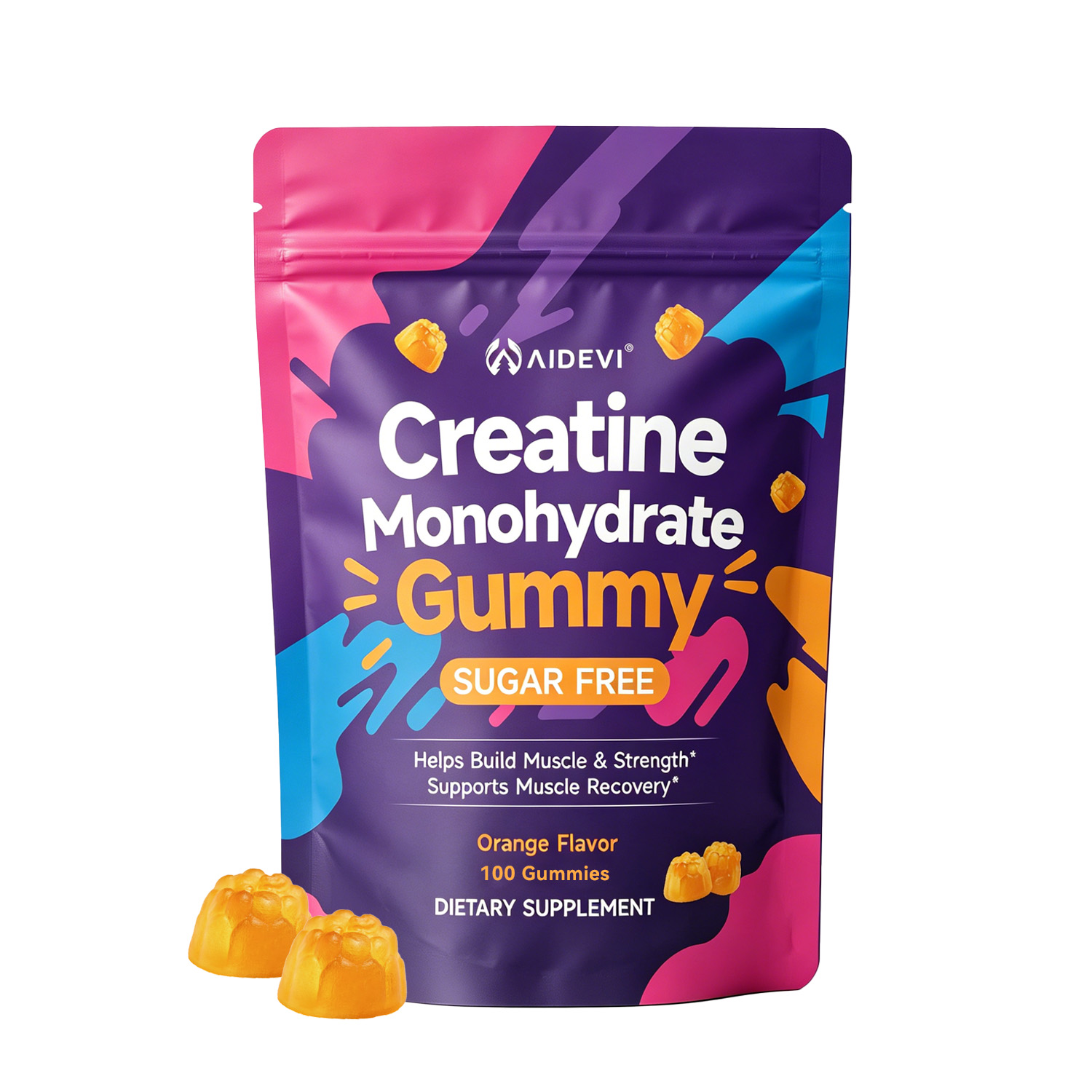
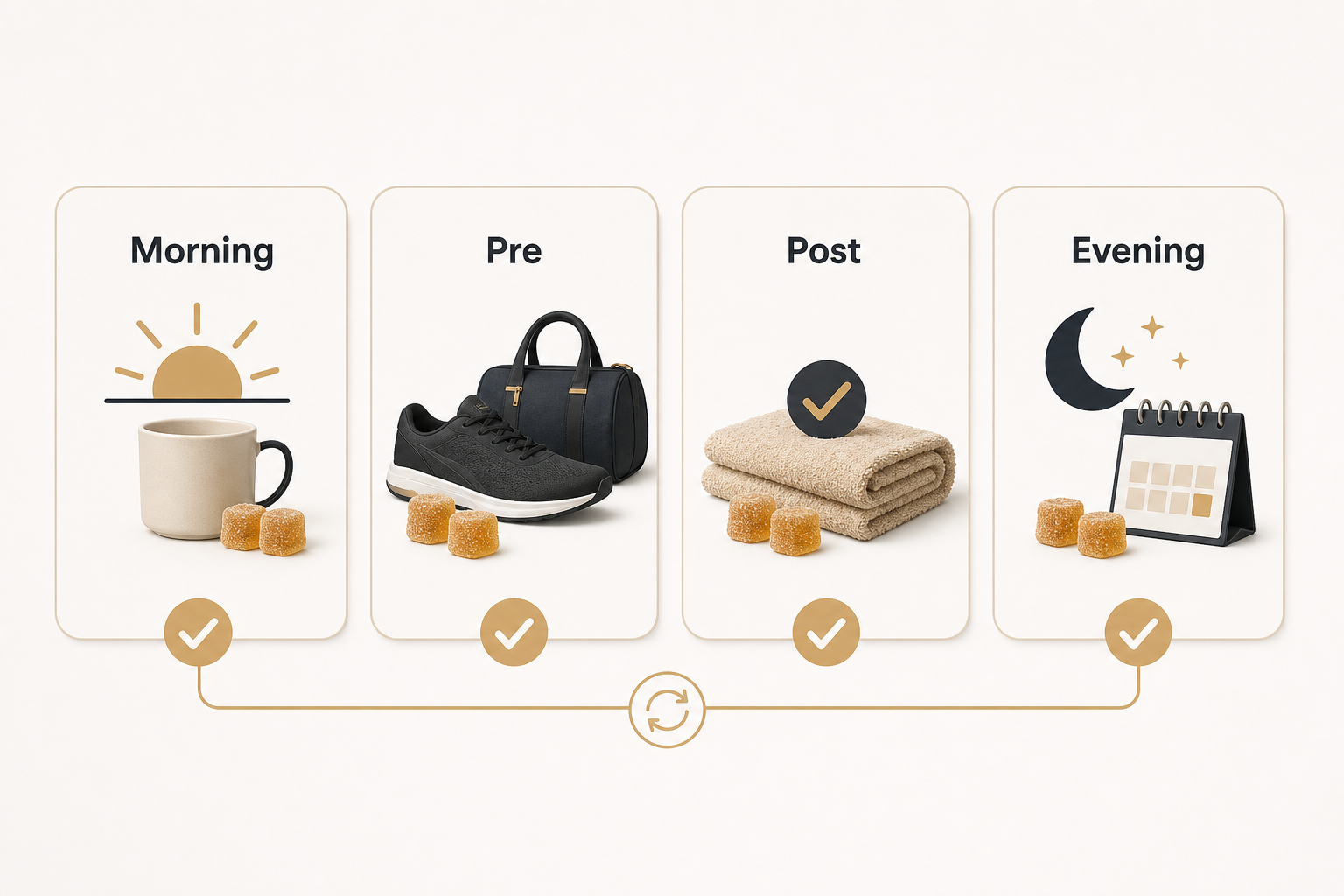
The best time to take creatine gummies is usually the time you can repeat consistently. For most recreational fitness users, the daily habit matters more than a narrow before-or-after-workout window. You can anchor creatine gummies to breakfast, your gym bag routine, a post-workout water break, or another daily cue, as long as you follow the product label and avoid turning timing into a reason to skip days.
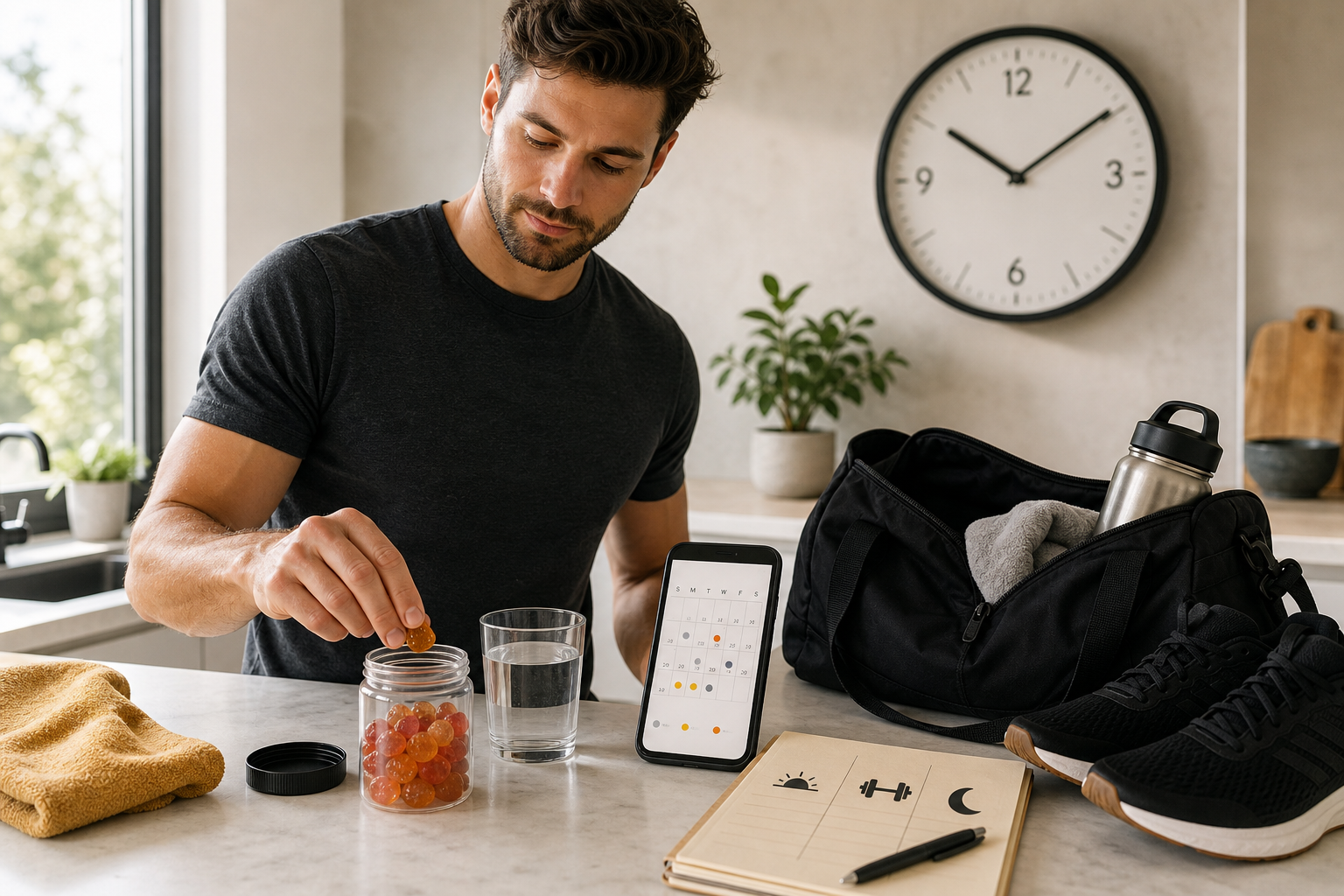
- Creatine is generally a consistency supplement, not a stimulant that must be timed minutes before training.
- Morning, pre-workout, post-workout, or evening can all be reasonable if the habit is easy to keep.
- Gummies make timing easier for many people because they remove mixing, scoops, and shaker cleanup.
- Read the label, keep total routine context visible, and ask a healthcare professional when personal medical factors apply.
Content
What is the simplest timing rule for creatine gummies?
Pick one daily moment you already keep, then attach your creatine gummies to that moment. That is the simplest timing rule because it solves the real problem for most users: remembering and repeating the serving according to the label. Creatine is commonly discussed in relation to maintaining muscle creatine availability through regular use, especially alongside repeated high-intensity training [1]. That makes consistency more useful than chasing a perfect minute on the clock.
This does not mean timing is meaningless. It means timing should serve adherence. If breakfast is the one meal you never miss, morning can be your best time. If your gym bag routine is automatic, pre-workout may be easiest. If you always drink water and update a training log after lifting, post-workout can be a strong cue. If evening is when you review tomorrow's schedule, that can also work for some people, as long as the product label and your digestion make sense.
The bigger goal is to stop treating creatine like a product that must create an immediate sensation. It is not caffeine and does not need to feel dramatic. AIDEVI's article on the science behind supplement benefits is useful here because it separates plausible ingredient roles from unrealistic expectations.
Should you take creatine gummies before or after a workout?
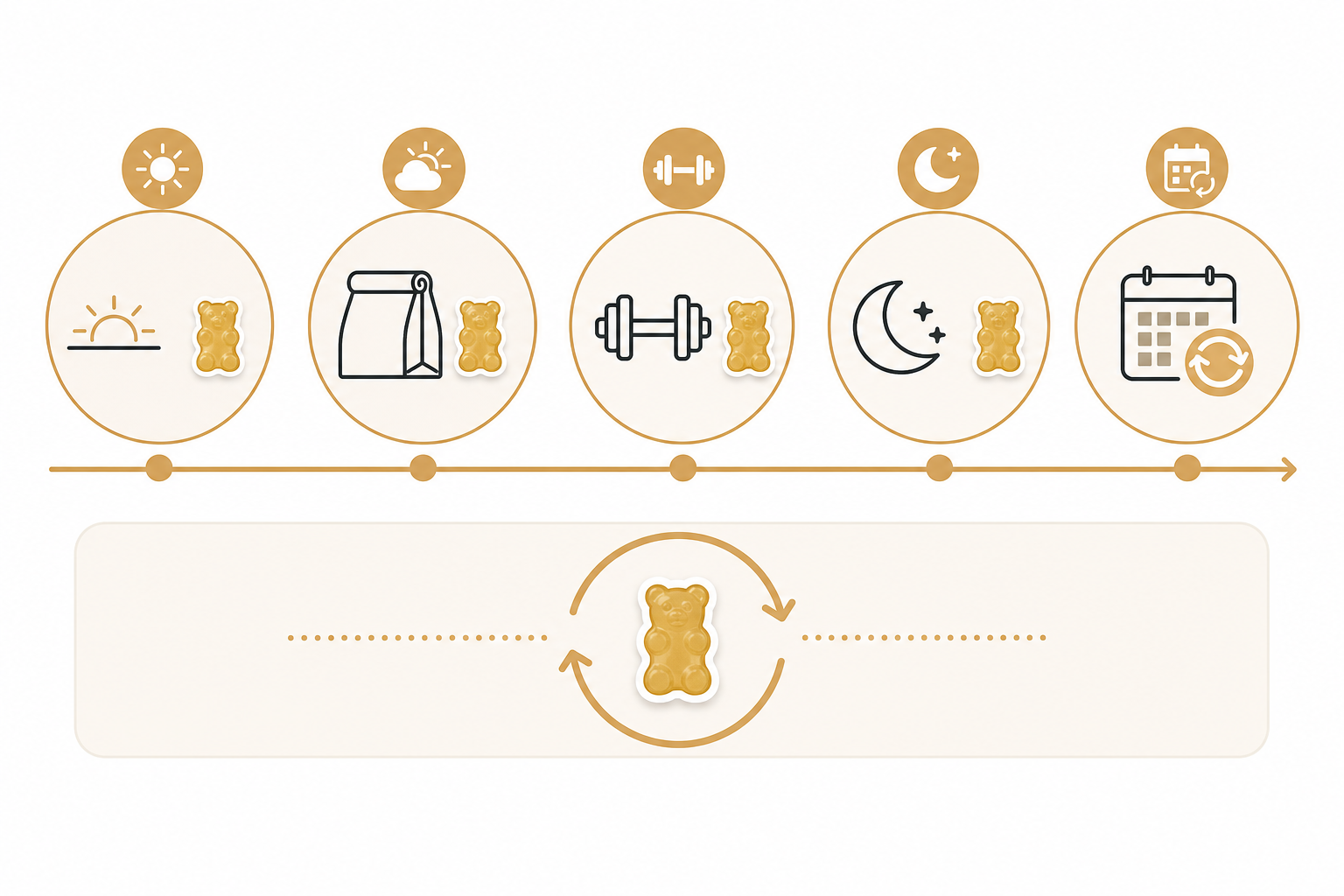
Before or after a workout can both be practical choices, but neither should become a fragile rule. Taking creatine gummies before training may work if you keep them in your gym bag, train at a predictable time, and like pairing supplements with pre-workout preparation. Taking them after training may work if you already have a water break, shake, meal, or notebook habit after the session. The better option is the one you repeat without adding mental clutter.
For muscle-building users, timing should sit underneath the bigger training plan. A person who is not eating enough, sleeping poorly, or changing workouts randomly will not fix the system by moving creatine gummies from 7 a.m. to 6 p.m. If you are still deciding whether your main goal is gaining muscle or leaning out, AIDEVI's guide on whether to gain muscle or lose fat first can help organize the broader routine before you obsess over supplement timing.
| Timing option | When it works well | When it may fail |
|---|---|---|
| Morning | You want a daily habit independent of workout time. | Your mornings are rushed and inconsistent. |
| Before workout | Your gym routine is predictable and you remember your bag. | Rest days become forgotten days. |
| After workout | You already drink water or eat after training. | You skip the cue on non-training days. |
| Evening | You review supplements with a nightly routine. | You forget when the day gets long. |
A helpful rule is to choose a timing anchor that also works on rest days. Many people build creatine timing around workouts and then lose consistency when training schedules shift. If your workouts move around, morning or another daily meal cue may be more reliable than a training-only cue.
How do you choose a daily timing anchor that actually sticks?
Choose the least dramatic cue. That sounds boring, but it is powerful. A timing anchor should be something you already do almost every day: brush your teeth, fill a water bottle, pack lunch, open your gym bag, log your workout, or prepare breakfast. Creatine gummies can be easier than powder here because they do not require a scoop, liquid, shaker, or cleanup. The format removes friction, and the timing anchor keeps the habit from drifting.
If you train in the morning, taking gummies with breakfast or your pre-gym water bottle may feel natural. If you train at lunch, placing them near your lunch container may work better than leaving them at home. If you train after work, post-workout timing may be easiest because it pairs with the moment you already cool down and hydrate. AIDEVI's muscle recovery and performance article is a useful reminder that recovery routines and training routines are connected, not separate compartments.
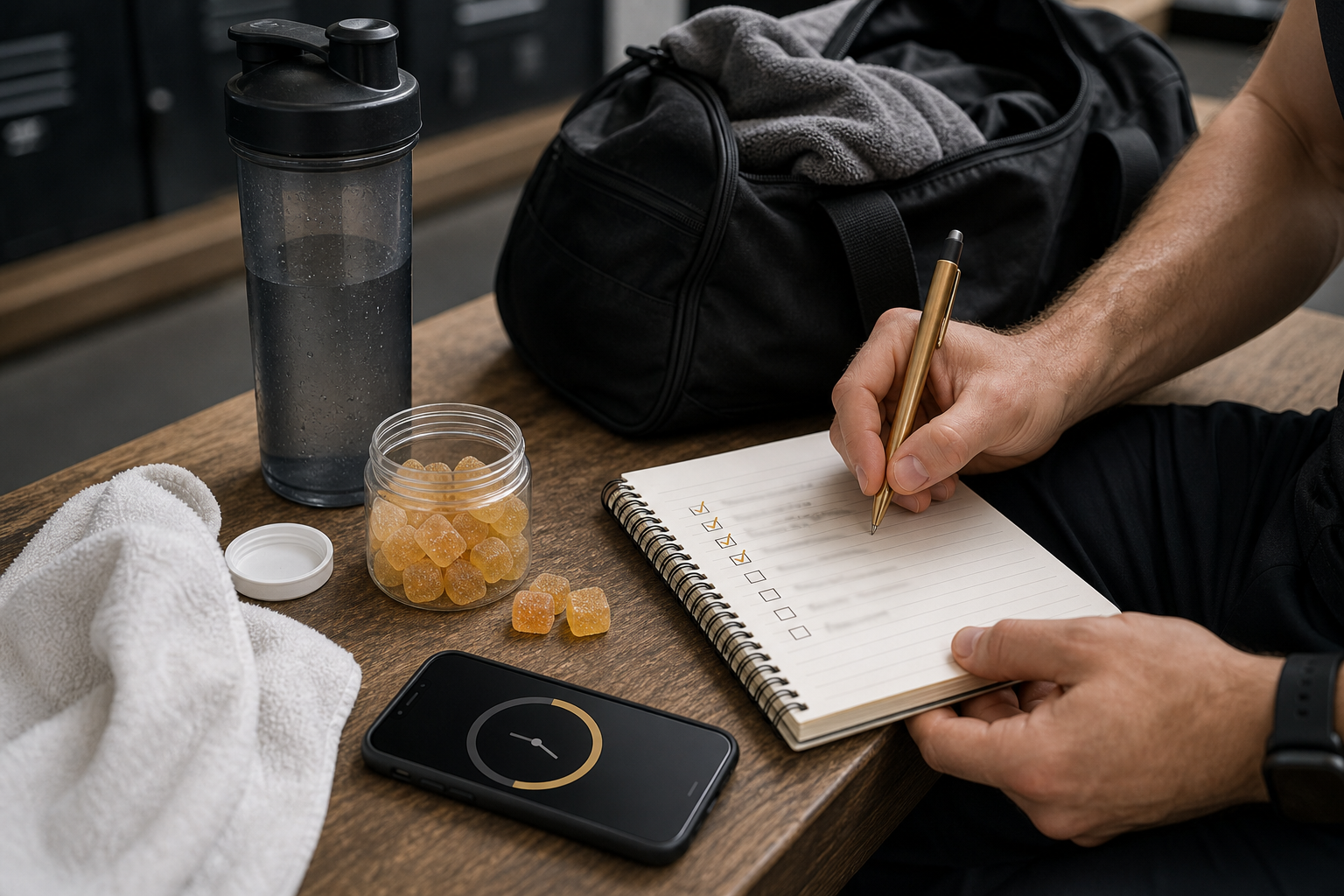
Use a two-week habit test. Pick one timing anchor and do not change it unless there is a real problem. Track three things: whether you remembered, whether the timing felt comfortable, and whether the habit worked on both training and non-training days. Do not try to prove that one timing option is magical. Try to discover which one makes consistency boringly easy. That is the kind of decision AIDEVI's data-driven supplement innovation perspective points toward: clear inputs, less guesswork, better routine design.
If your workout time changes often, create a backup rule before you need it. For example, your primary cue might be after training, but your backup cue might be with dinner on non-training days or unexpectedly busy days. This prevents the common pattern where a missed workout also becomes a missed supplement day. A good timing plan should survive ordinary life: travel, late meetings, rest days, early alarms, and the occasional workout that turns into a walk instead.
What label details matter when timing creatine gummies?
Read the Supplement Facts panel before you build the routine. Check the serving size, the creatine form, the amount per serving, the number of servings per container, and any added ingredients. Gummies may include sweeteners, flavors, colors, sugar alcohols, electrolytes, amino acids, or other actives. These details matter because timing is not only about the clock; it is also about digestion, preference, and whether the product fits the rest of your day.
Be especially careful with products that blur categories. A creatine gummy is one thing. A performance gummy that combines creatine with caffeine or other stimulant-oriented ingredients is another. If a product includes ingredients that affect sleep, alertness, appetite, or digestion, evening timing may not make sense for everyone. The FDA's consumer information on dietary supplements encourages shoppers to read labels and seek professional guidance when health context or medication use matters [3].
Also consider label transparency. A clear routine starts with a clear product. If you cannot tell what you are taking per serving, when to use it, or how long the container should last, timing will not fix that uncertainty. For a broader explanation of why quality evidence and careful interpretation matter, see AIDEVI's discussion of well-designed supplement research.
What timing mistakes should you avoid?
The first mistake is treating missed timing as failure. If you planned to take creatine gummies after training but forgot, do not turn that into a skipped day automatically. Follow the product label and return to your normal timing anchor. A flexible plan is often more consistent than a perfect plan. The second mistake is using workout-only timing when your schedule changes often. If rest days, travel days, and busy workdays break the cue, choose a daily anchor instead.
The third mistake is expecting an immediate feeling. Reviews addressing common creatine misconceptions note that many popular concerns and expectations are oversimplified compared with the evidence [2]. If you are waiting for a buzz, pump, or sudden wave of energy from creatine gummies, you may evaluate the wrong signal. Creatine is not a guarantee of performance, and gummies are not a shortcut around progressive training, protein, sleep, and recovery.
The fourth mistake is changing several things at once. If you start creatine gummies, change workout timing, increase caffeine, add a pre-workout, and reduce calories in the same week, any change in energy or digestion becomes hard to interpret. Keep the experiment clean. One timing anchor, one product, one ordinary routine. AIDEVI's athlete performance and recovery perspective reinforces the idea that training results come from the whole system, not from one isolated timing trick.
Who may need a more cautious timing plan?
Some people should make timing decisions more carefully. If you have a medical condition, kidney-related concerns, are pregnant or nursing, take prescription medication, or have been told to monitor supplement use, ask a healthcare professional before starting. If a gummy includes caffeine or other active ingredients beyond creatine, timing becomes more personal because sleep, anxiety, digestion, and medication interactions may matter.
People with sensitive digestion may also want a calmer test. Try pairing the labeled serving with a meal or water if the product directions allow, and avoid introducing multiple new supplements at once. If you feel persistent discomfort, stop and reassess the label and serving instructions. The goal is not to force a popular routine onto your body; it is to choose a repeatable routine that fits your real context. AIDEVI's science-led wellness approach is most useful when it keeps the decision practical, transparent, and personal.
Conclusion
The best time to take creatine gummies is the time you can keep. Morning, pre-workout, post-workout, and evening can all work if they are tied to a stable habit and the product label fits your routine. For most everyday fitness users, consistency beats timing perfection. Choose one anchor, follow the label, keep the broader training fundamentals in place, and use a simple two-week check to see whether the habit actually works in your life.
Frequently Asked Questions
Is it better to take creatine gummies in the morning?
Morning can be a good choice if it helps you remember daily use. It is especially useful when your workout time changes from day to day.
Should I take creatine gummies before a workout?
You can if that cue helps you stay consistent, but creatine does not need to feel like an immediate pre-workout stimulant. Do not skip rest days simply because you built the habit around training.
Are creatine gummies better after a workout?
Post-workout timing can be convenient if you already hydrate, eat, or log your training after exercise. The main advantage is habit fit, not a guaranteed special window.
Can I take creatine gummies on rest days?
Many creatine routines emphasize regular use, but follow your product label. A daily meal cue can make rest-day consistency easier than a workout-only cue.
What if I forget my usual creatine gummy time?
Do not panic or double up unless the product label specifically directs it. Return to your normal routine and choose a stronger reminder if forgetting becomes a pattern.
References
- [1] International Society of Sports Nutrition position stand: safety and efficacy of creatine supplementation in exercise, sport, and medicine.
- [2] Common questions and misconceptions about creatine supplementation: what does the scientific evidence really show?
- [3] U.S. Food and Drug Administration: Questions and Answers on Dietary Supplements.
Individual results may vary. Consult a healthcare professional before starting any new supplement, especially if pregnant, nursing, taking medication, or managing a medical condition. These statements have not been evaluated by the Food and Drug Administration. This product is not intended to diagnose, treat, cure, or prevent any disease.
