
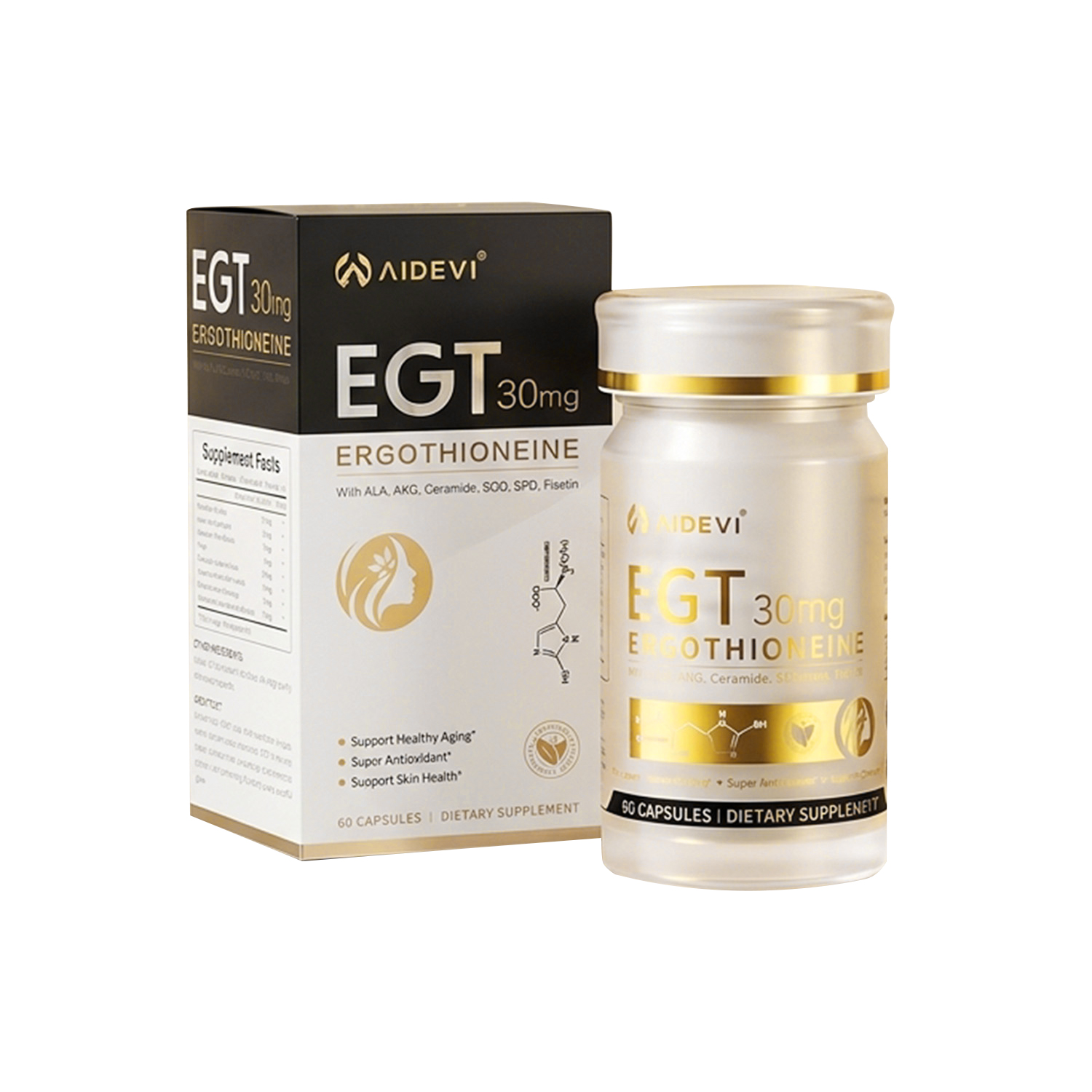
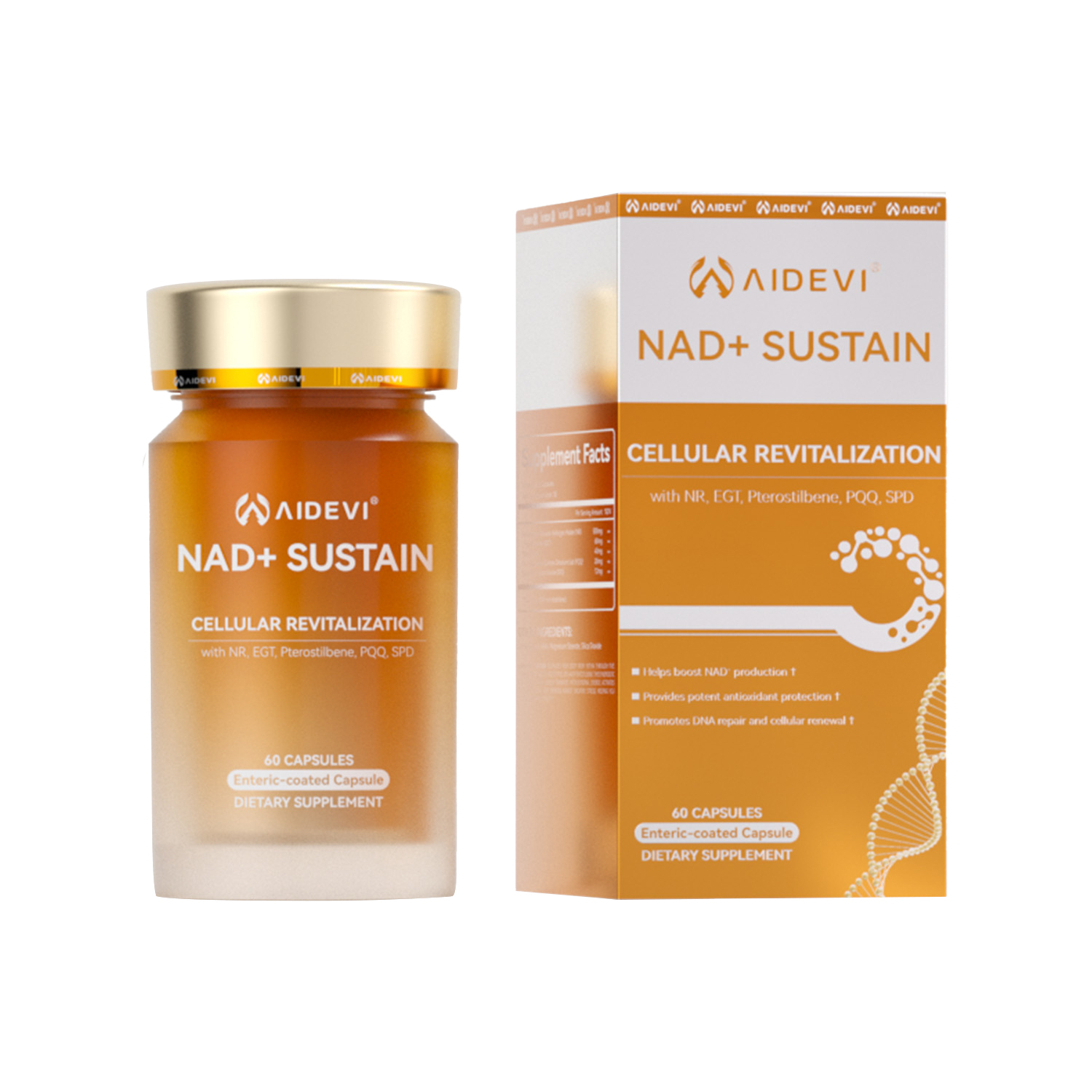


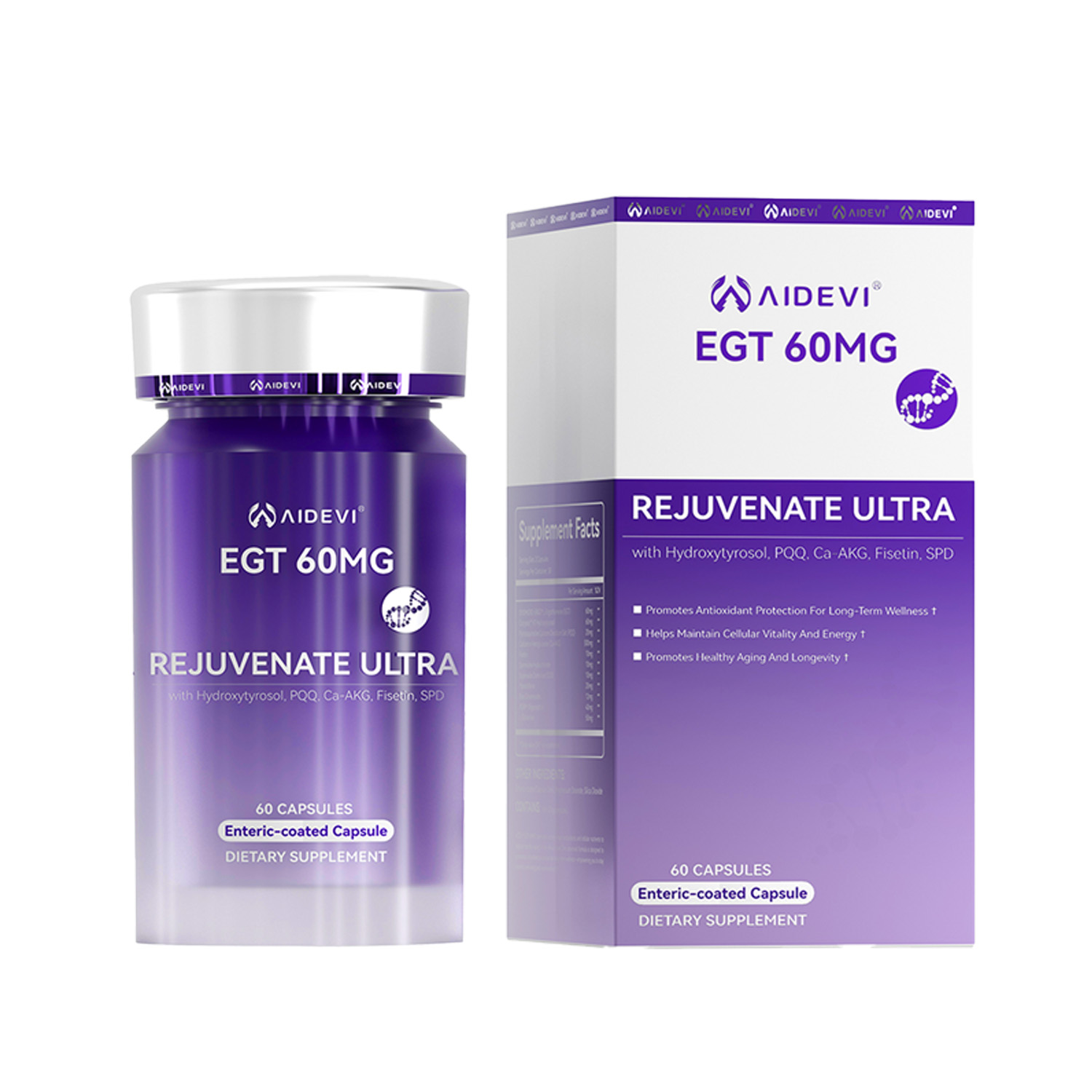
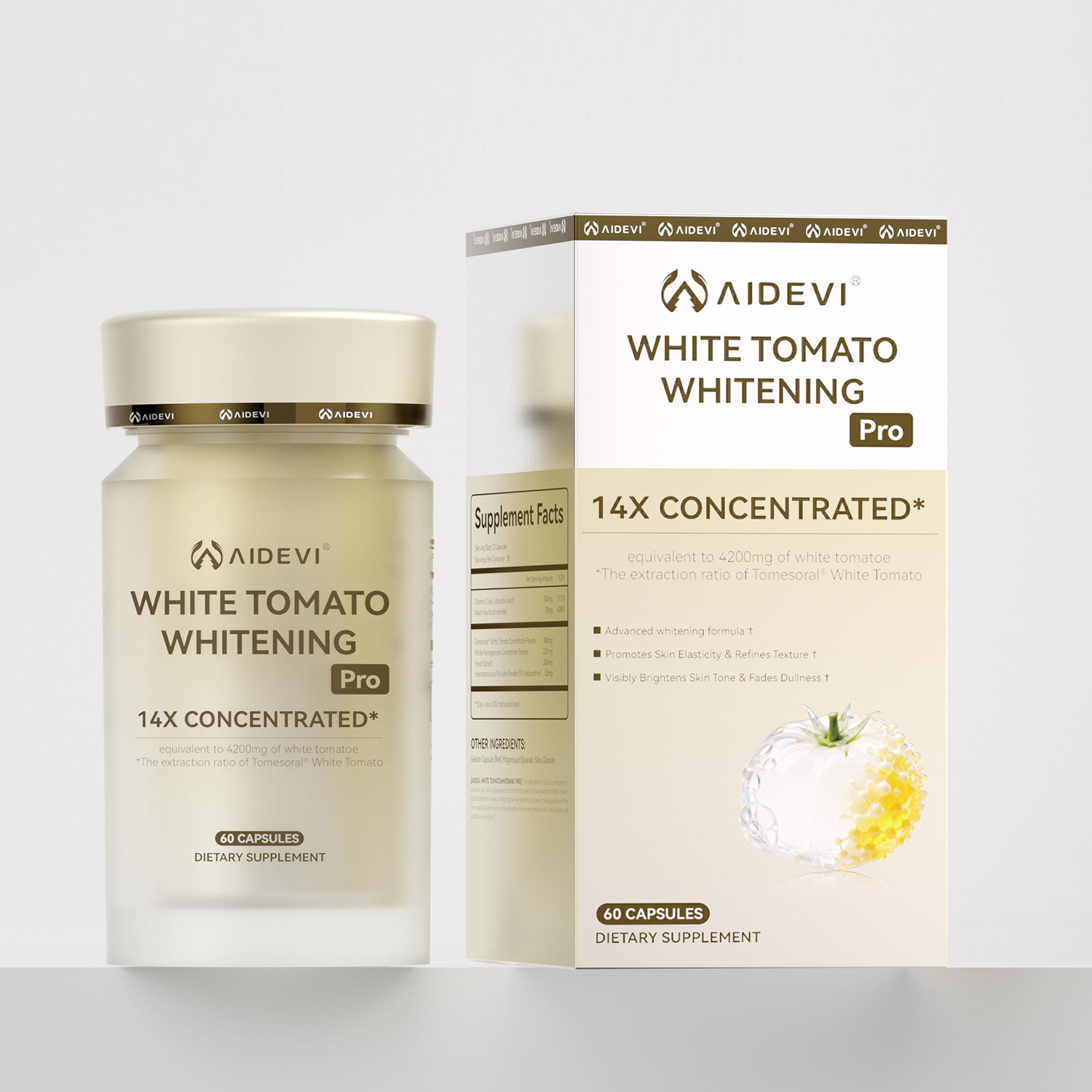

AIDEVI Skin Antioxidant Guide
Benefits of Resveratrol for Your Skin: What Does Resveratrol Do to the Skin?
Resveratrol is a plant polyphenol best known for antioxidant activity. For skin, it is mainly discussed for helping support defenses against oxidative stress, visible dullness, uneven-looking tone, and photoaging-related changes. The most practical way to use resveratrol is not as a replacement for sunscreen or skincare, but as one support layer in a balanced routine.
- Resveratrol may support skin by helping the body and skin surface manage oxidative stress linked with UV exposure, pollution, and normal aging.
- Topical resveratrol and oral resveratrol are different. Topical formulas act closer to the skin surface, while supplements support broader antioxidant and healthy-aging routines.
- For visible skin goals, resveratrol works best with daily sunscreen, enough sleep, hydration, barrier-friendly skincare, and a diet rich in colorful plants.
Content
For skin, resveratrol is most useful to understand as an antioxidant and polyphenol support ingredient. It may help maintain a healthier-looking skin environment by supporting antioxidant defenses, calming the appearance of stress-related dullness, and complementing routines for even-looking tone. Evidence is promising, especially for topical use, but it is not a sunscreen, medication, or instant whitening ingredient.
What is resveratrol?
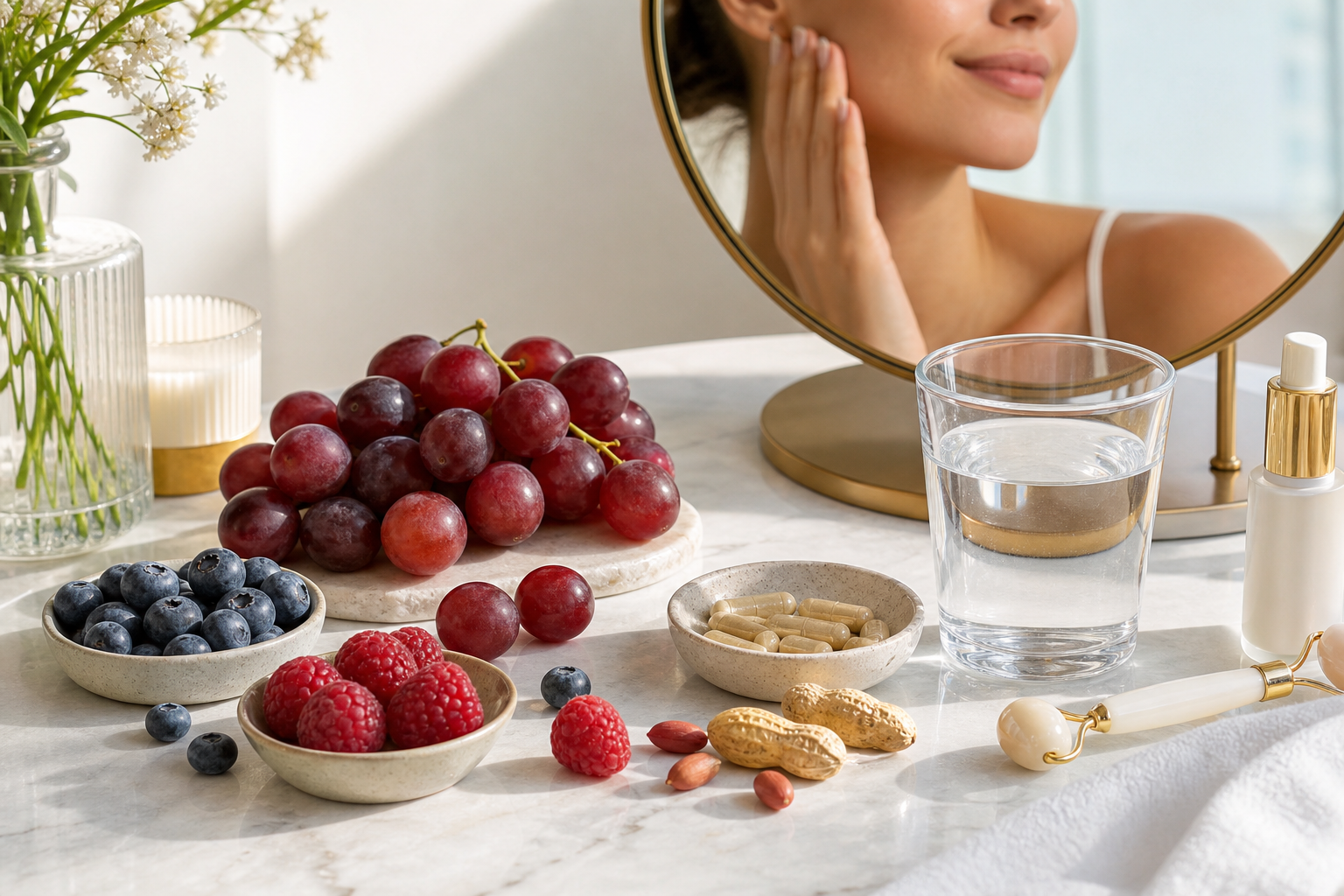
Resveratrol is a naturally occurring stilbene polyphenol found in foods such as grapes, berries, peanuts, and red wine. In wellness and beauty conversations, it is often grouped with plant antioxidants because it can interact with oxidative stress pathways. That is why resveratrol appears in discussions about healthy aging, skin radiance, and inside-out beauty support.
The important point is that resveratrol is not a magic skin ingredient. It is a research-active compound with several possible mechanisms, including antioxidant signaling, inflammatory-response modulation, and interaction with skin pigmentation pathways. A 2022 review described resveratrol and related compounds as being studied for cosmetic and dermatological use, including photoaging, melanogenesis, and skin-lightening applications, while also noting that many findings come from cell, animal, or early clinical models [1].
For AIDEVI readers, the better question is not "Can resveratrol transform skin?" but "Where does resveratrol fit in a complete skin-support plan?" Readers who want the wider ingredient background can continue with AIDEVI's guide to resveratrol health benefits.
How may resveratrol support skin biology?
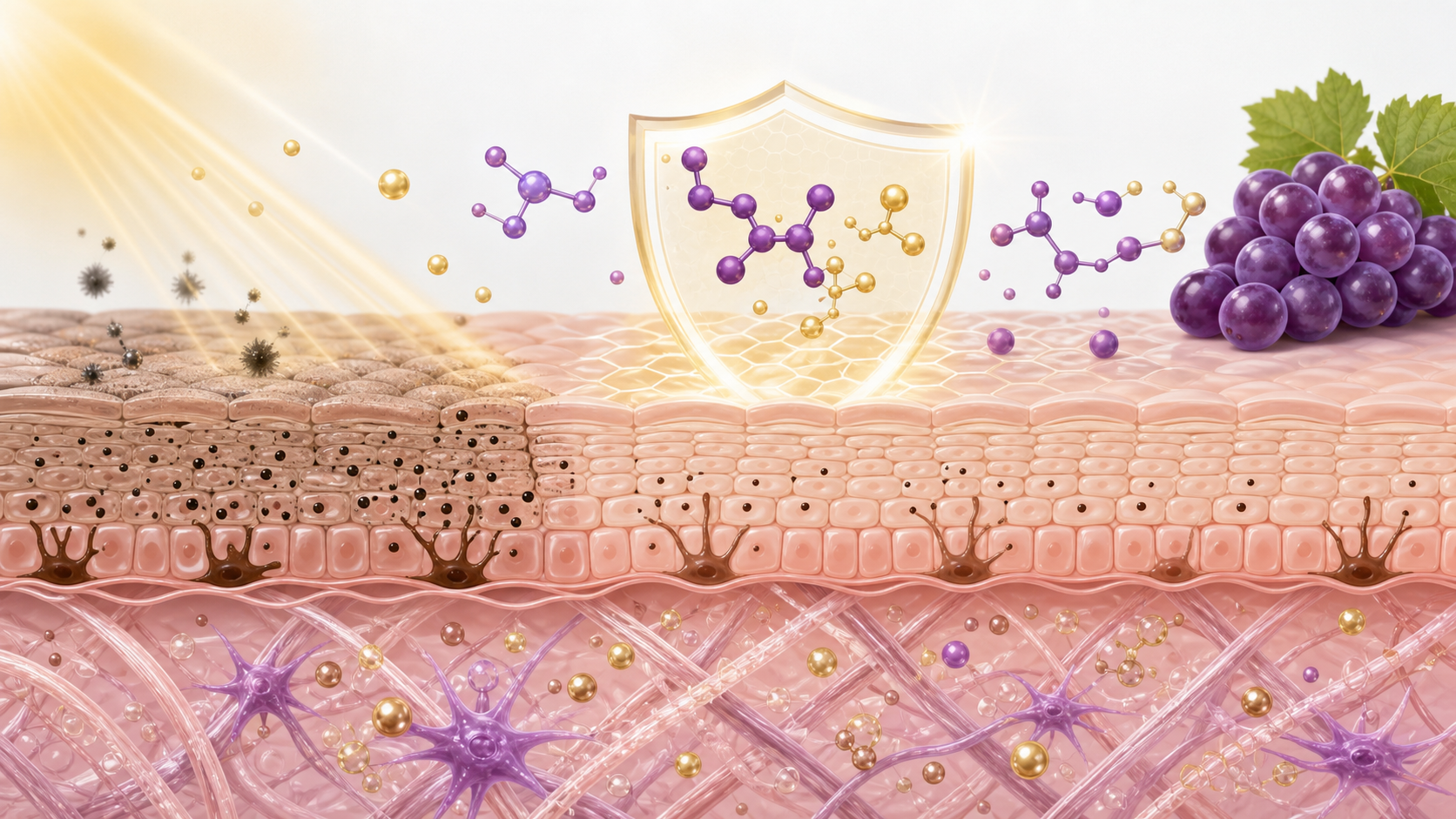
Skin is constantly exposed to stressors. UV radiation, pollution, poor sleep, smoking, and normal metabolism can all contribute to oxidative stress. Over time, oxidative stress can be part of the environment that makes skin look dull, dry, uneven, or less resilient. Resveratrol is studied partly because it may help support antioxidant defense pathways in skin cells [2].
The second area is photoaging. Photoaging refers to visible skin changes associated with repeated UV exposure, such as rough texture, uneven-looking tone, fine lines, and loss of firmness. Research reviews discuss resveratrol's potential to influence UV-related oxidative stress and pathways involved in collagen breakdown and pigmentation [3]. This does not mean resveratrol blocks UV damage by itself. It means it may belong in an antioxidant support routine that still depends on daily sun protection.
The third area is even-looking tone. Resveratrol has been studied in relation to melanogenesis, the process involved in melanin formation. This is why it often appears in conversations about dark spots, hyperpigmentation, and skin radiance. AIDEVI's article comparing vitamin C and resveratrol in skin-brightening routines is a useful next read, especially for readers comparing antioxidant ingredients.
What are the main skin benefits people ask about?
Most resveratrol skin questions fall into four categories: antioxidant support, radiance support, photoaging support, and routine pairing. These categories are helpful because they keep expectations realistic. Resveratrol is not a clinical treatment for pigmentation disorders, and it should not be described as preventing skin disease. It is better framed as a supportive ingredient for the look and feel of skin when used consistently and responsibly.
For antioxidant support, resveratrol may help the skin environment handle free-radical stress. This matters because many visible aging concerns are connected with long-term oxidative and environmental stress. AIDEVI's daily antioxidant supplement guide explains how to compare antioxidant ingredients without turning them into exaggerated cure-all claims.
For radiance and even-looking tone, resveratrol is often compared with vitamin C, glutathione, carotenoids, and niacinamide. These ingredients can appear together in beauty-from-within and skincare routines because they address overlapping concerns: oxidative stress, dullness, melanin-related appearance, and barrier comfort. Readers focused on spots and tone can review AIDEVI's guide to what causes age spots and visible tone changes.
For photoaging support, the strongest advice is still sun protection. The American Academy of Dermatology recommends protecting skin from the sun every day and using broad-spectrum sunscreen with SPF 30 or higher when skin is not covered by clothing [4]. Resveratrol may support antioxidant resilience, but sunscreen, shade, clothing, and consistent habits are the front line.
Is topical or oral resveratrol better for skin?
Topical and oral resveratrol should not be treated as the same product. Topical resveratrol is applied directly to skin. It may be used in serums, creams, or cosmetic formulas where the goal is local antioxidant support. Oral resveratrol is swallowed as food or a dietary supplement. It supports the body's broader antioxidant and healthy-aging context, but it does not deliver an immediate local cosmetic effect the way a topical product may.
| Format | Best fit | Consider instead | Avoid or pause if |
|---|---|---|---|
| Topical resveratrol | You want local antioxidant skincare support for dullness, uneven-looking tone, or photoaging-related appearance. | A basic moisturizer and sunscreen routine if your skin barrier is irritated or your routine is inconsistent. | Your skin stings easily, you are using strong exfoliants, or you have a new rash or active irritation. |
| Oral resveratrol | You want inside-out antioxidant support as part of a broader healthy-aging routine. | Food-first polyphenols from grapes, berries, peanuts, cocoa, and colorful plants if you prefer a diet-led approach. | You are pregnant, nursing, taking medication, preparing for surgery, or managing a medical condition without clinician guidance. |
| Combined routine | You already tolerate skincare well and want a layered antioxidant approach. | Introduce one change at a time so you can track what helps and what irritates. | You are stacking many actives and cannot identify which one is causing dryness, redness, or breakouts. |
This is also where supplement expectations matter. If your main concern is a visible dark spot, topical actives and sun protection usually have a more direct role. If your goal is whole-body antioxidant and healthy-aging support, an oral formula may make more sense. AIDEVI's comparison of supplements versus skincare products for anti-aging benefits explains this outside-in and inside-out difference in more detail.
How should you use resveratrol in a skin routine?
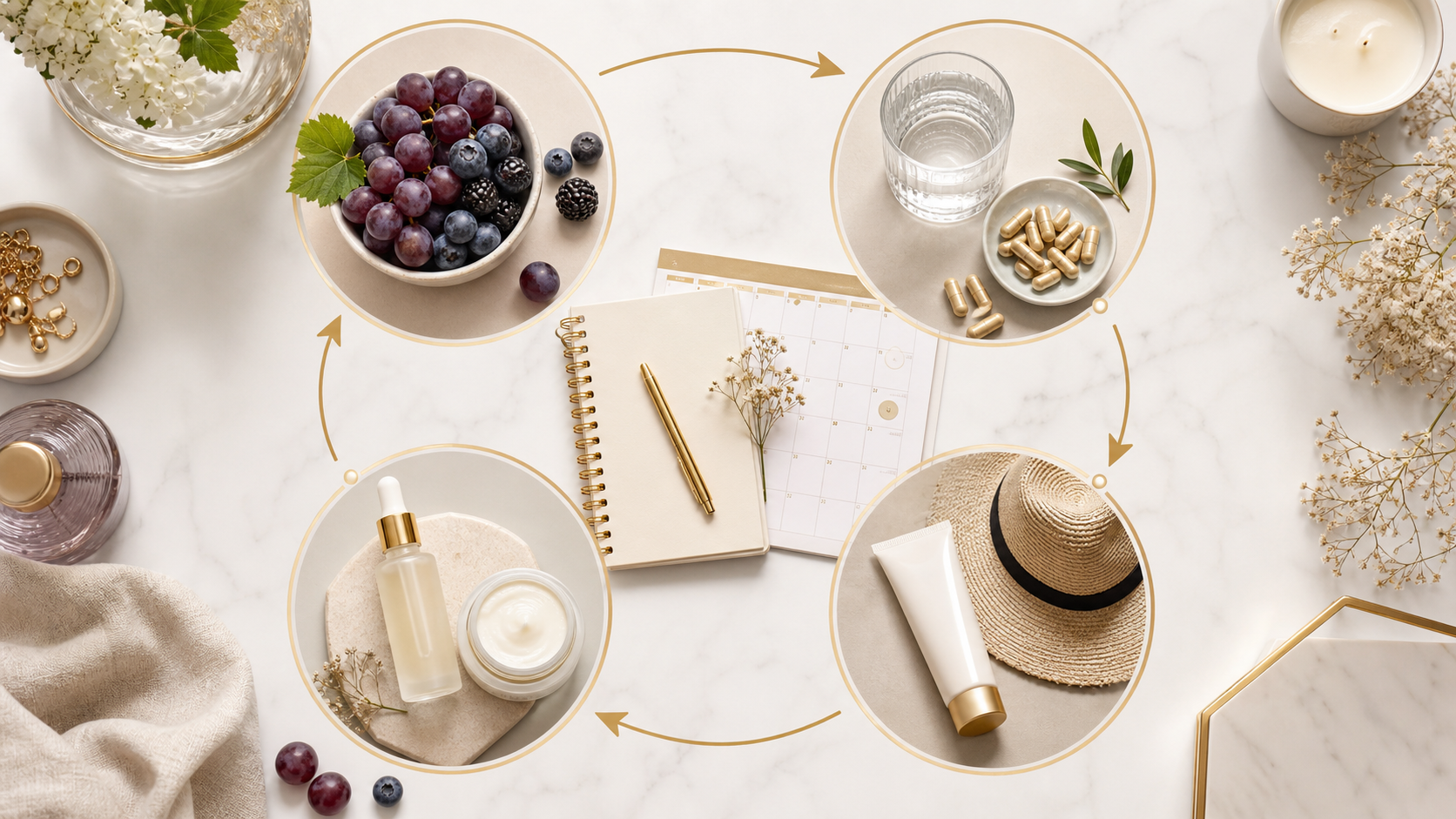
A simple resveratrol routine can follow four layers: protect, nourish, support, and track. Protect means sunscreen, shade, hats, and gentle barrier care. Nourish means colorful plant foods, enough protein, hydration, and sleep. Support means choosing either topical or oral resveratrol based on your goal. Track means watching skin comfort, dryness, radiance, and tone consistency for several weeks before adding another active.
Protect is the non-negotiable layer. If UV exposure is unmanaged, antioxidants are being asked to work against a daily stressor. AIDEVI's article on UV radiation, healthy aging, and skin health is a useful companion because it explains why sun habits shape visible skin aging.
Nourish is the food layer. Resveratrol is found in grapes, berries, peanuts, and red wine, but red wine is not the best skin strategy because alcohol can be rough on the skin. A better diet pattern is colorful plants, water, protein, and enough micronutrients to support normal collagen formation and skin barrier function. AIDEVI's article on enhancing skin health with anti-aging supplements helps place resveratrol alongside vitamin C, collagen, and lifestyle basics.
Support is the ingredient layer. Resveratrol can pair naturally with vitamin C, CoQ10, nmn, glutathione, or carotenoids depending on the goal. For example, NMN is usually discussed for cellular wellness and healthy aging rather than immediate skin appearance; readers can compare adjacent healthy-aging antioxidant concepts in AIDEVI's guide to healthy aging antioxidant properties of NMN supplements. The point is not to take everything. The point is to choose a formula that matches one clear purpose.
What should you expect, and what should you avoid claiming?
Expect subtle support, not a dramatic transformation. A well-built resveratrol routine may help skin look more resilient, cared for, and radiant over time, especially when it replaces inconsistent habits with a steady antioxidant and sun-protection plan. But no article should promise that resveratrol will erase wrinkles, remove melasma, reverse skin aging, or protect skin from UV damage on its own.
The evidence base is also mixed by format. Some research is topical, some is oral, and much of the mechanistic work comes from laboratory or animal models. A review on resveratrol in skin aging, wound healing, and scarring noted limitations in clinical evidence, including small cohorts and limited follow-up in available human studies [5]. That is why the most trustworthy language is supportive and specific: antioxidant support, even-looking tone support, and photoaging routine support.
If you use a topical formula, patch test first and introduce it slowly. If you use a supplement, check the label, dose, ingredient stack, and safety cautions. People who are pregnant, nursing, taking blood-thinning medication, preparing for surgery, or managing a health condition should speak with a healthcare professional before starting resveratrol supplements.
Conclusion
Resveratrol can be a useful skin-support ingredient because it sits at the intersection of antioxidant wellness, photoaging research, and even-looking tone routines. Its most realistic benefits are not instant whitening or wrinkle removal. They are support for a healthier-looking skin environment when resveratrol is paired with sunscreen, gentle skincare, colorful foods, hydration, sleep, and consistent tracking.
For AIDEVI readers, the best way to think about resveratrol is simple: protect your skin first, nourish your body daily, choose topical or oral support based on your actual goal, and keep expectations evidence-aware. Resveratrol can be part of a smart skin routine, but the routine still does the heavy lifting.
Frequently Asked Questions
Does resveratrol brighten skin?
Resveratrol is studied in relation to melanogenesis and antioxidant support, so it may fit routines for a brighter-looking, more even-looking complexion. It should not be described as certain skin whitening or as a treatment for pigmentation disorders.
Can resveratrol replace sunscreen?
No. Resveratrol may support antioxidant defenses, but it does not replace broad-spectrum sunscreen, shade, protective clothing, or smart sun habits.
Is oral resveratrol good for skin?
Oral resveratrol may support broader antioxidant and healthy-aging routines. For direct visible skin concerns, topical skincare and sunscreen usually remain more targeted.
Can resveratrol help wrinkles?
Resveratrol is studied for photoaging-related pathways, including oxidative stress and collagen-environment support. However, it should be framed as supportive, not as a wrinkle-removal ingredient.
What ingredients pair well with resveratrol for skin?
Common pairings include vitamin C, niacinamide, glutathione, carotenoids, CoQ10, and collagen support ingredients. The best pairing depends on whether your goal is tone, hydration, antioxidant support, barrier comfort, or healthy aging.
These statements have not been evaluated by the Food and Drug Administration. This product is not intended to diagnose, treat, cure, or prevent any disease. Dietary supplements should be used as part of a balanced lifestyle, and you should consult a qualified healthcare professional before starting any new supplement, especially if you are pregnant, nursing, taking medication, preparing for surgery, or managing a medical condition.
References
- The bioactivities of resveratrol and its naturally occurring derivatives on skin. https://pmc.ncbi.nlm.nih.gov/articles/PMC9261849/
- Role of Resveratrol in Regulating Cutaneous Functions. https://pmc.ncbi.nlm.nih.gov/articles/PMC7180429/
- Resveratrol in Dermatological Therapy: A Critical Review of Mechanisms, Delivery Innovations, and Clinical Frontiers. https://pmc.ncbi.nlm.nih.gov/articles/PMC12433249/
- American Academy of Dermatology Association. 11 ways to reduce premature skin aging. https://www.aad.org/public/everyday-care/skin-care-secrets/anti-aging/reduce-premature-aging-skin
- The impact of resveratrol on skin wound healing, scarring, and aging. https://pmc.ncbi.nlm.nih.gov/articles/PMC8684849/
