



AIDEVI Wellness Guide
What Is nmn? Benefits, Safety & Human Research Explained
NMN is a precursor involved in the body’s NAD+ pathway, which is connected to cellular energy metabolism and healthy aging research. Small human studies suggest that oral NMN may increase blood NAD+ levels and is generally tolerated over short study periods. However, evidence for disease prevention, age reversal, or guaranteed improvements in energy, cognition, skin, or longevity remains preliminary.

- NMN is a precursor that can participate in NAD+ metabolism; it is not the same compound as NAD+.
- Human trials have mainly studied biomarkers, short-term tolerance, and selected physical or metabolic outcomes.
- Current evidence does not establish NMN as a treatment for cancer, diabetes, dementia, cardiovascular disease, or aging itself.
- A responsible product comparison starts with the Supplement Facts panel, serving information, quality documentation, and realistic expectations.
Content
What is NMN and how does it relate to NAD+?
Nicotinamide mononucleotide, commonly called NMN, is a molecule involved in the pathway the body uses to make nicotinamide adenine dinucleotide, or NAD+. NAD+ is a coenzyme found in cells and is involved in redox reactions, energy metabolism, and the activity of several enzymes. Because NAD+ biology changes with age, stress, nutrition, activity, and tissue type, it has become an important area of healthy aging research.
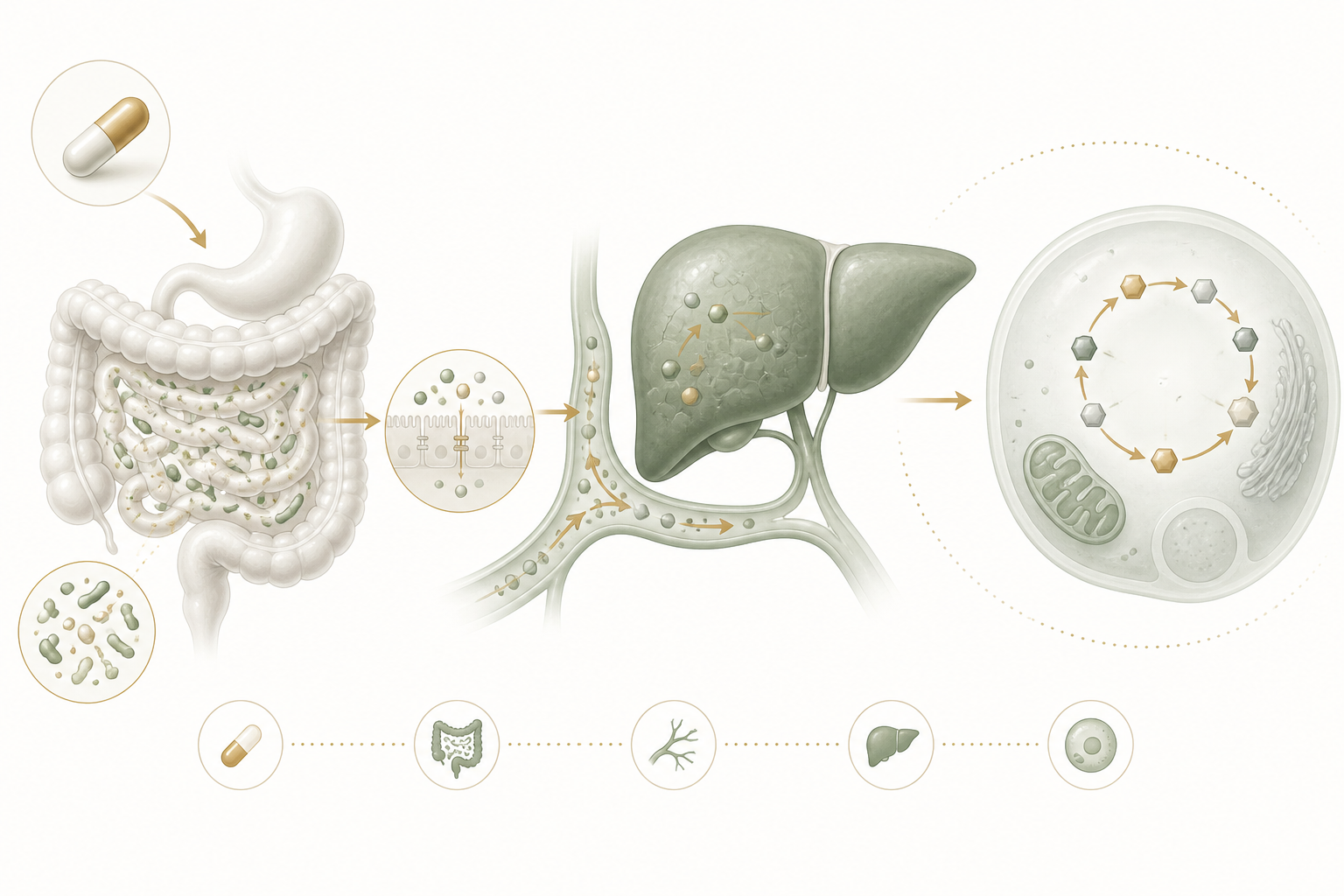
The relationship is best understood as a pathway rather than a promise. NMN is not NAD+ itself, and taking NMN does not guarantee that every tissue will respond in the same way. Absorption, metabolism, gut microbiota, liver processing, baseline health, and the dose used in a study may all influence the final response. AIDEVI’s latest NMN research guide explores why gut and liver metabolism are becoming more important to this conversation.
This distinction also matters when comparing NMN with other NAD+ support formats. NMN, nicotinamide riboside, NAD+, and niacin are related to NAD+ metabolism, but they are not interchangeable ingredients. Readers who want to understand those differences can continue with AIDEVI’s guide to NAD+ versus NMN and its comparison of NMN versus NR.
What does human research actually show?
The most useful question is not whether NMN sounds promising. It is what researchers have measured in people, how many participants were included, how long the study lasted, and whether the result was clinically meaningful. So far, human research has focused on blood NAD+ levels, safety markers, muscle or walking performance, exercise-related measures, and selected metabolic outcomes.
For example, one randomized, placebo-controlled trial gave healthy adults 250 mg of NMN per day for 12 weeks. The study reported an increase in whole-blood NAD+ and no obvious adverse effects during the study period. That is useful evidence that NMN can influence a biomarker under specific conditions. It is not proof that the same intervention prevents disease or reverses biological aging [1].
| Research area | What the evidence suggests | Responsible wording |
|---|---|---|
| Blood NAD+ levels | Small human trials suggest oral NMN can raise blood NAD+ under studied conditions. | “May increase blood NAD+.” |
| Muscle and physical performance | Some studies report signals in walking, sleep, or exercise-related measures, but results are not uniform. | “Evidence remains mixed.” |
| Metabolic outcomes | Small studies have explored insulin signaling and other markers; broad metabolic benefits are not established. | “Preliminary findings require larger trials.” |
| Longevity and disease prevention | Human evidence does not establish NMN as a treatment or prevention strategy. | “Not yet established in humans.” |
A systematic review of randomized trials included 10 studies and 437 participants. Doses ranged from 150 to 1,200 mg per day and the average follow-up was less than 10 weeks. The review found no significant improvement in the measured physical-performance parameters, although no serious adverse effects were observed in the included studies [2]. A newer meta-analysis likewise found favorable short-term tolerability but no clear broad metabolic benefit, while emphasizing the need for larger and longer studies [3].
Which potential NMN benefits remain unproven?
NAD+ participates in biological processes related to energy metabolism, cellular stress responses, and enzyme activity. Those mechanisms help explain why NMN is being studied. They do not automatically prove a consumer outcome. A mechanism is a reason to investigate an ingredient, not a substitute for a well-designed clinical trial.
This is especially important for claims about DNA repair, cardiovascular health, skin elasticity, cognition, diabetes, Alzheimer’s disease, Parkinson’s disease, cancer, or lifespan. Cell and animal studies can reveal pathways and generate hypotheses. They cannot tell a healthy adult that an oral supplement will produce the same result. Human studies also vary in participant age, health status, formulation, dose, duration, and endpoints.
One small study in older men with diabetes and impaired physical performance found that 250 mg of NMN per day for 24 weeks was tolerable, but it did not significantly improve grip strength or walking speed compared with placebo [4]. The honest interpretation is not that NMN has no value. It is that a plausible pathway and a safe short-term study do not guarantee a meaningful result for every goal or population.
Is NMN safe?
Current human studies generally describe NMN as well tolerated over the short periods studied, with no consistent signal of serious adverse effects. That is reassuring, but it is not the same as proving long-term safety for every adult. The available evidence is still limited by small sample sizes, short follow-up, different formulations, and the fact that many studies enrolled relatively healthy volunteers.
People respond differently to supplements. A formula may contain ingredients besides NMN, and those ingredients can have their own precautions. Anyone who is pregnant, nursing, taking medication, managing a medical condition, preparing for surgery, or concerned about liver or kidney health should ask a qualified healthcare professional before starting a new supplement. Stop and seek advice if you experience a concerning or persistent reaction.
Do not treat a study dose as a personal prescription. A trial that used 250 mg, 600 mg, or 900 mg answers a research question under defined conditions. It does not establish the ideal dose for your age, health status, diet, medications, or goals. AIDEVI’s NMN dosage guide can help organize the questions to discuss, but it should not replace professional advice.
How should you evaluate an NMN supplement label?
A professional product comparison begins with transparent facts rather than dramatic promises. Look at the label, serving size, ingredient form, storage instructions, warnings, and quality documentation. A product can be clearly labeled without having proven clinical effects, so quality transparency and efficacy evidence should remain separate questions.
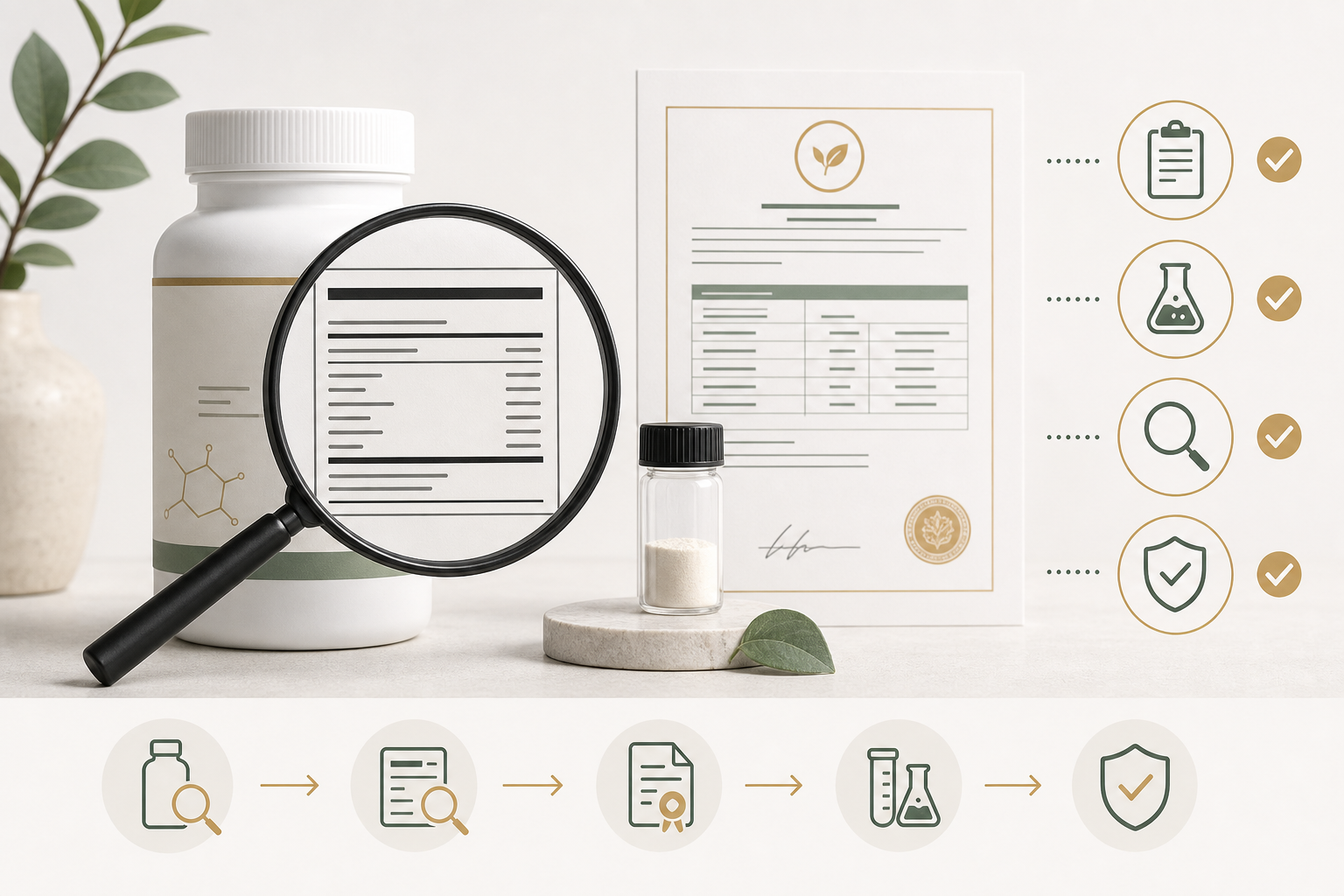
| Label check | Why it matters |
|---|---|
| Exact NMN form and amount | You should know whether the label identifies β-NMN and how much is provided per capsule and per serving. |
| Complete Supplement Facts panel | A blend should disclose its active ingredients and serving structure so you can assess overlap with other products. |
| Batch-specific quality documentation | A current COA can provide useful information about identity, potency, and selected contaminants when the report is traceable to the product batch. |
| Manufacturing and storage information | Clear manufacturing and storage information supports product handling and accountability; it does not prove a health outcome. |
AIDEVI’s article on how to read an NMN certificate of analysis provides a practical next step. Also remember that FDA does not pre-approve dietary supplements for safety or effectiveness. GMP or cGMP refers to manufacturing controls, while a COA is a quality document; none of these terms should be presented as proof that a product treats or prevents disease [5].
How does an AIDEVI product fit into this discussion?
As an example of how to read a product label, the current AIDEVI NMN 18000 product page lists 600 mg of β-NMN per two-capsule serving. It also lists trans-resveratrol, fruit and vegetable powder, anthocyanins, and PQQ. This is product-fact context, not evidence that the complete formula prevents aging or treats a medical condition. Always review the current physical label and serving directions before use.
The useful question is whether the formula is transparent and appropriate for your routine. Compare the amount per capsule, amount per serving, total servings, additional ingredients, warnings, and available quality documentation. Do not choose a product only because its bottle number is larger or because its marketing uses stronger longevity language.
What lifestyle habits support NAD+ wellness?
NMN should be considered within a wider healthy-aging routine. Regular movement, resistance training, adequate sleep, varied nutrition, and a stable eating pattern influence many of the same systems that make NAD+ research interesting. These habits also have a broader evidence base than any single longevity supplement.
If your goal is general cellular wellness, start with habits that support several systems at once: eat enough protein and fiber, include a range of plant foods, protect sleep regularity, manage alcohol intake, and build daily movement. AIDEVI’s guide to natural ways to support NAD+ levels can help you build a simple foundation. For metabolic goals, read the discussion of NMN and metabolic health research without treating a supplement as a substitute for testing or medical care.
Conclusion
NMN is a meaningful subject in NAD+ and healthy aging research because it can participate in a pathway connected to cellular energy metabolism. Small human studies suggest that oral NMN may increase blood NAD+ and is generally tolerated over short periods. The evidence does not yet support claims that NMN reverses aging, prevents disease, or guarantees improvements in energy, cognition, skin, or longevity.
The most professional way to evaluate NMN is to separate mechanism from outcome, short-term safety from long-term certainty, and product transparency from clinical efficacy. Read the label, check the evidence, use realistic expectations, and seek professional guidance when your health context or medication list makes the decision more complex.
Frequently Asked Questions
What is NMN?
NMN, or nicotinamide mononucleotide, is a molecule involved in the body’s pathway for producing NAD+. NAD+ participates in cellular energy metabolism and other biological processes. NMN is not the same compound as NAD+.
Does NMN increase NAD+?
Small human studies suggest that oral NMN can increase blood NAD+ under specific study conditions. This biomarker finding does not prove that NMN will create the same result in every tissue or produce a guaranteed health benefit.
Is NMN safe to take every day?
Short-term clinical studies generally report good tolerance, but long-term safety is not fully established. Follow the current product label and ask a healthcare professional before use if you are pregnant, nursing, taking medication, managing a medical condition, or combining several supplements.
What dose of NMN should I take?
There is no single dose that can be prescribed for everyone through a general article. Clinical studies have used different amounts and durations. Use the product’s current directions and discuss personal dosing questions with a qualified healthcare professional rather than treating a study dose as a recommendation.
Does NMN reverse aging or prevent disease?
No. NMN is being studied for its relationship to NAD+ metabolism and healthy aging. Current human evidence does not establish NMN as a treatment or prevention strategy for cancer, diabetes, dementia, cardiovascular disease, or aging itself.
References
- [1] Oral Administration of Nicotinamide Mononucleotide Is Safe and Efficiently Increases Blood NAD+ Levels in Healthy Subjects.
- [2] Improved Physical Performance Parameters in Patients Taking Nicotinamide Mononucleotide: A Systematic Review of Randomized Control Trials.
- [3] Safety and Metabolism-Related Outcomes of Oral Nicotinamide Mononucleotide Supplementation in Adults: A Systematic Review and Meta-Analysis.
- [4] Effects of Nicotinamide Mononucleotide on Older Patients with Diabetes and Impaired Physical Performance.
- [5] FDA: Information on Select Dietary Supplement Ingredients and Other Substances.
These statements have not been evaluated by the Food and Drug Administration. This product is not intended to diagnose, treat, cure, or prevent any disease. Individual results may vary. Consult a healthcare professional before starting any new supplement, especially if pregnant, nursing, taking medication, or managing a medical condition.
