




Embracing Ageless Vitality After 40: The "Second Spring" and the Biological Shift
For many women, the journey into their 40s marks a pivotal transition, often referred to as the "second spring." This period, while rich with experience and wisdom, also ushers in a series of profound biological shifts that can significantly impact skin health, energy levels, and hormonal balance.
Far from being a passive decline, modern science reveals that these changes are driven by complex molecular processes, many of which are now understood and, crucially, addressable. A groundbreaking Stanford study highlighted massive biomolecular shifts occurring around age 44, underscoring that this decade is a critical juncture for health and longevity [1].
This article aims to redefine aging for the modern woman over 40, moving beyond the conventional focus on merely extending lifespan to prioritizing healthspan – the period of life spent in good health, free from chronic diseases and debilitating conditions.
We will explore a proactive, holistic approach to anti-aging, delving into the scientific mechanisms at play and showcasing how targeted strategies, including advanced supplementation with products like nmn and Ergothioneine, can empower women to maintain radiant skin, sustained energy, and optimal hormonal harmony. By understanding these intricate biological changes, women can make informed choices to not just age, but to thrive with ageless vitality.
The Biological Blueprint of Aging After 40: Hormones, NAD+, and Inflammaging

The physiological landscape for women over 40 is largely shaped by a complex interplay of hormonal changes, cellular energy dynamics, and systemic inflammation. Understanding these core biological mechanisms is the first step toward effective anti-aging strategies.
Hormonal Orchestration: The Perimenopausal Transition
The most significant biological event for women in their 40s is often the onset of perimenopause, the transitional phase leading to menopause. This period is characterized by fluctuating, and eventually declining, levels of key reproductive hormones, primarily estrogen and progesterone, and to a lesser extent, testosterone [2]. These hormonal shifts are not isolated events; they exert widespread effects across virtually every system in the body:
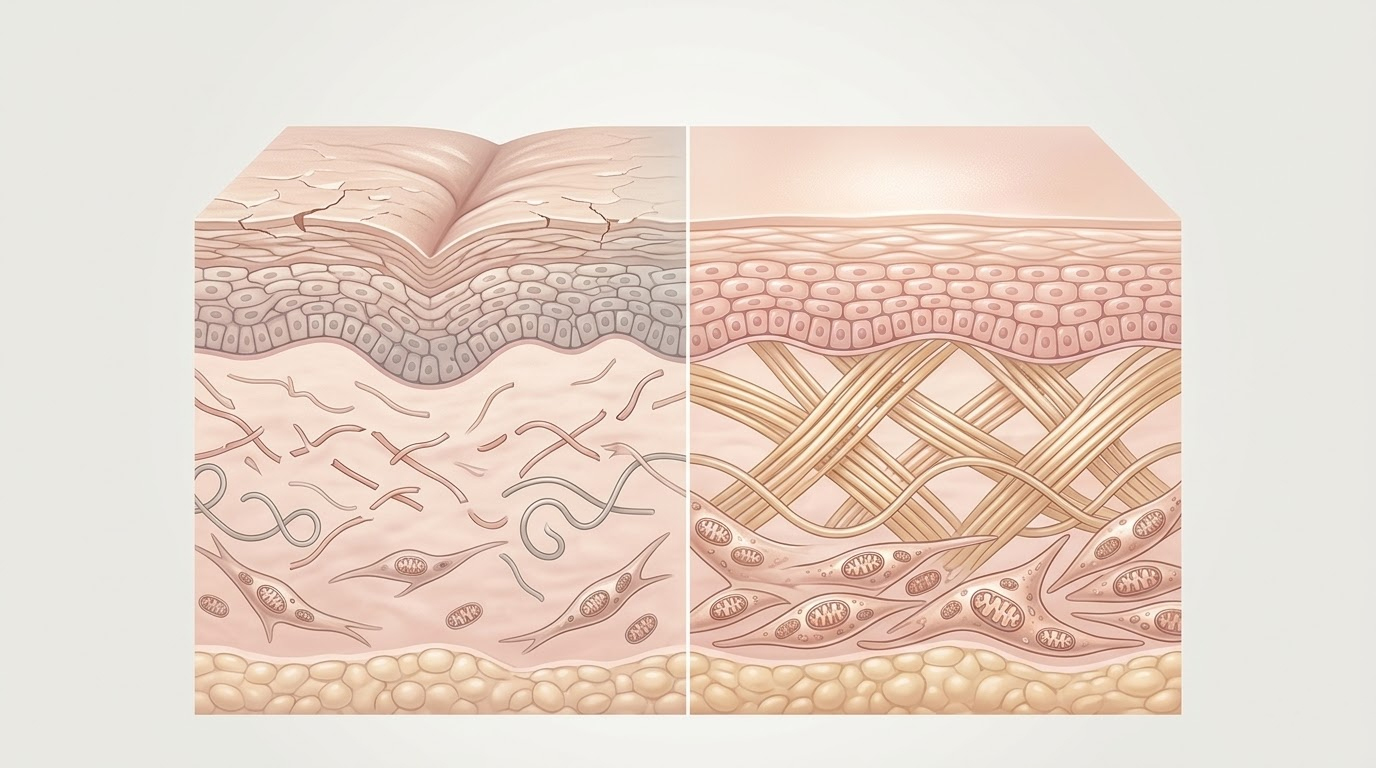
Estrogen and Skin Health: Estrogen is a cornerstone of skin health, playing a vital role in maintaining collagen synthesis, elastin production, hyaluronic acid content, and the skin barrier function. As estrogen levels decline, fibroblasts—the cells responsible for producing collagen and elastin—become less active, leading to a noticeable reduction in skin hydration, elasticity, and an accelerated appearance of fine lines and wrinkles [3]. The skin becomes thinner, drier, and more susceptible to damage.
Progesterone and Well-being: Progesterone, often associated with calming effects, also impacts sleep quality and metabolic rate. Its fluctuations can contribute to sleep disturbances, mood swings, and difficulties in weight management.
Testosterone and Energy/Libido: While often overlooked in women, declining testosterone levels can affect energy, muscle mass, bone density, and libido, further contributing to a sense of diminished vitality.
The NAD+ Crisis: Why Cellular Energy Dips
Beyond hormonal changes, a universal hallmark of aging is the progressive decline in cellular levels of Nicotinamide Adenine Dinucleotide (NAD+) [4]. NAD+ is a critical coenzyme involved in over 500 enzymatic reactions, including those vital for energy metabolism (ATP production), DNA repair, and the activation of sirtuins. Sirtuins are a family of proteins often dubbed "longevity genes" due to their crucial roles in regulating cellular health, metabolism, and stress resistance [5].
By age 40, NAD+ levels can drop by as much as 50% compared to youth. This "NAD+ crisis" directly impairs mitochondrial function, leading to reduced cellular energy production and contributing to the pervasive fatigue and sluggishness often experienced by women in this age group. It also compromises the cell's ability to repair DNA damage, making cells more vulnerable to aging and disease.
Inflammaging: The Silent Driver of Systemic Aging
Another critical factor in age-related decline is inflammaging, a chronic, low-grade systemic inflammation that increases with age, even in the absence of overt infection [6]. This persistent inflammation contributes to cellular damage, accelerates tissue degeneration, and is implicated in numerous age-related diseases, including cardiovascular disease, neurodegeneration, and metabolic disorders. Hormonal changes during perimenopause can exacerbate inflammaging, creating a vicious cycle that further accelerates the aging process. Strategies that mitigate inflammation are therefore crucial for healthy aging.
Skin Rejuvenation: Cellular Renewal and the "Inside-Out" Approach
Achieving truly radiant and resilient skin after 40 goes far beyond superficial treatments. It demands an "inside-out" approach that addresses the cellular and molecular foundations of skin health. The visible signs of aging—wrinkles, loss of firmness, dryness—are direct manifestations of deeper biological changes.
Structural Changes: Fibroblast Senescence and the "Collagen Cliff"
One of the primary culprits behind skin aging is the decline in the function and number of fibroblasts, the skin cells responsible for producing collagen, elastin, and hyaluronic acid. With age, fibroblasts enter a state of senescence, where they stop dividing but remain metabolically active, secreting pro-inflammatory molecules that damage surrounding healthy cells [7]. This leads to a dramatic reduction in collagen and elastin, often referred to as the "collagen cliff," resulting in thinner, less elastic, and more fragile skin.
NMN & Skin DNA Repair: Reversing Photoaging and Enhancing the Skin Barrier
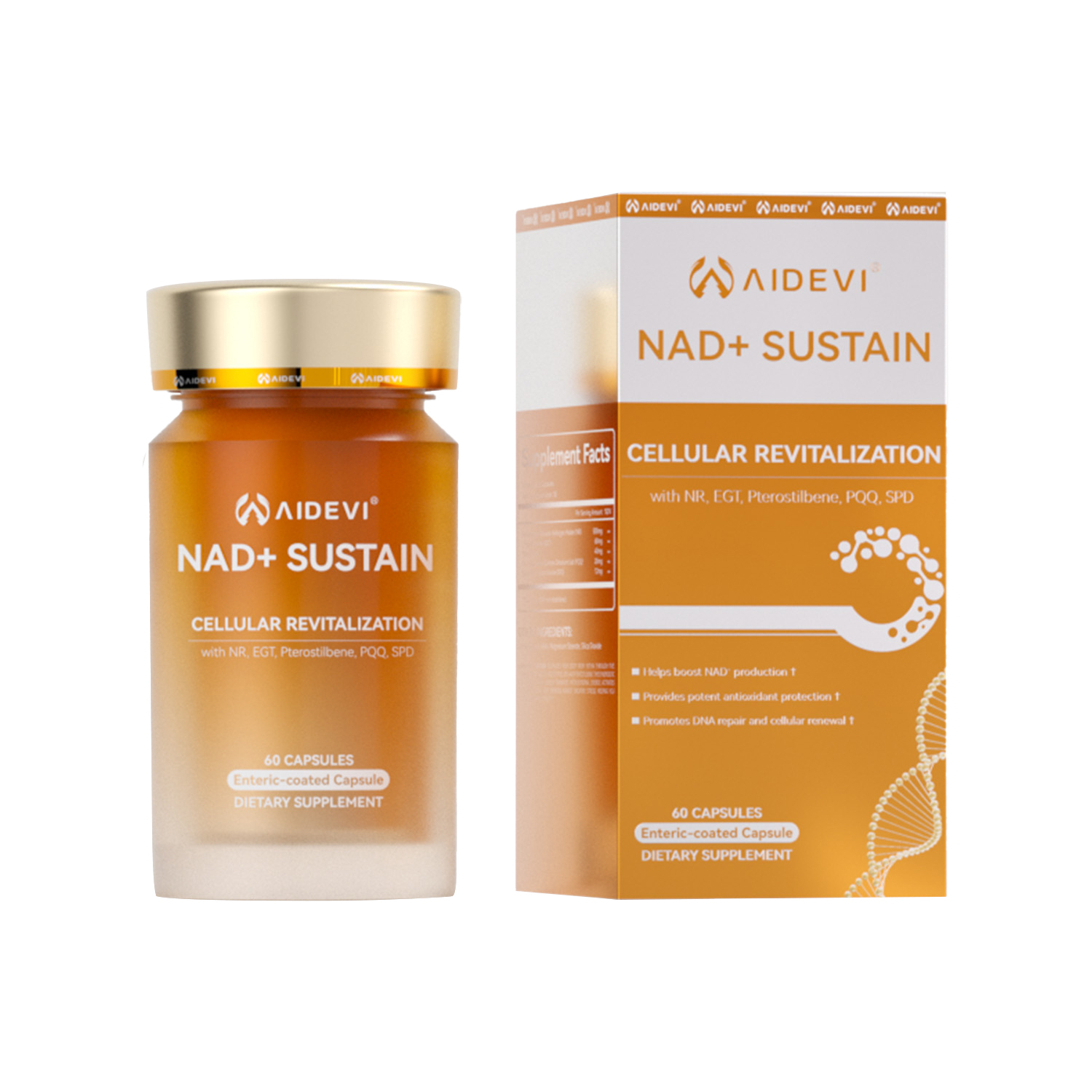
NMN supplementation, by boosting NAD+ levels, offers a powerful mechanism to counteract these changes. NAD+ is essential for the activity of PARPs (Poly-ADP-ribose polymerases), enzymes critical for repairing DNA damage caused by environmental factors like UV radiation (photoaging) [8]. By enhancing DNA repair, NMN helps maintain genomic integrity in skin cells, reducing the accumulation of damage that leads to premature aging. Furthermore, increased NAD+ levels support sirtuin activity, which can improve skin barrier function and reduce inflammation, leading to better hydration and a more resilient complexion [9]. Clinical studies have shown that NMN supplementation can increase skin elasticity and improve other markers of skin health in postmenopausal women [10].
Ergothioneine (EGT): The Mitochondrial Shield and Whitening Powerhouse
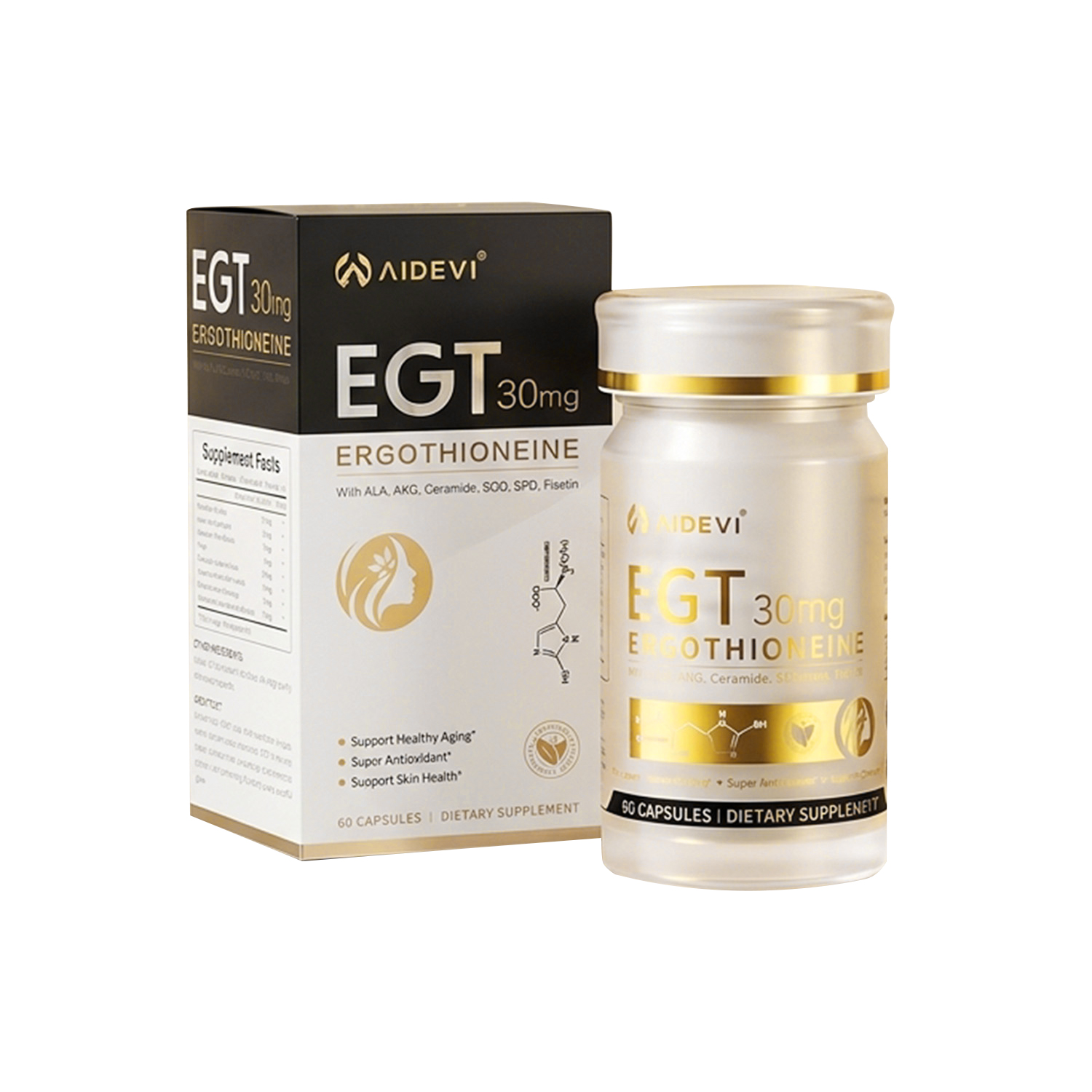
Beyond NMN, another remarkable compound for skin health is Ergothioneine (EGT). EGT is a unique, naturally occurring amino acid with potent antioxidant properties, often dubbed the "longevity vitamin" [11]. What sets EGT apart is its specific transporter (OCTN1), which allows it to be efficiently delivered into cells, particularly into the mitochondria—the cell's powerhouses [12].
Mechanism of Action: Within mitochondria, EGT acts as a powerful scavenger of reactive oxygen species (ROS), protecting mitochondrial DNA and proteins from oxidative damage. This is crucial because mitochondrial dysfunction is a key driver of cellular aging and skin damage. EGT has been shown to reduce mitochondrial DNA damage by up to 70% under oxidative stress [13].
EGT vs. Traditional Antioxidants: Unlike many other antioxidants that are consumed in the process of neutralizing free radicals, EGT is thought to be recycled, offering sustained protection. Its targeted delivery to mitochondria makes it exceptionally effective at protecting these vital organelles from oxidative stress, a benefit not always shared by more common antioxidants like Vitamin C or E.
Whitening and Anti-Glycation Effects: Clinical research suggests EGT can inhibit tyrosinase activity, an enzyme involved in melanin production, thereby contributing to skin whitening and reducing hyperpigmentation. It also exhibits anti-glycation properties, preventing the formation of Advanced Glycation End-products (AGEs) that stiffen collagen and contribute to skin aging [14].
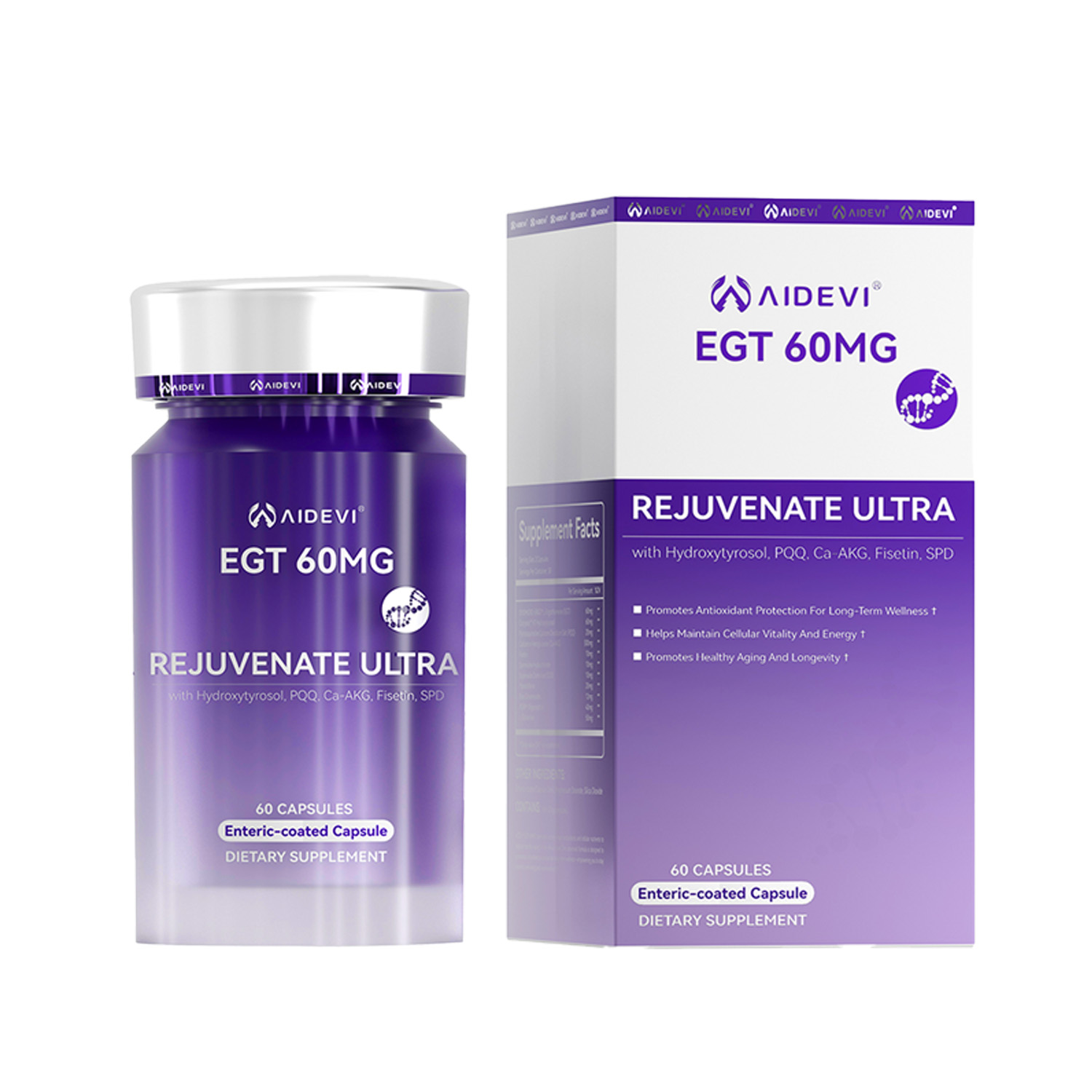
AIDEVI Ergothioneine (EGT) offers these unique benefits for skin improvement and anti-aging. It helps protect cells from damage, supports detoxification, and can contribute to a brighter, more even skin tone. Discover the full potential of this underestimated king of anti-aging on our AIDEVI EGT product page and learn more in our article: Ergothioneine Supplement: The Underestimated King of Anti-Aging.

Radiant Skin After 40: The Role of NMN and Antioxidants
Actionable Protocol: A 3-Step Internal Skincare Routine
1. NAD+ Optimization: Consistent NMN supplementation to support DNA repair and cellular energy in skin cells.
2. Mitochondrial Protection: Daily intake of EGT to shield mitochondria from oxidative stress and enhance skin resilience.
3. Collagen Support: Incorporate marine collagen peptides and Vitamin C to provide raw materials for collagen synthesis.
Energy & Vitality: Recharging the Cellular Battery
Persistent fatigue is a hallmark complaint among women over 40, often dismissed as a normal part of aging. However, this "feeling tired" is frequently a direct reflection of mitochondrial dysfunction—the reduced efficiency of the cellular powerhouses responsible for generating ATP, the body's primary energy currency. As NAD+ levels decline with age, the entire cascade of energy production within the mitochondria slows down, leading to lower energy output and a pervasive sense of sluggishness.
NMN & The Krebs Cycle: The Science of ATP Production
NMN supplementation directly intervenes in this process by boosting NAD+ levels. NAD+ is a crucial coenzyme in the Krebs cycle (citric acid cycle) and the electron transport chain, which are the central metabolic pathways for ATP production within the mitochondria [15]. By ensuring ample NAD+, NMN effectively recharges the cellular battery, allowing mitochondria to function optimally, leading to increased vitality, reduced fatigue, and improved overall physical and mental performance. This translates to more sustained energy throughout the day, better endurance, and enhanced recovery.
Synergy with PQQ & Resveratrol: Mimicking Exercise at the Cellular Level
The effectiveness of NMN can be further amplified by synergistic compounds. AIDEVI NMN18000 is uniquely formulated with a blend of NMN, PQQ, Resveratrol, and Anthocyanin, creating a powerful anti-aging complex:
PQQ (Pyrroloquinoline Quinone): This potent antioxidant not only protects existing mitochondria but also promotes mitochondrial biogenesis—the growth of new mitochondria [16]. By increasing the number and health of mitochondria, PQQ works hand-in-hand with NMN to maximize cellular energy production.
Resveratrol: Known for its ability to activate sirtuins, particularly SIRT1, Resveratrol acts as a powerful longevity compound. When combined with NMN, which provides the NAD+ fuel for sirtuins, their activation is significantly enhanced, mimicking some of the cellular benefits of caloric restriction and exercise [17].
Anthocyanin: A potent antioxidant found in berries, Anthocyanin further contributes to cellular protection and can enhance the activity of NMN enzymes, thereby increasing NAD+ levels.
This comprehensive formula in AIDEVI NMN18000 is designed to create a cellular environment that mirrors the benefits of intense physical activity, even at rest, effectively mimicking exercise at the cellular level. To experience these benefits, consider AIDEVI NMN18000, a premium supplement designed to maximize NAD+ elevation. Learn more and purchase on our AIDEVI NMN 18000 product page.
Lifestyle Synergy: HIIT and NAD+ Salvage Pathways
While supplementation is powerful, it works best in conjunction with a healthy lifestyle. High-Intensity Interval Training (HIIT), for instance, has been shown to significantly increase the activity of key NAD+ salvage pathway enzymes, such as NAMPT (Nicotinamide Phosphoribosyltransferase) [18]. By combining HIIT with NMN supplementation, women over 40 can create a powerful dual approach to boost NAD+ levels and optimize cellular energy, leading to sustained vitality and improved physical performance.

Sustained Energy and Vitality for Women Over 40
Hormonal Harmony & Metabolic Resilience: A Foundation for Well-being
Maintaining hormonal harmony and metabolic resilience is fundamental for overall well-being in women over 40. The intricate relationship between hormones, metabolism, and aging means that addressing one often positively impacts the others. While NMN does not directly regulate hormones, its profound impact on metabolic health can indirectly support hormonal balance.
Insulin Sensitivity: The Link Between Hormones and Weight Gain After 40
One of the most common challenges for women over 40 is unexplained weight gain, particularly around the midsection. This is often linked to declining estrogen levels, which can lead to reduced insulin sensitivity [19]. When cells become less responsive to insulin, the body produces more insulin to compensate, leading to increased fat storage, especially visceral fat, and a higher risk of type 2 diabetes. This metabolic dysregulation can further exacerbate hormonal imbalances.
NMN's Role in Metabolic Flexibility: Reversing Age-Related Metabolic Decline
NMN, by boosting NAD+ levels, plays a crucial role in improving metabolic health and restoring metabolic flexibility—the body's ability to efficiently switch between burning carbohydrates and fats for energy. NAD+ is vital for the function of enzymes involved in glucose and lipid metabolism. By enhancing these pathways, NMN can improve insulin sensitivity, help regulate blood sugar levels, and promote healthier fat metabolism, thereby mitigating age-related metabolic decline and supporting hormonal balance [20]. Clinical studies have shown NMN can improve metabolic markers in postmenopausal women [10].
The Gut-Hormone Axis: How Fiber and Probiotics Complement NMN
The gut microbiome plays a surprisingly significant role in hormonal balance, particularly estrogen metabolism. A healthy gut helps process and eliminate excess hormones, preventing their reabsorption and maintaining equilibrium. A diet rich in fiber, prebiotics, and probiotics supports a diverse and healthy gut microbiome, which in turn supports the gut-hormone axis [21]. This lifestyle factor, combined with NMN's metabolic benefits, creates a powerful internal environment conducive to hormonal harmony.
Stress Management: Cortisol's Impact on NAD+ Depletion
Chronic stress, a pervasive issue in modern life, can significantly impact hormonal balance. Elevated cortisol levels, the body's primary stress hormone, can disrupt the delicate balance of other hormones, including estrogen and progesterone. Furthermore, stress can deplete NAD+ levels, as the body utilizes NAD+ in stress response pathways [22]. Therefore, effective stress management techniques—such as mindfulness, meditation, yoga, and adequate sleep—are not just beneficial for mental well-being but are critical for preserving NAD+ and supporting overall hormonal health.
The AIDEVI Longevity Protocol: A Science-Backed Regimen
Integrating advanced, science-backed supplementation with intelligent lifestyle choices forms the cornerstone of an effective anti-aging strategy for women over 40. AIDEVI offers a meticulously crafted range of products designed to support this comprehensive approach, focusing on purity, potency, and synergistic action.
Why AiDevi NMN18000? Purity, Enzymatic Synthesis, and the 4-in-1 Synergy
AIDEVI NMN18000 stands as a beacon of quality in the NMN market, engineered for those who demand the best for their longevity journey. Its superiority stems from several key features:
Ultra-High Purity: AIDEVI NMN18000 is produced using advanced enzymatic synthesis, ensuring over 99% purity. This commitment to purity is paramount, as contaminants can reduce efficacy and introduce unwanted side effects. High purity guarantees that you are receiving the most potent form of NMN, directly contributing to maximum NAD+ elevation.
Comprehensive 4-in-1 Formula: Beyond NMN, each capsule is artfully combined with a synergistic blend of PQQ, Resveratrol, and Anthocyanin. This multi-ingredient approach targets multiple anti-aging pathways simultaneously, creating a comprehensive solution for addressing age-related decline in skin, energy, and metabolic health.
This unique formulation makes AIDEVI NMN18000 an essential component for addressing the multifaceted aspects of age-related decline. Explore AIDEVI NMN18000 here and take a proactive step towards revitalized health.
The Role of EGT & Saffron: Addressing Specific Needs
For targeted support, AIDEVI offers additional premium supplements:
AIDEVI EGT (Ergothioneine): As discussed, EGT is a powerful antioxidant with a unique ability to protect mitochondria and enhance skin health. For women prioritizing radiant skin and cellular protection against oxidative stress, EGT is an invaluable addition. Discover AIDEVI EGT for radiant skin.
AIDEVI Saffron Gummies: For women seeking support for mood balance, cognitive function, and stress reduction—all crucial for hormonal harmony and overall well-being after 40—saffron has demonstrated promising benefits.
Dosage & Timing: Optimizing for the Circadian Rhythm
Optimal benefits from NMN and other supplements are often achieved when aligned with the body's natural circadian rhythm. For NMN, many experts suggest taking it in the morning, ideally with your first meal. This timing supports NAD+ levels during the active phase of your day when cellular energy demands are highest. For other supplements, follow product-specific recommendations or consult a healthcare professional.
Your Journey to Radiant Longevity
Navigating the changes that come with aging after 40 can be a journey of empowerment and profound self-discovery. By understanding the intricate biological mechanisms that influence skin health, energy metabolism, and hormonal balance, women can move beyond reactive measures to embrace a truly proactive and holistic approach to anti-aging. The synergy of intelligent lifestyle choices—encompassing nutrient-rich diets, consistent physical activity, and effective stress management—combined with advanced, science-backed supplementation, offers a powerful roadmap. Products like AIDEVI NMN18000 and AIDEVI EGT are not merely supplements; they are tools that empower women to proactively support their bodies at a cellular level. Your journey to radiant longevity is not just a possibility; it is an achievable reality, and it starts now.
Frequently Asked Questions (FAQ)
Q1: Is NMN good for women over 40?
Yes. NMN may help women over 40 by supporting NAD+ production, which plays a key role in cellular energy, DNA repair, metabolic function, and healthy aging. This may contribute to better energy levels, improved skin health, and stronger overall vitality.
Q2: Can NMN help with menopausal symptoms like hot flashes or mood swings?
While NMN is not a direct hormonal therapy, its role in improving overall cellular health, energy metabolism, and reducing inflammation can indirectly alleviate some menopausal discomforts. By boosting energy and supporting overall well-being, NMN can help the body adapt more effectively to hormonal changes. Some studies suggest NMN can improve metabolic and hormonal markers in postmenopausal women. However, for specific menopausal symptoms like severe hot flashes or mood swings, consulting a healthcare professional for personalized advice and potential hormonal therapies is recommended.
Q3: What other supplements should women over 40 consider for comprehensive anti-aging?
Beyond NMN and Ergothioneine, women over 40 might consider a range of supplements to complement their anti-aging regimen:
- Resveratrol: Often paired with NMN for synergistic sirtuin activation and antioxidant benefits.
- Collagen Peptides: To support skin elasticity, joint health, and bone density.
- Vitamin D3 & K2: Crucial for bone health, immune function, and hormonal balance.
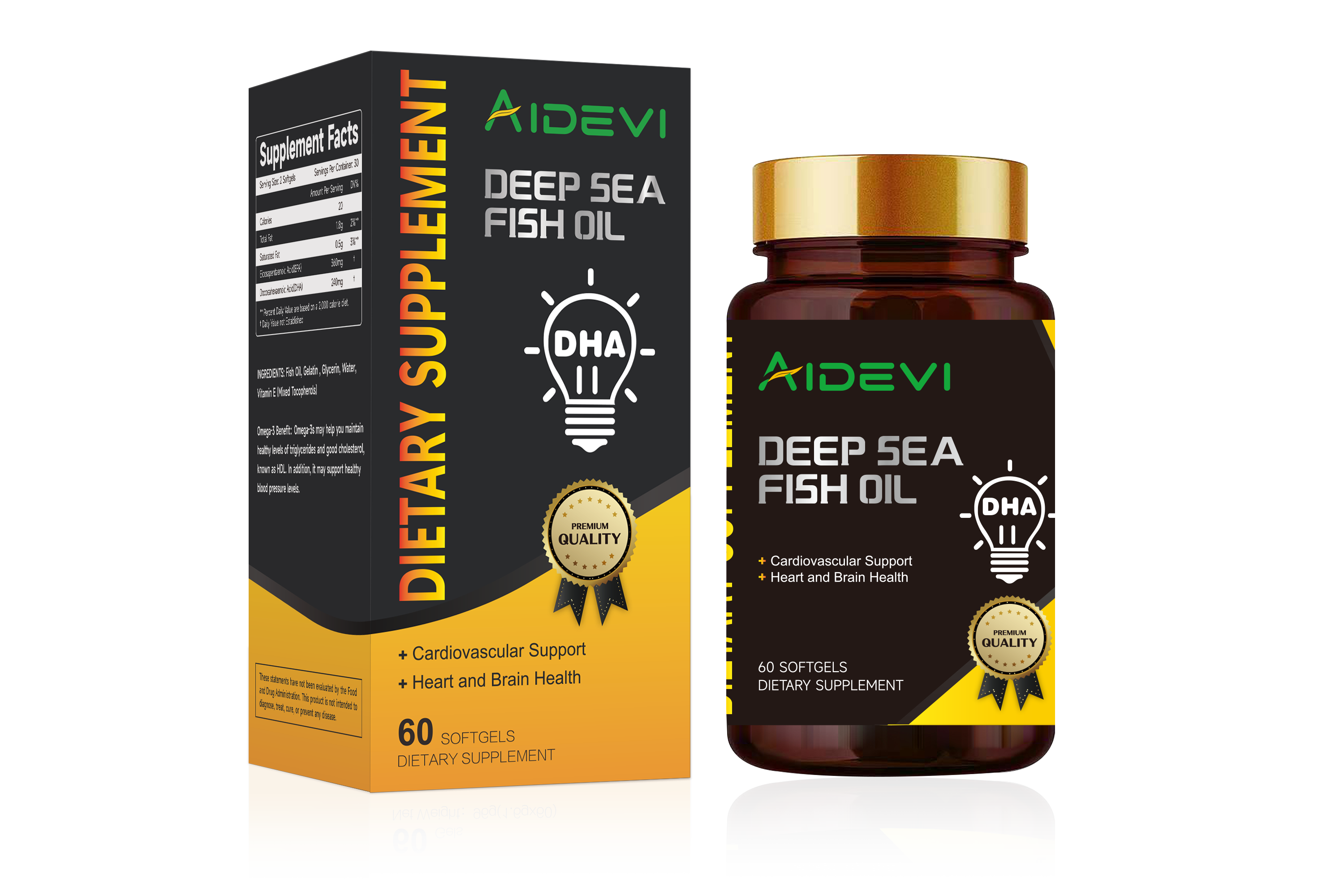
- Omega-3 Fatty Acids: For anti-inflammatory effects and cardiovascular support.
- Targeted Probiotics: To support gut health and hormonal balance.
- Magnesium: Essential for muscle function, sleep, and energy production.
Always consult a healthcare professional before starting new supplements.
Q4: How long does it take to see noticeable results from NMN and other anti-aging supplements?
Results can vary widely depending on individual physiology, lifestyle, consistency of use, and the specific supplements. Some women report feeling increased energy, improved sleep quality, and better skin texture within a few weeks to 2-3 months of consistent NMN use. More profound cellular benefits may take 3-6 months or longer. Consistency with both supplementation and a healthy lifestyle is paramount for observing long-term, sustainable benefits.
Q5: Are AIDEVI products safe for long-term use, and what about potential side effects?
AIDEVI products, including NMN18000 and EGT, are manufactured with stringent quality control and high purity standards. They are generally considered safe for long-term use by healthy adults when taken as directed. NMN, in particular, has been studied for its safety and tolerability in human trials [23]. Potential side effects are typically mild and rare. It is always advisable to consult with a healthcare professional before starting any new supplement regimen, especially if you have any pre-existing health conditions, are pregnant or breastfeeding, or are taking other medications.
References
- Lehallier, B., et al. (2019). Undulating changes in human plasma proteome across the lifespan. Nature Medicine, 25(12), 1843-1850. https://med.stanford.edu/news/all-news/2024/08/massive-biomolecular-shifts-occur-in-our-40s-and-60s--stanford-m.html
- Prior, J. C. (1998). Perimenopause: The complex endocrinology of the menopausal transition. Endocrine Reviews, 19(4), 397–428. https://doi.org/10.1210/edrv.19.4.0340
- Rzepecki, A. K., Murase, J. E., Jalian, H. R., & Bhambri, S. (2019). Estrogen and the Skin: An Overview. Journal of Drugs in Dermatology, 18(12), 1227–1234. https://jddonline.com/articles/estrogen-and-the-skin-an-overview-S154596161900227X/
- Verdin, E. (2015). NAD+ in aging, metabolism, and neurodegeneration. Science, 350(6265), 1208–1213. https://doi.org/10.1126/science.aac4854
- Imai, S., & Guarente, L. (2014). NAD+ and Sirtuins in Aging and Disease. Trends in Cell Biology, 24(8), 464–471. https://doi.org/10.1016/j.tcb.2014.04.002
- Franceschi, C., & Campisi, J. (2014). Chronic inflammation (inflammaging) and its potential contribution to age-associated diseases. The Journals of Gerontology Series A: Biological Sciences and Medical Sciences, 69(Suppl_1), S4–S9. https://doi.org/10.1093/gerona/glu057
- Victorelli, S., & Lagnado, A. (2018). Senescent cells in ageing and disease. Molecular and Cellular Oncology, 5(2), e1424411. https://doi.org/10.1080/23723556.2017.1424411
- NMN for Skin Aging: Boost NAD+ to Reduce Wrinkles Fast. NMNLabo.com. https://nmnlabo.com/blog/nmn-for-skin-aging/
- Yoshino, J., Baur, J. A., & Imai, S. I. (2018). NAD+ Intermediates: The Biology and Therapeutic Potential of NMN and NR. Cell Metabolism, 27(3), 513–528. https://doi.org/10.1016/j.cmet.2017.11.002
- Japanese Study Indicates NMN Reverses Signs of Aging in Older Women. NMN.com. https://www.nmn.com/news/nmn-reverses-aging-older-women
- Ergothioneine and its prospects as an anti-ageing compound. ScienceDirect. https://www.sciencedirect.com/science/article/pii/S0531556522002911
- Ergothioneine Supplement: The underestimated king of anti-aging. AIDEVI.com. http://www.aidevi.com/article/ergothioneine-supplement-the-underestimated-king-of-anti-aging.html
- L-Ergothioneine: The Longevity Vitamin Revolutionizing Anti-Aging. Mironova.com. https://www.mironova.com/blog/ergothioneine-longevity-science
- Ergothioneine and its congeners: anti-ageing mechanisms and therapeutic potential. PMC. https://pmc.ncbi.nlm.nih.gov/articles/PMC10903977/
- Safe and Effective Antioxidant: The Biological Mechanism and Potential Pathways of Ergothioneine in the Skin. PMC. https://pmc.ncbi.nlm.nih.gov/articles/PMC9967237/
- Stites, T., et al. (2000). Pyrroloquinoline quinone modulates mitochondrial biogenesis in PC12 cells. Free Radical Biology and Medicine, 28(12), 1751-1759. https://doi.org/10.1016/S0891-5849(00)00242-0
- Howitz, K. T., et al. (2003). Small molecule activators of sirtuins extend Saccharomyces cerevisiae lifespan. Nature, 425(6954), 191-196. https://doi.org/10.1038/nature01972
- Kujala, U. M., et al. (2017). Exercise-induced changes in the human metabolome. Metabolomics, 13(1), 1-11. https://doi.org/10.1007/s11306-016-1144-8
- Lovejoy, J. C., et al. (2008). The effect of menopause and hormone treatment on body composition and fat distribution. Journal of Clinical Endocrinology & Metabolism, 93(5), 1590-1596. https://doi.org/10.1210/jc.2007-2178
- Yoshino, M., et al. (2011). Nicotinamide mononucleotide, an intermediate of NAD+ synthesis, protects the heart from ischemia and reperfusion. Journal of Molecular and Cellular Cardiology, 50(6), 1100-1107. https://doi.org/10.1016/j.yjmcc.2011.02.013
- Baker, J. M., et al. (2017). Estrogen–gut microbiome axis: A new paradigm for host–microbe interactions. Trends in Endocrinology & Metabolism, 28(10), 743-751. https://doi.org/10.1016/j.tem.2017.07.008
- Braidy, N., et al. (2014). Stress-induced decrease in NAD+ and its implications in neurodegenerative diseases. FEBS Letters, 588(14), 2311-2318. https://doi.org/10.1016/j.febslet.2014.05.026
- Irie, J., et al. (2020). Effect of oral administration of nicotinamide mononucleotide on clinical parameters and nicotinamide metabolite levels in healthy Japanese men. Endocrine Journal, 67(2), 153-160. https://doi.org/10.1507/endocrj.EJ19-0313
