



AIDEVI Wellness Guide
Why Are Wealthy People Interested in nmn? Longevity, Anti-Aging Claims, and the Real Evidence
It is not accurate to say that wealthy people uniquely "love" NMN or that NMN reverses youth. A better answer is that high-income wellness consumers often adopt new longevity tools early because they have more access, curiosity, and budget for health optimization. NMN is scientifically interesting because it supports NAD+ metabolism, but current human evidence does not prove that it extends lifespan, reverses aging, or restores youth.
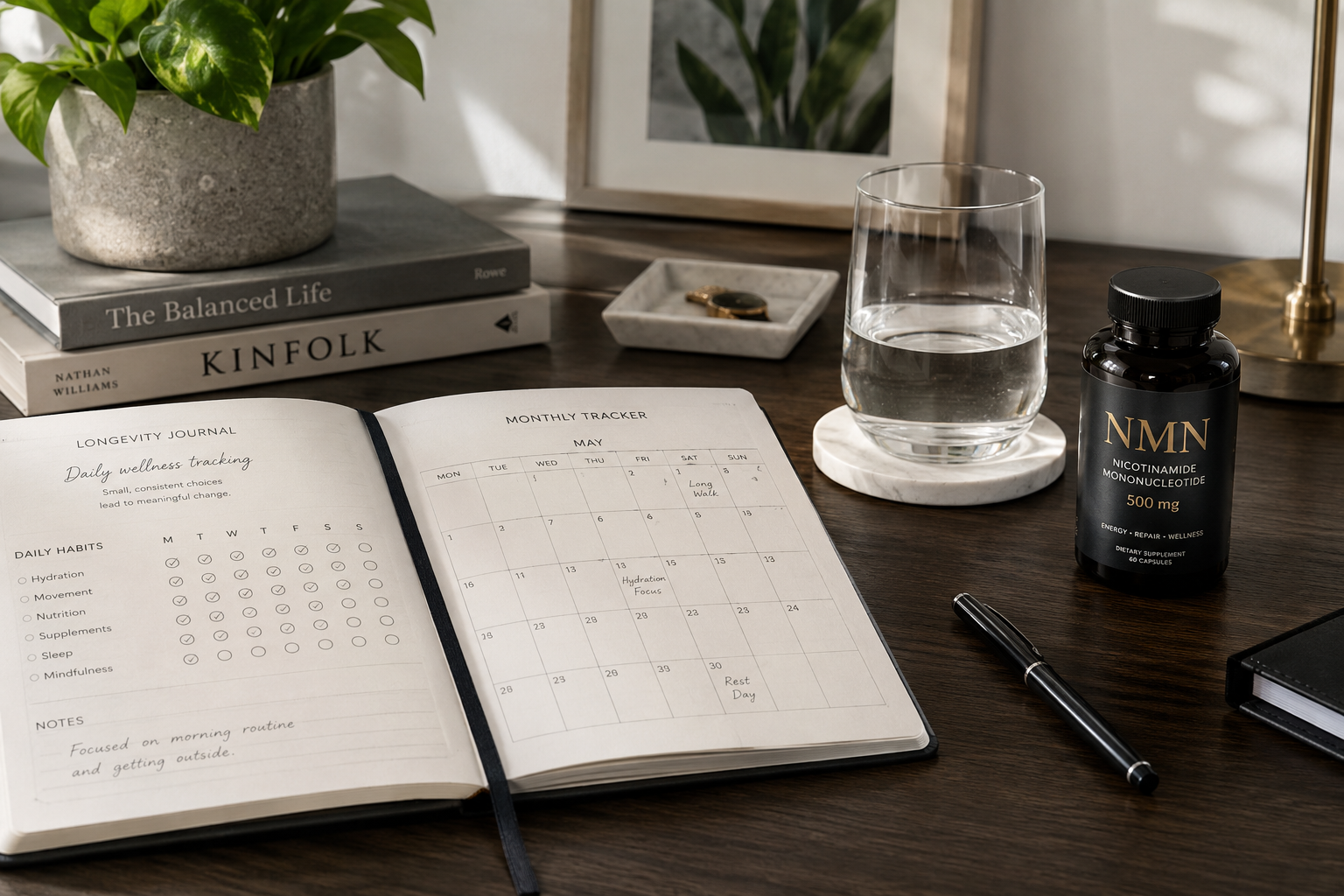
NMN belongs in the healthy-aging conversation, not in the miracle category. It may support cellular energy metabolism as part of a broader NAD+ routine, but the smartest buyer asks about evidence, dose, label clarity, safety, and daily habits before believing claims about longevity or age reversal.
- NMN interest is not limited to wealthy people, but premium wellness trends often reach high-income consumers early.
- NMN is discussed because it is a precursor in NAD+ biology, which is connected to cellular energy pathways.
- Human NMN studies are promising but limited; they do not prove lifespan extension or youth reversal.
- A responsible NMN routine should be judged by consistency, quality, realistic expectations, and professional guidance when needed.
Content
Why do wealthy people seem interested in NMN?
Wealthy people do not own the NMN category. Many ordinary wellness shoppers are interested in NAD+ support, cellular energy, and healthy aging. The reason NMN is often associated with affluent consumers is simpler: new longevity products usually start as premium, science-adjacent, higher-priced wellness tools. People with more disposable income may try them earlier, just as they may try advanced fitness testing, wearable trackers, private health screenings, or personalized nutrition programs.
That does not mean NMN is a status food or a luxury secret. It means NMN sits inside a wider health-optimization culture. Some people are drawn to it because they want more energy consistency. Some are curious about NAD+ biology. Some want a supplement routine that feels more science-informed than ordinary multivitamins. Others are influenced by longevity media, celebrity routines, or the fear of aging. Those motivations are understandable, but they should not replace evidence.
There is also a social reason the trend can look wealthier than it really is. Early adopters tend to talk loudly about new technology, private testing, and premium supplements. Their routines are more visible online, and the language around them often sounds exclusive. That visibility can make NMN feel like a luxury shortcut, even though the real question is not social class. The real question is whether the ingredient, dose, evidence, and safety context make sense for a specific adult.
AIDEVI's guide to what NAD+ means for cellular energy is a useful starting point because it explains the biological idea behind the interest. NMN should be evaluated as a NAD+ support ingredient, not as a symbol that someone has access to a secret anti-aging protocol.
What does NMN actually do?
NMN stands for nicotinamide mononucleotide. It is a compound involved in the body's NAD+ pathway. NAD+ is a coenzyme connected to energy metabolism and many cellular processes. In simple terms, NMN is discussed because the body can use it as part of the route toward maintaining NAD+ availability. That is why NMN appears in conversations about cellular energy, healthy aging, and long-term vitality.
The careful wording is important. NMN supports a biological pathway. It is not a stimulant, hormone, cosmetic procedure, prescription drug, or guaranteed anti-aging treatment. AIDEVI's article on cellular energy production and NMN supplementation helps explain how the cellular energy conversation differs from a promise that a person will immediately feel younger.
Some product pages may use dramatic phrases such as "reverse aging" or "return to youth." Those phrases are not the right standard for a responsible wellness article. A better standard is structure/function language: NMN may help support NAD+ metabolism and cellular energy as part of a healthy lifestyle. That is a much narrower claim, but it is also more honest.
Does NMN really bring longevity or anti-aging benefits?
The most accurate answer is: NMN is promising, but not proven to extend human lifespan or reverse youth. Human studies have explored NMN in different populations, doses, and durations. For example, a 12-week trial in older adults studied 250 mg per day and evaluated sleep quality, fatigue, physical performance, and NAD+-related outcomes [1]. Another study in healthy adults reported that oral NMN increased blood NAD levels in that study context [2].
Other human research has examined specific metabolic contexts, such as a trial in postmenopausal women with prediabetes that reported effects related to muscle insulin sensitivity [3]. These studies are useful because they move NMN beyond pure speculation. They are also limited because they do not answer every consumer question. They do not prove that NMN makes people live longer, reverses biological age, removes wrinkles, or restores a person's youth.
This is where wealthy wellness culture can become misleading. A person with money can buy more tests, more supplements, and more coaching, but money cannot turn preliminary evidence into guaranteed outcomes. AIDEVI's broader guide to healthy aging and antioxidant properties keeps the discussion grounded in support language rather than dramatic transformation.
The phrase "anti-aging" should be used carefully. In consumer wellness, it often means supporting healthy aging, vitality, and cellular resilience. It should not mean that a supplement treats aging as a disease, reverses chronological age, or guarantees visible youth. AIDEVI's article on whether NMN works is a better next step for readers who want a broader evidence review.
The AIDEVI Hype, Evidence, Routine, Boundary framework
- Hype: Notice claims such as "reverse youth," "stop aging," or "rich people secret."
- Evidence: Ask what human study, dose, duration, and outcome the claim depends on.
- Routine: Judge whether the product fits your sleep, nutrition, exercise, and supplement habits.
- Boundary: Keep NMN in the cellular wellness category, not the disease-treatment or age-reversal category.
How should a serious buyer evaluate NMN?
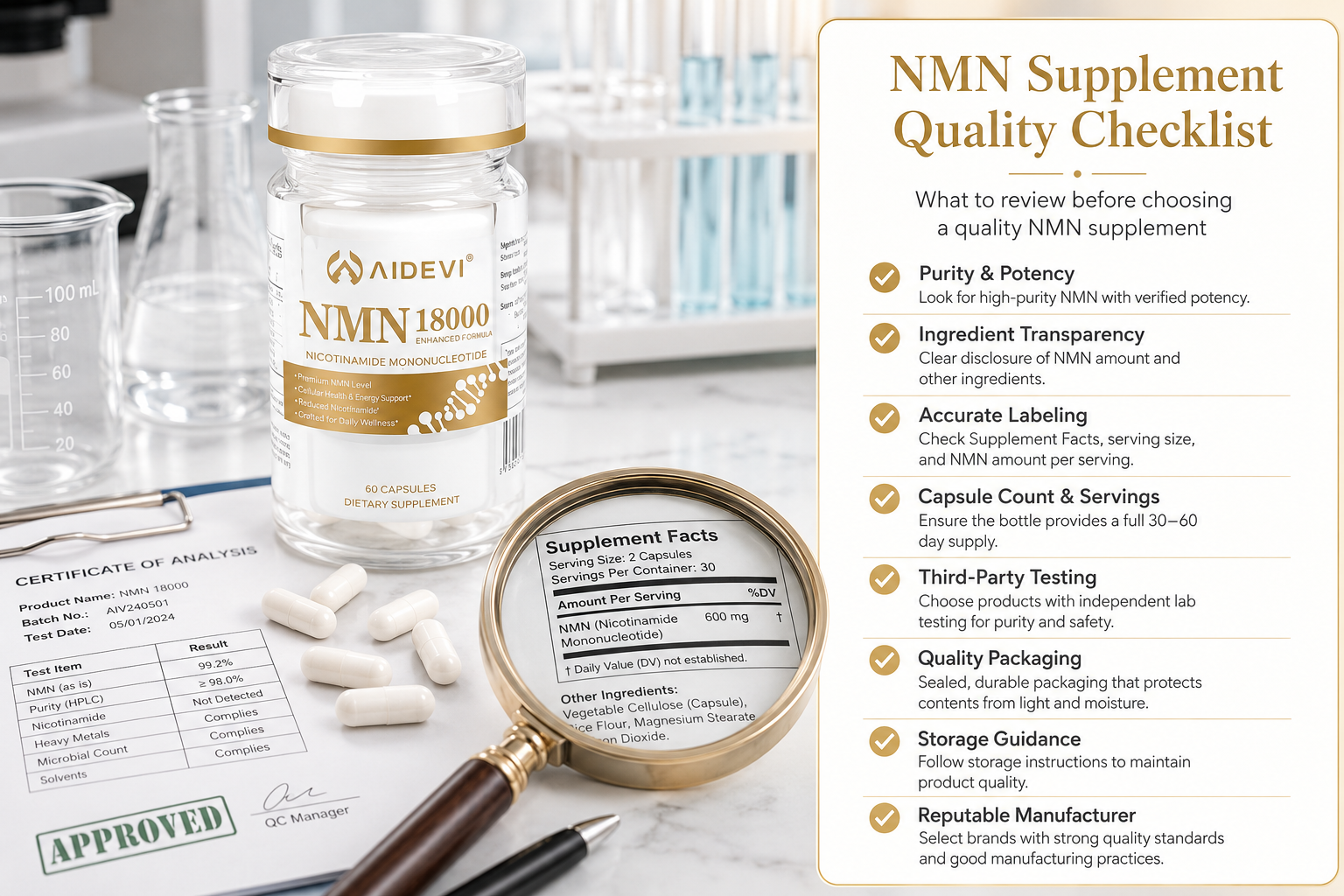
A serious buyer should evaluate NMN like any other supplement: ingredient identity, amount per serving, quality documentation, realistic claims, safety context, and routine fit. Do not buy NMN because a rich person, influencer, or longevity enthusiast mentions it. Buy it only if you understand what problem you are trying to solve and why NMN is a reasonable support layer.
| Best fit | Consider instead | Avoid or pause if |
|---|---|---|
| You want a clear NAD+ support routine with realistic healthy-aging expectations. | Lifestyle basics first if sleep, diet, movement, and stress are unmanaged. | The product promises age reversal, disease prevention, or guaranteed youth restoration. |
| The label states the NMN amount clearly and the brand explains quality controls. | A lower-complexity supplement plan if you already take many longevity products. | You cannot identify the dose, active ingredient, or testing logic. |
| You are prepared to track routine consistency, tolerance, and energy rhythm over weeks. | A clinician-guided plan if you have medical conditions or medication use. | You are pregnant, nursing, taking medication, or managing a condition without guidance. |
Dose is another place where hype appears. Some people assume that a higher dose must be more elite or more effective. That is not a reliable way to think about NMN. AIDEVI's NMN dosage by age guide explains why dose discussions should be tied to study context, label directions, tolerance, and professional guidance rather than status signaling.
Product format and ingredient choice also matter. Some shoppers compare NMN with NR, NAD+ products, or multi-ingredient longevity stacks. If you are deciding between related precursor directions, AIDEVI's guide to NMN versus NR for longevity support can help separate ingredient identity from trend language.
A useful self-check is simple: can you explain why NMN is in your routine in one sentence? "I want to support NAD+ metabolism as part of a healthy-aging plan" is a clear reason. "I heard successful people take it" is not. The more emotional the reason, the more important it becomes to slow down and read the label, evidence, and safety language carefully.
What is a realistic NMN routine?
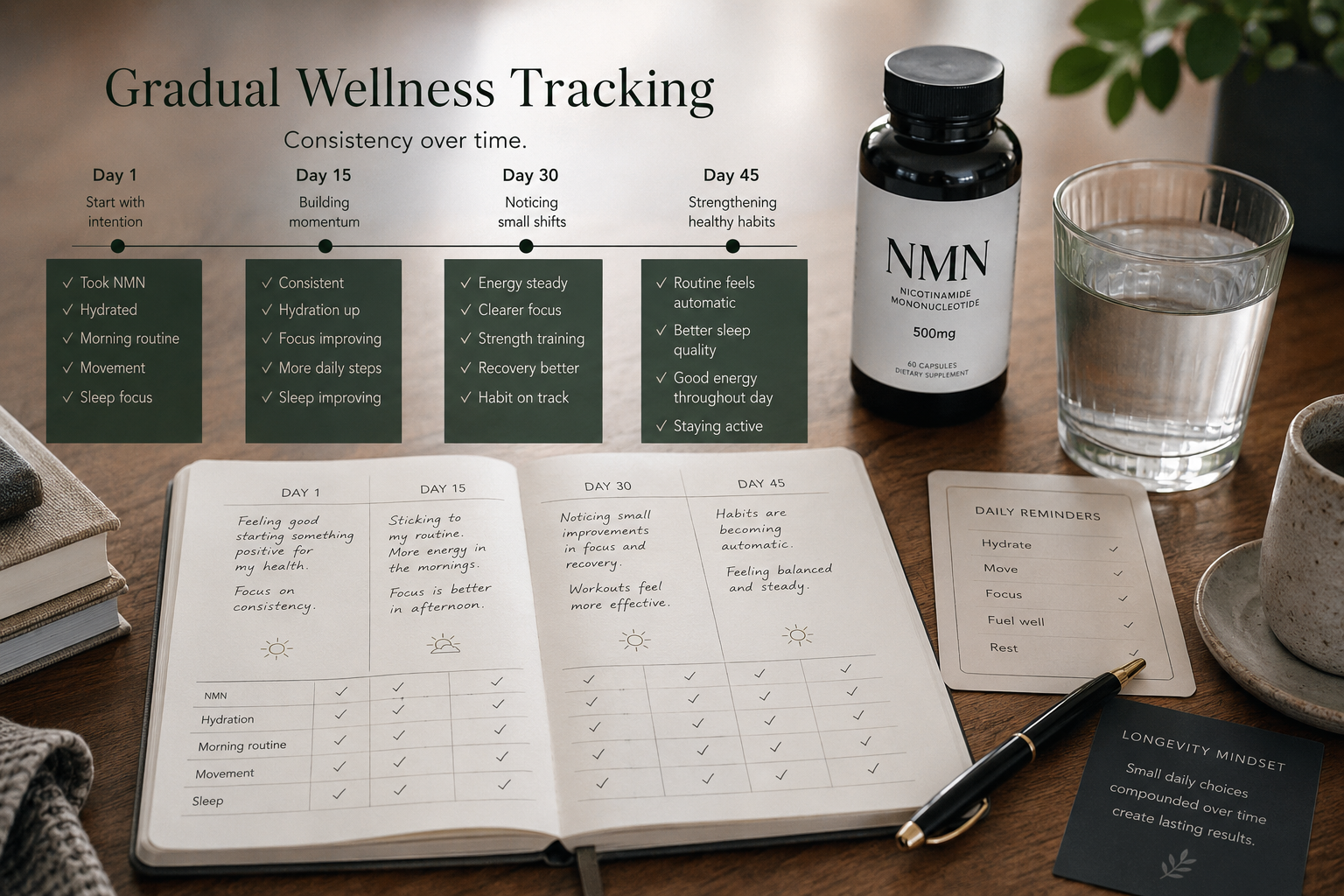
A realistic NMN routine is usually simple. Choose a transparent product, follow the label, keep other habits stable, and track whether the routine is comfortable and consistent. Do not start NMN, change your workout plan, add five other supplements, and then try to decide which change caused a better week. That is how longevity routines become expensive confusion.
For many users, the most useful tracking is practical: morning energy rhythm, sleep quality, digestion, workout recovery, focus, and general comfort. These are not medical outcomes, and they are not proof of longer life. They are routine signals that help a person decide whether a supplement fits. If the routine feels unclear, too expensive, or difficult to explain, simplify it.
AIDEVI NMN 18000 can be reviewed as a product example for shoppers who want a defined NMN capsule direction. The AIDEVI NMN 18000 product page provides current product details, while this article's main point remains broader: the best NMN decision is not about wealth, trend status, or fear of aging. It is about whether the formula, evidence, quality, and routine make sense for you.
Regulatory language matters too. In the United States, dietary supplements are not approved by FDA to diagnose, treat, cure, or prevent disease, and structure/function claims require the familiar FDA disclaimer when used on labeling [4]. That is why responsible NMN content should say "supports cellular energy" or "supports NAD+ metabolism," not "reverses youth" or "prevents aging."
Conclusion
The idea that "rich people love NMN" is too simple. NMN is popular among people interested in longevity because it sits at the intersection of NAD+ biology, health optimization, and anti-aging culture. Wealth may make early adoption easier, but it does not make the evidence stronger. NMN may be a reasonable part of a healthy-aging routine for some adults, yet it should not be described as a proven longevity drug, anti-aging cure, or youth reversal supplement.
The better question is not whether wealthy people take NMN. The better question is whether NMN fits your goals, your health context, your budget, and your standards for evidence. A calm, transparent routine beats a dramatic promise every time.
Frequently Asked Questions
Do wealthy people really take NMN more than everyone else?
There is no reliable rule that wealthy people take NMN more than everyone else. They may be more visible in longevity trends because premium wellness products, private testing, and health optimization programs are easier to access with a larger budget.
Can NMN reverse aging?
No responsible supplement article should claim that NMN reverses aging. Human research is developing, but current evidence does not prove youth restoration or lifespan extension.
Is NMN an anti-aging supplement?
NMN is commonly discussed in healthy-aging and NAD+ support routines. The phrase anti-aging should be interpreted carefully as wellness support, not as a promise to stop or reverse aging.
How long does NMN take to work?
NMN should be evaluated over weeks, not minutes or one day. Track routine consistency, sleep, digestion, energy rhythm, and comfort while keeping other habits stable.
Should I ask a healthcare professional before taking NMN?
Yes, especially if pregnant, nursing, taking medication, managing a medical condition, preparing for surgery, or using multiple supplements. Professional guidance is more valuable than copying a trend.
References
- [1] Effect of 12-week NMN intake on sleep quality, fatigue, and physical performance in older adults
- [2] Oral administration of nicotinamide mononucleotide and blood NAD levels in healthy subjects
- [3] NMN and muscle insulin sensitivity in postmenopausal women with prediabetes
- [4] FDA: Information for Industry on Dietary Supplements
Individual results may vary. Consult a healthcare professional before starting any new supplement, especially if pregnant, nursing, taking medication, or managing a medical condition.
These statements have not been evaluated by the Food and Drug Administration. This product is not intended to diagnose, treat, cure, or prevent any disease.
