
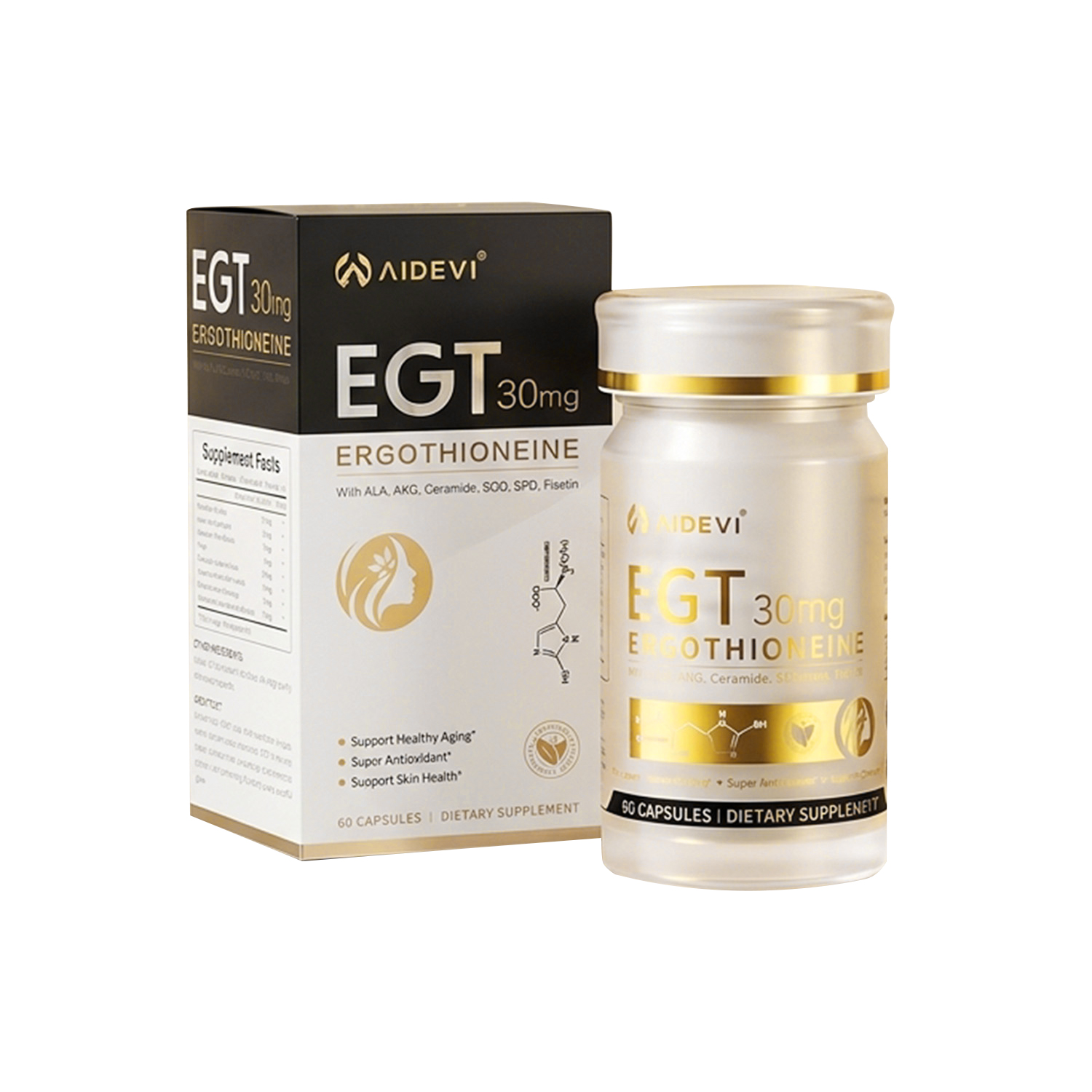
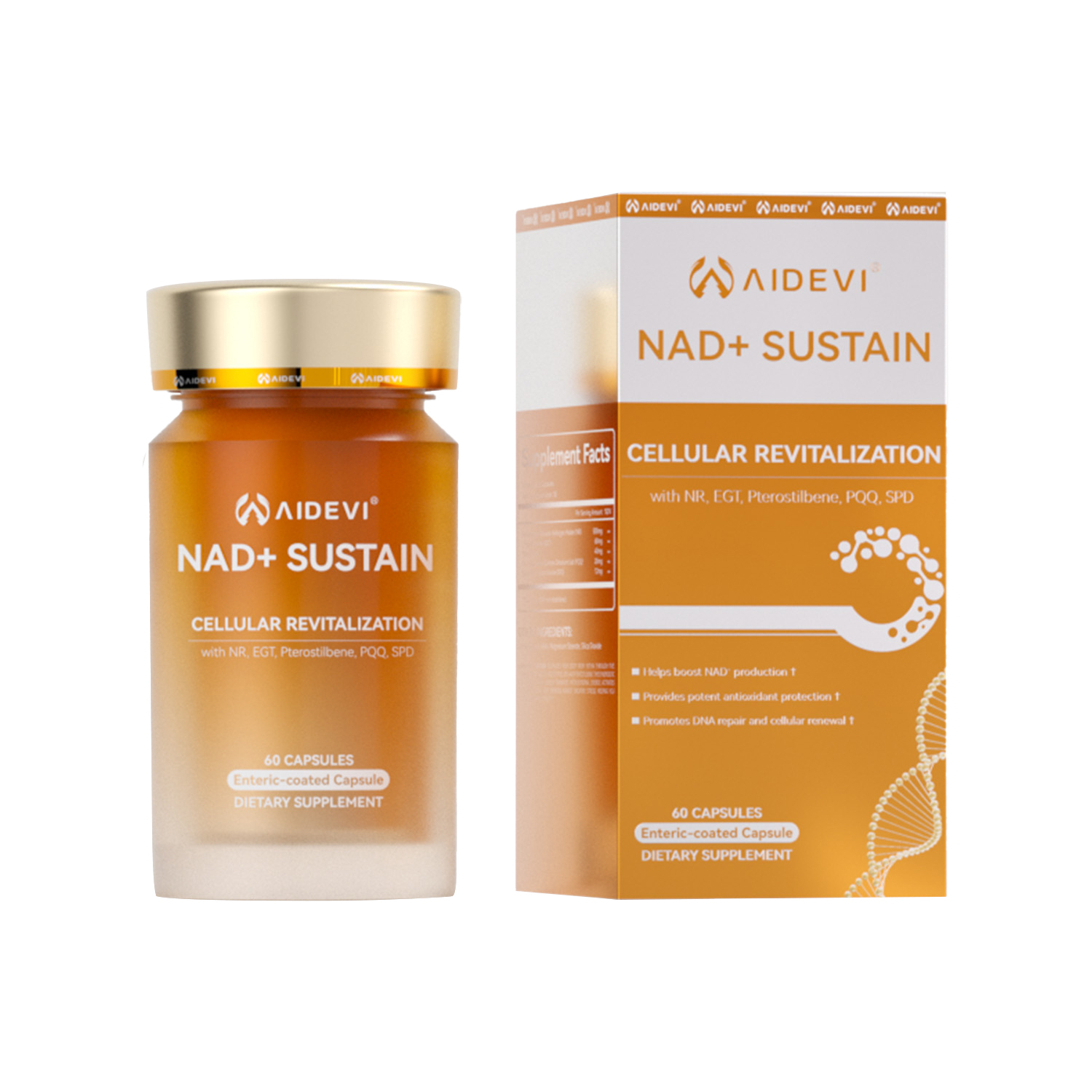


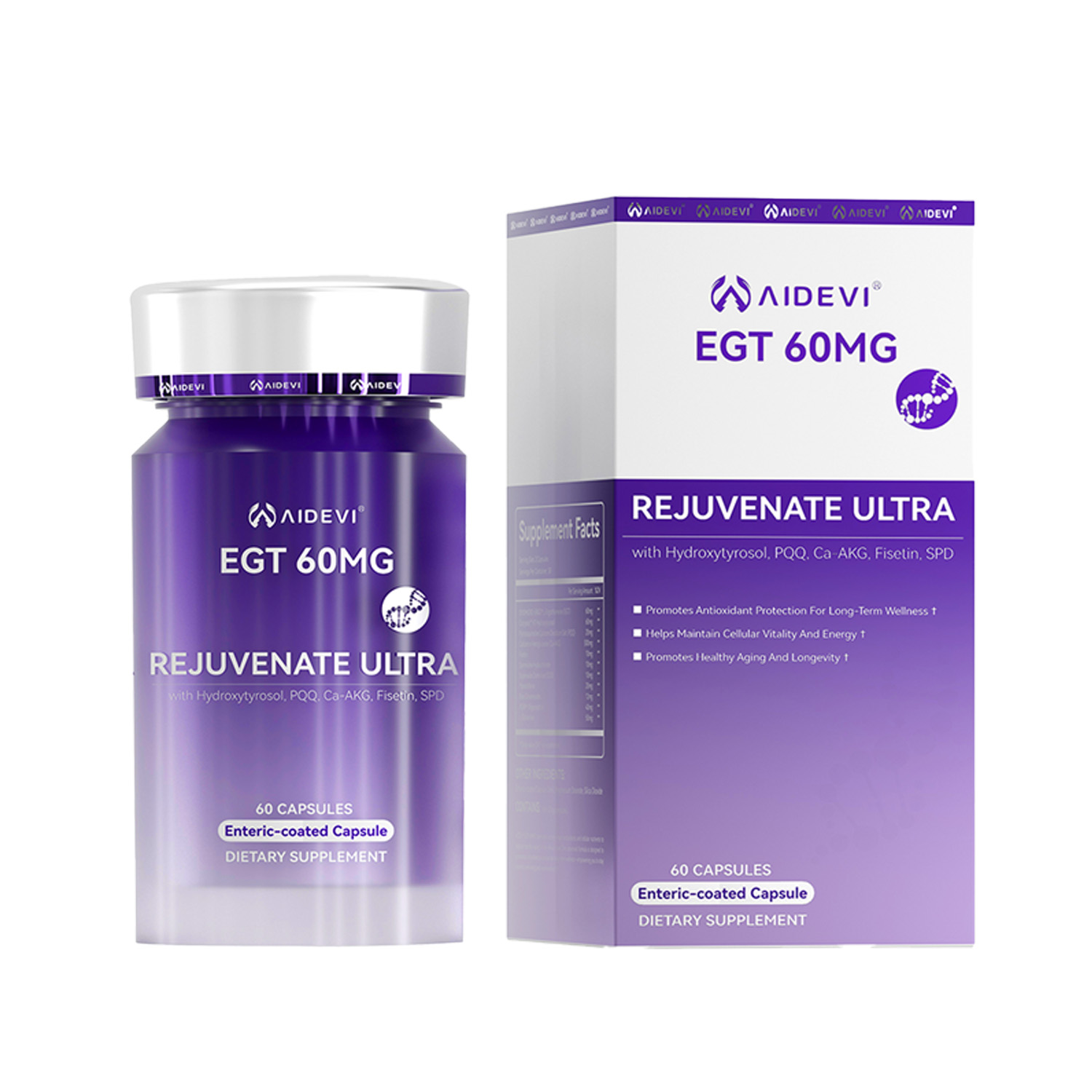
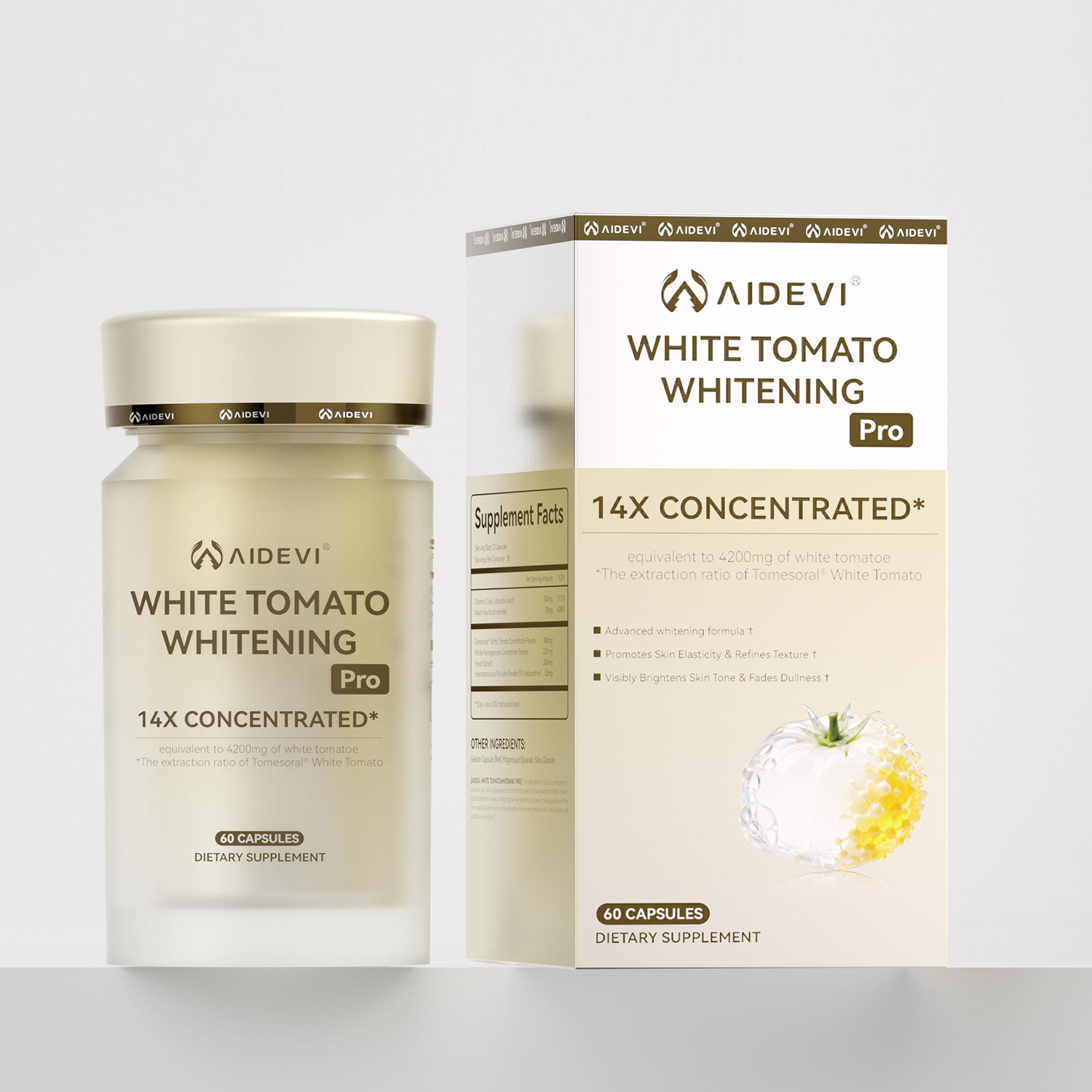

Who Should Consider Taking nmn? Groups, Fit, and Safety Boundaries
NMN may be worth considering for adults who want structured support for NAD+ metabolism, cellular energy, and healthy aging routines. It is most relevant for people with clear wellness goals, realistic expectations, and a willingness to track how they feel. NMN is not a shortcut to longevity, a youth reversal product, or a treatment for disease.
Compact answer: The best NMN candidate is usually a health-conscious adult, often in midlife or later, who wants NAD+ support as part of a broader routine that already includes sleep, protein, movement, and medical common sense. People who are pregnant, nursing, taking medication, or managing a health condition should ask a healthcare professional first.
Content
- Who should consider NMN first?
- Why do adults over 40 often ask about NMN?
- Can athletes and active adults consider NMN?
- What about women and older adults?
- Who should be cautious or pause?
- How should someone choose and track an NMN routine?
- FAQ
Who should consider NMN first?
NMN, short for nicotinamide mononucleotide, is a precursor involved in the body's production of NAD+, a coenzyme connected with energy metabolism and normal cellular function. If you are new to the topic, AIDEVI's guide to what NAD+ does for cellular energy is a useful starting point. The key point is simple: people do not take NMN because it is magic; they consider it because NAD+ biology is connected with how cells manage energy, repair, and stress response.
The strongest practical fit is not one single identity group. It is a pattern of need. NMN tends to make the most sense for adults who are building a serious wellness routine and want an additional NAD+ support tool, not a replacement for fundamentals. Someone sleeping five hours a night, skipping meals, and expecting one capsule to reverse years of stress is not a good candidate yet. Someone already improving sleep, exercise, nutrition, and consistency may be in a better position to evaluate whether NMN belongs in the routine.
Human studies suggest oral NMN can raise NAD-related measures in healthy adults, but research remains early and dose, duration, age, baseline health, and outcome measures vary across trials [1]. That is why AIDEVI frames NMN as targeted support, not a universal promise. The right question is not "Who must take NMN?" It is "Who has a clear enough goal, safety context, and tracking plan to consider NMN responsibly?"
AIDEVI Fit Framework: Goal, Evidence, Safety, Tracking
Before choosing NMN, use four checkpoints. Goal: what are you trying to support, such as energy routine, healthy aging, or active recovery? Evidence: is the claim supported by human data or mainly by animal research? Safety: do your medications, pregnancy status, health conditions, or clinician advice create a reason to pause? Tracking: can you observe sleep, energy, training, digestion, and tolerance without chasing dramatic claims?
This framework keeps NMN in the right lane: a dietary supplement decision inside a broader health system.
Why do adults over 40 often ask about NMN?
Adults in their late thirties, forties, fifties, and beyond often become interested in NMN because NAD+ levels and NAD-related pathways are widely discussed in healthy aging research. Aging is not caused by one molecule, and no supplement can stop it. Still, NAD+ is involved in many normal cell processes, which is why people exploring cellular energy production and NMN supplementation often begin with the age question.
For this group, the most reasonable expectation is support for a consistent wellness routine, not instant anti-aging. A person may be trying to keep energy habits steadier, recover from daily demands more intentionally, or build a supplement plan around sleep, exercise, and nutrient intake. Those are practical goals. "Reverse youth" is not. The language matters because unrealistic claims lead to poor decisions.
Aging adults should also think about stacking. Many people over 40 already use vitamin D, omega-3, magnesium, protein powders, probiotics, or prescription medications. Adding NMN without reviewing the full routine can create confusion. If energy improves, which habit helped? If sleep changes, was it NMN, caffeine, travel, stress, or training load? A simple journal helps. Start with the fewest changes possible so the body has a clear signal.
For a broader context on aging support, see AIDEVI's article on healthy aging and NMN supplement routines. The strongest routine is still built on basic pillars: sleep, resistance training, balanced nutrition, hydration, and regular medical care.
Can athletes and active adults consider NMN?
Athletes, recreational runners, gym users, cyclists, and busy professionals with active schedules may consider NMN because NAD+ is connected with normal energy metabolism. This does not make NMN a stimulant, a pre-workout replacement, or a guaranteed endurance enhancer. It means the topic is biologically relevant enough to ask careful questions.
The best fit in this group is usually an adult who already has training basics under control. If total calories are too low, protein is inconsistent, sleep is poor, or training load is badly planned, NMN will not solve the main problem. Active people should first evaluate recovery basics. Then, if they still want to explore NAD+ support, they can compare how they feel across several weeks while keeping training, caffeine, and sleep as steady as possible.
Small human trials have explored NMN in older adults and other specific groups, including outcomes related to fatigue, physical performance, and NAD-related biomarkers [2]. These studies are interesting, but they do not prove that every athlete will feel a performance benefit. For active adults, NMN should be approached as a supportive wellness supplement, not a competition tool or a replacement for sports nutrition.

What about women and older adults?
Women are often mentioned in NMN discussions, but the answer should be more precise than "women should take NMN." A better framing is that some women in midlife, especially those thinking about energy, healthy aging, skin-support routines, and long-term wellness habits, may want to learn about NAD+ support. AIDEVI has a dedicated guide for women over 40 considering NMN and ergothioneine, which is a more useful context than generic gender claims.
One frequently cited human study looked at postmenopausal women with prediabetes who were overweight or obese. The trial reported changes in muscle insulin sensitivity after NMN supplementation compared with placebo [3]. This is research context, not a reason to self-treat blood sugar concerns with NMN. Anyone with prediabetes, diabetes, insulin resistance, or medication use should work with a clinician instead of using supplement marketing as medical guidance.
Older adults may also be interested because age-related changes in energy, recovery, sleep, and daily stamina are common reasons people explore NAD+ support. Here again, expectations should stay grounded. NMN does not make an older body young. It may be one option inside a healthy aging plan when the person can use it safely, track tolerance, and keep medical care in the loop. Older adults are also more likely to take medications, so clinician review matters more, not less.
For both women and older adults, dose questions should be conservative. Rather than copying a celebrity routine, use label directions, avoid unnecessary stacking, and read a structured resource such as the AIDEVI NMN dosage by age guide. A routine that is modest, consistent, and easy to evaluate is usually more useful than an aggressive plan that changes every week.
Who should be cautious or pause before taking NMN?
Some people should not start NMN casually. This includes people who are pregnant, trying to become pregnant, nursing, under 18, taking prescription medication, preparing for surgery, undergoing medical treatment, or managing liver, kidney, cancer-related, autoimmune, cardiovascular, endocrine, or metabolic conditions. This does not mean NMN is automatically unsafe for every person in these categories. It means the decision belongs in a clinical conversation, not an impulse purchase.
People with metabolic health concerns deserve special care. The original version of this topic suggested that NMN may be relevant for metabolic disorders. A more accurate version is this: NMN has been studied in specific metabolic contexts, but it should not be used to diagnose, treat, cure, or prevent diabetes or any other condition [4]. If blood glucose, insulin, cholesterol, weight, or fatigue are concerns, medical testing and professional guidance come first.
Another group that should pause is people looking for guaranteed anti-aging. If the reason for taking NMN is fear, celebrity influence, or the belief that it will reverse age, the routine is starting from the wrong place. A better first step is to read a balanced analysis such as AIDEVI's does NMN work guide, then decide whether the evidence matches the goal.
| Decision point | Best fit | Consider instead | Avoid or pause if |
|---|---|---|---|
| Healthy aging | Adult with stable habits and realistic expectations | Sleep, strength training, protein, routine medical care | Expecting youth reversal or life extension guarantees |
| Active lifestyle | Training plan is consistent and recovery basics are covered | Better sleep timing, hydration, periodized training | Using NMN to compensate for overtraining or poor nutrition |
| Midlife wellness | Clear goal, label review, and simple tracking plan | Compare NMN with NR or other NAD+ support options | Pregnant, nursing, medicated, or medically unstable without clinician input |
How should someone choose and track an NMN routine?
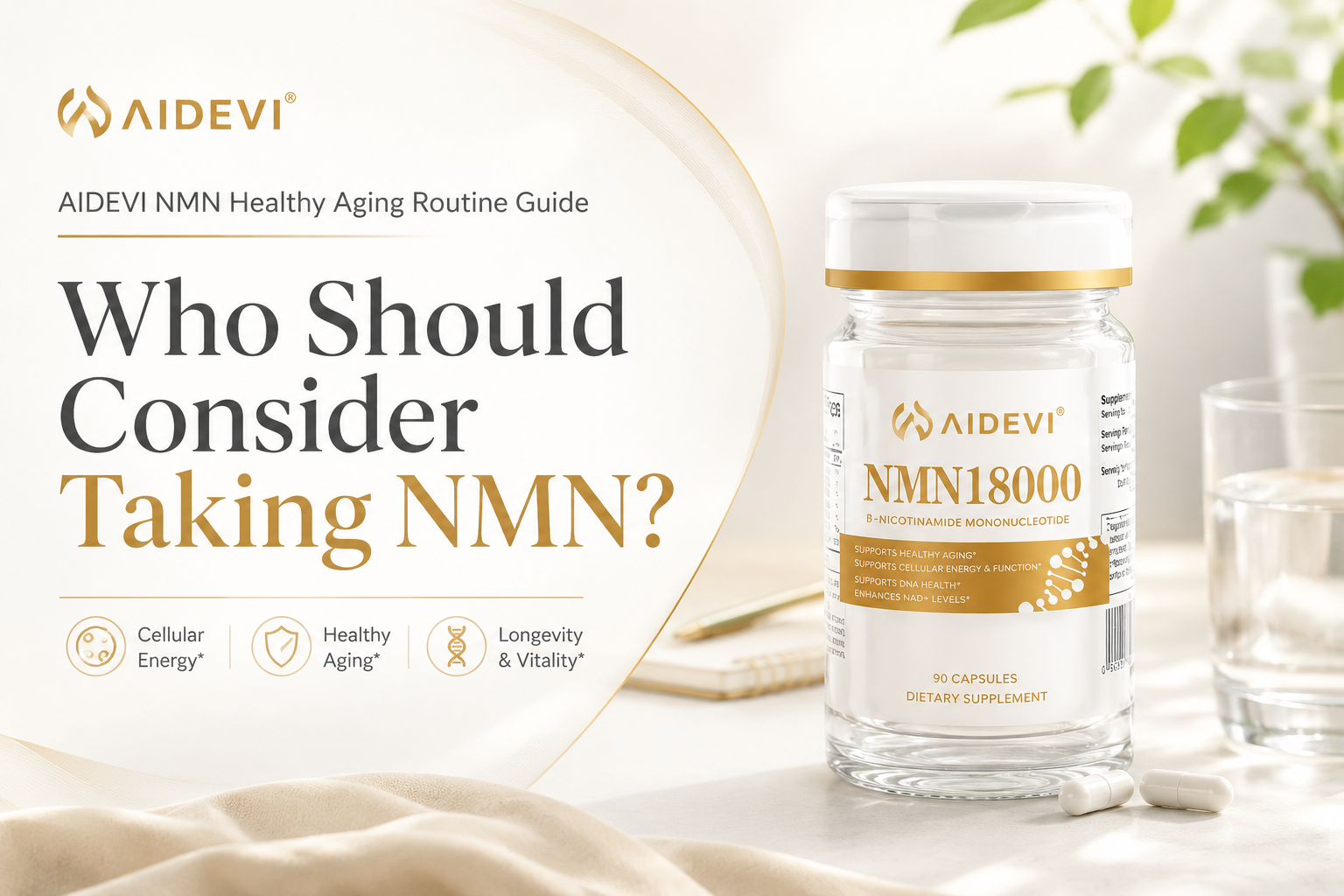
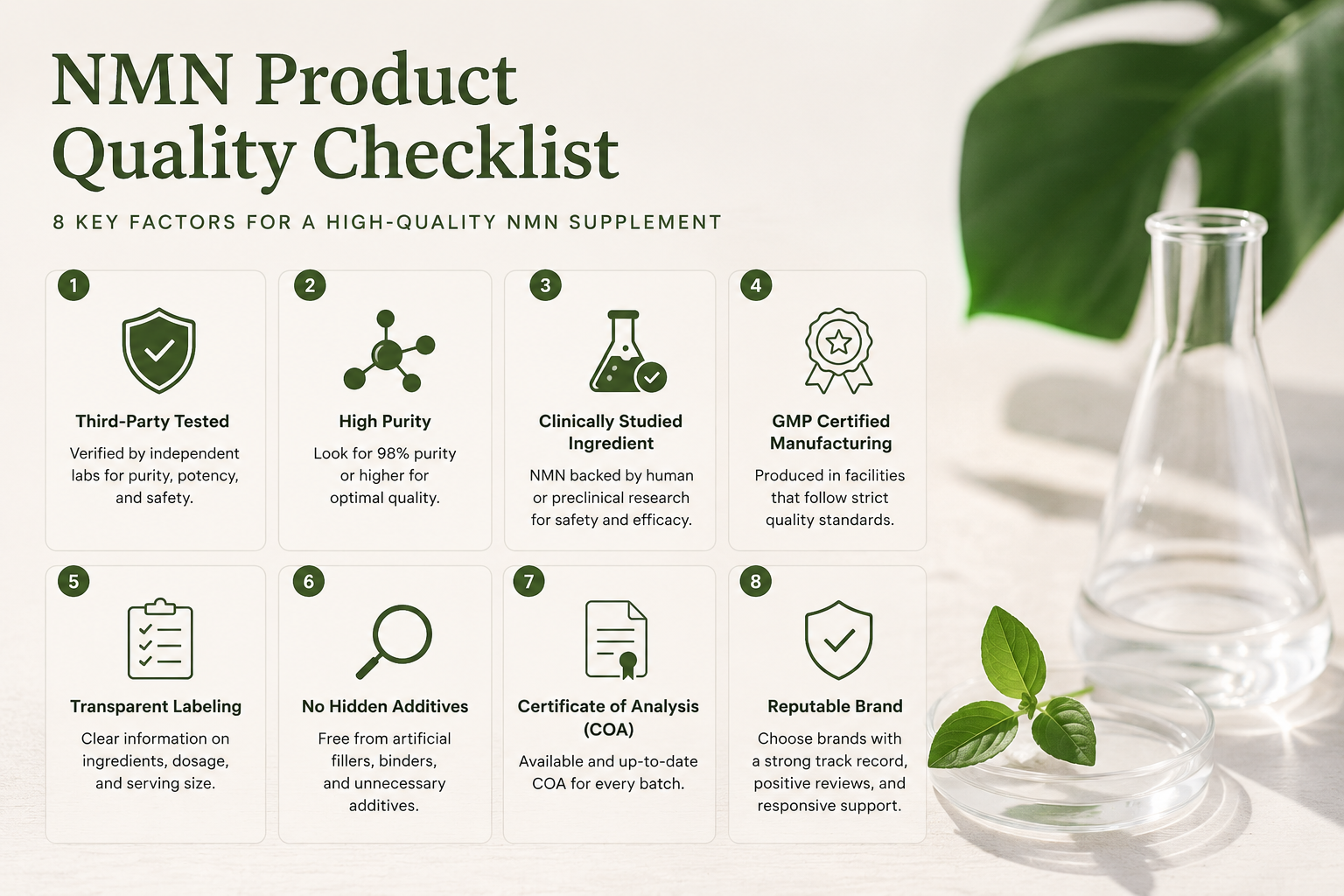
A responsible NMN routine begins with product quality. Look for a clear Supplement Facts panel, recognizable serving size, batch consistency, storage guidance, and a brand that does not rely on cure language. AIDEVI's AIDEVI NMN18000 product can be used as a product reference point when comparing label clarity and ingredient positioning.
Second, choose one format and one timing pattern long enough to evaluate. Some people prefer capsules because they are familiar and simple. Others compare NAD+ precursors, including NMN and NR, before choosing a direction. If you are still deciding between similar options, the AIDEVI comparison of NMN vs NR for longevity support can help set expectations.
Third, track a small set of outcomes. Useful signals include morning energy, sleep quality, digestion, training recovery, mood steadiness, and whether the routine is easy to maintain. Less useful signals include staring in the mirror daily for anti-aging proof or changing five supplements at once. If you cannot tell what changed, you cannot learn from the routine.
Finally, review tolerance. Stop and ask a healthcare professional if you notice unusual symptoms, medication questions, new medical diagnoses, or major changes in sleep, heart rhythm, digestion, mood, or blood markers. A supplement should make a routine clearer, not more confusing.
Conclusion
The people most likely to consider NMN responsibly are adults with clear wellness goals, stable daily habits, realistic expectations, and a safety plan. That may include adults over 40, active adults, women in midlife, and older adults interested in NAD+ support. But NMN is not automatically right for every person in those groups.
The better rule is fit before hype. If you want cellular energy support and healthy aging support, NMN may be worth learning about. If you want a disease treatment, a guaranteed anti-aging result, or a replacement for medical care, NMN is the wrong tool. Use evidence, product quality, clinician guidance, and personal tracking to make the decision more intelligent.
FAQ
Should young adults take NMN?
Most healthy young adults should focus first on sleep, training, nutrition, and stress management. NMN is usually discussed more often by adults interested in midlife and healthy aging support. Anyone under 18 should not use NMN unless directed by a qualified healthcare professional.
Is NMN especially useful for women?
NMN is not a women-only supplement. Some women, especially in midlife, may explore it because NAD+ support is connected with energy metabolism and healthy aging discussions. Pregnancy, nursing, fertility treatment, hormone therapy, and medical conditions all require professional guidance before use.
Can older adults take NMN?
Older adults may be interested in NMN, but they should be more careful about medication use, health conditions, and dosing assumptions. A clinician can help decide whether NMN fits the full health picture.
Can NMN help athletes?
Active adults may consider NMN as part of an energy metabolism support routine, but it should not replace training design, protein intake, hydration, sleep, or recovery planning. Performance outcomes are not guaranteed.
Can people with metabolic concerns take NMN?
People with blood sugar, insulin, weight, cholesterol, or metabolic health concerns should not self-treat with NMN. Human research exists in specific groups, but medical testing and clinician guidance should come first.
Does NMN reverse aging?
No. NMN is studied for NAD+ support and healthy aging biology, but it has not been proven to reverse aging or extend human lifespan. Treat strong anti-aging promises as a reason to slow down and evaluate the evidence.
References
- Lin Y, Maier AB, Tao R, et al. The efficacy and safety of beta-nicotinamide mononucleotide supplementation in healthy middle-aged adults: a randomized, multicenter, double-blind, placebo-controlled, parallel-group, dose-dependent clinical trial. GeroScience. 2023. PubMed.
- Kim M, Seol J, Sato T, et al. Effect of 12-week intake of nicotinamide mononucleotide on sleep quality, fatigue, and physical performance in older adults. Nutrients. 2022. PMC.
- Yoshino M, Yoshino J, Kayser BD, et al. Nicotinamide mononucleotide increases muscle insulin sensitivity in prediabetic women. Science. 2021. PubMed.
- Zhang H, Li Y, Su W, et al. Nicotinamide mononucleotide supplementation and metabolic outcomes: systematic review and meta-analysis of randomized controlled trials. Nutrients. 2024. PMC.
These statements have not been evaluated by the Food and Drug Administration. This content is for educational purposes only and is not intended to diagnose, treat, cure, or prevent any disease. Dietary supplement decisions should be made with appropriate healthcare guidance, especially if you are pregnant, nursing, taking medication, or managing a medical condition.
