




AIDEVI Cellular Health Guide
Secrets of Liver Regeneration: The Role of NAD+
NAD+ is not a magic liver repair switch, but it is deeply involved in the energy metabolism that liver cells need when tissue is rebuilding. Research in mice suggests that NAD+ availability can influence liver regeneration after partial liver removal, especially through mitochondrial energy production, lipid use, and NAD+-dependent signaling pathways.
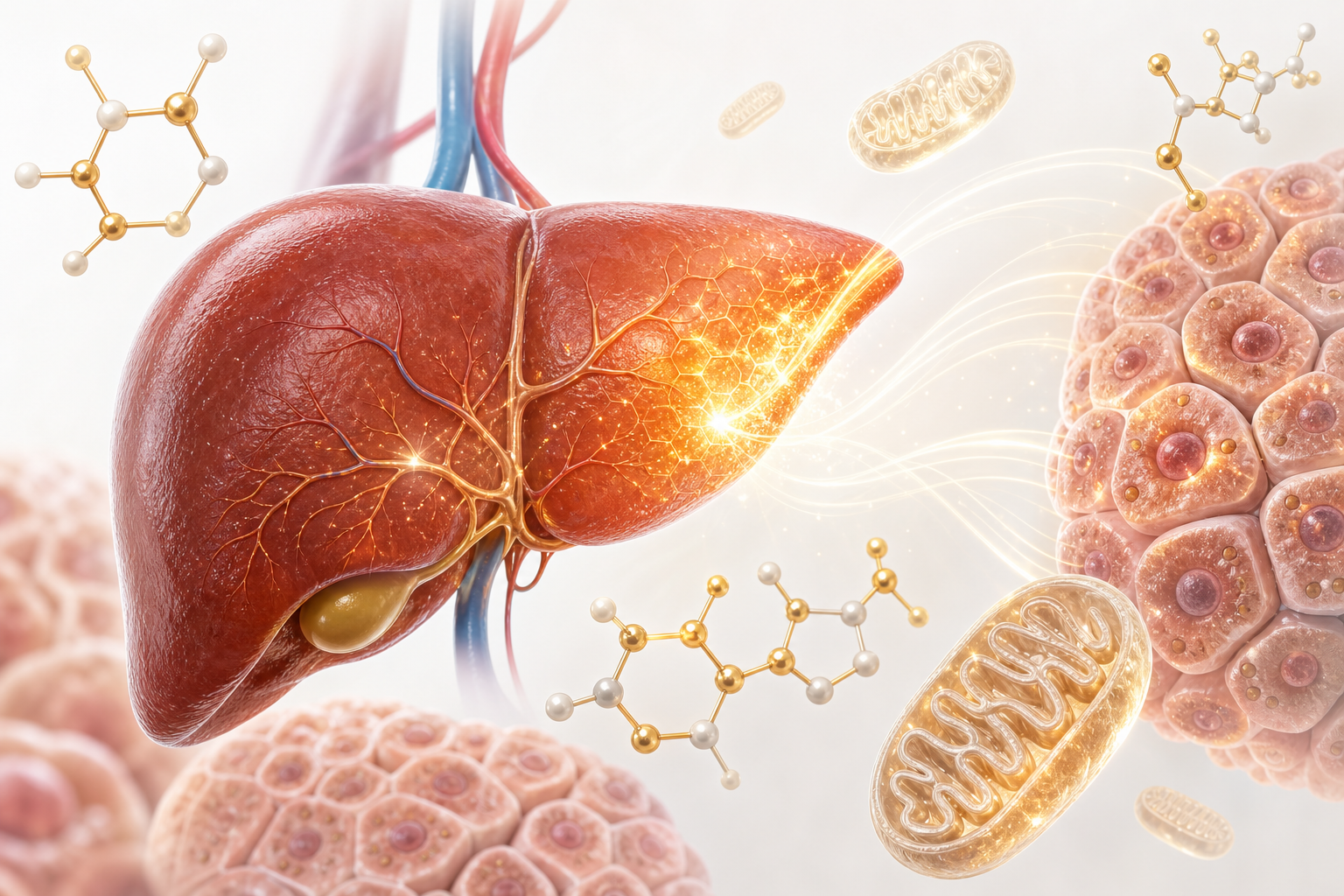
- The liver can regenerate remarkably well, but regeneration requires coordinated energy production, cell-cycle control, lipid handling, and metabolic signaling.
- NAD+ supports redox metabolism and enzymes such as sirtuins and PARPs, which helps explain why scientists study NAD+ during liver stress and recovery.
- NAD+ precursor studies are promising in animal models, but they should not be presented as human liver-disease treatments or a substitute for medical care.
Content
The clearest way to explain the role of NAD+ is this: liver regeneration needs fuel, signal control, and cellular housekeeping. NAD+ helps cells move electrons during energy production and also serves as a substrate for enzymes involved in stress response and repair signaling. That makes NAD+ a research target, not a stand-alone promise.
Why is liver regeneration so energy demanding?
The liver is unusual among mammalian organs because it can restore mass after significant tissue loss. In partial hepatectomy models, remaining liver cells re-enter the cell cycle, divide, and rebuild functional tissue. That process is not just "growth." It requires protein synthesis, DNA synthesis, membrane building, mitochondrial activity, nutrient sensing, inflammatory coordination, and carefully timed stop signals.
This is why the original article was right to focus on cellular energy, but the stronger version needs more precision. Liver cells do not regenerate because one molecule commands them to. They regenerate because many systems line up: adequate blood flow, nutrient availability, mitochondrial function, immune signaling, bile metabolism, and gene regulation. NAD+ sits in the middle of several of those systems.
For readers new to this molecule, AIDEVI's guide to what NAD+ is and how it relates to cellular energy is the best foundation. In simple terms, NAD+ helps cells convert nutrients into usable energy and supports enzymes that respond to stress. In a regenerating liver, both jobs become more important.
Why did scientists connect NAD+ with liver regeneration?
A key animal study found that liver NAD levels fall during regeneration and tested whether increasing NAD+ precursor availability could change the pace of recovery biology. In mice that underwent partial hepatectomy, nicotinamide riboside, an NAD+ precursor, increased DNA synthesis, mitotic index, and liver mass restoration compared with controls [1]. The same study used liver-specific NAMPT models to show that hepatocyte NAD metabolism itself mattered, not only whole-body effects.
A newer mouse study sharpened the mechanism further by focusing on mitochondrial NAD+. Researchers reported that hepatocyte mitochondrial NAD+ content was closely associated with liver regeneration rate, and that overexpressing the mitochondrial NAD+ transporter SLC25A51 in hepatocytes supported regeneration in a way comparable to systemic NAD+ precursor supplementation [2]. This matters because mitochondria are where fuel conversion and ATP production become especially relevant.
The practical interpretation is careful but useful: NAD+ availability appears to be one constraint inside the regeneration system in animal models. It is not the only constraint, and it does not mean people should self-manage liver injury with supplements. It means NAD+ biology is a serious research pathway for understanding how liver cells meet intense energy demands.
This distinction matters for search readers because many articles compress a complex mechanism into a dramatic wellness headline. A better answer is more useful: NAD+ precursors may help researchers study how liver cells restore energy balance, use lipid fuel, and coordinate division after experimental injury. That does not create a consumer instruction for liver trauma, surgery recovery, hepatitis, cirrhosis, or fatty liver disease. It gives health-conscious readers a clearer way to understand why NAD+ is discussed in cellular vitality science.
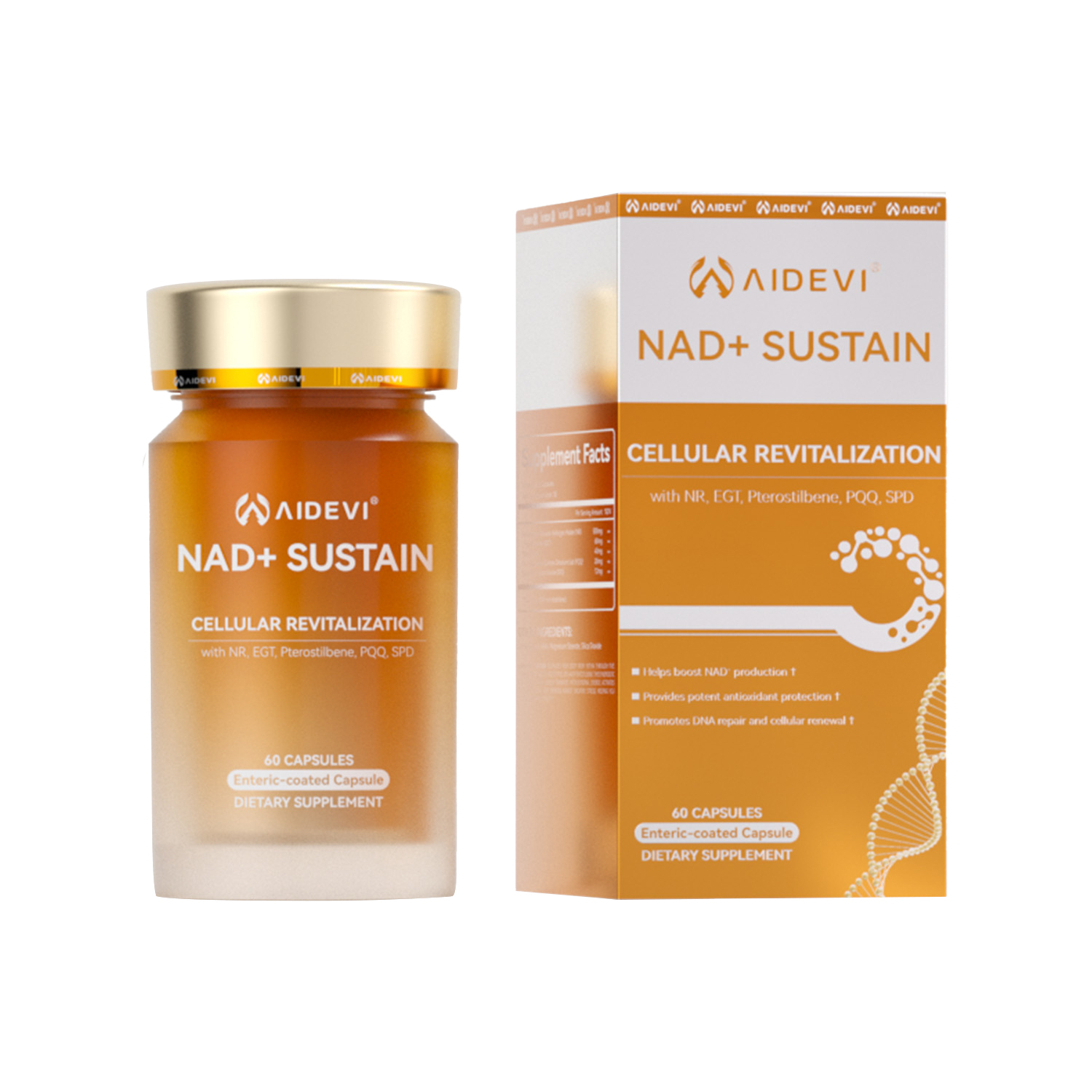
This also explains why AIDEVI often discusses nmn through the lens of cellular vitality rather than dramatic age-reversal language. NMN is one NAD+ precursor pathway, while NR is another. AIDEVI's article on cellular energy production and NMN supplementation gives readers a broader, consumer-friendly view of that energy conversation.
What does this mean for fatty liver research?
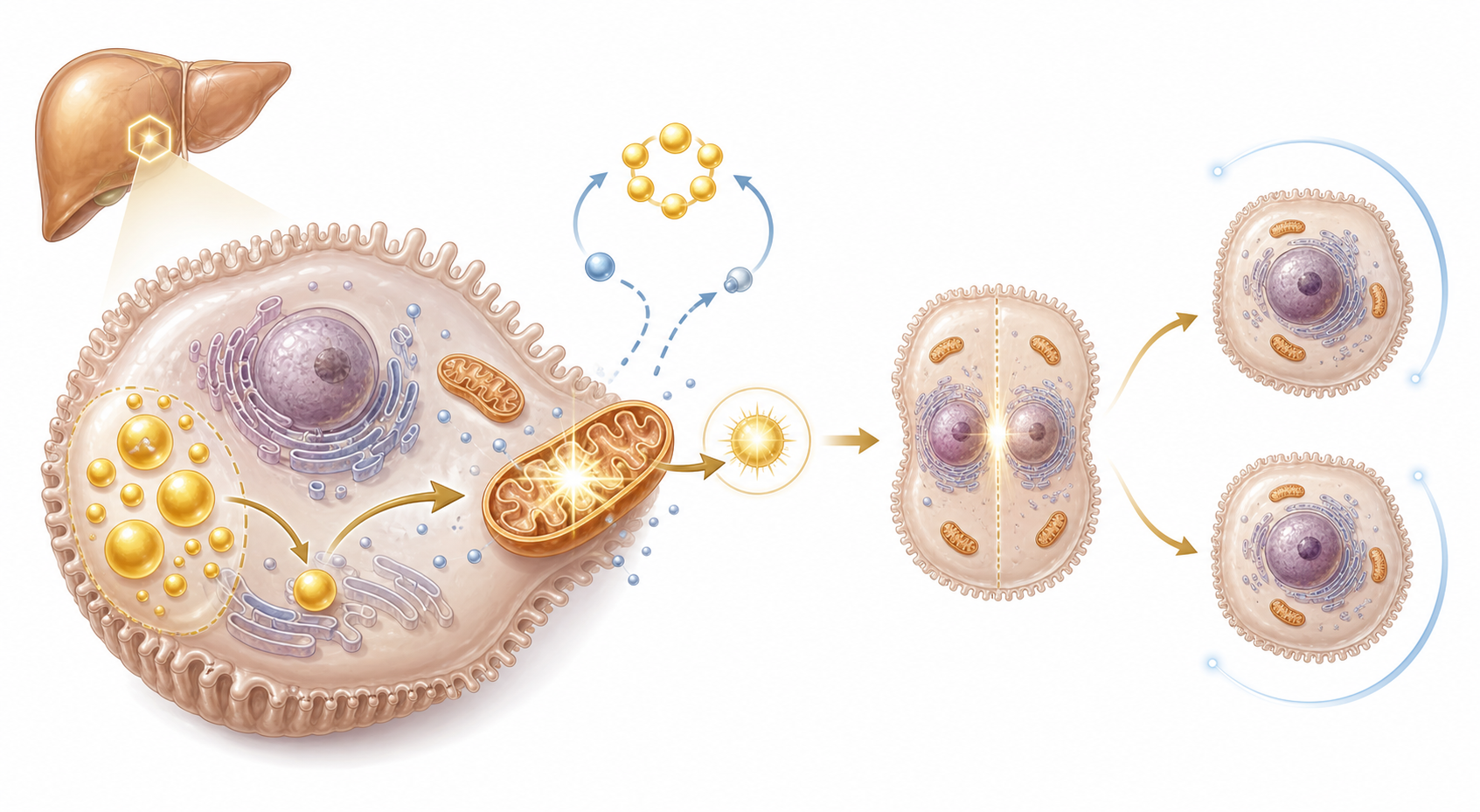
Fat handling is a major part of liver metabolism. During regeneration, temporary fat accumulation can appear as the liver rearranges energy supply. In the NAD+ precursor mouse study above, NR was associated with reduced steatosis during regeneration [1]. That does not prove a supplement outcome in people with fatty liver disease, but it does connect NAD+ biology with lipid handling under liver stress.
The public health context is important. NIDDK describes nonalcoholic fatty liver disease, also called MASLD in newer terminology, as excess fat buildup in the liver that is not caused by heavy alcohol use. It also notes that NAFLD is among the most common causes of liver disease in the United States and estimates that about 24% of U.S. adults have NAFLD [5]. This is medical territory, so readers with abnormal liver enzymes, imaging findings, diabetes, obesity, heavy alcohol use, or liver symptoms should work with a clinician.
Several preclinical studies point in the same direction: when NAD+ salvage pathways are weakened, liver lipid balance may worsen in experimental settings. NRK1 research in mice reported that liver Nmrk1 expression declined with high-fat diet or aging, while NRK1 overexpression raised liver NAD+ levels and reduced hepatic steatosis in those models [3]. NAMPT inhibition studies also linked lower NAD+ biosynthesis with greater lipid accumulation through SIRT1/AMPK/SREBP1 signaling in mice [4].
For AIDEVI readers, the responsible message is not "NMN fixes fatty liver." It is that NAD+ pathways are involved in cellular energy, mitochondrial function, redox status, and lipid metabolism, which are all relevant to liver wellness research. AIDEVI's newer overview of NMN research across gut, liver, circulation, and microbiota is a useful next step for readers who want the wider systems view.
Which NAD+ pathways matter in the liver?
NAD+ is best understood as both a coenzyme and a signaling substrate. As a coenzyme, it helps shuttle electrons during glycolysis, the TCA cycle, fatty acid oxidation, and mitochondrial respiration. As a substrate, it is used by enzymes such as sirtuins and PARPs. Those two roles explain why NAD+ appears repeatedly in discussions about ATP, oxidative stress, DNA maintenance, and metabolic flexibility.
The liver has high metabolic demand, so this dual role matters. SIRT1 is often discussed in relation to lipid synthesis and stress response. SIRT3 is tied to mitochondrial function, fatty acid oxidation, and antioxidant systems. SIRT6 is linked with glucose metabolism and genome maintenance. NAMPT helps maintain NAD+ through the salvage pathway, while NRK1 helps process NR and related NAD+ precursor chemistry. These are not consumer promises; they are pathway names that help explain the research map.
| Pathway | Why it matters | Reader-safe meaning |
|---|---|---|
| Mitochondrial NAD+ | Supports energy conversion inside hepatocyte mitochondria. | Relevant to cellular energy research, not a personal medical plan. |
| NAMPT salvage pathway | Helps recycle precursors into NAD+ and influences sirtuin activity. | A reason to discuss NAD+ maintenance carefully. |
| Sirtuin signaling | Connects NAD+ availability with lipid, glucose, and stress-response pathways. | Supports a systems view of metabolic wellness. |
Readers comparing ingredients may also want to understand the difference between NAD+ itself and precursors such as NMN. AIDEVI's guide to NAD+ vs NMN differences and benefits helps separate the molecule, the precursor, and the wellness language around each.
How should readers think about NAD+ support?
The liver regeneration story is exciting because it shows how deeply energy metabolism connects with organ resilience. But a good AIDEVI article should draw a bright line between research curiosity and personal medical decisions. People who have known liver disease, abnormal lab results, cirrhosis, hepatitis, heavy alcohol exposure, active cancer care, planned surgery, pregnancy, or prescription medication use should ask a qualified healthcare professional before adding any supplement.
For generally healthy adults, NAD+ support belongs inside a broader routine: adequate protein, fiber-rich foods, regular activity, quality sleep, alcohol moderation, weight management when appropriate, and routine medical screening. AIDEVI's article on natural ways to support NAD+ levels is useful because it keeps lifestyle in the same conversation as supplements.
A responsible routine also tracks what a supplement cannot show on its own. Energy, sleep, appetite, digestion, exercise recovery, and general well-being are subjective signals, but liver health is usually evaluated with professional context, lab tests, imaging, and risk assessment. That is why AIDEVI should frame NAD+ support as part of healthy aging education rather than as a liver outcome claim.
If someone is comparing NMN products, timing, or serving patterns, the question should be "What fits my routine and health context?" rather than "What regenerates my liver?" AIDEVI's NMN dosage by age guide can support that kind of practical thinking, but personal health factors still matter.
| Best fit | Consider instead | Avoid or pause if |
|---|---|---|
| You want to learn how NAD+ relates to energy and healthy aging. | Start with education and a basic lifestyle audit. | You are trying to replace medical evaluation for liver symptoms or abnormal tests. |
| You are building a general cellular vitality routine. | Review AIDEVI's cellular health lifestyle changes before choosing supplements. | You are pregnant, nursing, managing a medical condition, or using prescription medication without clinician input. |
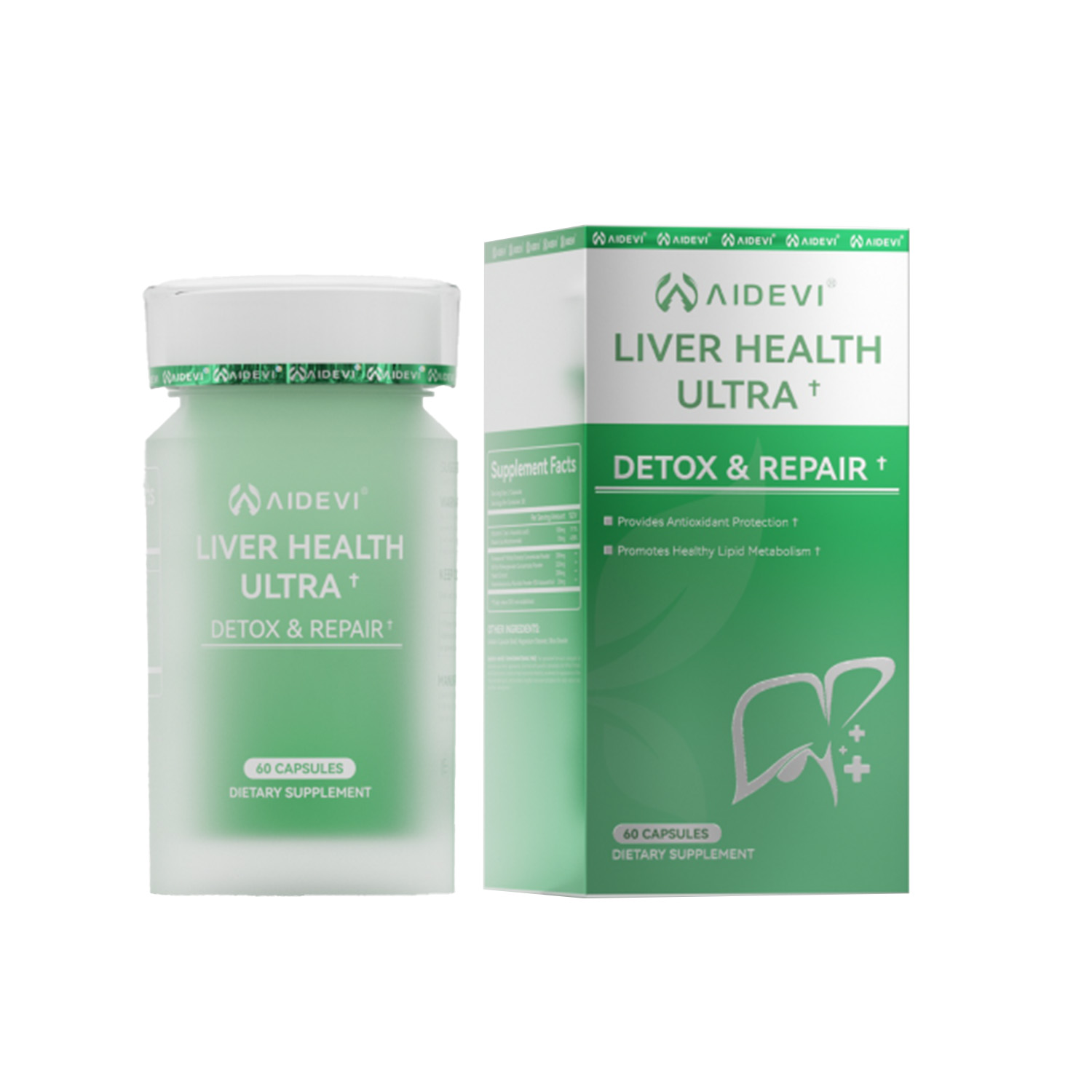
| You want liver wellness support in a supplement-aware routine. | Use the AIDEVI article on liver support and wellness context as a related reader path. | You expect a supplement to diagnose, treat, cure, or prevent liver disease. |
Conclusion
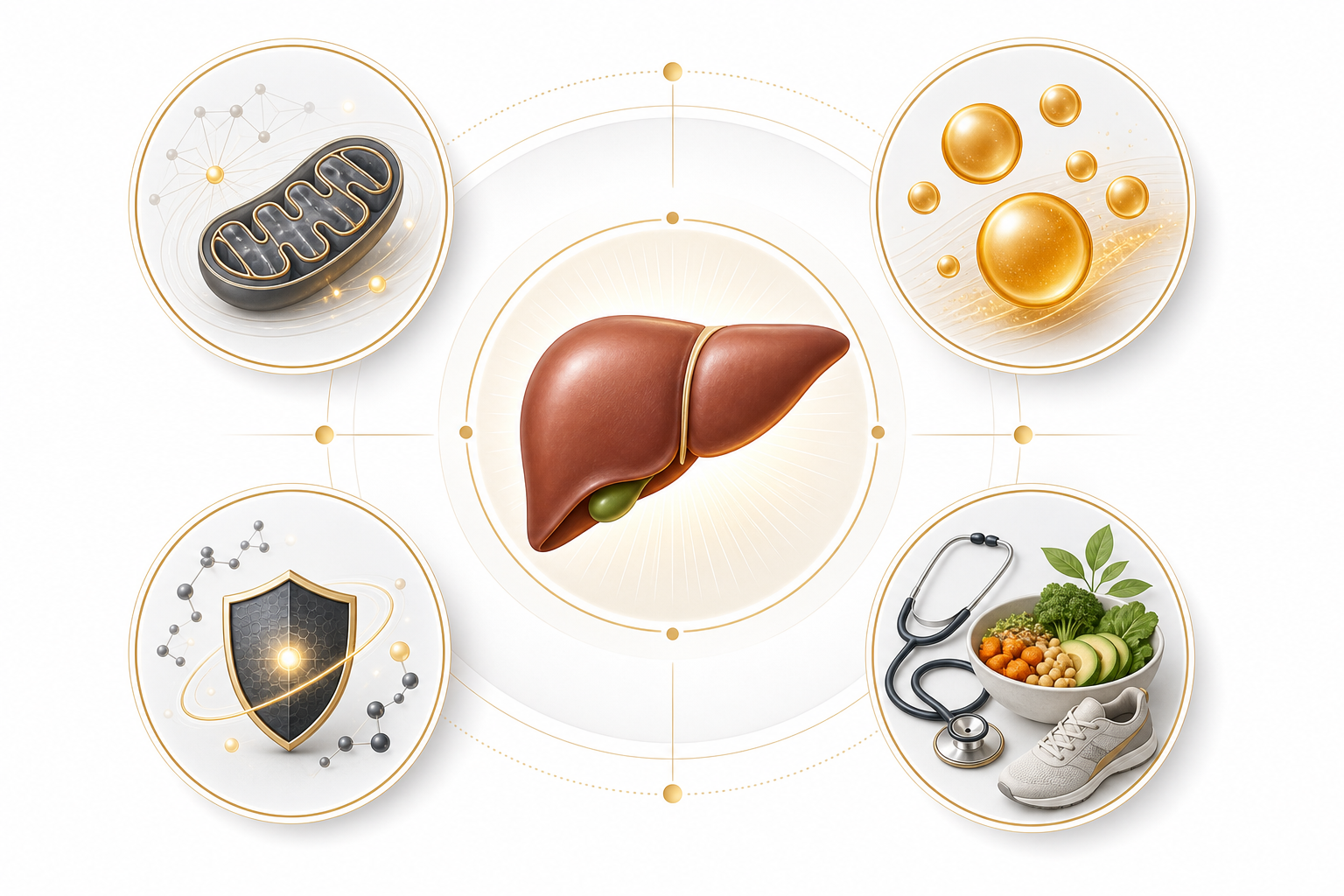
The secret of liver regeneration is not one nutrient or one supplement. It is the liver's ability to coordinate energy production, lipid use, cell division, stress response, and metabolic signaling. NAD+ is important because it participates in many of those processes, especially through mitochondria and NAD+-dependent enzymes.
The science is strongest in controlled animal and cell models, so the right consumer message is balanced: NAD+ support may be relevant to cellular vitality and metabolic wellness, but liver disease, liver injury, and surgical recovery require medical guidance. AIDEVI's role is to make the science understandable without turning promising mechanisms into unsupported promises.
Frequently Asked Questions
Can NAD+ regenerate the liver?
NAD+ does not regenerate the liver by itself. In animal studies, NAD+ availability appears to support parts of the regeneration process, especially energy metabolism and mitochondrial function. Human medical decisions require professional care.
Is NMN the same as NAD+?
No. NMN is a precursor involved in NAD+ biosynthesis. NAD+ is the coenzyme used by cells. The body uses precursor pathways to help maintain NAD+ pools, but different forms and contexts should not be treated as identical.
Does NAD+ research apply to fatty liver?
Preclinical studies connect NAD+ pathways with liver lipid metabolism, mitochondrial function, and steatosis models. That is research context, not proof that NAD+ supplements manage fatty liver disease in people.
Who should speak with a healthcare professional first?
Anyone with liver disease, abnormal liver tests, diabetes, obesity-related complications, heavy alcohol exposure, cancer care, planned surgery, pregnancy, nursing, or medication use should consult a qualified professional before starting a new supplement.
What lifestyle habits support NAD+ and liver wellness?
Regular movement, adequate sleep, balanced nutrition, fiber-rich foods, alcohol moderation, hydration, and healthy weight management can support metabolic wellness. Supplements should be considered an add-on, not the foundation.
References
- [1] Mukherjee S, Chellappa K, Moffitt A, et al. Nicotinamide adenine dinucleotide biosynthesis promotes liver regeneration. Hepatology. 2017. PubMed.
- [2] Mukherjee S, et al. Hepatocyte mitochondrial NAD+ content is limiting for liver regeneration. Nature Metabolism. 2025. PubMed.
- [3] Overexpression of NRK1 ameliorates diet- and age-induced hepatic steatosis and insulin resistance. PubMed indexed study. PubMed.
- [4] Inhibition of NAMPT aggravates high fat diet-induced hepatic steatosis in mice through regulating Sirt1/AMPKalpha/SREBP1 signaling pathway. Journal of Molecular Medicine. 2017. PMC.
- [5] National Institute of Diabetes and Digestive and Kidney Diseases. Definition and facts of NAFLD and NASH. NIDDK.
These statements have not been evaluated by the Food and Drug Administration. This content is for educational purposes only and is not intended to diagnose, treat, cure, or prevent any disease. Dietary supplement decisions should be made with appropriate healthcare guidance, especially if pregnant, nursing, taking medication, or managing a medical condition.
