



AIDEVI Resveratrol Wellness Guide
Why a Resveratrol Supplement Can Be a Smart Addition to Your Healthy Diet
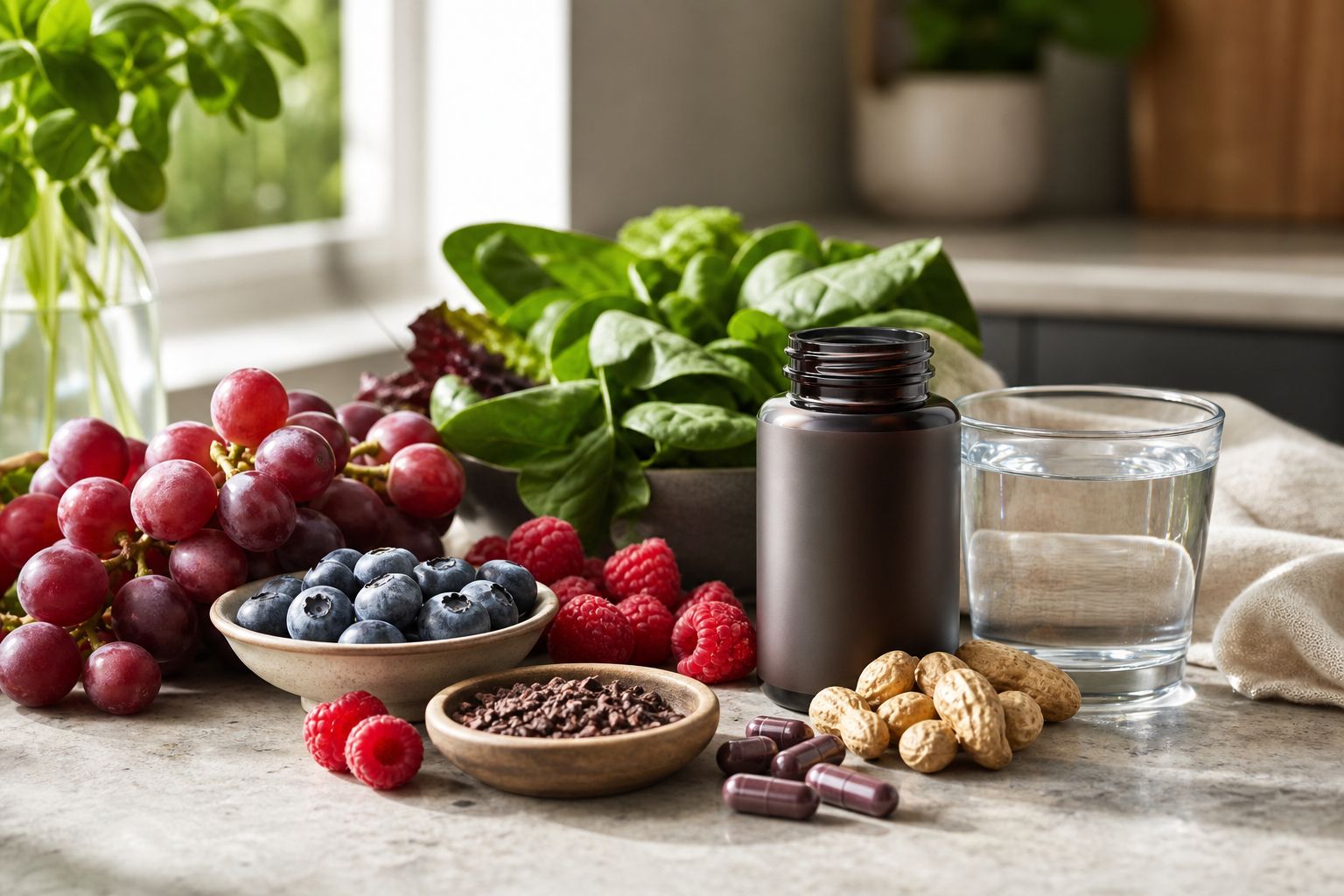
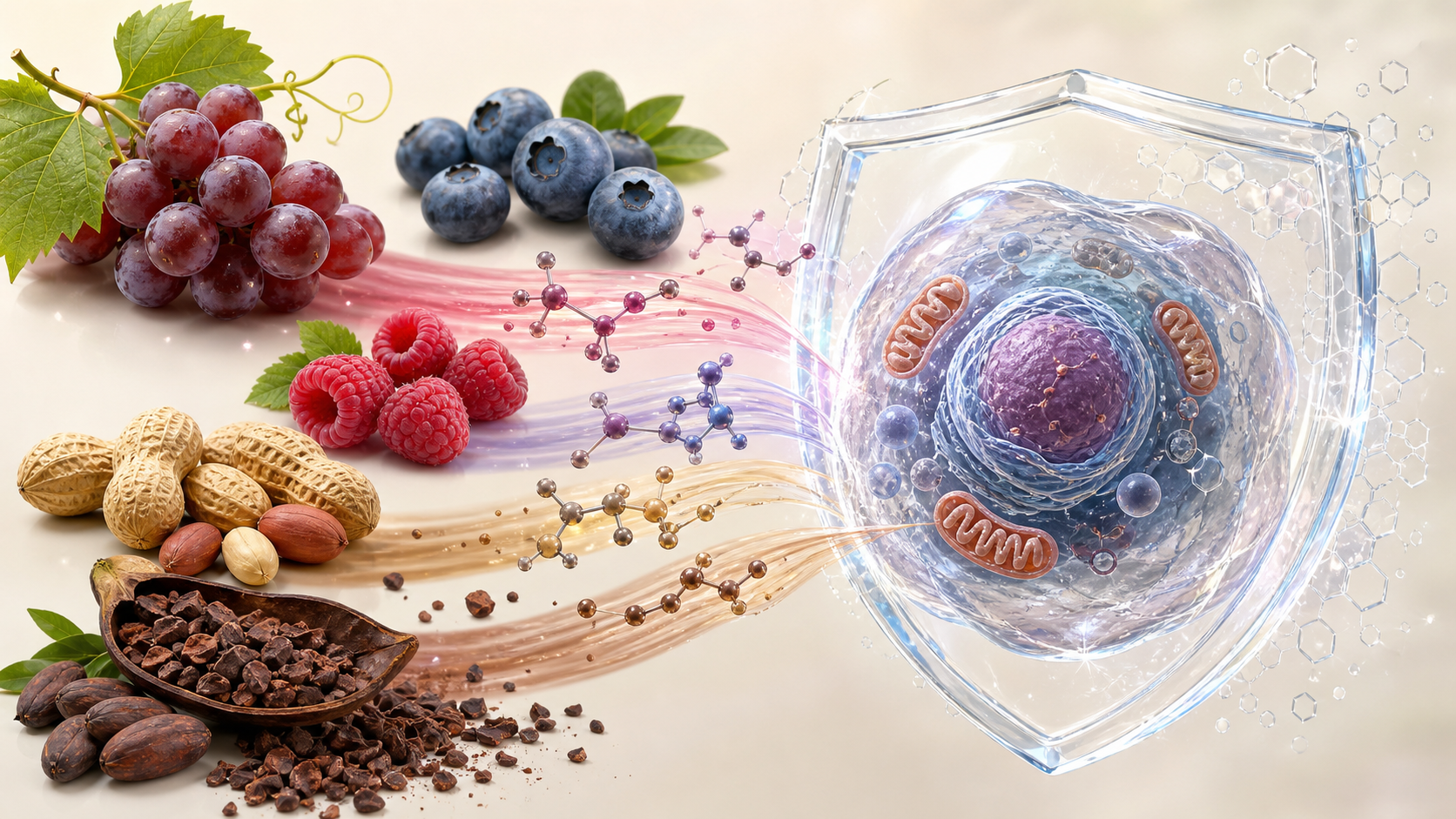
Resveratrol is a plant polyphenol found in grapes, berries, peanuts, and cocoa-rich foods. A resveratrol supplement can be a practical way to add consistent polyphenol support to a healthy diet, especially for people focused on antioxidant balance, healthy aging, and everyday cellular wellness. It should complement food, movement, sleep, and medical care, not replace them.
- Resveratrol is best understood as a polyphenol and antioxidant-support ingredient, not a shortcut for disease prevention or exaggerated anti-aging promises.
- Food sources matter, but supplements may help people take a more consistent, measured amount without relying on red wine.
- The best routine is food first, supplement second, and lifestyle always: colorful plants, movement, sleep, hydration, and professional guidance when needed.
Content
A resveratrol supplement can fit a healthy diet because it adds a consistent polyphenol source that supports antioxidant and healthy-aging routines. The key is expectation: resveratrol is not a treatment, a red-wine excuse, or a replacement for whole foods. It works best as a simple support layer beside colorful plants, protein, fiber, exercise, and sleep.
What is resveratrol?
Resveratrol is a naturally occurring polyphenol produced by certain plants. It is found in the skins of grapes, some berries, peanuts, pistachios, and cocoa-containing foods. Many people first hear about resveratrol through red wine, but the more useful wellness lens is broader: it belongs to a family of plant compounds that help explain why colorful, minimally processed diets are repeatedly associated with better long-term health patterns.
In nutrition science, resveratrol is studied for antioxidant signaling, inflammation balance, metabolic wellness, vascular function, and cellular aging pathways. The Linus Pauling Institute notes that resveratrol is rapidly metabolized in humans, which is one reason researchers continue to study dosage, form, and measurable outcomes carefully [1]. That detail matters because a compound can be biologically interesting without becoming a miracle ingredient.
For readers new to the topic, AIDEVI's broader guide to resveratrol health benefits explains why this ingredient is popular in healthy-aging conversations. If you prefer to start with food, AIDEVI's list of resveratrol foods is a practical companion to this supplement guide.
Why use a supplement if foods contain resveratrol?
The best answer is consistency. A healthy diet should be the foundation, but the amount of resveratrol in food can vary by plant variety, growing conditions, processing, and serving size. Someone may eat berries several times per week and grapes occasionally, while another person may go months without meaningful resveratrol-rich foods. A supplement creates a more predictable intake pattern, which is useful when the goal is a steady wellness routine rather than a random burst from one meal.
A supplement also lets you separate resveratrol from alcohol. Red wine contains resveratrol, but drinking alcohol is not a wellness strategy. The American Heart Association advises that people should not start drinking wine or other alcohol to gain potential heart-health benefits; if someone drinks, moderation and personal medical context matter [2]. Grapes, berries, peanuts, cocoa, and supplements offer cleaner ways to think about polyphenols without turning alcohol into a health recommendation.
Finally, a supplement can be easier to combine with a structured routine. Many AIDEVI readers already think in systems: morning hydration, a protein-rich breakfast, movement, a simple supplement stack, and evening sleep cues. In that context, resveratrol is not competing with diet. It is adding one measurable layer to a diet that already includes plants, fiber, and enough protein. This is the same balanced logic behind AIDEVI's guide to choosing a good antioxidant supplement.
What benefits are realistic?
The most realistic benefit is antioxidant support. Antioxidants help the body manage oxidative stress, but supplement claims should stay measured. The National Center for Complementary and Integrative Health notes that antioxidant supplements are not a simple substitute for a healthy diet and that evidence varies by ingredient, population, and outcome [3]. For resveratrol, that means the strongest consumer message is support, not certainty.
The second realistic area is healthy aging. Resveratrol is often discussed with NAD+, sirtuins, mitochondria, and cellular resilience. These topics are exciting, but they are also easy to overstate. A grounded article should say that resveratrol may complement healthy-aging routines, especially when paired with diet and lifestyle habits that are already known to matter. Readers comparing healthy-aging nutrients can explore AIDEVI's article on antioxidant properties and NMN supplements.
The third area is skin and beauty-from-within support. Oxidative stress is one factor involved in visible skin aging, dullness, and environmental stress. Resveratrol is not sunscreen and should not be described as an instant whitening or wrinkle solution. Still, it can be part of a routine that includes SPF, hydration, colorful foods, and antioxidant ingredients. For a skin-focused path, see AIDEVI's guide to enhancing skin health with anti-aging supplements and the article on UV radiation, healthy aging, and skin health.
The fourth area is cardiometabolic wellness support. Researchers have studied resveratrol in relation to vascular function, glucose metabolism, lipid markers, and inflammation-related pathways. Human evidence is mixed, and results can depend on baseline health, dose, study duration, and product form [4]. For readers, the practical takeaway is simple: use resveratrol to support an already healthy pattern, while leaving blood pressure, cholesterol, glucose, and medication decisions to healthcare professionals.
What should you not expect?
A credible resveratrol article should also explain what the ingredient should not be expected to do. It should not be presented as a way to cancel out a low-nutrient diet, heavy alcohol intake, chronic sleep loss, smoking, or a sedentary routine. It should not be used as a substitute for clinical care when someone has abnormal lab results, persistent fatigue, unexplained symptoms, or diagnosed cardiovascular, metabolic, liver, kidney, or hormone-related concerns.
It is also wise to avoid judging a supplement by whether you feel something dramatic right away. Many wellness ingredients work in the background of a routine, if they are helpful at all. A better approach is to track the foundations: your meals, movement, sleep timing, skin routine, digestion, stress level, and any medications or other supplements you use. If the basics improve at the same time you add resveratrol, be honest about what changed. That kind of careful observation protects you from both overcrediting and dismissing a supplement too quickly.
For AIDEVI, this expectation-setting is part of brand trust. Readers do not need louder claims. They need a clear reason to choose a supplement, a clear reason to keep food first, and a clear reminder that personal health context matters. Resveratrol fits best when it is framed as disciplined support, not as a headline miracle.
How to choose a resveratrol supplement
A good supplement decision starts with label clarity. Look for the type of resveratrol listed on the label, the amount per serving, the serving size, and whether the formula includes other active ingredients. Some products use Japanese knotweed extract, grape skin extract, or a blend of polyphenols. This does not automatically make one better than another, but you should know what you are taking and why.
Next, look for manufacturing discipline. A supplement does not need dramatic language to be valuable. It needs clear ingredients, sensible dosing, quality controls, and a brand that avoids exaggerated promises. FDA guidance reminds consumers that dietary supplements are regulated differently from drugs and that companies are responsible for ensuring their products are safe and properly labeled [5]. That is why cautious wording is part of product quality, not a lack of confidence.
| Decision point | What to look for | Why it matters |
|---|---|---|
| Ingredient identity | Clear resveratrol source and amount per serving. | You can compare products without guessing from marketing language. |
| Routine fit | A format you can take consistently with your normal meals or supplement schedule. | The best wellness routine is the one you can repeat safely. |
| Claim quality | Supportive wording around antioxidant balance, healthy aging, and cellular wellness. | Overpromising often signals weak content quality and poor expectation-setting. |
| Personal safety | Clinician guidance if you use medication, are pregnant or nursing, have a medical condition, or plan surgery. | Natural ingredients can still interact with personal health context. |
How to add resveratrol to a healthy diet
Start with a food-first plate. Aim for colorful fruits and vegetables, beans or whole grains for fiber, enough protein, healthy fats, and regular hydration. Resveratrol-rich foods can fit naturally: grapes with breakfast, berries in yogurt, peanuts as a snack, cocoa nibs in oatmeal, or a colorful salad with polyphenol-rich ingredients. This gives your supplement context rather than making it carry the whole routine.
Then choose a consistent time. Many people prefer taking supplements with a meal because it is easier to remember and gentler on the stomach. If your formula includes other active ingredients, check the label and avoid stacking several new supplements at once. Add one change at a time for two to four weeks so you can notice how your body responds.
Finally, pair resveratrol with habits that move the larger health picture: walking after meals, resistance training two or three times per week, a stable sleep schedule, sun protection, and regular health checkups. Resveratrol may sit well beside other healthy-aging discussions, including AIDEVI's article on NMN and resveratrol synergy for metabolic and brain wellness and the guide to CoQ10 benefits for energy and healthy aging support. The goal is not a bigger supplement shelf. The goal is a calmer, more consistent wellness system.
Conclusion
A resveratrol supplement can be a smart addition to a healthy diet when it is positioned honestly: as a consistent polyphenol and antioxidant-support option, not as a stand-alone solution. Whole foods remain the foundation. Supplements can add structure. Lifestyle gives the routine its real power.
If you are considering resveratrol, choose a clear formula, keep expectations realistic, and review your personal health context. The best use of resveratrol is not chasing dramatic promises. It is building a steady, food-aware, science-respectful routine that supports healthy aging one day at a time.
Frequently Asked Questions
Is resveratrol better from food or supplements?
Food should come first because it provides fiber, vitamins, minerals, and many polyphenols together. Supplements may help when you want a consistent and measured resveratrol intake.
Should I drink red wine for resveratrol?
No. Red wine contains resveratrol, but alcohol also carries health risks. Grapes, berries, peanuts, cocoa-containing foods, and supplements are better ways to think about resveratrol without using alcohol as a wellness tool.
Can resveratrol replace a healthy diet?
No. Resveratrol should support a healthy diet, not replace it. Prioritize colorful plants, protein, fiber, hydration, movement, and sleep before expecting a supplement to make a meaningful difference.
Who should ask a doctor before taking resveratrol?
Ask a healthcare professional first if you are pregnant or nursing, take prescription medication, use blood-thinning products, have a medical condition, or are preparing for surgery.
How long does resveratrol take to work?
Resveratrol is not usually used for immediate effects. Think in terms of routine consistency over weeks, while tracking sleep, diet, energy, digestion, skin habits, exercise, and any personal response.
FDA disclaimer: These statements have not been evaluated by the Food and Drug Administration. This content is for educational purposes only and is not intended to diagnose, treat, cure, or prevent any disease. Dietary supplements should be used responsibly and with professional guidance when appropriate.
References
- Linus Pauling Institute. Resveratrol. https://lpi.oregonstate.edu/mic/dietary-factors/phytochemicals/resveratrol
- American Heart Association. Is red wine good for your heart? https://www.heart.org/en/news/2019/08/19/is-red-wine-good-for-you
- National Center for Complementary and Integrative Health. Antioxidants: In Depth. https://www.nccih.nih.gov/health/antioxidants-in-depth
- Berman AY, Motechin RA, Wiesenfeld MY, Holz MK. The therapeutic potential of resveratrol: a review of clinical trials. https://pmc.ncbi.nlm.nih.gov/articles/PMC6164842/
- U.S. Food and Drug Administration. Dietary Supplement Products and Ingredients. https://www.fda.gov/food/dietary-supplements/dietary-supplement-products-ingredients
