
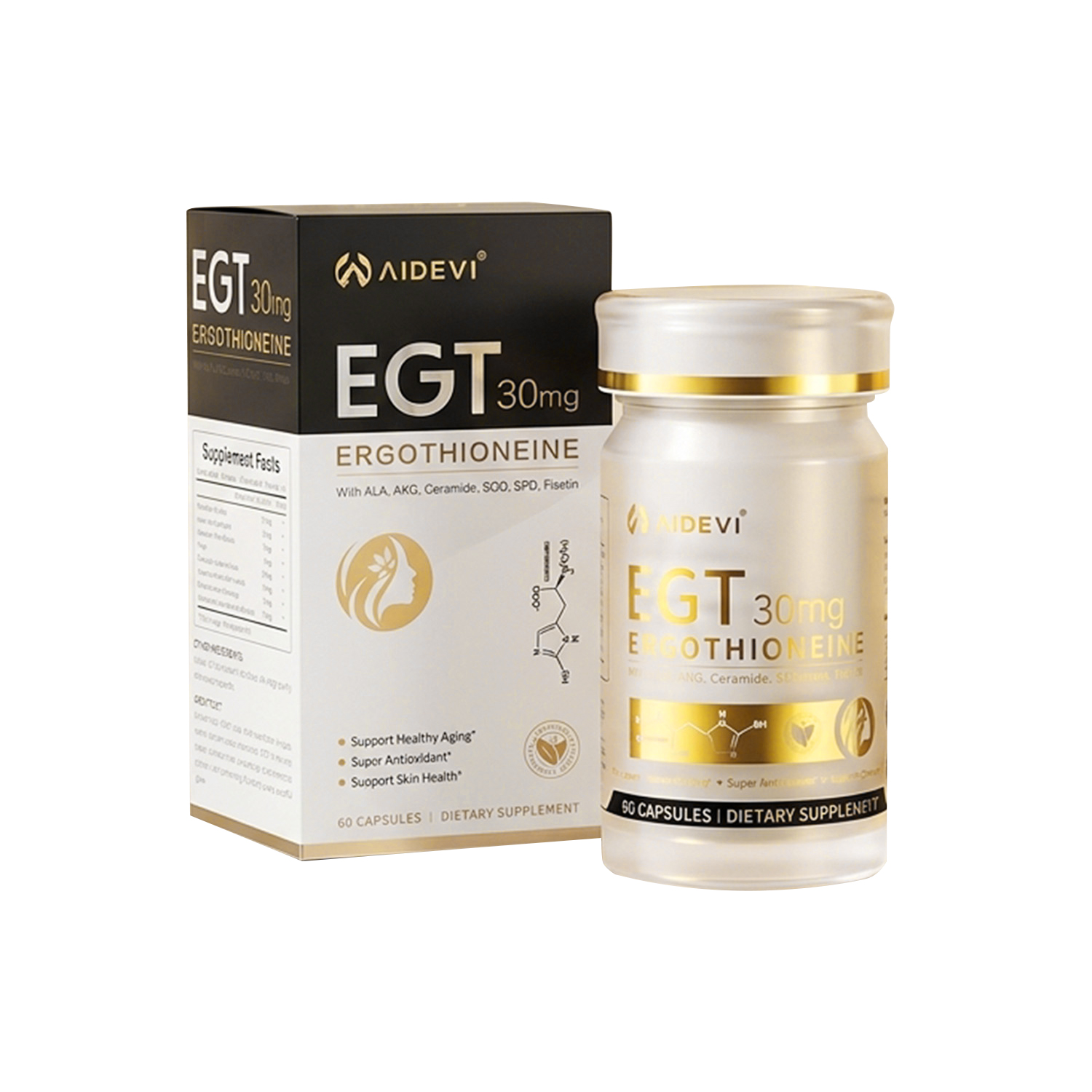
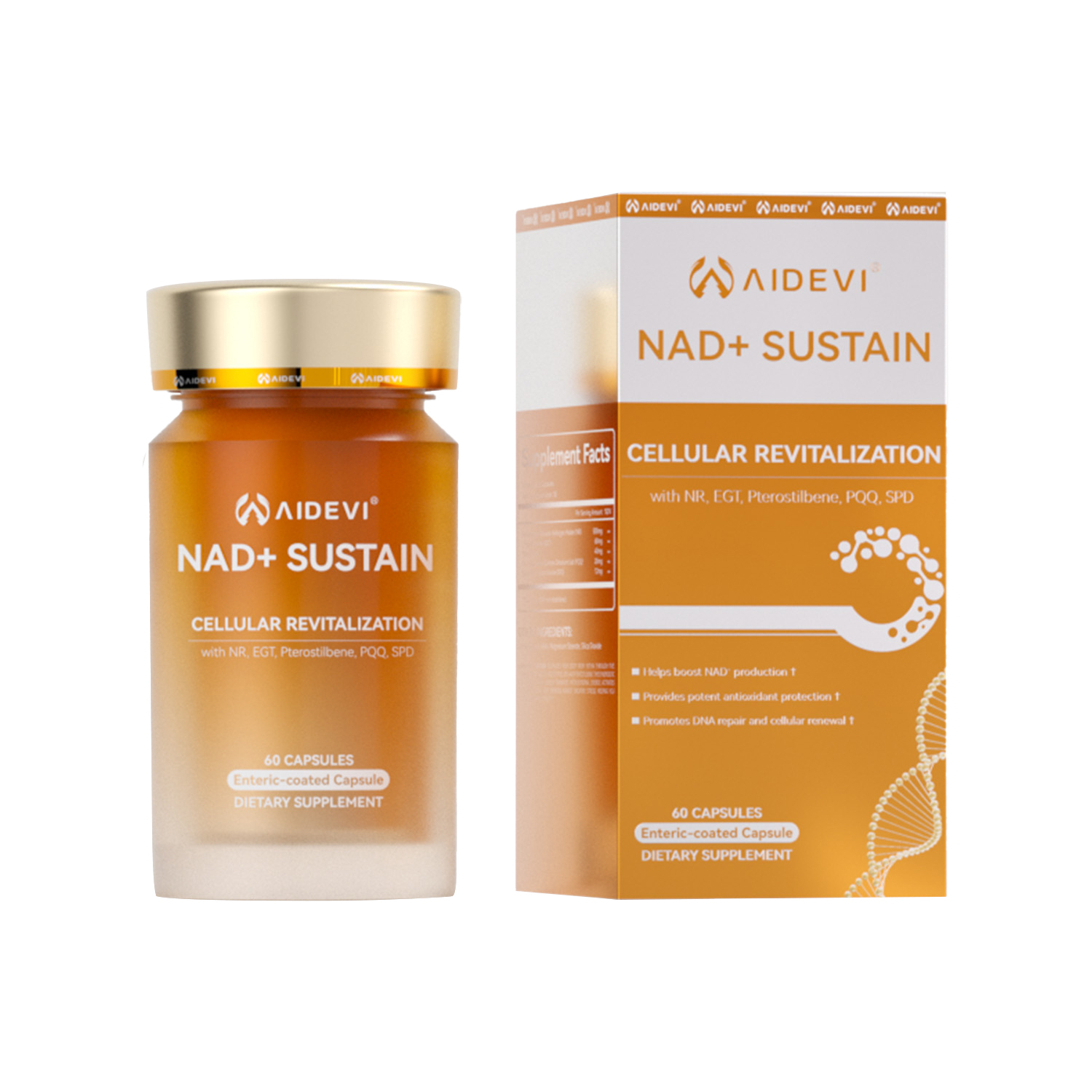


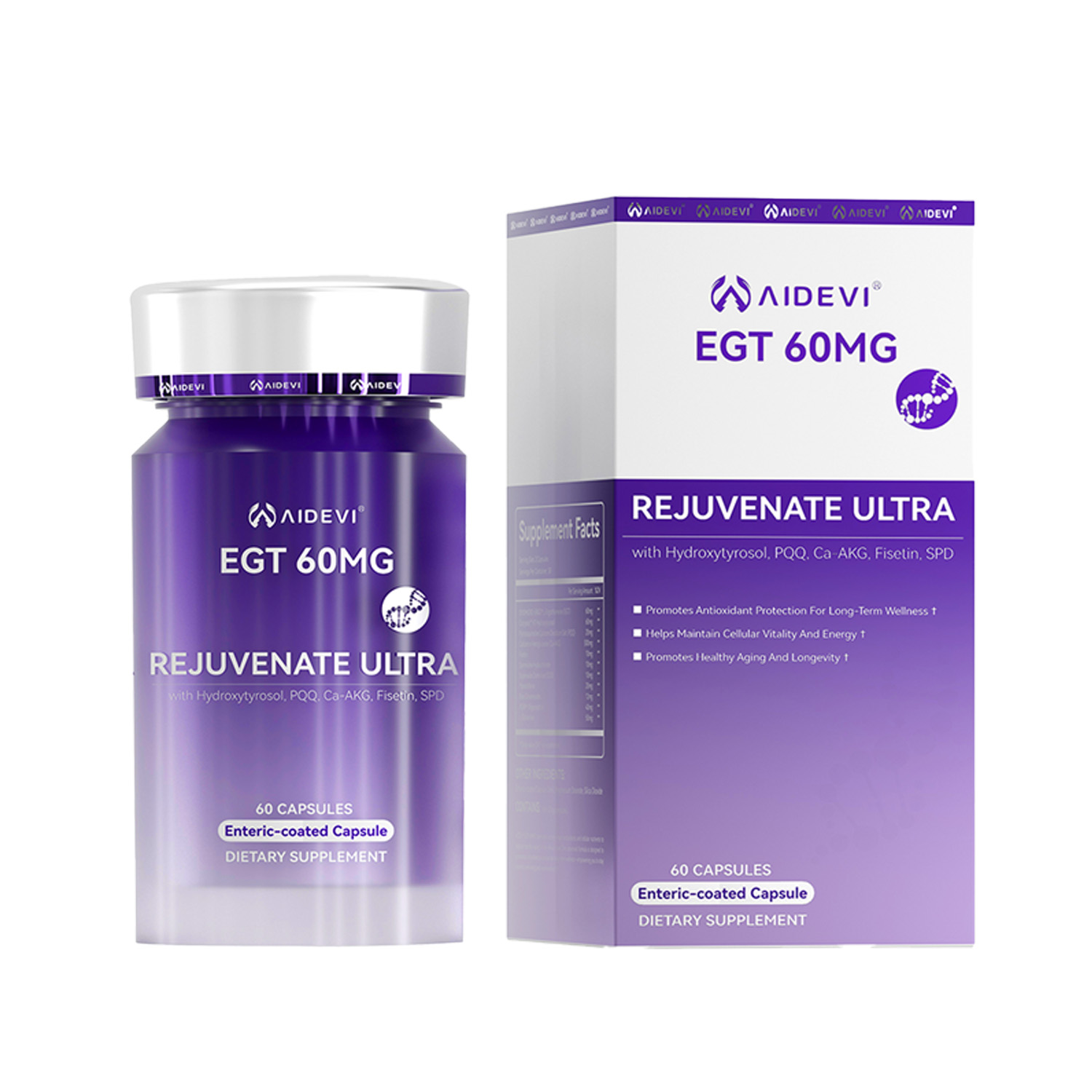

AIDEVI Raw Material Science
Pyrroloquinoline Quinone: Mitochondrial-Wellness Nutrient for Cellular Energy Research
Pyrroloquinoline Quinone, commonly known as PQQ, is a redox-active quinone compound studied for its relationship to mitochondrial biology, oxidative-stress signaling, and cellular energy metabolism.
This raw material profile reviews PQQ's identity, biological relevance, quality standards, and formulation role within AIDEVI's cellular wellness and healthy aging research framework.
- Category: mitochondrial-wellness ingredient.
- Compound type: redox-active quinone compound.
- Key science theme: mitochondrial function, oxidative-stress research, and cellular energy metabolism.
- Formula relevance: energy metabolism, healthy aging, cognitive wellness, and cellular vitality concepts.
What Is PQQ?
PQQ is a small quinone compound found in trace amounts in certain foods and studied for its redox properties. In nutrition and supplement science, it is most often discussed in relation to mitochondria, the cellular structures involved in converting nutrients into usable energy.
PQQ is distinct from NAD+, nmn, NR, CoQ10, caffeine, and B vitamins. It is not an NAD+ precursor and it is not a stimulant. Its formulation value comes from its mitochondrial-wellness context and its relationship to cellular energy metabolism research.
Biological Role: Mitochondrial and Redox Research
Mitochondria participate in energy production, redox balance, and cellular signaling. PQQ has been studied because redox-active compounds can interact with biological systems involved in oxidative stress and mitochondrial function. This makes PQQ relevant to formulas designed around cellular vitality rather than short-term stimulation.
The ingredient is often paired conceptually with NAD+ precursors and antioxidant nutrients. In that context, PQQ contributes a mitochondrial layer: it helps complete the scientific story between nutrient availability, oxidative resilience, and cellular energy metabolism.
| Comparison | Scientific Difference | Formula Meaning |
|---|---|---|
| PQQ vs. NR or NMN | NR and NMN are NAD+ precursor ingredients; PQQ is not. | PQQ can complement a precursor strategy through mitochondrial-wellness context. |
| PQQ vs. CoQ10 | Both are discussed in mitochondrial contexts, but they are different compounds. | They may appear in different energy-support formula designs. |
| PQQ vs. stimulants | PQQ is not used for stimulant activity. | It fits long-term cellular energy metabolism concepts. |
Raw-Material Quality Profile
PQQ quality evaluation includes identity, assay, material form, impurity profile, stability, and contaminant controls. When PQQ is supplied as a sodium salt or another documented form, the form should be clearly identified in the raw-material specification.
- Identity: Confirms the compound is the intended PQQ material.
- Assay: Measures active PQQ content in the batch.
- Material form: Documents the specific PQQ salt or raw-material format.
- Purity profile: Reviews related substances and degradation markers.
- Stability: Evaluates sensitivity to light, moisture, temperature, pH, and other formula ingredients.
Evidence Overview
Human research has examined PQQ supplementation in relation to cognitive and sleep-related outcomes under defined study conditions [1]. These studies support continued interest in PQQ as a wellness ingredient, especially in formulas centered on cellular vitality and mitochondrial function.
The most appropriate scientific interpretation is pathway-based: PQQ contributes to mitochondrial and redox biology discussions. Its role becomes especially meaningful when combined with ingredients that address related but distinct areas, such as NAD+ precursor nutrition, antioxidant defense, or cellular maintenance.
Mitochondrial Context in Formula Design
Mitochondria are often described as the energy centers of cells, but their role is broader than simple energy output. They participate in nutrient oxidation, cellular signaling, redox balance, and adaptation to metabolic demand. This is why mitochondrial wellness is a central concept in healthy aging and active lifestyle formulas.
PQQ fits this area because it connects to mitochondrial and redox research without functioning like a stimulant. Stimulants typically influence alertness through nervous-system pathways. PQQ is instead positioned around cellular energy metabolism and mitochondrial context, which gives it a more long-term wellness identity.
Material Form and Compatibility
Commercial PQQ ingredients are often supplied in a salt form, such as PQQ disodium salt, although the exact specification should always be documented by the supplier. Material form affects molecular weight, assay interpretation, solubility, and finished-formula calculations. This is especially important when label amounts and active input need to be aligned precisely.
PQQ can be used in capsules, tablets, powders, and liquid concepts, but each format requires different compatibility checks. In dry formats, moisture sensitivity, color stability, particle distribution, and blend uniformity matter. In liquid or semi-liquid systems, pH, light exposure, oxidation, and ingredient interactions become more important.
| Formulation Factor | PQQ Consideration |
|---|---|
| Salt form | Affects assay calculation and ingredient declaration. |
| Light exposure | Can influence packaging and stability-study design. |
| Blend uniformity | Important because PQQ is often used at relatively small amounts. |
| Redox-active companions | Compatibility should be reviewed when paired with antioxidants, minerals, or polyphenols. |
Formulation Applications
PQQ is relevant to formulas focused on cellular energy, healthy aging, cognitive wellness, and mitochondrial support. It can be used to build a non-stimulant energy narrative that emphasizes cellular metabolism rather than temporary alertness.
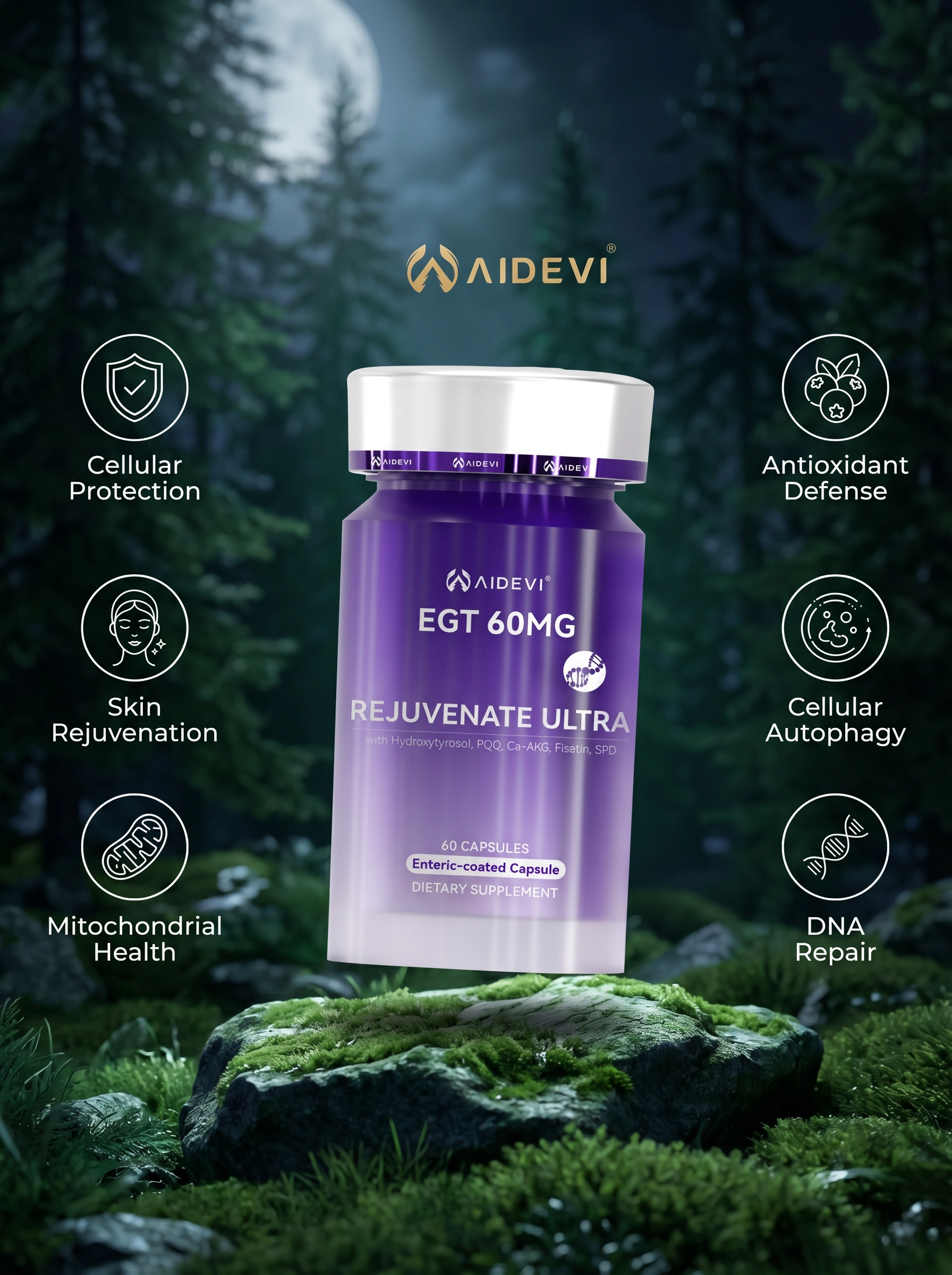
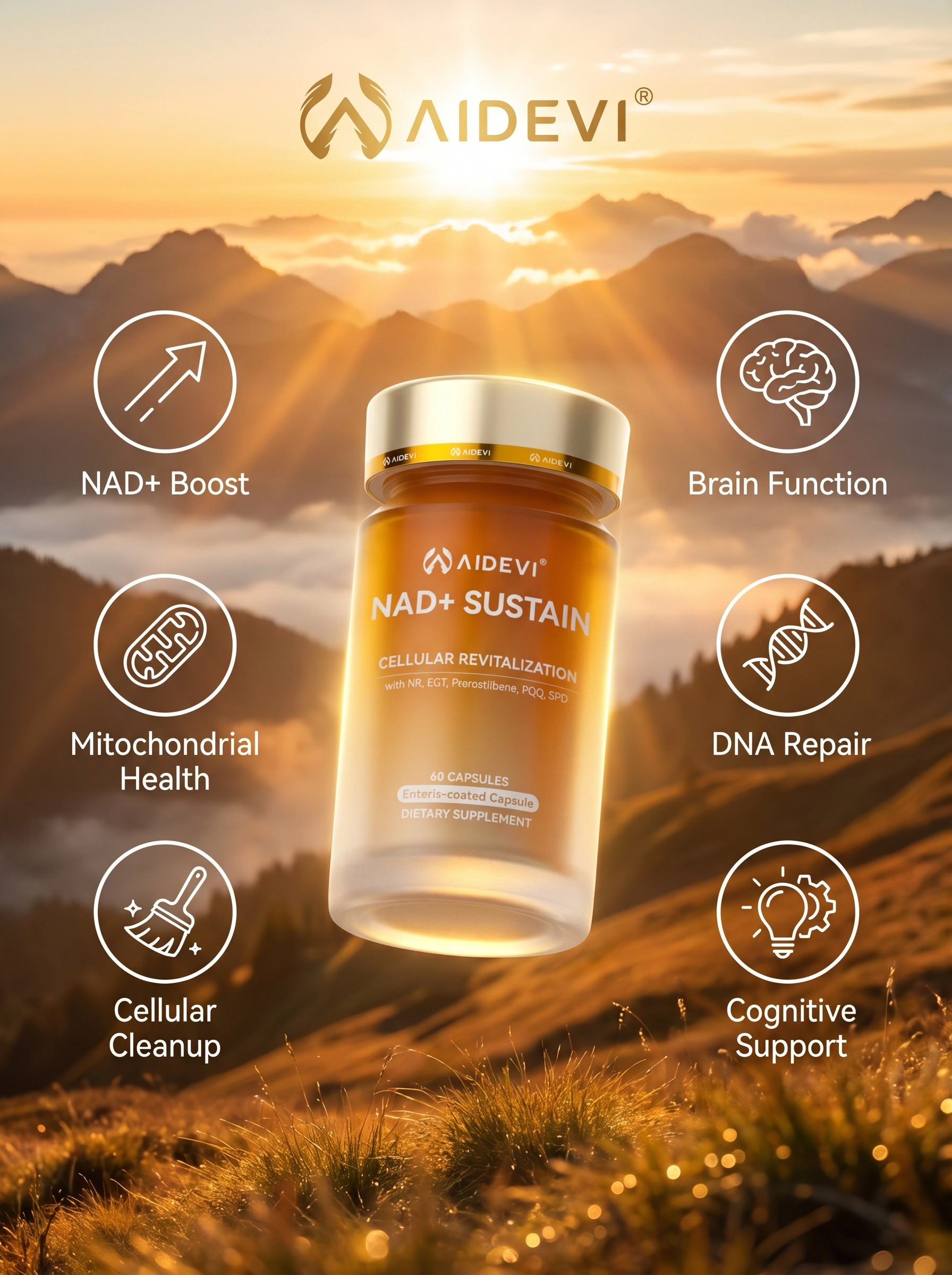
In a layered formula, PQQ may sit beside NR or NMN for NAD+ precursor support, EGT or polyphenols for antioxidant resilience, and other nutrients that support cellular maintenance. This creates a more complete cellular-wellness architecture.
Ingredient Pairing Logic
PQQ pairs well with ingredients that support neighboring parts of the cellular energy system. NAD+ precursors can support coenzyme availability, B vitamins can support energy metabolism, CoQ10 can connect to mitochondrial electron transport discussions, and antioxidants can support redox balance. PQQ adds a distinct mitochondrial-wellness layer to this landscape.
This layered approach helps avoid a narrow energy story. Rather than focusing on stimulation, a formula can address energy metabolism, mitochondrial context, antioxidant resilience, and cellular maintenance together. PQQ is most useful when its specific role is clear within that broader design.
Testing Interpretation and Batch Review
PQQ is often used in small amounts, so batch accuracy and blend uniformity are especially important. Identity testing confirms the material, assay testing determines active content, and form documentation clarifies how the ingredient amount should be calculated. A small assay error can matter more when a nutrient is included at a low serving level.
Finished-format compatibility should also be reviewed carefully. PQQ's color and redox-active nature can influence appearance, stability, and interactions with other ingredients. Packaging, light exposure, and humidity control may all affect the way a PQQ-containing formula is developed and stored.
Consumer-Relevant Science
For consumers, PQQ is most useful to understand as a mitochondrial-wellness nutrient rather than a quick-energy ingredient. It belongs in formulas that discuss cellular vitality, normal energy metabolism, and long-term wellness support rather than formulas built around short-term stimulation.
This distinction helps make the ingredient more understandable. PQQ does not need to act like caffeine to be relevant to energy. Its value comes from the deeper biology of mitochondria, redox balance, and cellular function. That makes it well suited for healthy aging and daily vitality formulas that emphasize sustained wellness routines.
PQQ is also useful when explaining why mitochondrial wellness is connected to more than physical energy. Mitochondria are active in tissues with high energy demand, including muscle, brain, and heart tissue. A formula that includes PQQ can therefore communicate a cellular energy concept that is broader and more nuanced than simple alertness.
Dosage-Form Considerations
Because PQQ may be used at relatively low serving amounts, uniform distribution is a key formulation concern. Premixing, particle size control, and validated blending can help ensure that each capsule, tablet, or serving contains a consistent amount. These manufacturing details are part of the ingredient's practical science.
PQQ's distinctive color and redox-active profile may also influence sensory and visual expectations. A finished formula should consider whether the ingredient affects powder shade, capsule appearance, or liquid color over time, especially in premium formats where consistency is part of the user experience.
Explore AIDEVI Science
PQQ belongs to AIDEVI's broader research interest in mitochondrial wellness and cellular vitality. Continue through the AIDEVI Science Center, learn about AIDEVI's brand background, or browse the AIDEVI product overview.
Frequently Asked Questions
Is PQQ an NAD+ precursor?
No. PQQ is not an NAD+ precursor. It is better understood as a mitochondrial-wellness ingredient that may complement NAD+ precursor formulas.
Is PQQ the same as CoQ10?
No. Both are discussed in mitochondrial contexts, but they are different compounds with different scientific profiles.
What quality documents matter for PQQ?
Identity testing, assay results, material form documentation, purity profile, contaminant review, and stability information are important for PQQ evaluation.
References
Individual results may vary. Consult a healthcare professional before starting any new supplement, especially if pregnant, nursing, taking medication, managing a medical condition, or following a restricted diet. The research and development information on this page is educational and should not be interpreted as medical advice or guaranteed product outcomes. These statements have not been evaluated by the Food and Drug Administration. This product is not intended to diagnose, treat, cure, or prevent any disease.
