




nmn vs NR: Which NAD+ Precursor Fits Your Wellness Goals?
NMN and NR are two related ingredients studied for their role in NAD+ metabolism. Neither has earned a universal “best” label for longevity. A recent randomized human comparison found that both compounds increased circulating NAD+ over a short 14-day study period, but it did not establish that either supplement extends lifespan or prevents age-related disease [1]. For a responsible choice, compare the human evidence, label transparency, tolerability, cost, and your personal health context.
At a glance: NMN and NR are NAD+ precursors, not NAD+ itself. Both can raise blood NAD+ in selected human studies. Current evidence does not show that NMN is automatically faster, more effective, or better for longevity than NR. The right comparison is the formula, the evidence supporting the claim, and the quality of the product you can use consistently.
Content
- Why NAD+ matters in this comparison
- NMN vs NR: the practical difference
- What human research actually shows
- Safety, dose, and realistic expectations
- How to choose between NMN and NR
- How to read a product example
- Frequently Asked Questions
Why does NAD+ matter in the NMN vs NR discussion?
Nicotinamide adenine dinucleotide, or NAD+, is a coenzyme involved in redox reactions, energy metabolism, and the activity of several enzyme families. Because NAD+ biology changes with age, nutrition, physical activity, stress, and tissue type, researchers are studying whether NAD+ precursors can influence measurable markers in humans.
That pathway is important, but it should not be confused with a guaranteed outcome. NMN and NR are not the same molecule as NAD+, and a change in blood NAD+ does not automatically mean a change in every tissue or a longer lifespan. Readers who want the broader biochemical context can review AIDEVI’s guide to NAD+ versus NMN.
The most useful editorial distinction is between mechanism and outcome. A mechanism explains why an ingredient deserves research. A clinical outcome tells us whether a defined intervention improves a meaningful measure in a defined population. NMN and NR have promising mechanistic rationale, while their long-term effects on healthy aging remain under investigation.
NMN vs NR: what is the practical difference?
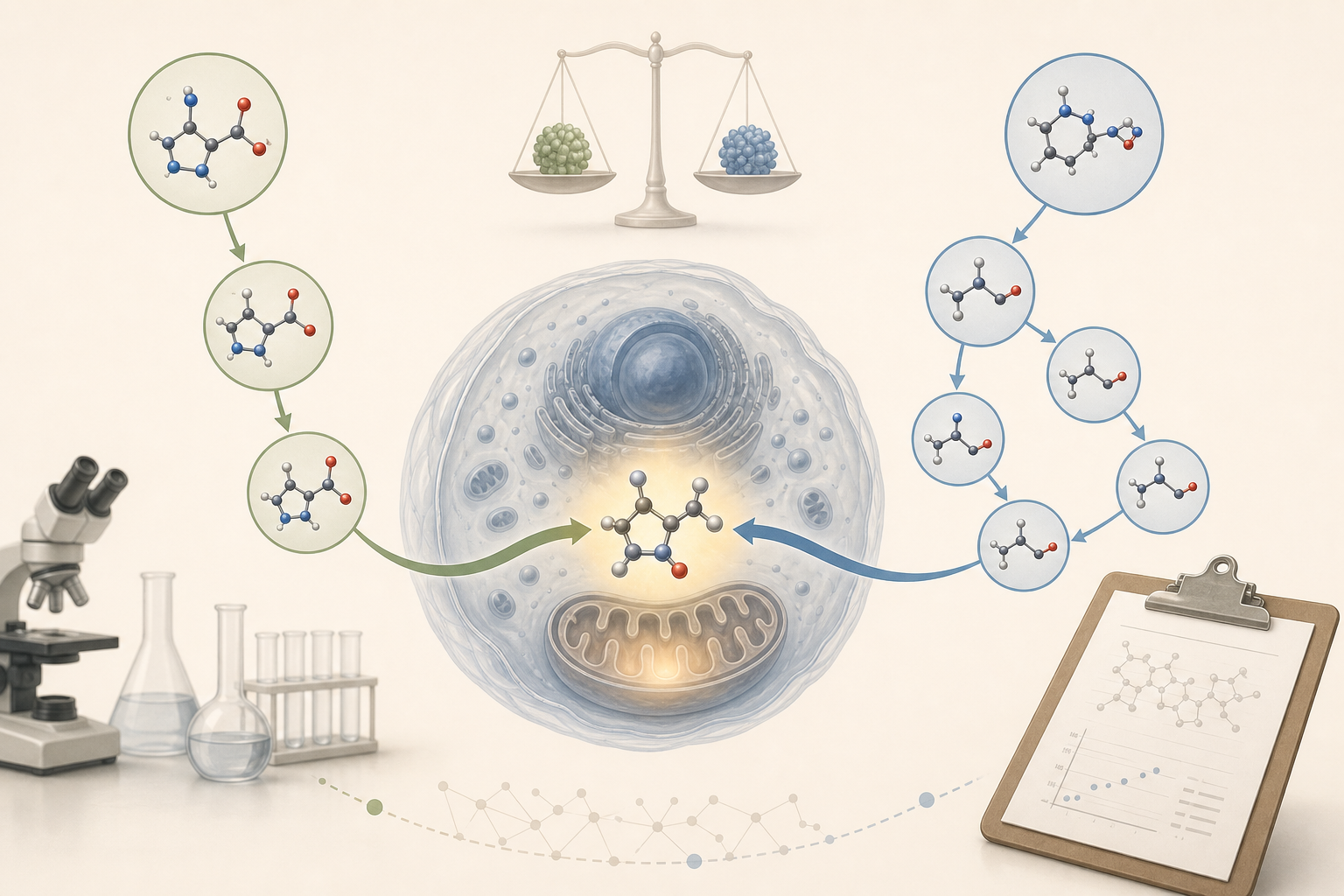
NMN stands for nicotinamide mononucleotide. NR stands for nicotinamide riboside. Both are upstream compounds that the body can use in NAD+ biosynthesis. Their chemical structures and metabolic handling are different, but a simple claim that one “goes directly into cells” and therefore must work faster is not an adequate summary of human pharmacology.
After oral intake, each compound is subject to digestion, absorption, tissue distribution, enzymatic conversion, and clearance. The response may also depend on the formulation, dose, timing, baseline NAD+ status, age, health, and the tissue being measured. This is why a pathway diagram cannot replace a head-to-head clinical trial.
| Question | NMN | NR |
|---|---|---|
| What is it? | Nicotinamide mononucleotide, a NAD+ precursor. | Nicotinamide riboside, a NAD+ precursor. |
| What have human studies measured? | Blood NAD+, tolerability, and selected physical or metabolic measures. | Blood NAD+, tolerability, and selected metabolic or disease-specific measures. |
| What is not established? | A universal longevity, anti-aging, or disease-prevention benefit. | A universal longevity, anti-aging, or disease-prevention benefit. |
| What should shoppers compare? | Exact form, amount per serving, additional ingredients, testing, and instructions. | Exact form, amount per serving, additional ingredients, testing, and instructions. |
What does human research actually show?
The strongest answer available today is narrower than many marketing pages suggest: both ingredients can increase NAD+ biomarkers in some human studies, but evidence for meaningful long-term health outcomes is still limited. Study size, duration, population, dose, formulation, and endpoint all matter.
A recent randomized, open-label, placebo-controlled comparison enrolled 65 healthy participants and followed them for 14 days. Both NR and NMN increased circulating NAD+ under the study conditions. This is useful head-to-head evidence for a biomarker response, not proof that one compound improves cognition, prevents disease, or slows biological aging more effectively than the other [1].
In a separate randomized trial, 30 healthy adults took 250 mg of NMN per day for 12 weeks. Whole-blood NAD+ increased, and the researchers reported no obvious adverse effects during the study period. The result supports further research into NMN’s effect on a biomarker; it does not establish a general anti-aging treatment or a personal dosing prescription [2].
NR also has human biomarker data. In an eight-week randomized trial in healthy overweight adults, 100, 300, and 1,000 mg daily increased whole-blood NAD+ by approximately 22%, 51%, and 142% within two weeks, respectively. The study did not show a significant difference in adverse events between groups. These numbers belong to that study design and should not be converted into a universal “best dose” or a promise of proportional health benefits [3].
| Evidence level | What it can tell us | What it cannot tell us |
|---|---|---|
| Cell or animal research | Whether a biological pathway is plausible and worth studying. | Whether a supplement produces the same result in people. |
| Small human trial | How a defined dose affected selected markers or short-term outcomes. | A universal dose, long-term safety, or a guaranteed consumer result. |
| Systematic review | How consistent the available trials are and where uncertainty remains. | A substitute for new, large, long-duration clinical trials. |
A recent systematic review and meta-analysis included 15 randomized trials using 250 to 2,000 mg of NMN per day for 14 days to 24 weeks. It found generally favorable short-term tolerability but no clear broad metabolic benefit across the included outcomes. The authors also highlighted the need for larger and longer studies. That is a reason for careful optimism, not a reason to rank NMN as a proven longevity intervention [4].
Claims about heart plaque, collagen, brain performance, diabetes, cancer, dementia, or lifespan require especially careful sourcing. A result from an animal model, a mechanistic paper, or a small exploratory study should be labeled as such. It should not be presented as evidence that a consumer product prevents or reverses an age-related condition.
Are NMN and NR safe? What about dosage?
Short human studies of NMN and NR generally report reasonable tolerability, but short-term findings do not establish long-term safety for every adult. The evidence is limited by small samples, brief follow-up, different product formulations, and the fact that many participants were relatively healthy. A supplement may also contain ingredients besides NMN or NR, each with its own precautions.
There is no universal “maximum safe dose” that an article can assign to every reader. A research dose answers a study question under defined conditions; it does not account for your medications, pregnancy or breastfeeding status, liver or kidney health, surgery plans, diet, or use of other supplements. Follow the current product label and discuss individualized dosing with a qualified healthcare professional. AIDEVI’s NMN dosage guide can help you prepare questions, but it is not a medical prescription.
If you experience a persistent or concerning reaction, stop using the product and seek professional advice. People managing a medical condition or taking prescription medicines should be especially cautious. “Natural” does not mean risk-free, and raising a biomarker is not the same as treating an illness.
How should you choose between NMN and NR?
Start with the goal you can define and measure. If the goal is general wellness, neither ingredient has a proven universal advantage. If the goal is a medical condition, do not use an over-the-counter supplement as a substitute for diagnosis or treatment. If the goal is experimentation with a qualified professional’s approval, choose the formula with the clearest label and the most realistic claims.
| Your situation | A sensible next step |
|---|---|
| You want to understand the science first. | Read human studies and separate NAD+ biomarker findings from longevity claims. |
| You are comparing two products. | Compare serving size, exact ingredient amounts, added compounds, warnings, testing, and cost per serving. |
| You take medication or manage a condition. | Ask a qualified healthcare professional before adding NMN, NR, or a combination formula. |
| A page promises instant energy or a disease benefit. | Treat the claim as a quality signal to investigate, not as evidence of efficacy. |
What should you check on the label?
Look for the exact ingredient name, amount per capsule and serving, complete Supplement Facts panel, directions, warnings, storage information, lot or batch details, and accessible quality documentation. A batch-specific certificate of analysis can be useful for identity, potency, and selected contaminants when it is traceable to the product. It is a quality document, not proof of a clinical outcome. See AIDEVI’s guide to reading an NMN certificate of analysis and its overview of how to evaluate an NMN supplement.

How does a product example fit into this comparison?
Product mentions should answer a factual question rather than interrupt the evidence review. The current AIDEVI NMN 18000 product page lists 300 mg of NMN per capsule and 600 mg per two-capsule serving. It also lists trans-resveratrol, fruit and vegetable powder, anthocyanins, and PQQ. These are label facts; they do not establish that the complete formula reverses aging or treats a medical condition.
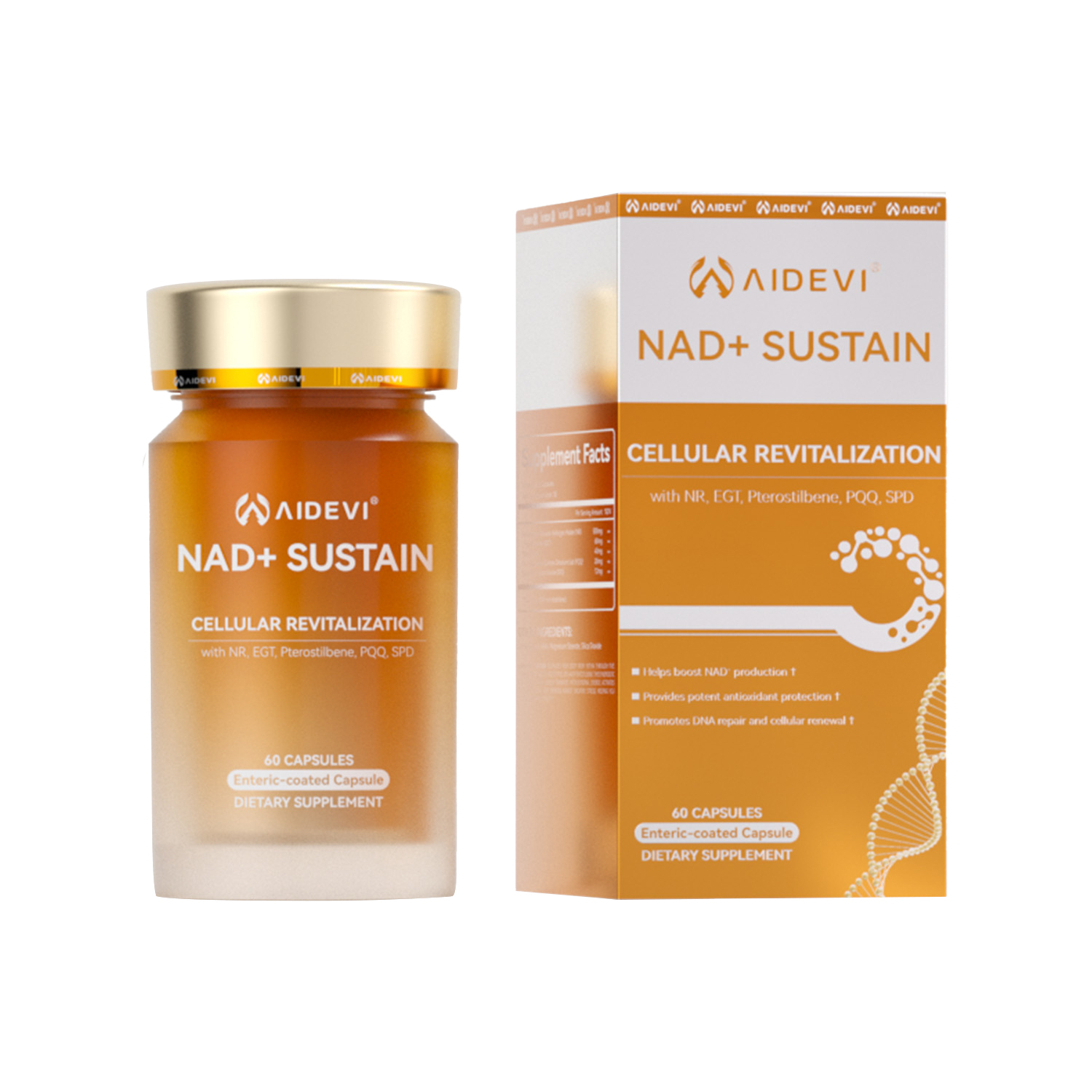
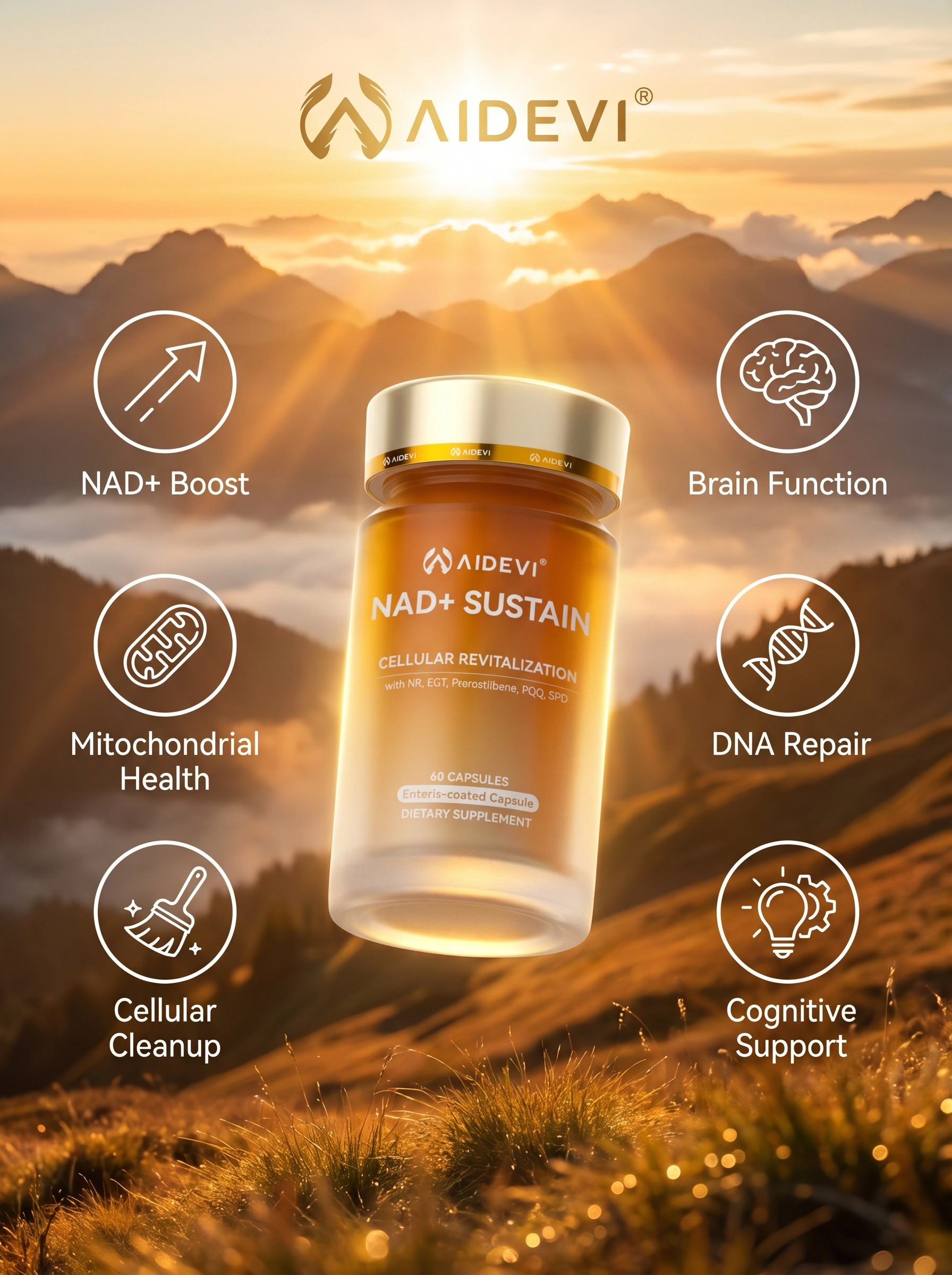
For readers who are specifically comparing an NR-centered option, AIDEVI’s NAD+ Sustain product page describes an NR-centered formula with EGT, PQQ, pterostilbene, and spermidine. The current product page should be checked for the latest Supplement Facts, serving directions, and warnings before purchase or use. A comparison is more credible when it reports what the product contains and leaves efficacy claims to the evidence.
Readers seeking basic NMN background can also review what to know about NMN supplements. The practical principle is simple: product selection comes after evidence review, not before it.
Conclusion
NMN and NR are credible research subjects because both participate in NAD+ metabolism, and human studies suggest that each can raise circulating or whole-blood NAD+ under defined conditions. Current evidence does not establish a universal winner for longevity, a faster direct-conversion advantage, or a guaranteed improvement in energy, cognition, metabolism, skin, or lifespan.
The professional way to compare them is to separate biomarker evidence from clinical outcomes, short-term tolerability from long-term safety, and product transparency from marketing language. Check the label, review the study design, use realistic expectations, and involve a qualified healthcare professional when your health context is complex.
Frequently Asked Questions
Is NMN better than NR?
Not based on current human evidence. Both can increase NAD+ biomarkers in selected studies, while a universal advantage for longevity or disease prevention has not been established.
Does NMN convert to NAD+ faster than NR?
A simplified pathway diagram cannot answer that for every person or tissue. Oral absorption and metabolism involve multiple steps, and direct head-to-head human evidence has not established a universal faster-result claim.
Can I take NMN and NR together?
There is not enough evidence to claim that combining them is automatically better. Combining products may increase total exposure and duplicate ingredients. Ask a qualified healthcare professional before combining supplements.
What dose of NMN or NR should I take?
There is no single dose for everyone. Trials use different amounts, formulations, populations, and durations. Follow the current label and discuss personal dosing with a qualified healthcare professional rather than treating a study dose as a prescription.
Do NMN or NR reverse aging?
No human evidence currently establishes either supplement as a way to reverse aging, prevent disease, or extend lifespan. They are being studied for their relationship to NAD+ metabolism and selected health markers.
References
- [1] Randomized human comparison of nicotinamide riboside and nicotinamide mononucleotide on circulating NAD+ levels.
- [2] Oral Administration of Nicotinamide Mononucleotide Is Safe and Efficiently Increases Blood NAD+ Levels in Healthy Subjects.
- [3] Nicotinamide riboside is uniquely and orally bioavailable in mice and humans.
- [4] Safety and Metabolism-Related Outcomes of Oral Nicotinamide Mononucleotide Supplementation in Adults: A Systematic Review and Meta-Analysis.
- [5] FDA: Information on Dietary Supplement Ingredients and Other Substances.
These statements have not been evaluated by the Food and Drug Administration. This product is not intended to diagnose, treat, cure, or prevent any disease. Individual results may vary. Consult a healthcare professional before starting any new supplement, especially if pregnant, nursing, taking medication, or managing a medical condition.
