



AIDEVI Wellness Guide
nmn vs NAD vs NR: What Are the Differences Between Them?
NMN, NAD+, and NR are related, but they are not the same thing. NAD+ is the active coenzyme your cells use for energy metabolism and repair signaling. NMN and NR are precursors your body can convert into NAD+. In practical supplement language, NAD+ is the destination, while NMN and NR are two different routes people use to support healthy NAD+ metabolism.
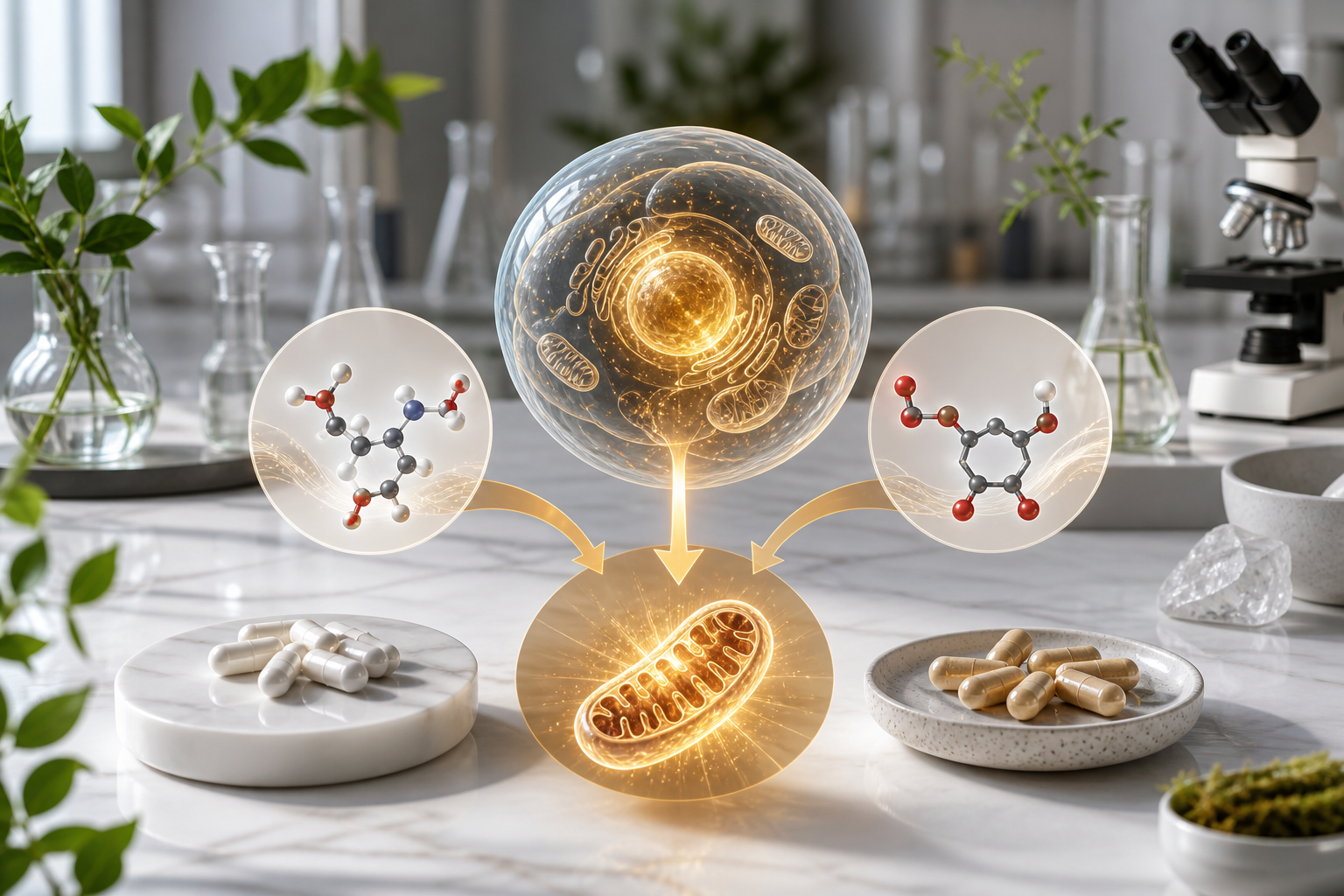
- NAD+ is a coenzyme used inside cells; NMN and NR are NAD+ precursors.
- NR can be converted into NMN, and NMN can be converted into NAD+ through NAD+ biosynthesis pathways.
- NMN and NR have both been studied in human trials for safety, tolerability, and NAD+ metabolism, but results and outcome measures vary.
- The best choice depends on your goal, format preference, product quality, dose, tolerance, and healthcare context.
Content
A useful shortcut: If you want the simplest distinction, remember this chain: NR can be converted into NMN, NMN can be converted into NAD+, and NAD+ is the molecule cells use in energy and stress-response processes. Supplement discussions usually focus on which route is most practical, stable, tolerable, and well matched to your routine.
What is the core difference between NMN, NAD+, and NR?
The difference is easiest to understand by separating role from format. NAD+ stands for nicotinamide adenine dinucleotide. It is an essential coenzyme involved in redox reactions, cellular energy metabolism, and the activity of NAD+-dependent enzymes such as sirtuins and PARPs. Reviews of NAD+ biology describe NMN and NR as intermediates or precursors in NAD+ biosynthesis rather than as interchangeable names for the same molecule [1].
NMN stands for nicotinamide mononucleotide. It is one step closer to NAD+ in the salvage pathway. NR stands for nicotinamide riboside. It can be converted into NMN by NR kinases, then NMN can be converted into NAD+ by NMN adenylyltransferases. That is why people often compare NMN and NR as two NAD+ precursor strategies rather than as separate wellness categories.
AIDEVI readers who want a deeper foundation can start with what NAD+ is and why cellular energy depends on it. If the specific question is NMN versus NAD+ as supplement concepts, AIDEVI's NAD+ vs NMN guide gives that comparison its own dedicated page.
| Molecule | Primary identity | Practical supplement meaning | Key nuance |
|---|---|---|---|
| NAD+ | Active coenzyme used by cells | The target molecule people want to support | Direct oral NAD+ support has different stability and absorption questions than precursors. |
| NMN | NAD+ precursor, one step before NAD+ | Used to support healthy NAD+ metabolism | Human trials suggest oral NMN can affect blood NAD+ markers, but outcomes vary by study design. |
| NR | Vitamin B3 derivative and NAD+ precursor | Another route to NAD+ support | NR has human data showing increased NAD+ metabolism markers and good tolerability in studied settings. |
How do they connect in the NAD+ pathway?
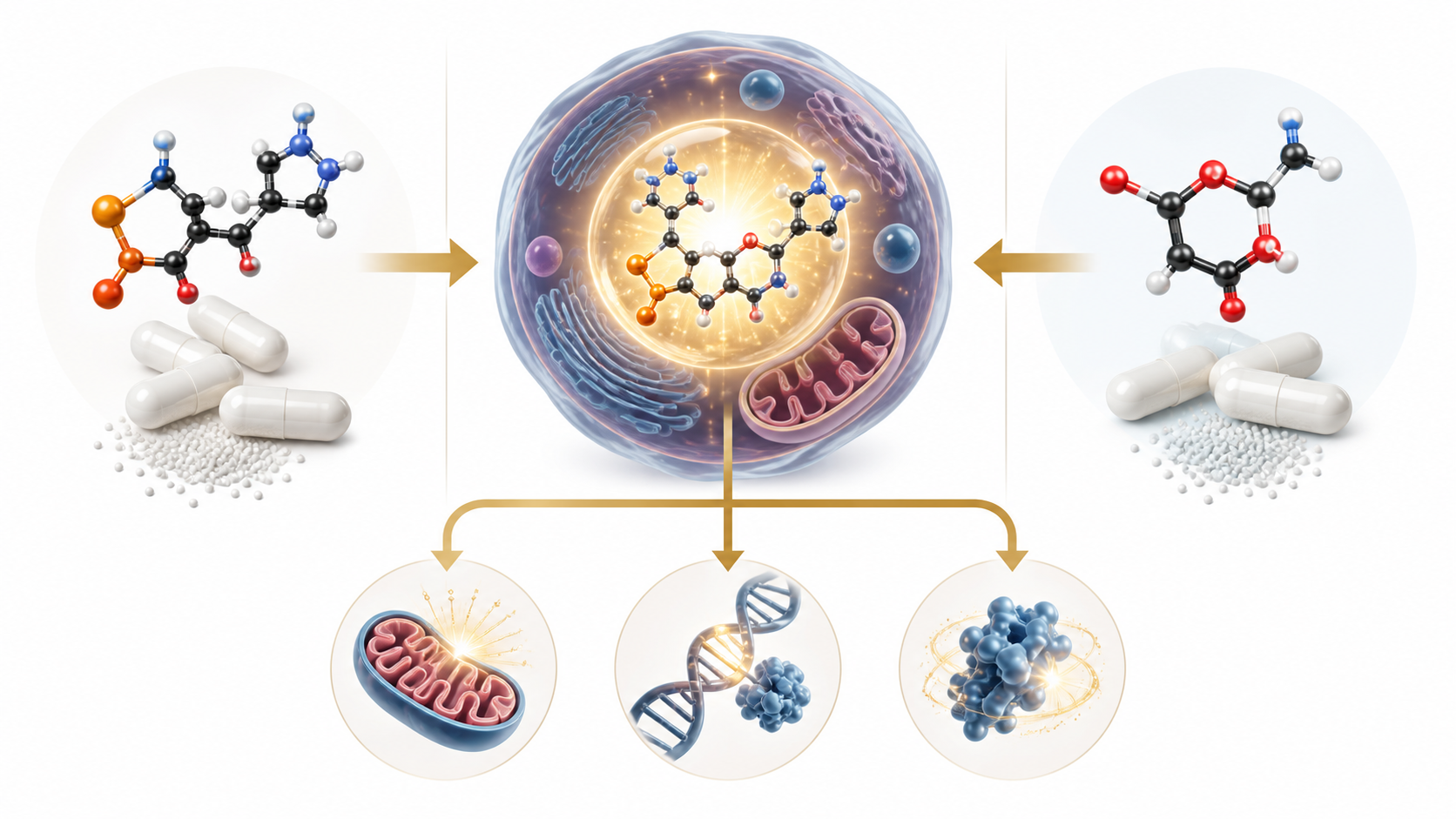
Think of the pathway as a production line. NR can enter the pathway and become NMN. NMN can then become NAD+. NAD+ is used by the cell, then broken down and recycled through salvage pathways. This constant production, use, and recycling matters because NAD+ is consumed by enzymes involved in DNA repair signaling, sirtuin activity, immune regulation, and metabolic stress response [1].
Aging, inflammation, oxidative stress, and high activity of NAD+-consuming enzymes may all influence NAD+ balance. That does not mean everyone needs a precursor supplement. It means NAD+ metabolism is biologically important enough that researchers study multiple ways to maintain it. AIDEVI's explanation of NAD+ decline, sirtuins, and PARPs is a helpful bridge if you want the enzyme-level story without getting buried in biochemistry.
Which supplement format makes the most sense?
For most wellness shoppers, the real choice is not “which molecule sounds most advanced?” It is “which format has a clear label, a realistic dose, good stability, a routine I will actually follow, and evidence that matches my expectation?” NMN and NR are both used as NAD+ precursor supplements. Direct NAD+ products also exist, but they raise different questions about delivery route, stability, digestion, and whether the body uses the intact molecule or metabolizes it into related compounds first.
Human NMN studies have reported good tolerability in healthy adults at studied doses and increases in blood NAD+ or related metabolites in several trial designs [2]. A randomized dose-dependent trial in healthy middle-aged adults also reported that NMN supplementation increased blood NAD concentration across tested groups and was well tolerated during the 60-day study period [3]. NR has also been studied in humans; one randomized crossover trial in healthy middle-aged and older adults reported that chronic NR supplementation was well tolerated and stimulated NAD+ metabolism [4].
The key is not to overread these findings. Raising a blood biomarker is not the same as proving a visible wellness outcome. If your focus is how oral NMN compares with NAD+ delivery questions, AIDEVI's NMN vs NAD bioavailability comparison goes deeper. If your decision is NMN versus NR, the dedicated NMN vs NR guide is the better next read.
Can you get enough NMN or NR from food?
Small amounts of NAD+ precursors and vitamin B3-related compounds are found in foods. NMN has been reported in foods such as edamame, broccoli, avocado, tomato, and milk, while NR has been discussed in relation to milk and other dietary sources. A varied diet matters because it supplies niacin, tryptophan, protein, minerals, and plant compounds that support normal metabolism. But food amounts of NMN or NR are generally small compared with concentrated supplements. This is why the dietary conversation and the supplement conversation should be kept separate: eating well supports the whole system, while a supplement is a targeted, higher-concentration input.
That distinction helps prevent confusion. A person does not need to choose between broccoli and NMN capsules as if they are equivalent tools. Food provides a broad nutritional foundation; precursor supplements are optional products with specific labels, serving sizes, and safety considerations. The strongest healthy-aging routine usually starts with meals, movement, sleep, and stress control, then adds supplements only when there is a clear reason.
What are the safety and evidence limits?
NMN and NR are not instant energy buttons. They are biologically active nutrition-related compounds being studied for NAD+ metabolism. Early human studies are encouraging for tolerability in selected healthy adults, but long-term use, different health conditions, medication interactions, tissue-specific effects, and high-dose routines still need careful research. A 2023 review of NMN and NR notes that results are promising but that long-term supplementation and high doses still require more safety evaluation [5].
The FDA reminds consumers that dietary supplements can have risks, can interact with medicines, and should not replace prescribed care or a varied diet. It also notes that FDA does not approve dietary supplements for safety and effectiveness before they are sold to the public [6]. That is why label transparency, third-party quality signals, realistic claims, and professional guidance matter.
For AIDEVI readers, the safest supplement mindset is “one variable at a time.” Do not start NMN, NR, NAD+, resveratrol, caffeine, and several performance products all at once and then try to guess what is working. Choose one clear goal, use one product consistently, track sleep, digestion, energy, mood, exercise recovery, and any unwanted effects. If you are pregnant, nursing, preparing for surgery, managing a diagnosed condition, or taking medication, ask a healthcare professional before using NAD+ pathway supplements.
What should you check on the label?
A good label should make the form obvious. If it says NMN, does it specify beta-nicotinamide mononucleotide? If it says NR, does it identify the NR form? If it says NAD+, does it explain the delivery format clearly? You should also be able to find the serving size, amount per serving, other active ingredients, allergens, suggested use, manufacturer information, and any quality-testing language. Be cautious when a label hides behind vague blend names or makes health promises that sound stronger than the evidence.
Also check overlap. Many longevity formulas combine NMN or NR with resveratrol, TMG, CoQ10, PQQ, antioxidants, or methyl-support nutrients. A combination can be reasonable when it is transparent, but it should not make the dose harder to understand. If you are new to NAD+ pathway supplements, a simpler product is often easier to evaluate than a complex stack.
How should you choose between NMN, NAD+, and NR?
Use the decision below as a buyer-support framework, not a medical recommendation. It is designed to help you match the format to the question you are actually asking.
| Best fit | Consider instead | Avoid or pause if |
|---|---|---|
| Choose NMN if you want a precursor close to NAD+ in the pathway and prefer NMN-focused research and routines. | Consider NR if you prefer the NR research base, or compare both before deciding. | Pause if you expect dramatic youth claims, medical outcomes, or instant energy. |
| Choose NR if you want another vitamin B3-derived route into NAD+ metabolism. | Consider NMN if you are specifically building an NMN routine or comparing dose formats. | Pause if you are combining several NAD+ pathway products without guidance. |
| Choose NAD+ products only when the delivery format, label, and rationale are clear. | Consider precursor formats if your goal is supporting normal NAD+ production pathways. | Pause if you are unsure how the product is meant to be absorbed or used. |
Once you choose a pathway, routine details still matter. Timing, consistency, food tolerance, and dose discipline can affect the experience. AIDEVI's NMN dosage by age guide and NMN supplement timing guide can help readers move from comparison to practical routine design. If the main goal is energy metabolism, AIDEVI's article on cellular energy production and NMN supplementation gives the broader context.
Conclusion
NMN, NAD+, and NR belong to the same NAD+ conversation, but they play different roles. NAD+ is the active cellular coenzyme. NMN is a direct NAD+ precursor. NR is another precursor that can become NMN before contributing to NAD+ biosynthesis. That pathway relationship is the heart of the comparison.
For supplement decisions, the strongest answer is practical: choose based on evidence, quality, format, tolerance, and your actual wellness goal. NMN and NR are better understood as support tools for NAD+ metabolism, not as promises of transformation. A clear routine, good sleep, regular movement, nutrient-dense meals, and professional guidance remain the foundation.
Frequently Asked Questions
Is NMN the same as NAD+?
No. NMN is a precursor that can be converted into NAD+. NAD+ is the coenzyme cells use in energy metabolism and NAD+-dependent enzyme activity.
Is NR the same as NMN?
No. NR and NMN are different molecules, but they are connected. NR can be converted into NMN, and NMN can then be converted into NAD+.
Which is better: NMN or NR?
There is no universal winner. Both are NAD+ precursors with human research. The better choice depends on product quality, dose, personal tolerance, research preference, and healthcare context.
Can I take NAD+, NMN, and NR together?
Stacking multiple NAD+ pathway products is not automatically better. It can make tolerance and effects harder to judge. If you are considering a stack, ask a healthcare professional and avoid changing multiple variables at once.
Do NAD+ precursors replace healthy habits?
No. NAD+ precursor supplements should be viewed as optional support within a wider routine. Sleep, exercise, balanced meals, stress management, and preventive healthcare still matter most.
References
- [1] Yoshino J, Baur JA, Imai SI. NAD+ Intermediates: The Biology of NMN and NR. https://pmc.ncbi.nlm.nih.gov/articles/PMC5842119/
- [2] Yamane T, et al. Oral Administration of Nicotinamide Mononucleotide Is Safe and Efficiently Increases Blood NAD+ Levels in Healthy Subjects. https://pmc.ncbi.nlm.nih.gov/articles/PMC9036060/
- [3] Yi L, et al. The efficacy and safety of beta-nicotinamide mononucleotide supplementation in healthy middle-aged adults. https://pmc.ncbi.nlm.nih.gov/articles/PMC9735188/
- [4] Martens CR, et al. Chronic nicotinamide riboside supplementation is well-tolerated and elevates NAD+ in healthy middle-aged and older adults. https://pubmed.ncbi.nlm.nih.gov/29599478/
- [5] NAD+ Precursors NMN and NR: Potential Dietary Contribution to Health. https://pmc.ncbi.nlm.nih.gov/articles/PMC10240123/
- [6] U.S. Food and Drug Administration. FDA 101: Dietary Supplements. https://www.fda.gov/consumers/consumer-updates/fda-101-dietary-supplements
These statements have not been evaluated by the Food and Drug Administration. This product is not intended to diagnose, treat, cure, or prevent any disease. This article is for educational purposes only and is not medical advice. Consult a healthcare professional before starting any new supplement, especially if pregnant, nursing, taking medication, preparing for surgery, or managing a medical condition.
