



NAD+ Bioavailability: nmn vs Direct NAD+ Supplements, Explained
NAD+ bioavailability is often presented as a simple contest: take NAD+ directly, or take NMN and let the body make NAD+. The biology is more complicated. NAD+ is a charged coenzyme involved in energy metabolism and other cellular reactions, while NMN is a precursor that enters a broader network of absorption and conversion pathways. Human evidence supports oral NMN as a way to raise selected NAD+ biomarkers, but it does not prove that NMN universally outperforms every direct NAD+ product or reverses aging.
Evidence in one sentence: NMN has more direct human evidence for raising blood NAD+ than oral NAD+ products have for delivering intact NAD+ into cells, but a definitive head-to-head clinical trial proving that NMN is superior to all direct NAD+ formulations is not available.
Content
- What NAD+ bioavailability actually means
- What happens to oral NAD+
- How NMN is processed
- What human research has measured
- Capsules, sublingual products, and IV therapy
- How to evaluate product quality
- How AIDEVI products fit the discussion
- Frequently Asked Questions
What does NAD+ bioavailability actually mean?
Bioavailability is not a single number printed on a bottle. It describes how much of a substance reaches circulation or a target tissue in a usable form after administration. For NAD+ research, the endpoint might be plasma or whole-blood NAD+, NAD+ metabolites, a blood-cell measure, or a tissue-specific result. Those endpoints are related, but they are not interchangeable.
NAD+ participates in redox reactions, energy metabolism, and enzyme activity. Its biology is influenced by age, nutrition, activity, stress, tissue type, and baseline metabolic state. A rise in circulating NAD+ can show that a supplement affected one measurable part of the pathway. It does not automatically show that NAD+ increased in every organ or that a person will experience a meaningful change in energy, cognition, skin, lifespan, or disease risk.
This is the first correction the original article needed. It treated “can affect the NAD+ pathway” and “produces a proven anti-aging outcome” as the same claim. They are not the same claim. A credible explanation should keep mechanism, pharmacokinetics, biomarker response, clinical outcome, and product quality in separate boxes.
For broader background, see AIDEVI’s educational comparison of NAD+ and NMN and its discussion of recent NMN research on gut, liver, and circulation.
What happens when you take NAD+ orally?
NAD+ is a large, charged coenzyme. That chemical profile makes intact movement across biological membranes difficult, and oral NAD+ is exposed to the digestive tract before it could reach a target cell. However, “difficult to deliver intact” is more accurate than “cannot enter cells” or “is completely destroyed.” Oral products can contain different forms, delivery systems, and additional precursors, and the human pharmacokinetic evidence is not strong enough to assign one absorption rate to all of them.
Digestion and metabolism may break NAD+ into smaller compounds that enter the body’s vitamin B3 and NAD+ pathways. That is not equivalent to delivering intact NAD+ to mitochondria. It also does not prove that every oral NAD+ formula is ineffective. The correct question is: what form reaches circulation, what biomarker changes, and what outcome was measured in a controlled human study?
Intravenous NAD+ is a different intervention because it bypasses the gastrointestinal tract. It should not be used as evidence for the performance of an oral capsule, and it is not a routine supplement format. IV therapy involves clinical supervision, cost, procedural risks, and a different exposure profile. Comparing it with an oral NMN product without acknowledging those differences creates a misleading result.
| Format | What can be said responsibly | What cannot be assumed |
|---|---|---|
| Oral NAD+ | Delivery is affected by digestion, formulation, and metabolism. | That all oral NAD+ products have the same absorption or no biological activity. |
| Oral NMN | Small human trials show increases in selected blood NAD+ measures. | That a biomarker increase proves age reversal or disease prevention. |
| IV NAD+ | It bypasses digestion and is a clinically administered intervention. | That IV findings establish the value or safety of oral capsules. |
How is NMN processed in the body?
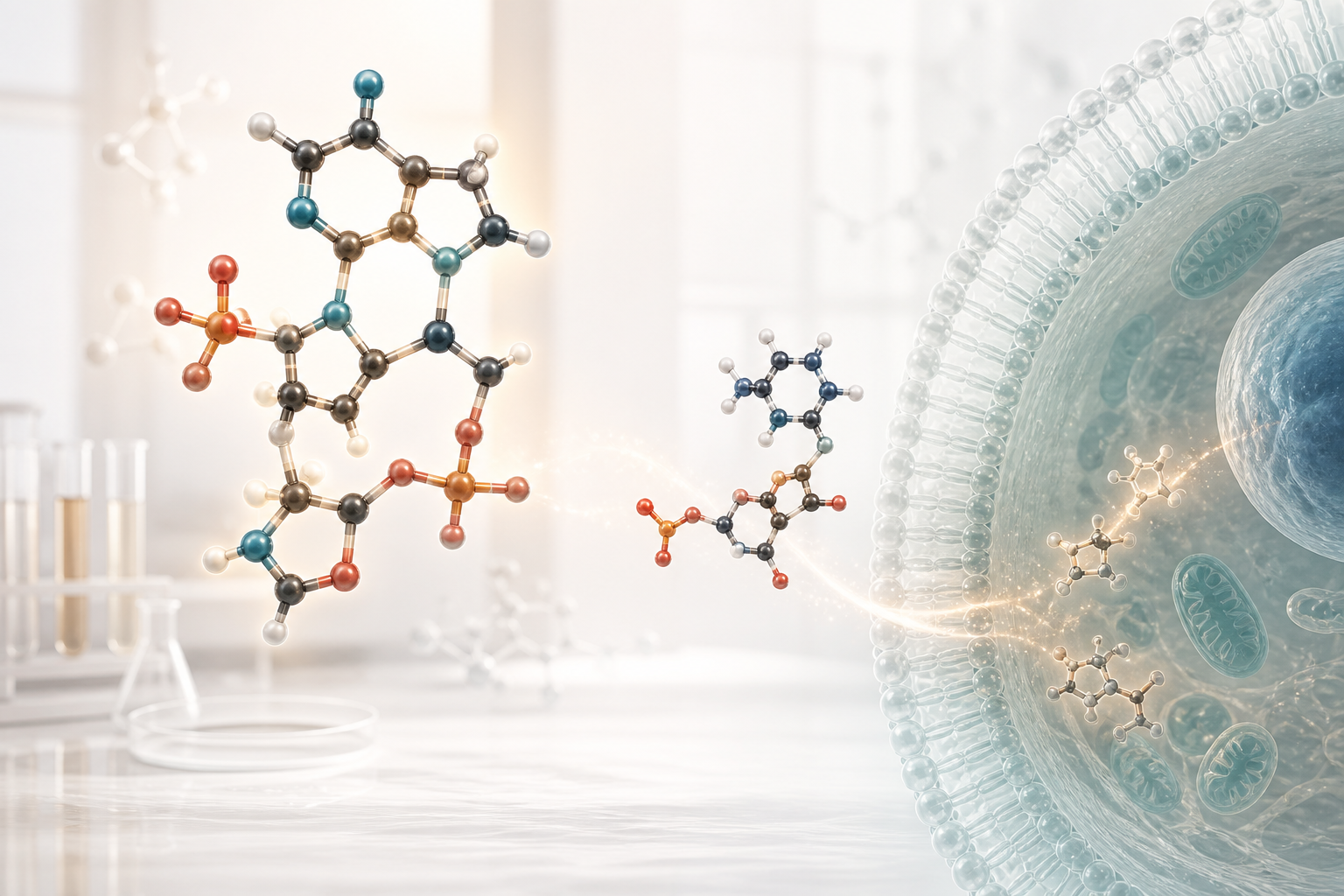
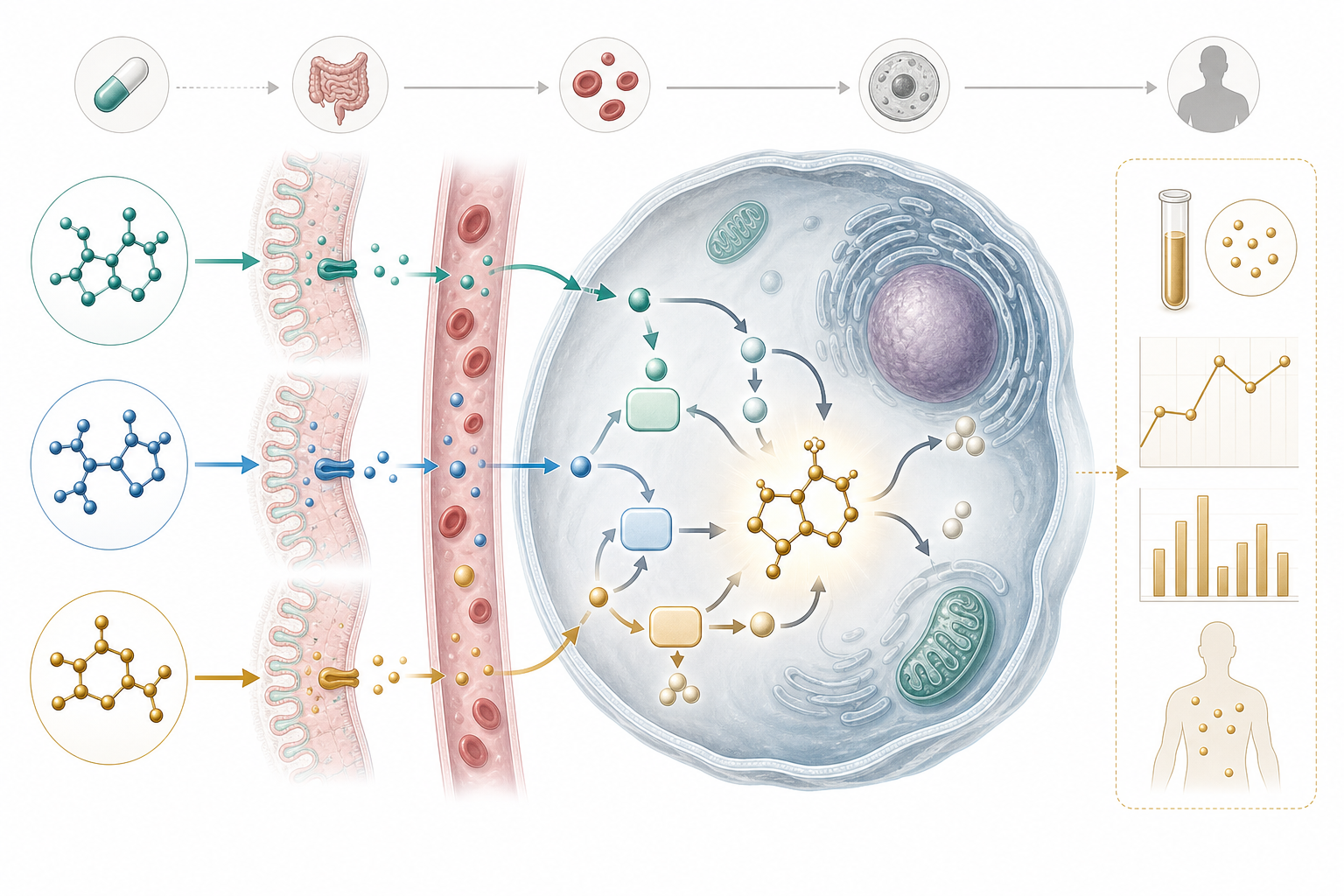
NMN, or nicotinamide mononucleotide, is a precursor in NAD+ biosynthesis. After oral intake, the molecule may be affected by digestion, intestinal transport, gut microbial metabolism, circulation, and tissue-specific conversion. The pathway is not a single guaranteed route from capsule to mitochondria.
A 2019 study identified Slc12a8 as an NMN transporter in experimental models and reported that the transporter specifically handled NMN rather than NR. This was important mechanistic work, but the findings were centered on mice, intestinal expression, and laboratory experiments. It should not be rewritten as proof that a human supplement always enters every cell intact through a dedicated doorway [1].
A newer randomized human study enrolled 65 healthy participants for 14 days and compared NR, NMN, and nicotinamide. NMN and NR comparably increased circulating NAD+ under the study conditions. The investigators also used human microbiota fermentation and whole-blood experiments to propose a gut-dependent model involving nicotinic acid. That is an important research direction, but ex vivo microbial findings are not the same as proving a lasting prebiotic or health benefit in every consumer [2].
The practical takeaway is not “NMN has a magic direct route.” It is that NMN metabolism involves multiple routes, and individual responses may vary. This is why a claim about molecular weight or one transporter cannot replace human pharmacokinetic and clinical data.
What has human research actually measured?
The human evidence for oral NMN is stronger than the evidence for the specific claim that an oral NAD+ capsule delivers intact NAD+ into cells. That does not mean NMN is a proven longevity treatment. It means NMN has been studied in people with measurable biomarker endpoints, while direct oral NAD+ claims often rely on mechanism, formulation language, or extrapolation from IV therapy.
In one randomized, placebo-controlled trial, 30 healthy adults received 250 mg of NMN daily for 12 weeks. Whole-blood NAD+ increased, and the study reported no obvious adverse effects during the trial period. The result supports a short-term biomarker response under defined conditions; it does not establish an ideal dose for everyone or prove improvement in lifespan or disease risk [3].
Another randomized, double-blind study evaluated 1,250 mg of beta-NMN once daily for up to four weeks in 31 healthy adults. The investigators found no severe adverse events and reported that clinical and laboratory measures stayed within the observed physiological range. This is useful short-term safety information, not a declaration that high-dose, long-term use is appropriate for every person [4].
A 2026 systematic review and meta-analysis included 15 randomized trials. The studies used 250 to 2,000 mg per day for 14 days to 24 weeks. The review found favorable short-term tolerability, but no clear broad metabolic benefit across the included outcomes, and it called for larger and longer trials [5].
| Claim type | Evidence status |
|---|---|
| NMN can raise blood NAD+ | Supported by several small human studies using defined products and doses. |
| NMN is always more bioavailable than oral NAD+ | Plausible as a formulation hypothesis, but not settled by a universal head-to-head human trial. |
| NMN reverses aging or prevents disease | Not established in humans. |
| TMG is required with NMN | No universal requirement has been established; routine stacking should not be presented as mandatory. |
Do sublingual or enteric-coated formats solve bioavailability?
A different delivery format can change dissolution, timing, or exposure. That does not automatically mean it produces a better intracellular or clinical result. Claims that sublingual powder or enteric-coated capsules are universally superior need a direct, well-designed human comparison using the same ingredient, dose, endpoint, and duration.
Enteric coating may be a formulation choice intended to control where a capsule dissolves. Sublingual delivery may change contact with oral tissues. Neither description is a substitute for a certificate of analysis, stability data, pharmacokinetic testing, or a clinical endpoint. Readers should be wary of precise absorption percentages that are not tied to a published method and a specific product.
For a practical guide to comparing capsules, delivery formats, and labels, see AIDEVI’s article on choosing an NMN supplement. The standard should be evidence plus transparency, not the most technical-sounding delivery claim.
What are the safety and dosage boundaries?
Short-term clinical studies of NMN have generally reported reasonable tolerability, but the evidence is limited by small samples, short follow-up, different formulations, and healthy volunteer populations. “No serious adverse event in one study” is not the same as “safe for every person at every dose for years.”
There is no age-based dose table that can safely prescribe NMN through a general article. Studies have used different amounts and durations, and a study dose is not a personal recommendation. Anyone who is pregnant, nursing, taking medication, preparing for surgery, managing a medical condition, or concerned about liver or kidney health should ask a qualified healthcare professional before using NMN, NR, NAD+, or a combination formula.
Do not use TMG as an automatic fix for an assumed methylation problem. NMN metabolism can produce nicotinamide metabolites, but the need for a methyl donor depends on the person, diet, dose, and broader metabolic context. AIDEVI’s NMN dosage guide can help organize questions for a professional; it should not be treated as a prescription.
How should you evaluate product quality?
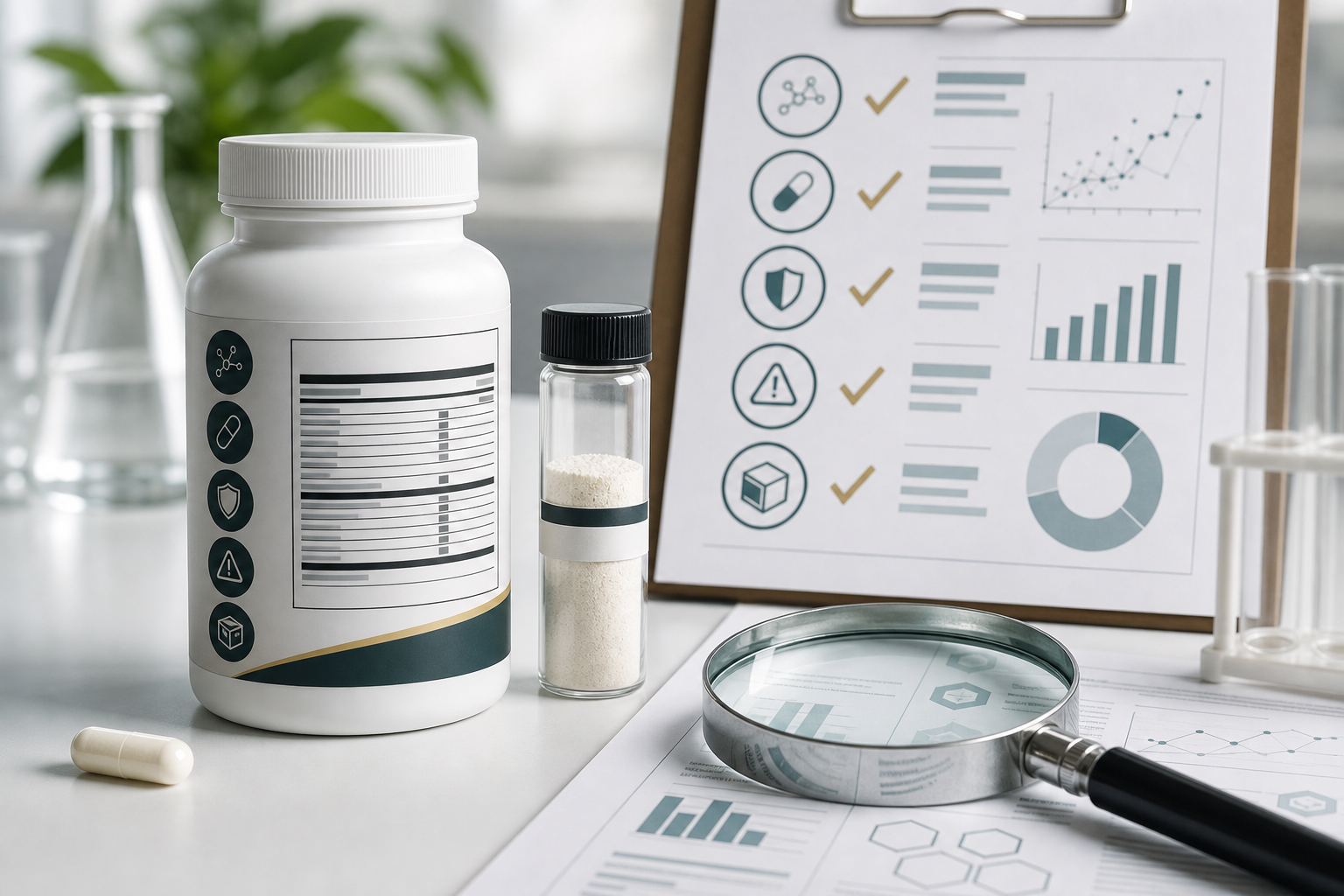
Quality and efficacy are separate questions. A product can have a clear label without proving a health outcome, and a promising study cannot guarantee that every product on the market matches the study material. Look for the exact ingredient form, amount per capsule and serving, complete Supplement Facts panel, lot information, storage instructions, warnings, and accessible batch-specific testing.
A COA may report identity, assay, and selected contaminants when it is traceable to the product batch and issued by a credible laboratory. HPLC can be one analytical method for measuring an ingredient, but “HPLC tested” alone does not prove purity, absorption, or clinical efficacy. There is also no universal “Grade 1” or 99.8% threshold that turns a supplement into a proven longevity intervention. Read AIDEVI’s guide to understanding an NMN certificate of analysis before treating a purity number as a complete quality assessment.
In the United States, the FDA does not approve dietary supplements for safety and effectiveness before they are sold. Manufacturing controls, testing documents, and truthful labeling matter, but none should be described as FDA approval of a product’s clinical benefits [6].
How do AIDEVI products fit into this discussion?
A product mention is most useful when it shows readers how to apply the evaluation framework. The current AIDEVI NMN 18000 product page lists 300 mg of NMN per capsule and 600 mg per two-capsule serving, alongside trans-resveratrol, fruit and vegetable powder, anthocyanins, and PQQ. These are product-page facts, not proof that the formula reverses aging or treats a disease.
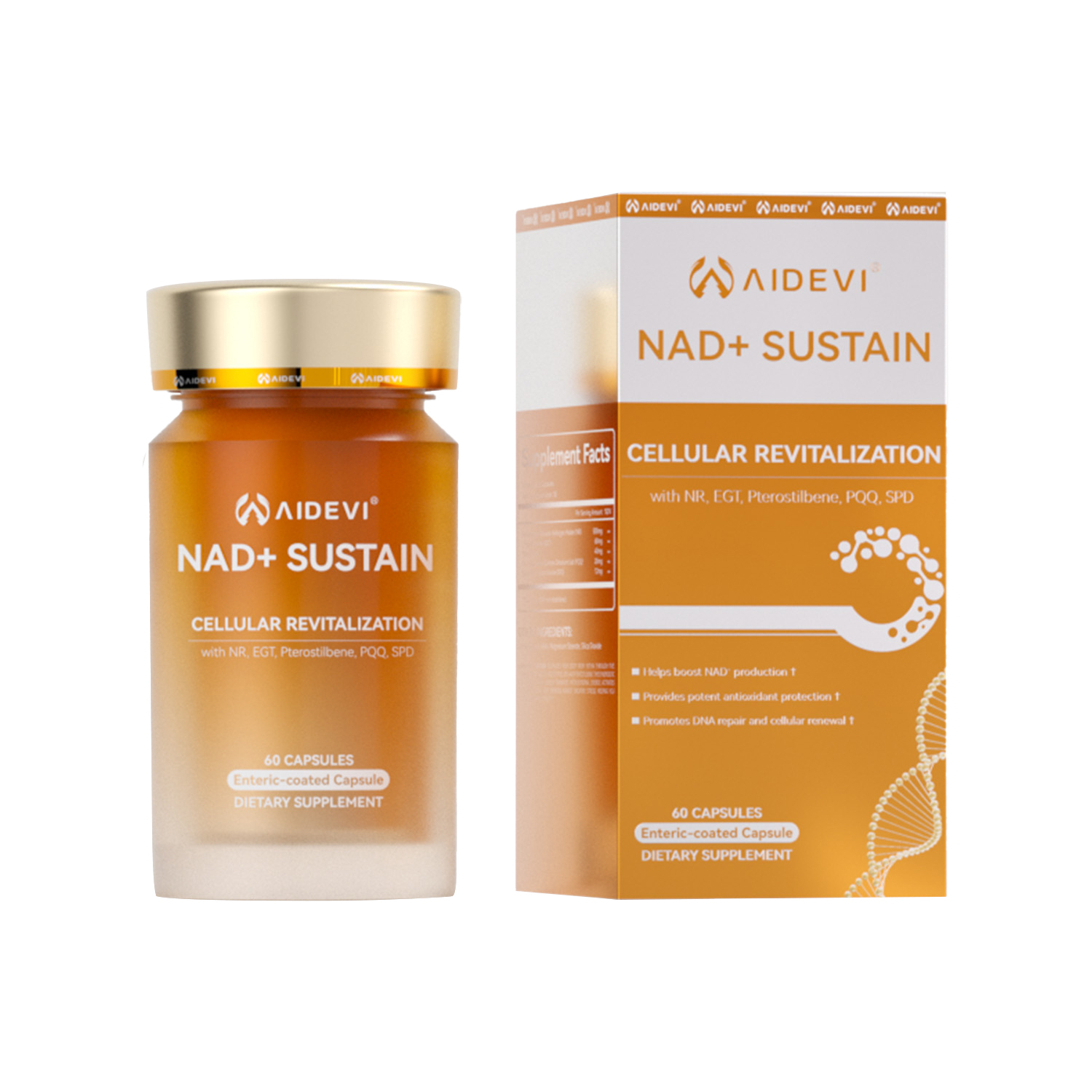
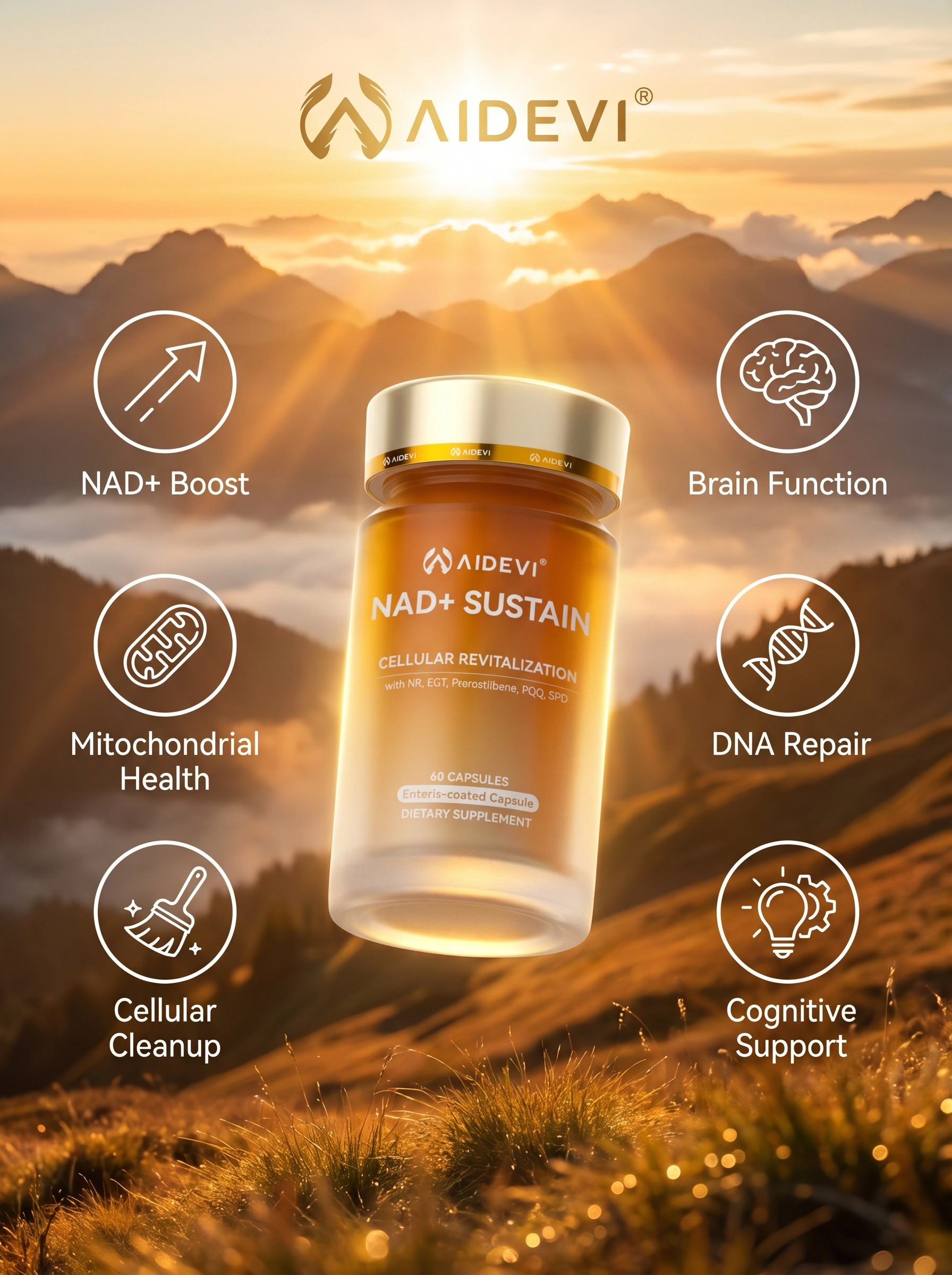
For readers comparing a different NAD+ format, the current AIDEVI NAD+ Sustain page describes an NR-centered formula with L-ergothioneine, PQQ, pterostilbene, and spermidine. Review the current label, serving directions, warnings, and available quality documentation before use. A product page should explain what is in the bottle; the clinical literature determines what can responsibly be claimed about outcomes.
Readers interested in metabolic questions can continue with AIDEVI’s NMN metabolic health evidence guide. The editorial rule is simple: product facts can support a purchasing decision, but they cannot manufacture clinical evidence.
Conclusion
NMN is a reasonable subject for NAD+ research because human studies show that oral NMN can increase selected blood NAD+ measures. Direct oral NAD+ faces meaningful delivery and metabolism questions, but the available evidence does not justify saying that every direct NAD+ product is ineffective or that NMN is the undisputed champion. The stronger conclusion is narrower and more useful: NMN has a clearer human evidence base for a biomarker response than the broad marketing claims around oral NAD+ bioavailability.
Choose based on transparent labeling, study-relevant dosing, traceable quality documentation, realistic expectations, and professional guidance when your health context is complex. That standard builds authority because it tells readers what the evidence can support and where it stops.
Frequently Asked Questions
Is NMN more bioavailable than direct NAD+?
NMN has stronger human evidence for raising selected blood NAD+ biomarkers than oral NAD+ has for delivering intact NAD+ into cells. However, a universal head-to-head trial proving that NMN outperforms every direct NAD+ formulation is not available.
Can NAD+ cross the cell membrane?
Intact NAD+ is a large, charged molecule and membrane delivery is difficult. Oral NAD+ may also be metabolized into smaller compounds. It is more accurate to describe oral delivery as uncertain and formulation-dependent than to claim that every molecule is destroyed or that no oral product can have biological effects.
Does Slc12a8 prove that NMN enters human cells directly?
No. Slc12a8 research provides an important transporter mechanism in experimental models. It does not prove that oral NMN always enters every human cell intact or that this mechanism guarantees a faster or larger health benefit.
Do I need TMG with NMN?
There is no universal requirement to take TMG with NMN. Combining supplements can add unnecessary exposure or interactions. Discuss the decision with a qualified healthcare professional, especially when using higher doses or managing a health condition.
Does NMN reverse aging or prevent disease?
No human evidence currently establishes NMN or oral NAD+ as a way to reverse aging, prevent disease, or extend lifespan. The current research is better described as investigation of NAD+ biomarkers, tolerability, and selected exploratory outcomes.
References
- [1] Slc12a8 is a nicotinamide mononucleotide transporter.
- [2] The differential impact of three different NAD+ boosters on circulatory NAD and microbial metabolism in humans.
- [3] Oral Administration of Nicotinamide Mononucleotide Is Safe and Efficiently Increases Blood NAD+ Levels in Healthy Subjects.
- [4] Safety evaluation of beta-nicotinamide mononucleotide oral administration in healthy adult men and women.
- [5] Safety and Metabolism-Related Outcomes of Oral Nicotinamide Mononucleotide Supplementation in Adults: A Systematic Review and Meta-Analysis.
- [6] FDA 101: Dietary Supplements.
These statements have not been evaluated by the Food and Drug Administration. This product is not intended to diagnose, treat, cure, or prevent any disease. Individual results may vary. Consult a healthcare professional before starting any new supplement, especially if pregnant, nursing, taking medication, or managing a medical condition.
