
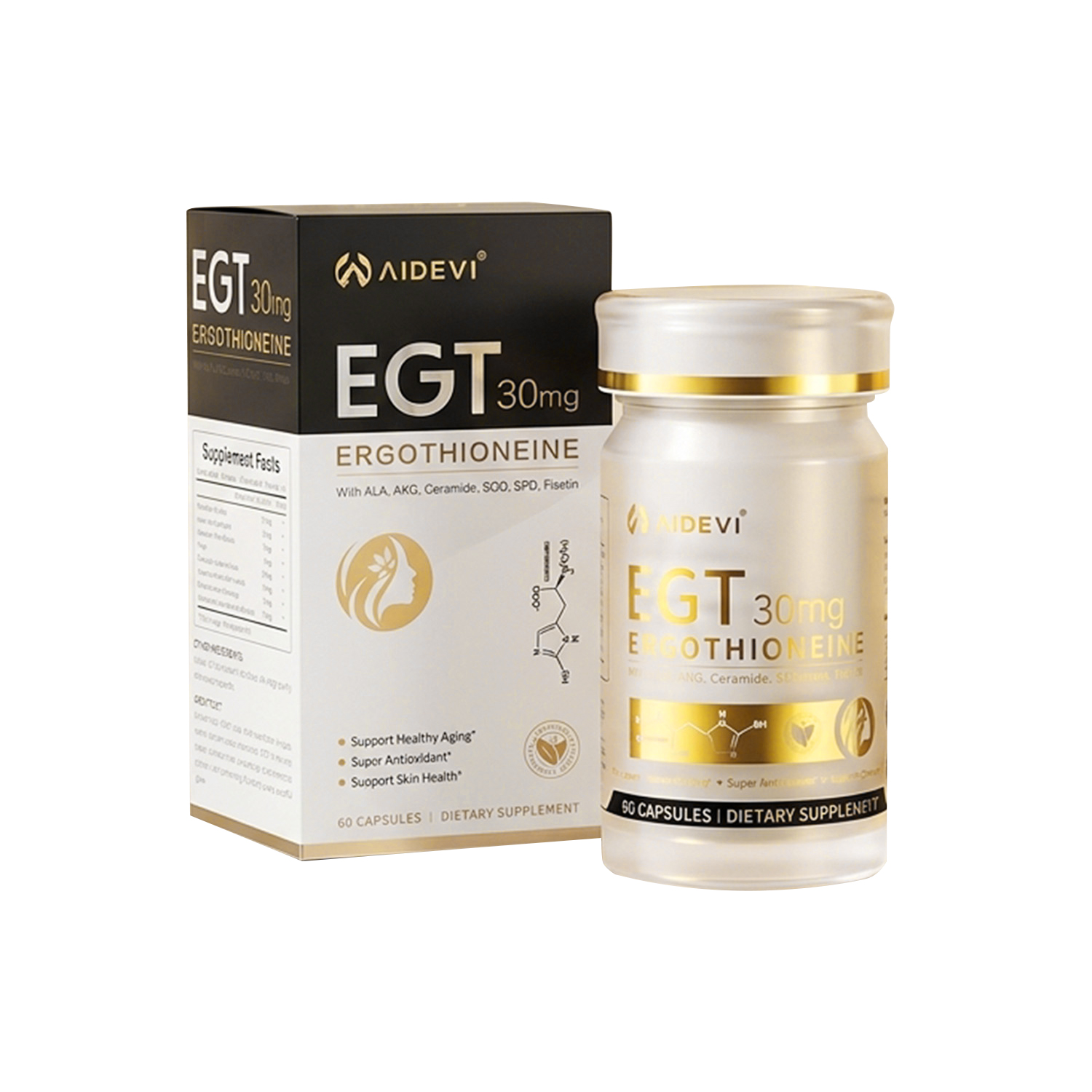
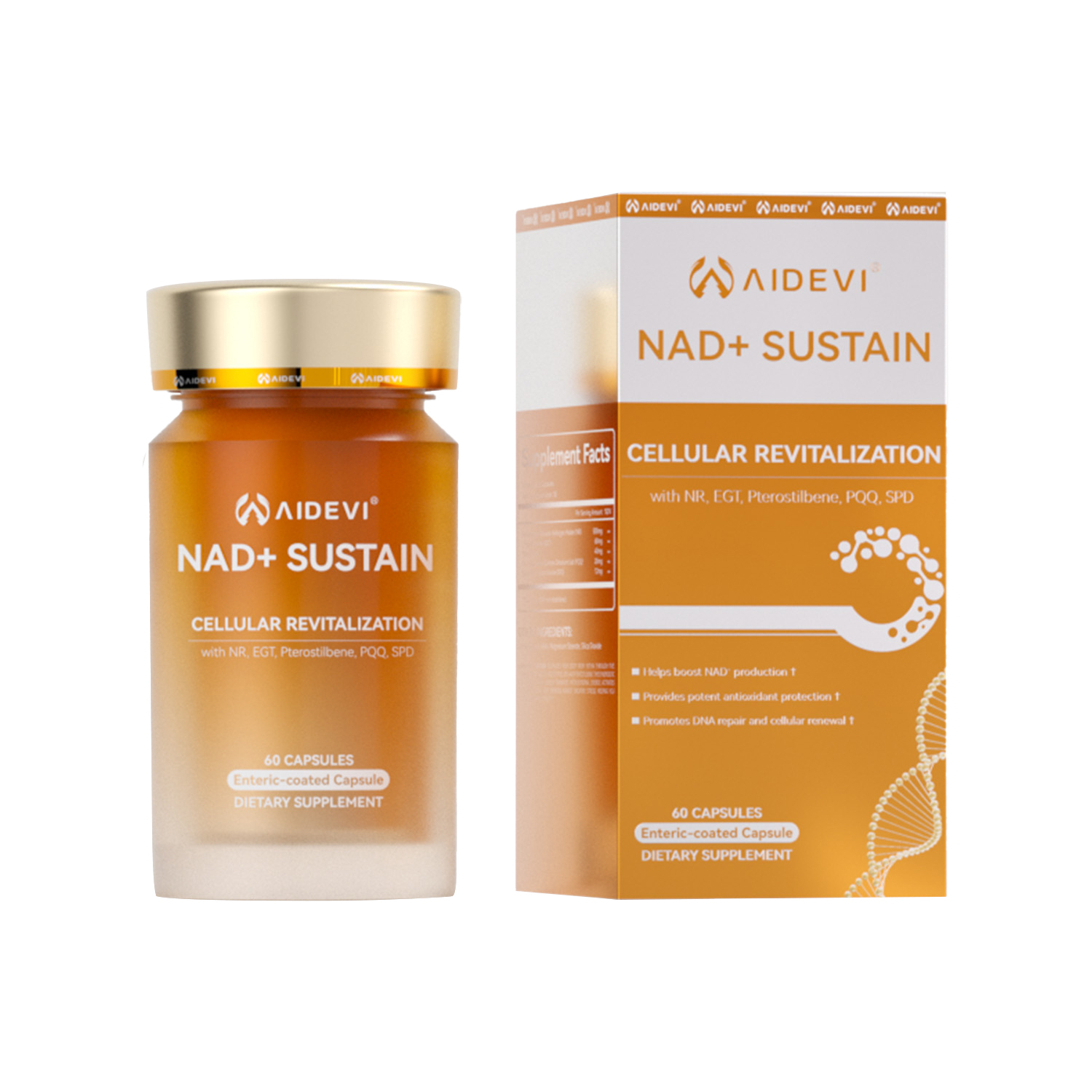


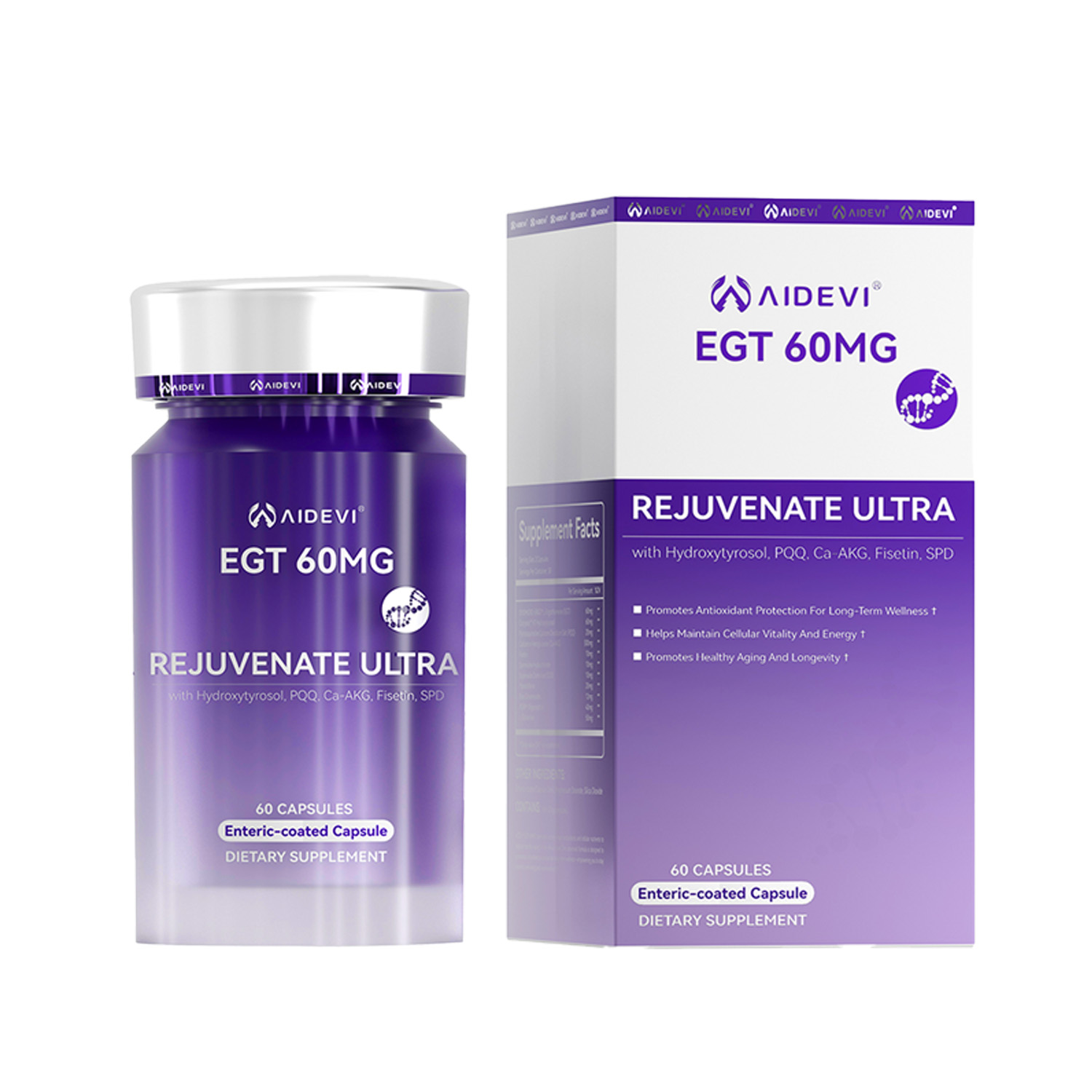
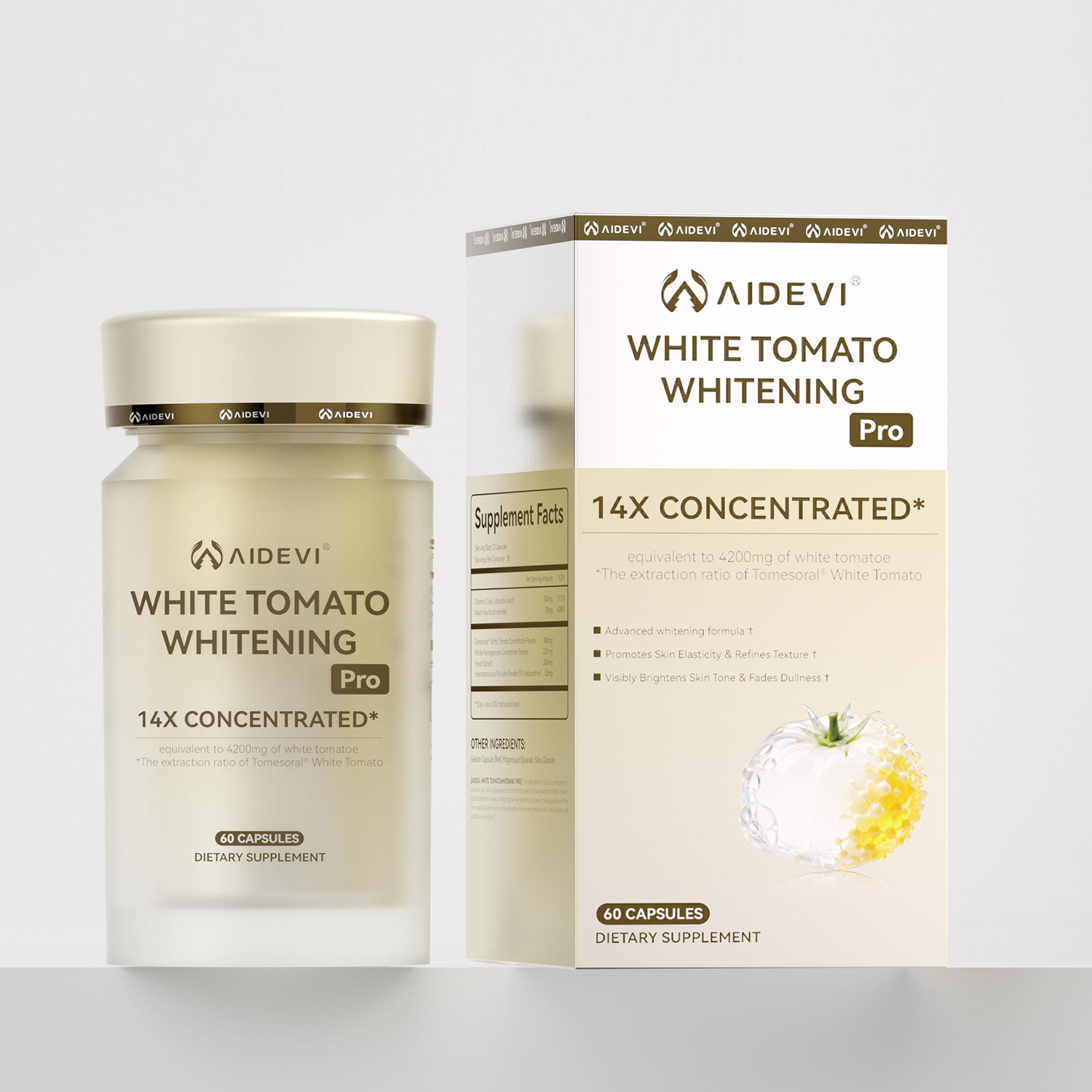

AIDEVI Travel Wellness Guide
nmn for Business Travelers: Combat Fatigue & Boost Immunity
Updated August 20, 2026 · A practical guide to jet lag, travel fatigue, immune-support habits, and NMN evidence
Frequent business travel can disturb sleep, shift meal timing, increase stress, and make concentration harder. NMN is sometimes promoted as a way to restore energy, reset the body clock, or strengthen immunity, but no good human trial has shown that NMN prevents travel infections or reliably cures jet lag. The most defensible strategy is to manage light, sleep, hydration, movement, hygiene, and travel timing first, then treat NMN as an optional supplement whose human evidence is still developing.

A conceptual image of travel readiness and calm focus—not proof that NMN prevents fatigue or illness.
The evidence-based travel strategy
Use NMN, if appropriate, as a “support” layer—not a shield. The high-value actions are destination-timed light and sleep, short naps, careful caffeine and alcohol timing, water, movement, hand hygiene, and destination-specific travel health advice. These address the causes of travel fatigue and exposure risk more directly than a supplement claim.
Content
- Why does business travel cause fatigue and brain fog?
- What could NMN contribute to a travel wellness plan?
- Can NMN reset your circadian rhythm or cure jet lag?
- Can NMN boost immunity while traveling?
- What should a business traveler do before, during, and after a flight?
- How should you think about NMN timing and safety?
- Frequently asked questions
Why does business travel cause fatigue and brain fog?
Travel fatigue is not one thing. A red-eye flight can reduce sleep opportunity; crossing time zones can desynchronize the internal clock from local time; dry cabin air, long sitting, alcohol, and irregular meals can add physical strain; and a packed meeting schedule can force work before the body has adapted. Jet lag disorder may include sleep disturbance, daytime sleepiness, reduced daytime function, malaise, and cognitive impairment [1].
Short trips can be especially awkward. If you fly across several time zones for a meeting and return within a day or two, fully adapting may not be worthwhile. For longer stays, the body needs appropriately timed light, sleep, meals, and activity to shift toward the destination schedule. The goal is not to overpower biology with a stimulant; it is to give the clock clear, repeated signals.
Frequent travelers should also distinguish normal travel tiredness from a health problem. Persistent fatigue after adequate recovery, loud snoring, repeated insomnia, fever, shortness of breath, mood changes, or unexplained weight change deserves medical attention. A supplement should not be used to cover symptoms that need evaluation.
For a more focused explanation of the practical causes and management of travel tiredness, see AIDEVI’s jet lag and travel-energy guide.
What could NMN contribute to a travel wellness plan?
Nicotinamide mononucleotide, or NMN, is a precursor involved in the body’s production of NAD+. NAD+ participates in redox reactions, cellular energy metabolism, and signaling pathways. Because mitochondria use these systems to help convert nutrients into usable energy, researchers are studying whether NAD+ precursors can influence physical function, metabolic health, or aspects of healthy aging.
That mechanism can explain why travelers are interested in NMN, but it does not establish a travel-specific benefit. A supplement can change a blood or cellular marker without making a person adapt faster to a time zone, sleep better on an airplane, or avoid a respiratory infection. A review of human NMN trials concluded that more clinical research is needed to determine its safety and efficacy in people; much of the strongest anti-aging language still comes from cell and animal research [3].
For readers who want the biochemical background, AIDEVI’s guide to cellular energy production and NMN supplementation explains the pathway in more detail. Keep the practical conclusion modest: NMN may be a research-informed support for cellular energy, but it is not a jet-lag medication, immune treatment, or substitute for sleep.

A visual explanation of time-zone travel and circadian timing. It does not show a proven NMN mechanism for resetting the body clock.
Can NMN reset your circadian rhythm or cure jet lag?
There is no established human evidence that NMN resets the circadian rhythm or cures jet lag. NAD+ interacts with cellular clocks in laboratory research, which makes the topic scientifically interesting, but a mechanism involving sirtuins or clock genes is not the same as a demonstrated travel outcome. No validated NMN protocol tells business travelers which dose to take for an eastbound flight, westbound flight, or short trip.
The CDC’s current Yellow Book guidance emphasizes destination-timed sleep, meals, and light. It also recommends planning ahead, staying hydrated, limiting excess alcohol, avoiding long daytime naps, and using short naps when needed for alertness [1]. The right light timing depends on direction and number of time zones, so a generic “get sunlight immediately” rule is not always appropriate.
Caffeine may temporarily improve alertness, but late use can delay sleep and prolong the problem. Melatonin or sleep medication may be appropriate for some travelers, but timing, dose, interactions, and individual conditions matter; ask a clinician or pharmacist rather than combining products casually. NMN should not be used to justify more caffeine, less sleep, or unsafe driving after arrival.
Can NMN boost immunity while traveling?
NAD+ is involved in immune-cell metabolism and inflammatory signaling, so NMN and immune biology are legitimate research areas. However, a healthy immune response is complex, and there is currently no established human evidence that routine NMN supplementation prevents colds, flu, COVID-19, gastrointestinal infections, or other travel-related illnesses. “Supports immune function” should not be rewritten as “boosts immunity” or “protects you from pathogens.”
Travelers can take more direct steps. Check destination-specific vaccine and health recommendations in advance, wash hands with soap and water or use an alcohol-based sanitizer when needed, avoid close contact with people who are visibly ill, follow food and water precautions, and use masks or other precautions when current conditions make them sensible. CDC guidance notes that respiratory illness during travel cannot always be prevented, but common-sense hygiene and exposure reduction can lower risk [2].
Sleep and stress also matter to how resilient you feel. If you become ill during or after travel, focus on appropriate medical care and recovery. Do not increase NMN to treat a fever, infection, persistent cough, dehydration, or other concerning symptom.
If you are comparing ingredients for general energy and immune-support discussions, AIDEVI’s overview of Cordyceps, energy, and immune-health research is a useful adjacent resource. Different ingredients have different evidence; they should not be treated as interchangeable travel medicine.
What should a business traveler do before, during, and after a flight?
A simple travel routine is more reliable when it is planned around the destination and the length of the trip:
| Travel stage | Priority actions | Avoid |
|---|---|---|
| Before departure | Shift sleep gradually when practical, review destination health advice, pack medicines in original containers, and plan the first night | Starting several new supplements or sleep aids at once |
| During the flight | Drink water, move periodically, use an eye mask or earplugs, and time sleep, food, and light toward destination time | Excess alcohol, heavy meals before sleep, and long periods without movement |
| First day there | Use appropriately timed daylight, take a short nap if necessary, eat on local time, and keep meetings realistic | A long late-afternoon nap or driving when dangerously sleepy |
| Recovery | Return to a regular sleep window, resume movement, eat simply, and monitor symptoms | Using NMN or stimulants to push through illness or severe sleep loss |
Frequent travelers may also benefit from a compact “travel health kit”: water bottle, eye mask, earplugs, hand sanitizer, regular medication, basic personal care items, and a written list of prescriptions. This is not glamorous, but it reduces friction when a trip becomes longer or more tiring than expected.

Practical recovery tools can support sleep, hydration, and comfort during a demanding itinerary.
How should you think about NMN timing and safety?
Clinical trials have used different NMN doses and schedules, so there is no universally established travel dose or pre-flight protocol. A small randomized study in healthy adults aged 20–65 found that 1,250 mg daily for up to four weeks was generally well tolerated, with no severe adverse events during that short study period [4]. This is short-term safety information, not proof of long-term safety, effectiveness, or a reason to choose a high dose.
If you already use NMN and tolerate it, keeping the routine consistent may be simpler than changing timing around every flight. If you are starting it, do so well before an important trip rather than for the first time on an airplane. Follow the product label, avoid stacking multiple NAD+ precursors or stimulants without professional guidance, and record any unwanted symptoms. The AIDEVI guide to NMN and sleep quality can provide further context, but it does not establish a jet-lag treatment schedule.
Consult a healthcare professional before using NMN if you are pregnant or breastfeeding, under 18, taking prescription medication, preparing for surgery, or managing a medical condition. Ask for advice before using melatonin, sedatives, or large amounts of caffeine during international travel. Persistent fatigue, repeated illness, chest symptoms, severe headache, dehydration, confusion, or fever after travel warrants medical evaluation.
For readers interested in the underlying molecule, AIDEVI’s NAD+ cellular-energy guide explains why the pathway attracts research without turning it into a promise of travel performance.
Conclusion
Business travel tests the systems that support energy and focus: sleep timing, circadian alignment, hydration, movement, nutrition, stress, and exposure management. NMN may influence NAD+ biology, but current human evidence does not show that it cures jet lag, prevents travel infections, or guarantees sharper business performance.
Use NMN, if appropriate, as one optional layer in a broader travel plan. Plan the time-zone transition, protect sleep, use light and caffeine carefully, practice hygiene, keep regular medication organized, and seek care when symptoms are significant. That combination gives you a more realistic path to staying capable and well on the road.
Frequently Asked Questions
Can NMN prevent jet lag?
No. There is no established human evidence that NMN prevents or cures jet lag. Destination-timed light, sleep, meals, short naps, and careful caffeine and alcohol timing are the more direct tools.
Does NMN protect business travelers from colds or flu?
No proven NMN protocol prevents travel-related respiratory infections. Use recommended vaccines and destination advice, hand hygiene, exposure reduction, and appropriate medical care instead.
Should I take NMN before a long flight?
There is no validated pre-flight dose or timing rule. If you use NMN, follow the label and avoid starting it for the first time immediately before an important trip. Never use it as a reason to skip sleep or increase stimulants.
Can NMN replace sleep during business travel?
No. NMN is not a substitute for sleep and has not been shown to restore the cognitive and physical functions lost through sleep deprivation. Schedule recovery whenever possible and avoid driving or high-risk work when dangerously sleepy.
What is the best supplement for travel fatigue?
There is no single best supplement for every traveler. First identify whether the problem is sleep loss, time-zone shift, dehydration, illness, medication timing, or another issue. Discuss supplements with a professional if you have medical conditions or take medication.
When should I seek care after travel?
Seek medical advice for persistent or severe fatigue, fever, breathing difficulty, chest pain, confusion, dehydration, severe diarrhea, or symptoms that worsen after returning. Tell the clinician where you traveled and when symptoms began.
References
- Centers for Disease Control and Prevention. Jet Lag Disorder, Yellow Book 2026. CDC.
- Centers for Disease Control and Prevention. Post-Travel Respiratory Infections, Yellow Book. CDC.
- Nicotinamide mononucleotide in human clinical trials: safety and anti-aging evidence update. PMC review.
- Fukamizu Y, et al. Safety evaluation of beta-nicotinamide mononucleotide oral administration in healthy adult men and women. PubMed.
- Improved physical performance parameters in patients taking NMN: a systematic review of randomized controlled trials. PubMed.
FDA Disclaimer: These statements have not been evaluated by the Food and Drug Administration. This content is for educational purposes only and is not intended to diagnose, treat, cure, or prevent any disease. Consult your healthcare professional before starting any dietary supplement.
