



AIDEVI Wellness Language Guide
How Should AIDEVI Describe nmn Brain Support Without Claiming IQ Increase?
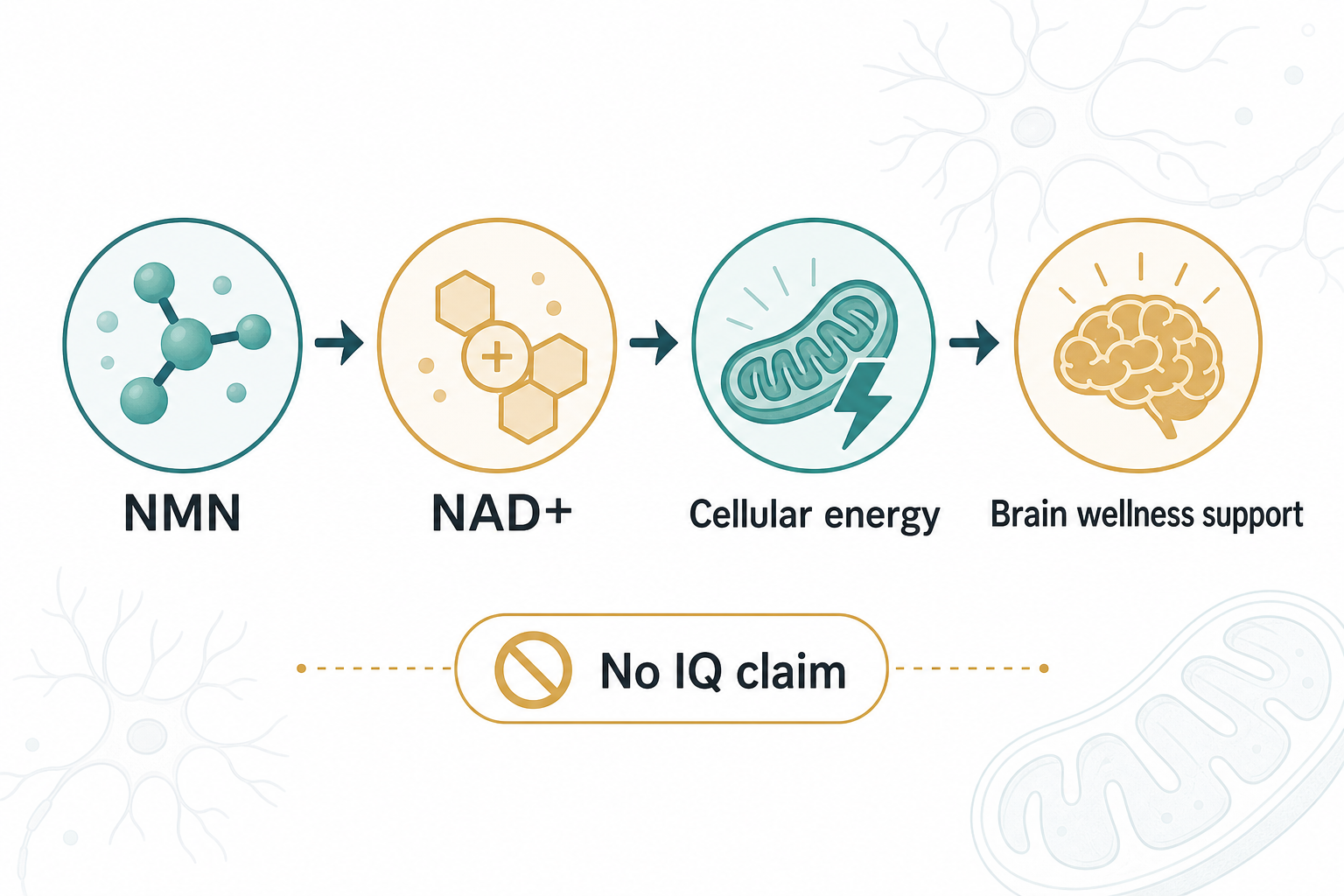
AIDEVI NMN can be described as supporting NAD+ metabolism, cellular energy, and healthy aging routines that matter for overall brain wellness. It should not be described as increasing IQ, treating memory loss, curing cognitive decline, or guaranteeing sharper focus. The strongest message is responsible support, not intelligence enhancement.
- Use structure/function language: supports cellular energy, NAD+ metabolism, healthy aging, and focus routines.
- Avoid nootropic-style promises such as raises IQ, boosts intelligence, reverses brain aging, or treats cognitive disorders.
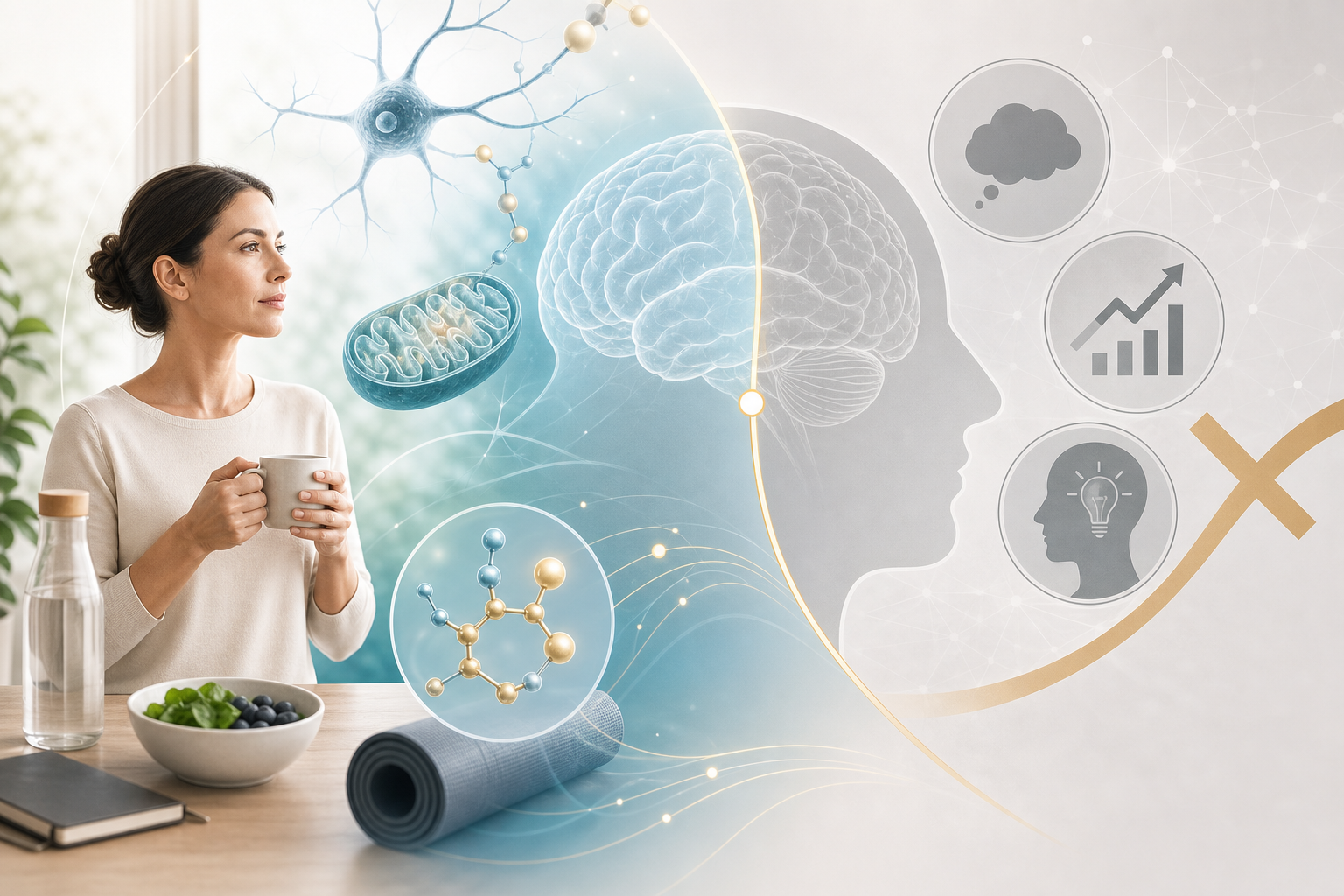
- Brain wellness is best framed as part of sleep, nutrition, movement, stress management, and supplement quality, not as a single-product outcome.
Content
Can NMN be described as brain support?
Yes, but only with careful wording. AIDEVI NMN can be positioned around NAD+ support, cellular energy, healthy aging, and everyday wellness routines that may help people feel more consistent in how they manage energy, focus habits, and mental workload. That is different from claiming that NMN directly improves intelligence, memory scores, learning speed, or clinical brain function.
The reason this distinction matters is that the brain is an energy-demanding organ. Neurons, glial cells, synapses, and supporting tissues rely on steady metabolic processes. NAD+ is involved in cellular energy metabolism and stress-response biology, which is why NMN is often discussed in brain wellness and longevity conversations. For readers who need the basic pathway first, AIDEVI's guide to what NAD+ does for cellular energy is the right foundation.
A safe AIDEVI message would be: "AIDEVI NMN supports NAD+ metabolism and cellular energy as part of a healthy aging routine, including brain wellness support." A risky message would be: "AIDEVI NMN increases IQ, improves memory, and boosts problem-solving." The first sentence describes normal supplement support. The second sentence promises a measurable cognitive outcome that has not been established for NMN supplements.
Does NMN increase IQ?
No reliable human evidence shows that NMN increases IQ. IQ is a standardized cognitive measure influenced by development, education, genetics, health status, test conditions, and many environmental factors. A dietary supplement should not be presented as an intelligence enhancer unless strong human clinical evidence supports that exact outcome. For NMN, the current responsible answer is that IQ increase should not be claimed.
This also applies to related claims. "Improves focus," "enhances memory," "accelerates learning," and "prevents age-related cognitive decline" sound attractive, but they are stronger than the evidence usually allows. AIDEVI can talk about supporting a focus-friendly routine: good sleep, morning consistency, cellular energy support, hydration, movement, and nutrition. It should not promise that the user will become smarter, remember more, or perform better on exams or work tasks.
A balanced article on NMN supplements and cognitive well-being can discuss emerging research, but emerging does not mean proven. The difference between "supports brain wellness" and "raises IQ" is not a small wording preference; it is the difference between compliant education and an unsupported outcome claim.
What is the science-based mechanism behind brain wellness support?
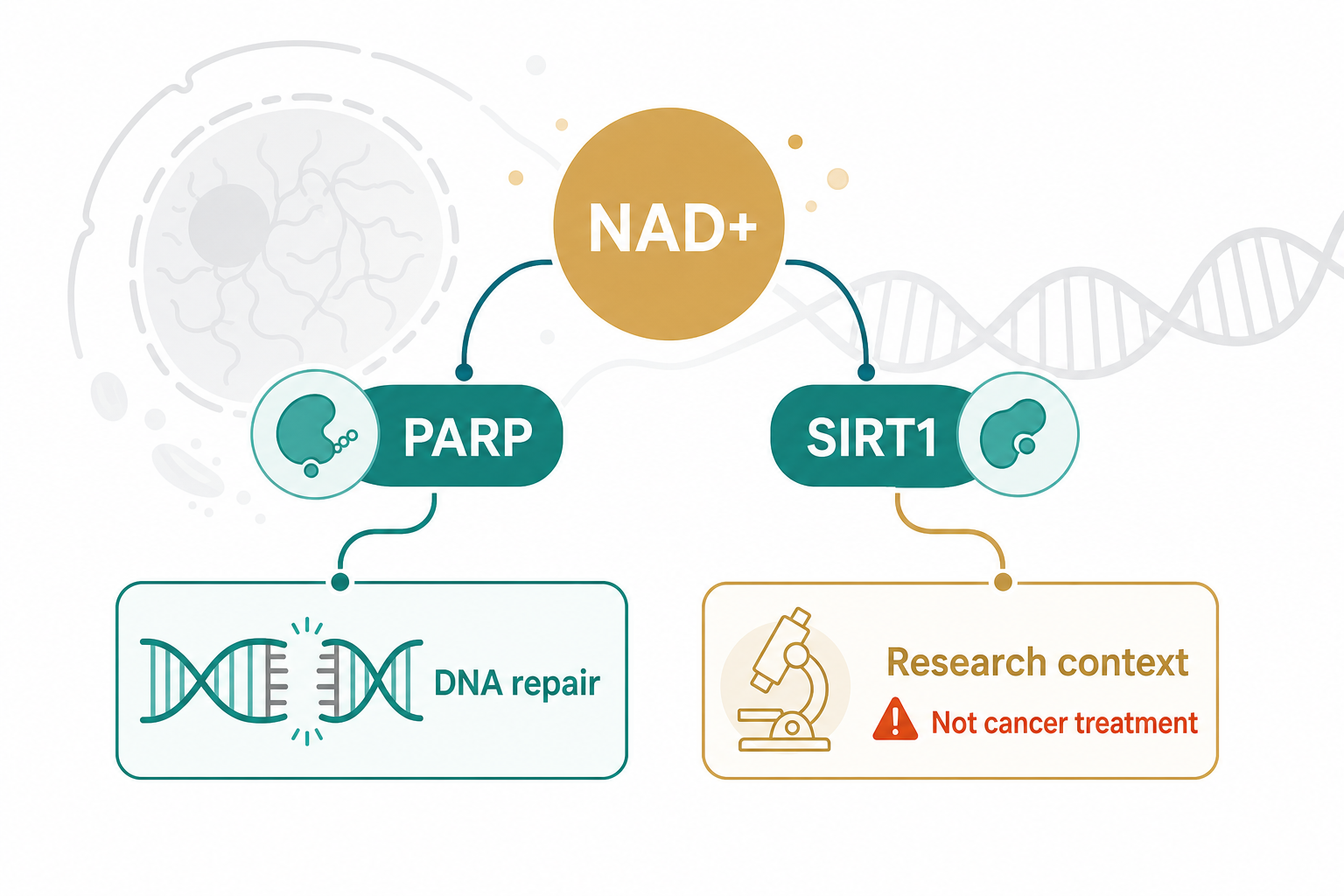
The best mechanism explanation begins with NAD+. NAD+ is a coenzyme involved in energy metabolism, mitochondrial function, DNA repair signaling, and other cell processes. A review in Science describes NAD+ as relevant to aging, metabolism, and neurodegeneration research, while also making clear that these pathways are broad and complex [1]. That makes NAD+ biology relevant to brain wellness, but it does not prove a consumer claim about IQ.
NMN is one of several NAD+ precursors. Scientific reviews describe NMN and NR as NAD+ intermediates with biological and therapeutic research interest, especially in metabolism and aging models [2]. Human trials have examined NMN for safety, NAD-related biomarkers, physical performance, sleep quality, and other wellness-related endpoints, but direct evidence for improved intelligence or broad cognitive enhancement remains limited [3].
This is why AIDEVI should connect NMN to cellular energy, not cognitive superiority. A shopper can learn more about the energy pathway in AIDEVI's article on cellular energy production and NMN supplementation. The useful concept is that better-supported cellular energy systems may be part of a healthy routine. The unproven leap is saying that this directly increases IQ or guarantees sharper thinking.
What wording should AIDEVI use or avoid?
The strongest wording is specific, modest, and connected to normal body function. AIDEVI can say NMN supports NAD+ metabolism, helps maintain cellular energy, supports healthy aging, and fits a routine designed to support mental energy and focus habits. AIDEVI should avoid saying NMN treats brain fog, cures memory loss, improves IQ, prevents dementia, reverses cognitive aging, or guarantees concentration.
A practical way to write is the "Support, Not Score" framework. Support means the product is part of a routine that helps maintain normal wellness systems. Score means a measurable outcome such as IQ points, memory-test improvement, reaction time, or academic performance. Unless the product has direct human evidence for that exact score, do not claim it.
| Copy goal | Best fit | Consider instead | Avoid or pause if |
|---|---|---|---|
| Brain wellness | Supports NAD+ metabolism for cellular energy and healthy aging routines | Supports mental energy habits when combined with sleep, nutrition, and movement | Claims to treat brain fog, dementia, ADHD, depression, or neurological disease |
| Focus support | Supports a focus-friendly daily routine | Helps users build consistency around morning wellness habits | Guarantees focus, productivity, exam performance, or faster thinking |
| Evidence language | NAD+ biology is relevant to metabolism and healthy aging research | Human evidence is still developing, and individual results may vary | Says NMN is clinically proven to raise IQ or reverse brain aging |
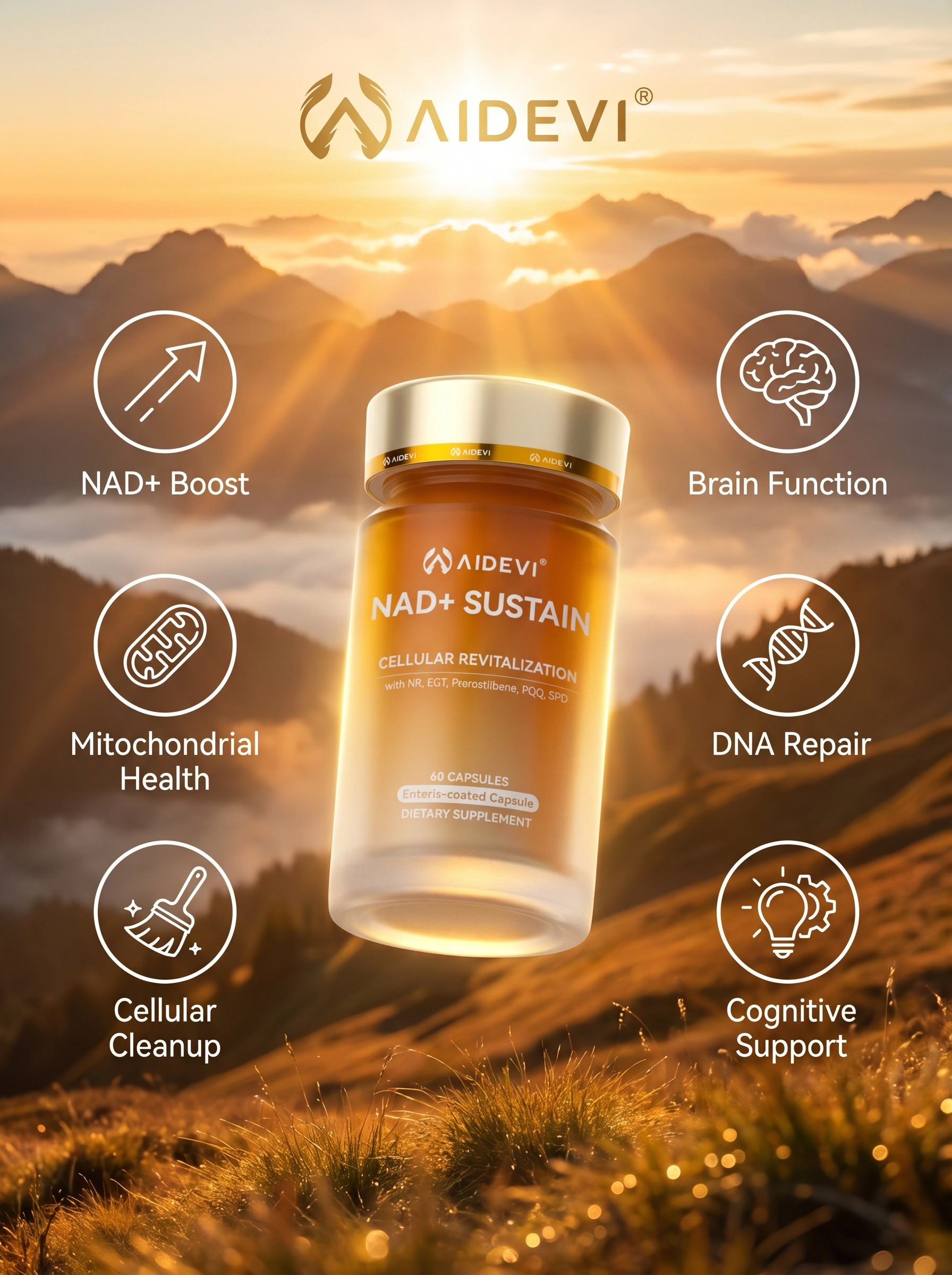
This framework also helps with AIDEVI product references. The AIDEVI NMN18000 page positions NMN around cellular energy, metabolism, vitality, and focus-related wellness language. A safer article can link to AIDEVI NMN18000 as a product context, while keeping the cognitive wording aligned with normal supplement support.
For editors, the easiest method is to rewrite every strong cognitive verb into a support verb. "Enhances cognitive performance" becomes "supports a brain-healthy routine." "Improves memory and learning" becomes "supports healthy aging and cellular energy pathways related to everyday mental wellness." "Boosts focus and concentration" becomes "fits a focus-friendly morning routine." "Combats age-related cognitive decline" becomes "supports healthy aging habits." This keeps the article helpful without turning NMN into a medical or nootropic claim.
It is also useful to remove isolated ingredient hero claims. If a paragraph says NMN alone maintains neuronal integrity, promotes neuroplasticity, or shields brain cells from damage, the safer version should bring the statement back to the evidence level: NAD+ biology is involved in energy metabolism and cellular stress-response research, while human outcomes for memory, learning, and IQ need more direct study. AIDEVI can still sound confident by being precise. Precision is more persuasive than exaggeration for wellness shoppers who read labels carefully.
How should shoppers use brain-support claims?
Shoppers should treat brain-support claims as routine-support claims, not performance guarantees. If someone feels mentally tired, distracted, or foggy, the first questions should be practical: sleep quality, hydration, iron or B12 status, stress load, medication effects, alcohol, blood sugar patterns, and screen habits. A supplement may support wellness, but it should not replace a healthcare evaluation when symptoms are persistent or concerning.
AIDEVI can guide users toward evidence-aware expectations. The article Does NMN work? is a useful companion because it separates mechanism, early human research, and realistic outcomes. For dosage questions, the NMN dosage by age guide can help users think about conservative routine design rather than copying aggressive influencer protocols.
Quality also matters. A brain-support claim becomes less meaningful if the user cannot verify ingredient identity, serving size, storage, or brand standards. A shopper comparing options should read AIDEVI's guide to choosing the best NMN supplement before focusing on benefit language. Strong label clarity and realistic claims are part of the same trust system.
There is also a healthy-aging angle. Some readers ask about brain support because they are worried about age-related changes. AIDEVI can answer with education on NAD+, sleep, movement, metabolic health, and long-term wellness. It can also link to broader context such as NMN research discussions around aging and brain function. But worry should not be converted into fear-based marketing.
What does the human evidence actually support?
Human NMN research has grown, but much of it still focuses on NAD-related biomarkers, safety, physical function, sleep quality, fatigue, or metabolic outcomes rather than direct cognitive endpoints. For example, a 12-week study in older adults investigated sleep quality, fatigue, and physical performance, not IQ improvement [4]. That kind of study can support interest in healthy aging research, but it should not be stretched into a claim that NMN improves intelligence.
The brain also depends on many nutrients and lifestyle inputs beyond NAD+. Nutrition, omega-3 fatty acids, B vitamins, polyphenols, glucose regulation, exercise, sleep, learning, and social engagement all influence brain health conversations. A broad review in nutritional neuroscience highlights that dietary factors can affect brain function through several pathways, including energy metabolism and synaptic plasticity [5]. NMN belongs in this larger context, not above it.
Conclusion
The best way to describe brain support from AIDEVI NMN is to stay close to NAD+ metabolism, cellular energy, healthy aging, and daily focus routines. This is clear, science-aligned, and useful for shoppers. It also protects the brand from unsupported cognitive claims.
AIDEVI NMN should not be described as raising IQ, improving intelligence, treating memory loss, or reversing cognitive decline. The responsible message is: AIDEVI NMN supports cellular energy and NAD+ wellness as part of a broader brain-healthy lifestyle. That is a stronger long-term content strategy than overpromising quick mental performance results, especially for readers comparing science, safety, brand trust, realistic expectations, and everyday usability before choosing a supplement.
Frequently Asked Questions
Can AIDEVI NMN say it supports the brain?
Yes, if the wording is limited to brain wellness, cellular energy, NAD+ metabolism, and healthy aging routines. It should not claim to treat cognitive problems or increase intelligence.
Can NMN increase IQ?
There is no strong human evidence that NMN increases IQ. IQ claims should be avoided in AIDEVI product or article copy.
Can NMN improve memory?
AIDEVI should not claim that NMN improves memory unless there is direct, high-quality human evidence for that exact outcome. A safer phrase is "supports brain wellness as part of a healthy aging routine."
Is NMN a nootropic?
NMN is better described as an NAD+ precursor or cellular energy support ingredient, not as a nootropic. Nootropic language often implies measurable mental performance enhancement, which is not the right claim framework for NMN.
What is the safest brain-support wording?
Use wording such as "supports NAD+ metabolism," "supports cellular energy," "supports healthy aging," and "fits a focus-friendly wellness routine." Avoid "raises IQ," "treats memory loss," and "guarantees focus."
Who should ask a healthcare professional first?
Anyone pregnant, nursing, taking medication, managing a medical condition, under 18, or experiencing persistent cognitive symptoms should consult a healthcare professional before starting NMN or any supplement.
References
- [1] Verdin E. NAD+ in aging, metabolism, and neurodegeneration. Science. 2015. PubMed.
- [2] Yoshino J, Baur JA, Imai SI. NAD+ intermediates: the biology and therapeutic potential of NMN and NR. Cell Metabolism. 2018. PubMed.
- [3] Lin Y, Maier AB, Tao R, et al. The efficacy and safety of beta-nicotinamide mononucleotide supplementation in healthy middle-aged adults. GeroScience. 2023. PubMed.
- [4] Kim M, Seol J, Sato T, et al. Effect of 12-week intake of nicotinamide mononucleotide on sleep quality, fatigue, and physical performance in older adults. Nutrients. 2022. PMC.
- [5] Gomez-Pinilla F. Brain foods: the effects of nutrients on brain function. Nature Reviews Neuroscience. 2008. PubMed.
These statements have not been evaluated by the Food and Drug Administration. This content is for educational purposes only and is not intended to diagnose, treat, cure, or prevent any disease. Dietary supplement decisions should be made with appropriate healthcare guidance, especially if pregnant, nursing, taking medication, managing a medical condition, or experiencing persistent cognitive symptoms.
