



NAD+ to NADH Conversion: How the Redox Cycle Supports Cellular Energy
NAD+ and NADH are two forms of the same coenzyme that help cells process energy from food. NAD+ accepts electrons during nutrient metabolism and becomes NADH; NADH then transfers those electrons into mitochondrial electron transport, helping support ATP production. This cycle is essential to energy metabolism, but it is not a simple scorecard for energy, aging, or disease. This guide explains the chemistry, the evidence, and what people can responsibly do with the information.
At a glance: NAD+ is the oxidized electron acceptor, while NADH is its reduced, electron-carrying form. The conversion is reversible and supports glycolysis, the citric acid cycle, and mitochondrial respiration. A balanced redox system matters, but a measured NAD+ change does not by itself diagnose fatigue or prove an anti-aging outcome.
Content
- What are NAD+ and NADH?
- How does NAD+ become NADH?
- How does NADH become NAD+ again?
- Why does the NAD+/NADH balance matter?
- What does the cycle mean for energy and aging?
- How can lifestyle support redox metabolism?
- Can NMN or NR raise NAD+?
- How should you evaluate a product?
- Frequently Asked Questions
What are NAD+ and NADH?
Nicotinamide adenine dinucleotide, usually shortened to NAD, is a coenzyme found in cells. The plus sign in NAD+ identifies the oxidized form. In plain language, NAD+ is ready to accept a pair of electrons and a hydrogen equivalent during a chemical reaction. Once it accepts that reducing power, it becomes NADH, the reduced form. The two forms are not separate “energy molecules”; they are partners in a continuously recycled redox system.
NAD+ also participates in reactions beyond ATP production, including the activity of enzymes involved in cellular signaling and DNA damage responses. That broader role is why discussions of NAD+ often include metabolism, stress responses, and aging. However, the existence of a biochemical role does not automatically establish a measurable benefit from taking a supplement.
For a related overview, see AIDEVI’s explanation of NAD+ and NMN. nmn is a precursor used in NAD+ biosynthesis; it is not the same molecule as NAD+ or NADH.
| Feature | NAD+ | NADH | Practical meaning |
|---|---|---|---|
| Redox state | Oxidized | Reduced | They can convert into one another. |
| Main role in fuel metabolism | Accepts electrons | Carries electrons | The pair links nutrient breakdown with respiration. |
| What it does not prove | Not a direct fatigue test | Not a fixed ATP number | Biochemistry should not be turned into a certain health claim. |
How does NAD+ become NADH?
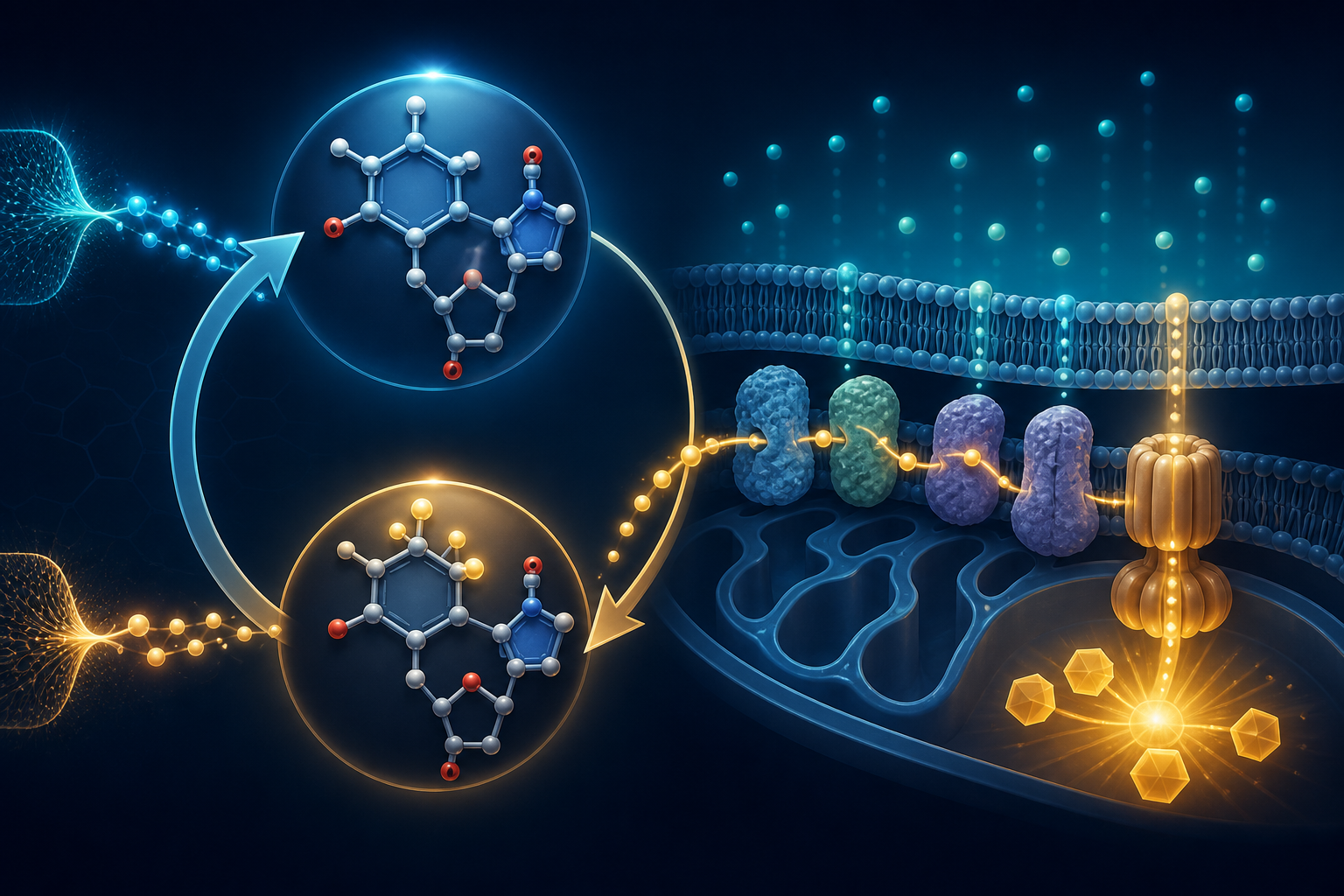
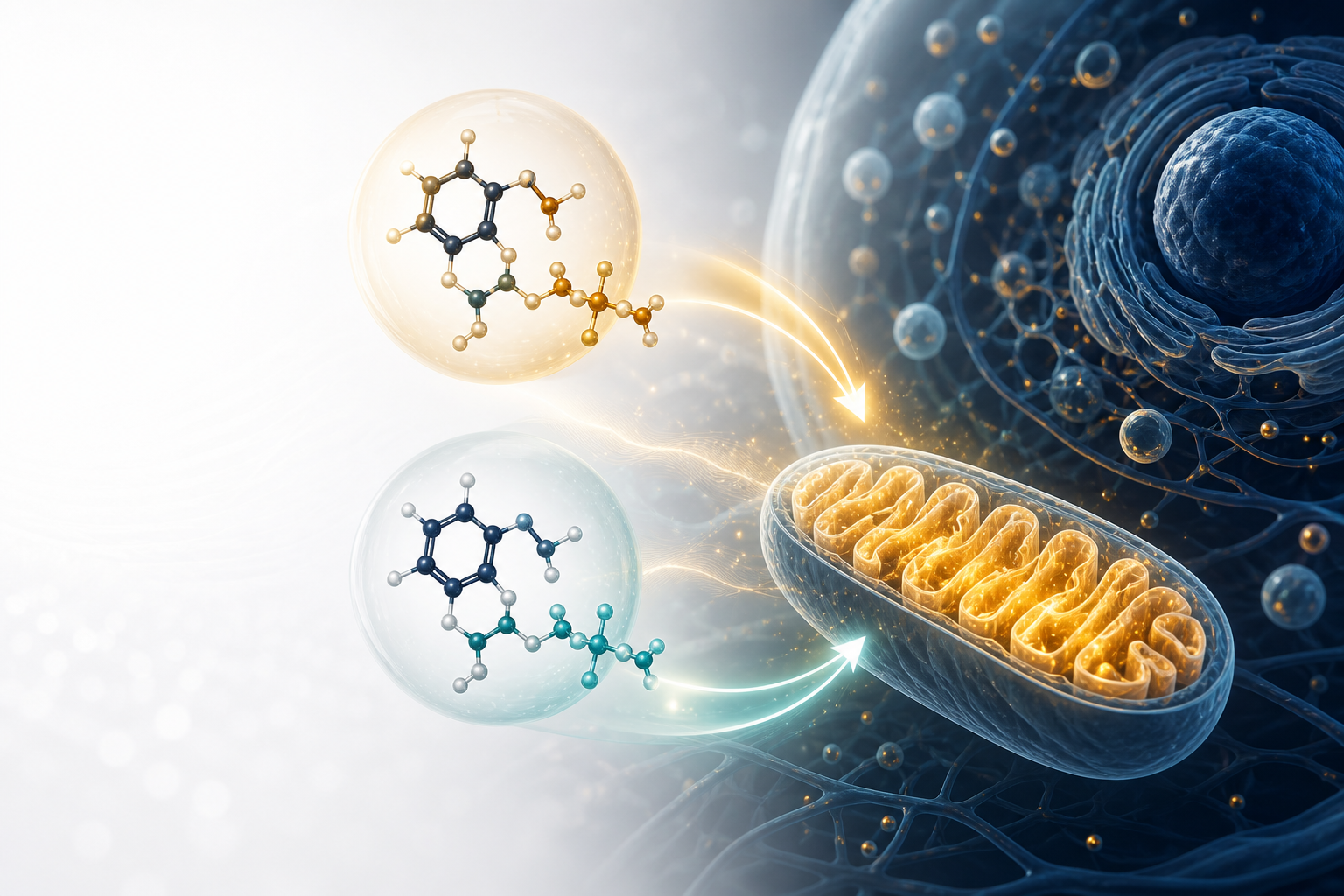
The conversion happens when a metabolic enzyme removes reducing equivalents from a nutrient-derived molecule and transfers them to NAD+. During glycolysis in the cytosol, NAD+ accepts electrons as glucose is broken down. Inside mitochondria, reactions connected with pyruvate processing, the citric acid cycle, and fatty-acid oxidation generate additional NADH. A simplified way to write the reversible reaction is NAD+ + reducing power ↔ NADH.
The important idea is flow, not storage. NAD+ must be available in its oxidized form for several metabolic reactions to continue. NADH, meanwhile, carries the captured electrons to pathways that can use them. A review of NAD+ biology describes this coenzyme as a central participant in cellular redox reactions and energy metabolism [1].
The ratio between the two forms is influenced by the tissue, cellular compartment, nutrient supply, oxygen availability, workload, and the activity of enzymes that make or consume NADH. That is why a single blood measurement cannot describe every NAD+ and NADH pool in the body.
How does NADH become NAD+ again?
NADH can donate its electrons to the mitochondrial electron transport chain, primarily through Complex I. As electrons move through the chain, energy is used to build a proton gradient across the inner mitochondrial membrane. ATP synthase then uses that gradient to help convert ADP and phosphate into ATP. When NADH gives up its reducing power, NAD+ is regenerated and can return to another metabolic reaction [2].
This description is more accurate than assigning every NADH molecule a fixed ATP yield. The final amount depends on how electrons enter the chain, which shuttle transfers cytosolic reducing equivalents, the tissue, mitochondrial coupling, and experimental assumptions. The original article’s “up to three ATP molecules per cycle” wording was too definite for a general-audience explanation.
NADH should also not be described as a generic free-radical neutralizer. Antioxidant defense involves several systems, including NADPH-dependent reactions and glutathione recycling. NADH is primarily discussed here as a reducing equivalent that supports respiration. Keeping those roles separate makes the explanation clearer and avoids overstating what the molecule does.
Why does the NAD+/NADH balance matter?
Cells need both forms. If NAD+ is continually reduced to NADH without adequate regeneration, some metabolic reactions can slow. If the system is pushed too far toward oxidation, the cell may also face stress in maintaining normal fuel processing. The relevant question is therefore not “How high can NAD+ go?” but whether the right compartment can maintain an appropriate redox environment for its current work.
There is no universally useful at-home target for the NAD+/NADH ratio. Measurements vary by sample type, tissue, assay, timing, and health status. A supplement that changes a selected blood biomarker may not create the same change in muscle, liver, brain, or mitochondria. That distinction is central to interpreting NAD+ research responsibly.
What does the cycle mean for energy and aging?
NAD+ biology is relevant to aging research because NAD+ is used by both redox enzymes and other enzymes involved in cellular maintenance. Studies have reported age-associated changes in NAD+ metabolism in certain tissues and models. Yet the pattern is not universal: results differ by species, tissue, study design, baseline health, and measurement method. A review of the field highlights that the biology is complex rather than a single straight-line decline [3].
Low energy or a midday slump should not be treated as proof of low NAD+. Sleep debt, inadequate nutrition, stress, medication effects, anemia, thyroid conditions, infection, mood disorders, and many other factors can contribute to fatigue. If tiredness is persistent, severe, or new, medical evaluation is more useful than trying to infer a cellular coenzyme level from symptoms alone.
The evidence-aware conclusion is modest: the NAD+/NADH cycle is necessary for normal metabolism, and NAD+ metabolism is a legitimate area of aging research. That mechanism does not prove that increasing NAD+ will extend lifespan, reverse aging, repair every form of DNA damage, or prevent disease in humans.
How can lifestyle support redox metabolism?
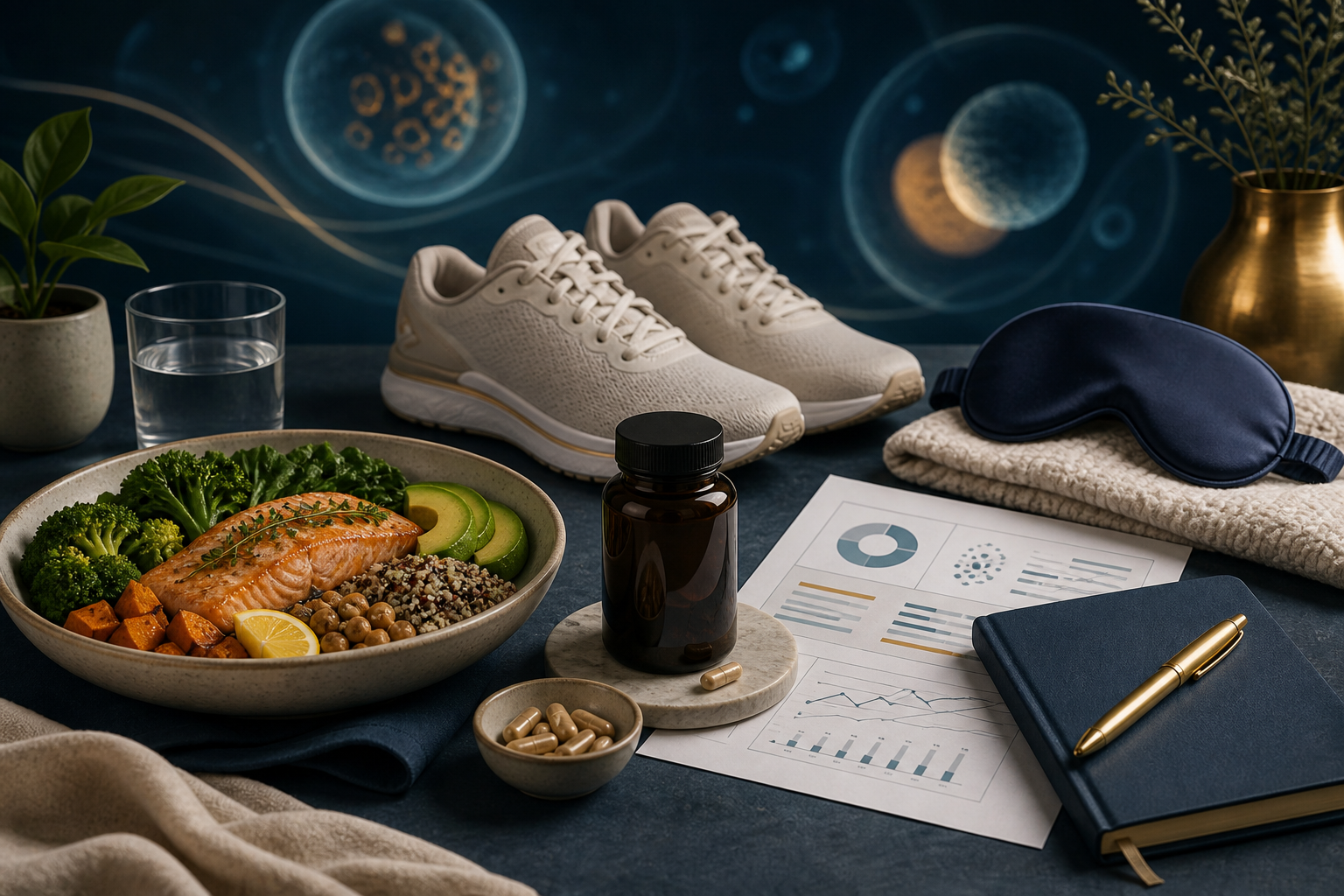
Lifestyle does not “force” a specific NAD+/NADH ratio, but it supports the systems that use and regenerate cellular reducing equivalents. The strongest practical approach is to improve the basics that affect energy metabolism as a whole:
- Eat adequately: A varied diet supplies vitamin B3 forms and other nutrients used in NAD+ biosynthesis. Include protein sources, legumes, whole grains, vegetables, fruit, and healthy fats according to your dietary needs rather than chasing one “NAD+ food.”
- Move regularly: Walking, resistance training, and aerobic activity can improve mitochondrial and metabolic fitness. Start with a sustainable level and account for injury, illness, and medical advice.
- Protect sleep: Regular sleep timing and enough sleep support hormone regulation, appetite, recovery, and perceived energy. Sleep is not a substitute for treatment when a sleep disorder is suspected.
- Reduce avoidable metabolic stress: Avoid smoking and keep alcohol intake within your clinician’s guidance. Do not use intermittent fasting if it conflicts with pregnancy, diabetes treatment, a history of eating disorders, or other medical needs.
AIDEVI’s practical guide to natural ways to support NAD+ levels can be used as a lifestyle checklist. It should be read as general education, not as a replacement for individualized care.
Can NMN or NR raise NAD+?
NMN and NR are NAD+ precursors, meaning the body can process them through pathways that contribute to NAD+ production. Human studies have mainly measured short-term changes in blood or whole-blood NAD+ and selected metabolic outcomes. Those results are useful, but they do not establish that one precursor is universally superior or that everyone will experience more energy.
For example, a randomized placebo-controlled study gave 250 mg of NMN daily to healthy adults for 12 weeks. Whole-blood NAD+ increased under the study conditions, and no obvious adverse effects were reported during that period. This supports a biomarker response in a defined group; it is not a personal prescription or proof of long-term disease prevention [4].
AIDEVI’s overview of recent NMN research provides additional context. When comparing NMN and NR, look for the actual population, dose, duration, endpoint, comparator, and adverse-event reporting. Avoid converting a blood biomarker into a promise about focus, athletic performance, lifespan, or a medical condition.
How should you evaluate an NAD+ or NMN product?
If you choose to explore a supplement, evaluate the product rather than relying on a slogan. The U.S. Food and Drug Administration explains that dietary supplements are not approved for safety and effectiveness before they reach the market, so consumers should review the label and discuss supplements with a healthcare professional [5].
- Identify the ingredient: Confirm whether the formula contains NMN, NR, NAD+, or a blend. Do not assume these names describe the same delivery or evidence base.
- Read the Supplement Facts panel: Check the amount per serving, serving size, other ingredients, storage instructions, and manufacturer contact details.
- Ask for test evidence: A lot-specific certificate of analysis is more useful than an unqualified purity claim. AIDEVI’s certificate-of-analysis guide explains what to look for.
- Keep dose claims in context: Human studies use different doses and durations. A study dose is evidence about that study, not a universal recommendation. See the NMN dosage evidence guide for a cautious framework.
- Match claims to evidence: “Supports NAD+ metabolism” is a mechanism statement. “Prevents disease” or “reverses aging” is a much stronger clinical claim and should not be inferred from a biochemical pathway.
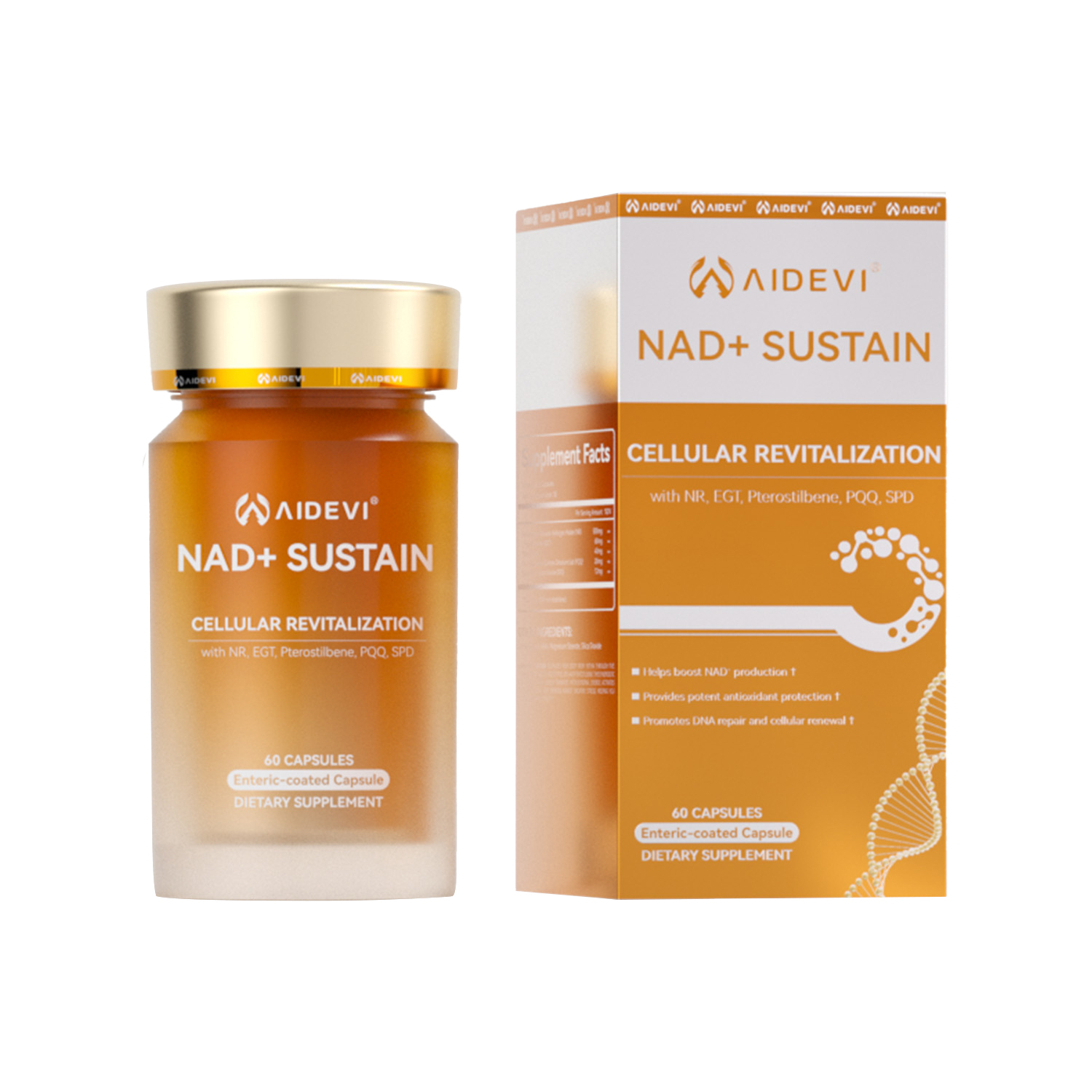
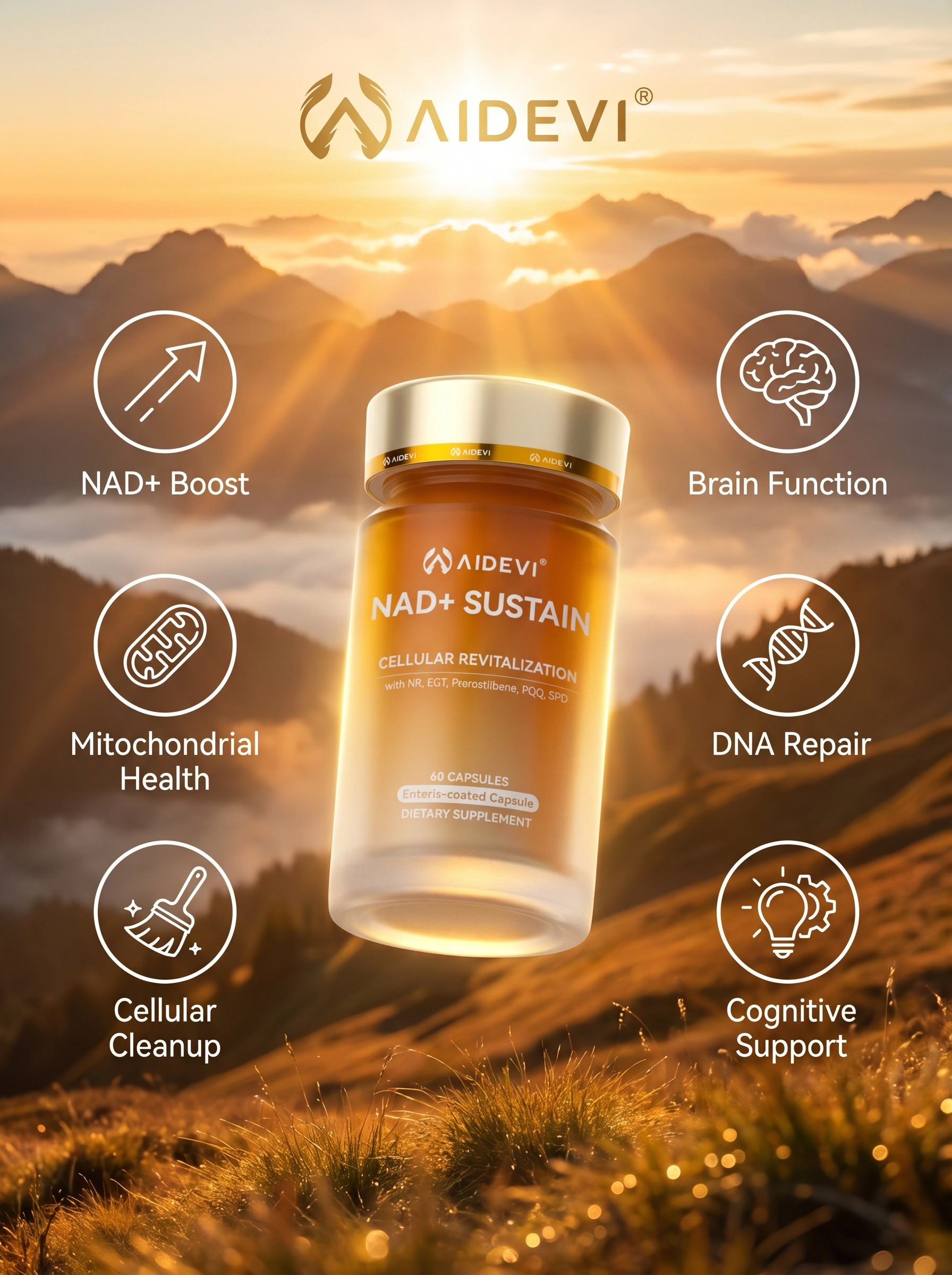
For a broader buying checklist, read AIDEVI’s guide to choosing an NMN supplement. If you prefer to inspect a product page, AIDEVI’s NAD+ Sustain page is a starting point for reviewing a formula’s ingredients and directions. Product information is not a substitute for medical advice or independent evidence appraisal.
A practical four-step way to use this information
Build: establish adequate nutrition, movement, and sleep before adding complexity.
Review: if considering a supplement, check the ingredient, label, testing, and evidence endpoint.
Track: record tolerability and relevant health measures without treating daily energy as a laboratory NAD+ result.
Reassess: stop and seek professional advice for persistent symptoms, medication interactions, pregnancy, surgery, or a diagnosed condition.
Conclusion
NAD+ to NADH conversion is a reversible redox step that connects nutrient breakdown with mitochondrial respiration. NAD+ accepts reducing power; NADH carries it onward; the electron transport chain helps regenerate NAD+ while supporting ATP synthesis. This explains why the pathway matters, but it does not turn NAD+ into a universal explanation for fatigue or aging. Build the basics first, interpret supplement studies by their actual endpoints, and keep product claims proportional to the evidence.
Frequently Asked Questions
Is NADH the same as NAD+?
No. They are two redox states of the same coenzyme. NAD+ is oxidized and ready to accept electrons; NADH is reduced and can donate those electrons to downstream reactions.
Does more NAD+ always mean more energy?
No. Energy depends on many systems, including sleep, nutrition, oxygen delivery, mitochondrial function, hormones, and health conditions. A change in a blood NAD+ marker cannot diagnose the cause of fatigue or guarantee a noticeable energy effect.
Can food support NAD+ metabolism?
A varied diet supplies vitamin B3 forms and other nutrients used by normal metabolism. Food is not a guaranteed way to raise a specific tissue NAD+ level, but adequate nutrition supports the broader pathways in which NAD+ participates.
Are NMN and NR proven anti-aging treatments?
No. Human studies suggest that these precursors can affect selected NAD+ biomarkers under defined conditions, but evidence for long-term effects on aging, lifespan, or disease outcomes is still developing. Results should not be generalized beyond the study design.
Should I take an NAD+ precursor?
That is an individual health decision. Review the ingredient and evidence, check for potential interactions, and consult a qualified healthcare professional if you have a condition, take medication, are pregnant or breastfeeding, or plan a procedure.
References
- NAD+ metabolism, redox biology, and cellular functions: NAD+ metabolism and its roles in cellular physiology.
- NAD+/NADH redox reactions and mitochondrial electron transport: NAD+ and NADH in redox metabolism.
- Context for age-related NAD+ changes and limits of generalization: NAD+ decline in aging and disease.
- Randomized human NMN study: Effect of NMN supplementation on NAD+ levels in healthy adults.
- U.S. Food and Drug Administration, FDA 101: Dietary Supplements.
Disclaimer: These statements have not been evaluated by the Food and Drug Administration. This product is not intended to diagnose, treat, cure, or prevent any disease.
