




AIDEVI Wellness Guide
Low-Dose vs High-Dose nmn: How Much Should You Really Take?
More NMN is not automatically better. Human studies have used a range of daily NMN intakes, including 250 mg, 300 mg, 600 mg, and 1200 mg, but the right routine depends on your goal, tolerance, product quality, health status, and consistency. For most wellness shoppers, a clear daily dose from a transparent formula is more practical than chasing the highest possible number.

- Low-dose NMN often means about 250-300 mg per day in consumer discussions.
- Higher-dose NMN may mean 600 mg, 900 mg, 1200 mg, or more, depending on the study or product routine.
- Human research is promising but still developing, so dosage decisions should stay practical and safety-aware.
- AIDEVI NMN 18000 lists 300 mg of beta-nicotinamide mononucleotide per capsule, making it easy to build a consistent routine.
Content
Why does NMN dosage matter?
NMN dosage matters because people often assume that a larger number on the label must mean stronger healthy-aging support. That is not always the best way to think about supplements. NMN is used by the body to support NAD+ metabolism, and NAD+ participates in cellular energy processes, but a supplement routine still has to make sense for real life: daily consistency, digestive comfort, budget, product quality, and personal health context.
A dose that looks impressive but is difficult to sustain may not be better than a moderate routine you can follow consistently. Likewise, a high dose from an unclear or poorly documented product is less reassuring than a transparent formula with a clear amount per serving. The goal is not to win a dosage contest. The goal is to build an evidence-informed routine that supports cellular vitality without overcomplicating your wellness plan.
For shoppers comparing 300 mg NMN vs 600 mg NMN, or wondering whether 900 mg or 1200 mg is necessary, the most useful answer is: look at human study context, then match the routine to your body and goals. If you are pregnant, nursing, taking medication, managing a medical condition, or unsure about supplement interactions, speak with a healthcare professional before starting or increasing NMN.
What do human NMN studies suggest?
Human NMN research has used different daily intakes, different populations, and different outcome measures. That means you should avoid comparing study doses as if they were one universal buying rule. A study in amateur runners used 300 mg, 600 mg, and 1200 mg per day during a six-week exercise program and reported findings related to aerobic capacity [1]. A 12-week study in older adults used 250 mg per day and evaluated areas including sleep quality, fatigue, and physical performance [2]. A study in postmenopausal women with prediabetes used 250 mg per day and explored muscle insulin sensitivity [3].
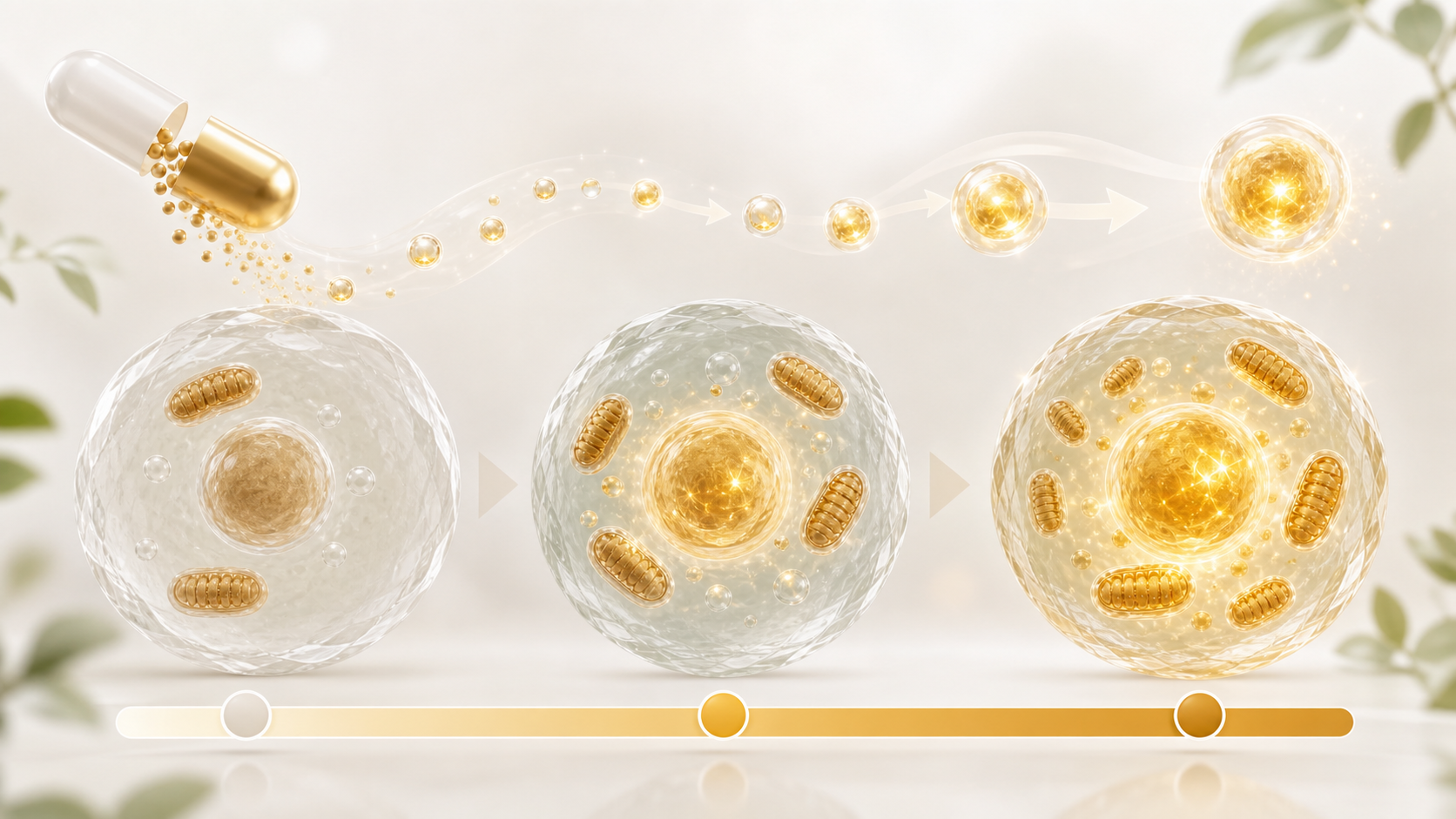
These examples show that meaningful NMN research does not rely on one single dose. They also show why the phrase "high dose" needs context. A dose may be higher than a typical consumer starting routine but still be part of a controlled research design. That does not automatically mean every consumer should copy it. Human studies are helpful for framing possibilities, but personal supplement use should remain conservative, clear, and safety-aware.
A recent systematic review and meta-analysis also highlights that research is still being refined across glucose and lipid metabolism outcomes [4]. In plain English: NMN is scientifically interesting, but not every dose question has a final answer. That is why practical dosage decisions should avoid extremes.
| Dose discussed | Where it appears in the conversation | Practical takeaway |
|---|---|---|
| 250 mg/day | Used in some human studies, including older adults and postmenopausal women research contexts. | Often viewed as a conservative research-informed range. |
| 300 mg/day | Common in consumer formulas and used as one dose level in exercise-related research. | Practical for daily consistency when product quality is clear. |
| 600 mg/day | Appears in higher-dose research comparisons and consumer discussions. | May be considered by some users, but should be approached with personal tolerance and professional guidance in mind. |
| 900-1200 mg/day | Often considered high-dose in consumer contexts; 1200 mg has appeared in controlled exercise research. | Not automatically better for everyday use; evaluate need, cost, comfort, and safety. |
What counts as low-dose NMN?
In everyday supplement conversations, low-dose NMN often means a routine around 250-300 mg per day. This range is not a legal definition. It is simply a practical way users describe a moderate daily intake compared with higher routines such as 600 mg or more.
Low-dose NMN can make sense for people who are new to NAD+ support, prefer a simple daily routine, have a sensitive stomach, or want to observe how their body responds before considering any change. It can also be a sensible starting point for shoppers who care more about consistency than intensity. If your goal is general cellular energy support, a lower routine may be enough to begin the conversation.
A lower dose also makes it easier to evaluate results. If you begin with a moderate routine and keep your sleep, training, hydration, and nutrition stable, you can better notice whether NMN fits you. If you start high, stack several supplements, and change your lifestyle at the same time, it becomes much harder to know what is helping.
What counts as high-dose NMN?
High-dose NMN usually refers to routines above the moderate consumer range, such as 600 mg, 900 mg, 1200 mg, or more. Some users are drawn to higher doses because they want faster energy support, stronger healthy-aging routines, or a protocol closer to research settings. That interest is understandable, but it should be handled carefully.

A higher intake may increase cost, may be unnecessary for your goal, and may make it harder to assess tolerance. It may also create a false sense that supplements can replace the basics. If sleep is poor, protein intake is low, stress is high, or activity is inconsistent, increasing NMN may not address the deeper routine issue.
The smarter question is not "What is the maximum NMN dose I can take?" A better question is "What is the minimum clear, consistent, high-quality routine that supports my goal and feels good for my body?" That question keeps the focus on sustainable wellness rather than supplement escalation.
How should you choose an NMN dose?
Choose an NMN dose by starting with your goal. If you want general healthy-aging and cellular energy support, a moderate routine may be the most practical beginning. If you are an athlete, older adult, or person with a specific wellness goal, you may be more interested in research ranges, but that does not remove the need for professional guidance.
Next, consider your tolerance. Some people prefer taking NMN in the morning because it fits an energy-focused routine. Others take it with a light meal for comfort. Consistency matters more than obsessing over the perfect timing. Track your sleep, digestion, energy rhythm, and workout recovery over several weeks rather than expecting a same-day transformation.
A practical decision framework
- New to NMN? Start with the product label and a moderate routine.
- Comparing 300 mg vs 600 mg? Ask whether the higher routine serves a real goal or only sounds more powerful.
- Considering high-dose NMN? Discuss it with a healthcare professional, especially if you have medical considerations.
- Using multiple supplements? Avoid changing too many things at once.
- Evaluating results? Track consistency, sleep, energy, recovery, digestion, and overall comfort.
Why quality matters as much as dose
Dose only matters if the product is clear, stable, and trustworthy. A label that says 600 mg is not automatically superior to a 300 mg formula if the ingredient quality, purity language, manufacturing standards, and testing transparency are unclear. Buyers should compare how the brand explains the ingredient form, serving size, quality control, and intended use.
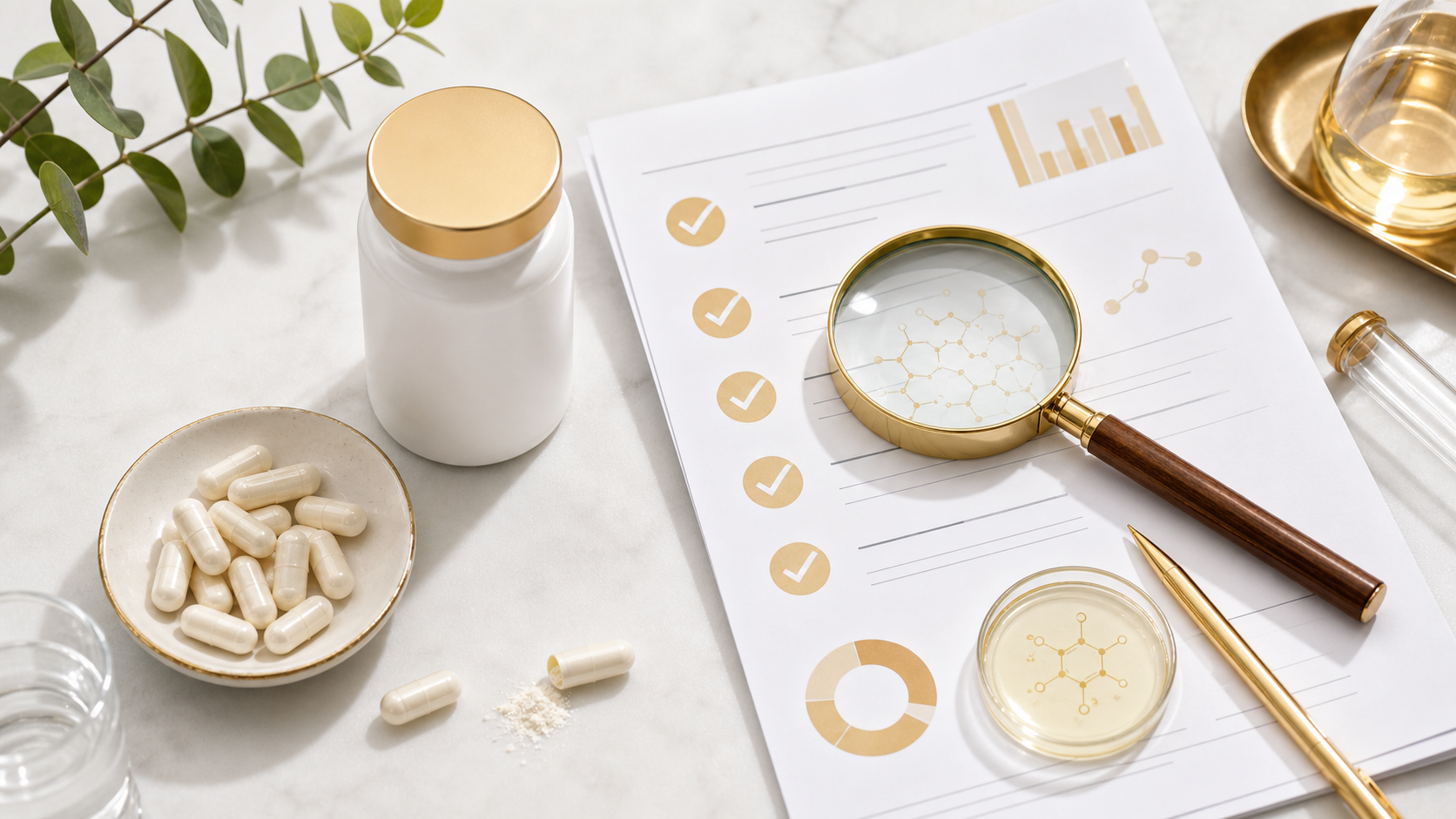
A premium NMN routine should be boring in the best way: clear label, clear dose, clear quality story, and easy daily use. The more complicated your routine becomes, the more important it is to keep a written list of what you take and why. That habit helps you avoid duplicate ingredients and makes conversations with healthcare professionals easier.
How AIDEVI NMN 18000 fits
AIDEVI NMN 18000 is a practical example of a clear daily NMN format. The AIDEVI NMN 18000 product page lists 300 mg of beta-nicotinamide mononucleotide per capsule and positions the formula for cellular energy, metabolism, focus, and vitality support [5]. That makes it easy for users to understand what they are taking and to build a consistent routine around a defined serving.
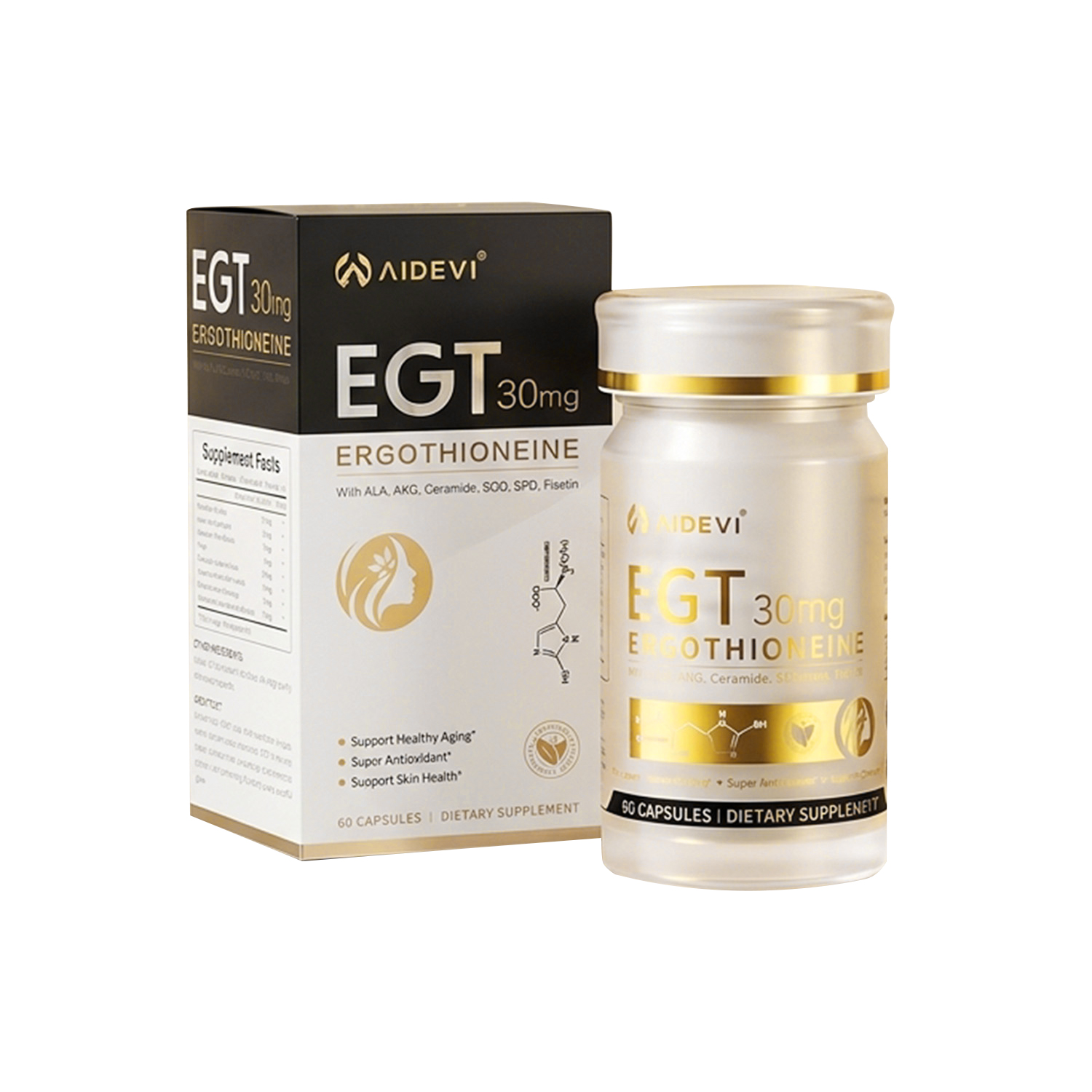
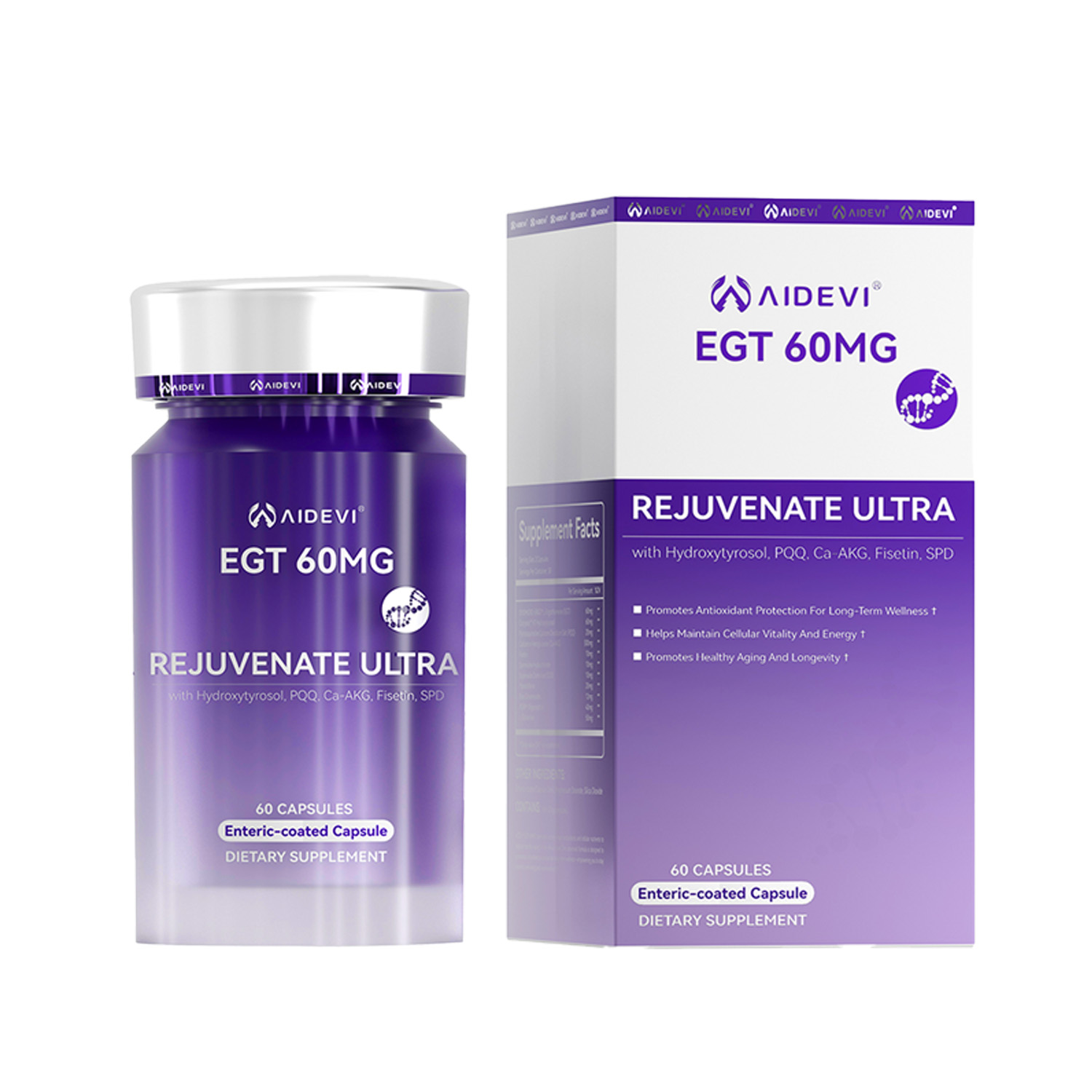
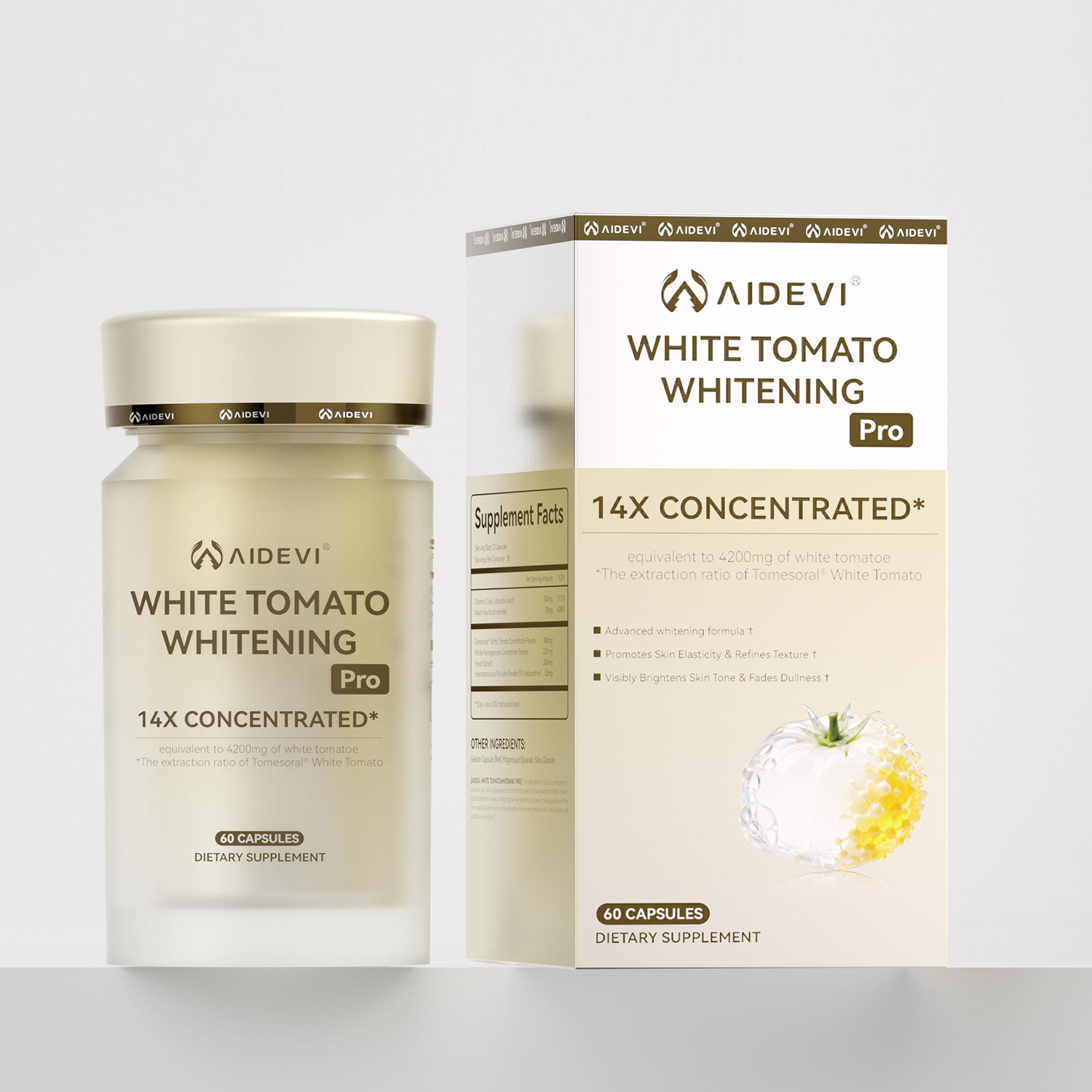
For shoppers comparing low-dose vs high-dose NMN, this kind of label clarity matters. You can start with the stated product directions, observe how the routine fits, and avoid jumping into higher intakes without a reason. If your broader goal includes antioxidant resilience or skin radiance, you may also explore related AIDEVI directions such as AIDEVI Ergothioneine or AIDEVI White Tomato, depending on your wellness priorities.
Conclusion
Low-dose vs high-dose NMN is not a simple contest where the highest number wins. Human studies show that NMN has been explored across multiple daily intakes, but real-world supplement use should be guided by consistency, tolerance, quality, and personal goals. A moderate, transparent routine may be a smarter starting point than an aggressive high-dose plan.
If you are deciding between 300 mg NMN and 600 mg NMN, start by asking what you want the routine to support, whether the product is clearly labeled, and whether you can maintain the plan comfortably. AIDEVI NMN 18000 offers a defined 300 mg capsule format for users who want a straightforward NAD+ support routine without guessing what is inside the serving.
Frequently Asked Questions
Is 300 mg of NMN enough?
For many wellness users, 300 mg is a practical daily amount to consider because it is clear, moderate, and easy to maintain. Whether it is enough for you depends on your goal, health status, product quality, and professional guidance.
Is 600 mg NMN better than 300 mg?
Not automatically. A 600 mg routine may be relevant for some users, but higher does not always mean better. Consistency, tolerance, and a clear reason for increasing matter more than the number alone.
Can I take high-dose NMN every day?
Daily high-dose NMN should be approached carefully. Speak with a healthcare professional before using higher intakes, especially if you are taking medication, managing a medical condition, pregnant, nursing, or using multiple supplements.
How long should I try an NMN routine before judging results?
NMN is usually evaluated over weeks, not hours. Track your energy rhythm, sleep, digestion, recovery, and overall comfort while keeping the rest of your routine as consistent as possible.
Should I start low before increasing NMN?
Many people prefer starting with a moderate routine because it is easier to assess tolerance and consistency. If you want to increase, do so thoughtfully and with appropriate guidance.
References
- [1] Nicotinamide mononucleotide supplementation enhances aerobic capacity in amateur runners
- [2] Effect of 12-week NMN intake on sleep quality, fatigue, and physical performance in older adults
- [3] NMN and muscle insulin sensitivity in postmenopausal women with prediabetes
- [4] Systematic review and meta-analysis of NMN effects on glucose and lipid metabolism
- [5] AIDEVI NMN 18000 product page
Individual results may vary. Consult a healthcare professional before starting any new supplement, especially if pregnant, nursing, taking medication, or managing a medical condition. These statements have not been evaluated by the Food and Drug Administration. This product is not intended to diagnose, treat, cure, or prevent any disease.
