




AIDEVI Wellness Guide
How to Slow Aging Naturally: Diet, Exercise, and nmn for Healthy Longevity
You cannot stop chronological aging, but you can support healthier aging by building repeatable habits around food, movement, sleep, stress, and preventive care. NMN may fit as an optional cellular-energy supplement for some adults, yet the strongest foundation remains a nutrient-dense diet, regular exercise, adequate recovery, and realistic expectations.
- Healthy longevity is built through consistent daily behaviors, not a single anti-aging product.
- Mediterranean-style eating, aerobic activity, strength training, sleep, and social connection each support a different part of healthy aging.
- NMN is an NAD+ precursor. Early human studies suggest it can raise blood NAD+ levels, but evidence for long-term longevity outcomes remains incomplete.
- Choose one or two measurable habits first, then review energy, sleep, strength, and adherence before adding complexity.
Content
What does slowing aging naturally mean?
In practical terms, slowing aging naturally means protecting function over time: preserving muscle and mobility, supporting cardiovascular and metabolic health, maintaining cognitive engagement, and recovering well enough to keep participating in daily life. It does not mean reversing age, eliminating every symptom, or chasing a perfect biological-age number. The National Institute on Aging describes healthy aging as a combination of modifiable behaviors, regular health care, mental well-being, and social connection.[1]
This distinction matters because many habits work through several pathways at once. A brisk walk can support cardiorespiratory fitness, mood, sleep, and social contact. A meal built around vegetables, beans, whole grains, fish, and unsaturated fats can improve nutritional quality without requiring a restrictive plan. A consistent bedtime can make movement and food choices easier the next day. The goal is a system that is sustainable on ordinary weeks, not an extreme protocol that collapses after a month.
For readers exploring the cellular side of this topic, AIDEVI's NAD+ cellular energy guide explains how NAD+ participates in redox reactions and other cellular processes. That biology is useful context, but it should complement rather than replace the basics below.
Which diet habits support healthy longevity?
A flexible Mediterranean-style pattern is a practical starting point because it emphasizes nutrient density and variety: vegetables and fruit, beans and lentils, whole grains, nuts and seeds, fish, olive oil, and other minimally processed foods. NIA notes that Mediterranean-style eating may support health, while also emphasizing that diet research does not prove one menu can promise a particular outcome.[2] Think of the pattern as a set of priorities, not a rigid list of permitted foods.
At most meals, begin with a source of protein and several types of plants. Protein helps make meals satisfying and supports the maintenance of lean tissue when paired with resistance training. Fiber-rich foods feed a diverse diet pattern and can help with regularity and fullness. Colorful produce supplies vitamins, minerals, and polyphenols, while unsaturated fats from foods such as olive oil, walnuts, seeds, and fish can replace some saturated-fat sources.
The most useful upgrade is often substitution. Replace sugary drinks with water or unsweetened beverages, refined grains with whole grains when practical, and heavily processed snacks with fruit, yogurt, nuts, or hummus. This approach reduces decision fatigue and leaves room for enjoyment. If you have diabetes, kidney disease, a history of disordered eating, food allergies, or another medical concern, a registered dietitian can help adapt the pattern safely.
| Longevity priority | Everyday interpretation | Simple first step |
|---|---|---|
| Plants and fiber | More vegetables, fruit, beans, and whole grains across the week. | Add one vegetable or bean serving to lunch. |
| Protein quality | Distribute protein from fish, eggs, dairy, legumes, tofu, or lean meats. | Plan one protein anchor for breakfast. |
| Healthy fats | Favor olive oil, nuts, seeds, avocado, and fish more often. | Use olive oil or nuts in one meal. |
| Less ultra-processed food | Reduce foods high in added sugar, sodium, and refined starch. | Change one daily snack or drink. |
For a deeper look at the ingredient pathway rather than the whole diet, see AIDEVI's article on healthy aging and antioxidant properties. The practical takeaway remains the same: supplements can be considered in context, but they should not be used to compensate for a chronically low-quality diet.
How should exercise change as you age?
The best longevity exercise plan combines aerobic activity, strength work, mobility, balance, and recovery. WHO recommends that adults accumulate at least 150 minutes of moderate-intensity activity or 75 minutes of vigorous activity per week, with muscle-strengthening activity on two or more days.[3] These are targets, not a pass-or-fail test. If you are inactive, begin with short walks and build gradually.
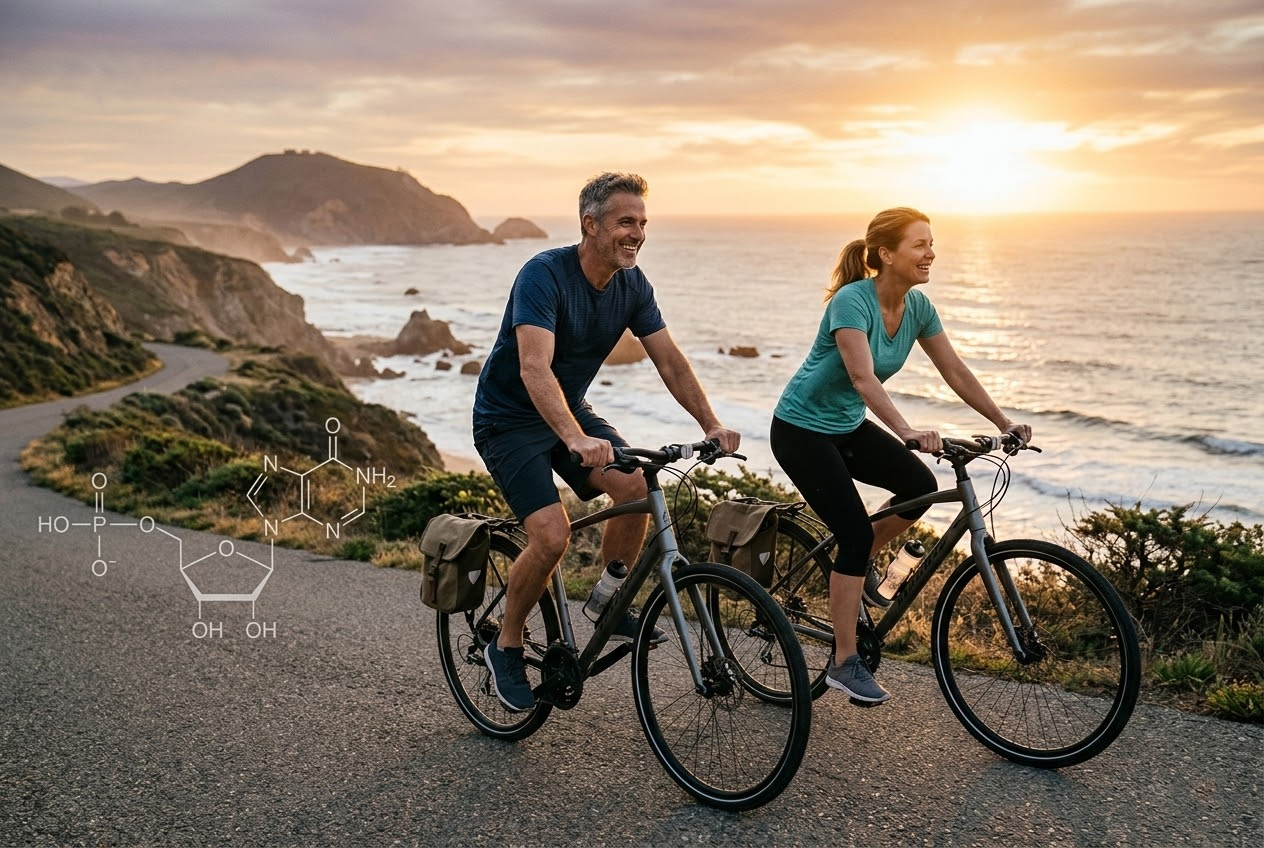
Aerobic work can include brisk walking, cycling, swimming, dancing, or hiking. Use the talk test: moderate activity generally lets you speak in short sentences but makes singing difficult. Strength training may involve body-weight movements, resistance bands, machines, or free weights. Focus on major movement patterns such as sitting and standing, pushing, pulling, carrying, and stepping. A qualified trainer or physical therapist can modify exercises for pain, balance limits, or chronic conditions.
Consistency is more valuable than occasional heroic sessions. A realistic week might include three 25-minute brisk walks, two short strength sessions, and five-minute mobility breaks on workdays. Older adults or anyone with poor mobility should also include balance-oriented movement and choose intensity appropriate to their abilities. NIA reports that physical activity can support mood, sleep, function, and social connection across the lifespan.[4]
NMN should never be presented as a substitute for training. Exercise itself challenges muscle and energy systems in ways a capsule cannot replicate. Readers interested in the energy pathway can review AIDEVI's explanation of cellular energy production and NMN supplementation, then decide whether the topic is relevant to their personal routine.

Why do sleep, stress, and connection matter?
Recovery is part of the plan, not the reward for finishing the plan. Most adults need roughly seven to nine hours of sleep, although individual needs vary. NIA recommends a regular sleep schedule, a calming bedtime routine, a comfortable dark room, regular daytime activity, and limiting late caffeine, alcohol, large meals, and screen use in the bedroom.[5] Persistent snoring, pauses in breathing, severe insomnia, or daytime sleepiness deserve professional evaluation rather than another supplement.
Stress management is not about feeling calm every minute. It is about creating repeatable ways to downshift: a walk after work, slow breathing, journaling, prayer, mindfulness, music, gardening, or time with people who make you feel supported. Chronic stress can disrupt sleep and make healthy eating and movement harder. Start with a small scheduled practice instead of waiting for free time to appear.
Social connection and cognitive engagement also belong in a longevity routine. Join a walking group, take a class, volunteer, learn a skill, or make regular calls with family and friends. These activities create accountability and make healthy behaviors more enjoyable. The principle is simple: a routine that protects relationships is easier to maintain than one built around restriction alone.
AIDEVI's article on sleep quality and healthy aging offers additional context for readers who want to connect sleep habits with cellular-energy questions. Keep the order of priorities clear: investigate a sleep problem first, then consider whether a supplement adds value.
Where can NMN fit in a longevity routine?
NMN, or nicotinamide mononucleotide, is a precursor involved in the body's pathway for making NAD+. NAD+ helps cells handle redox reactions and supports enzymes involved in energy metabolism and cellular maintenance. Because NAD+ availability can change with age and other factors, researchers are studying whether NMN can support NAD+ status in humans. It is more accurate to describe NMN as a researched supplement option than as an anti-aging cure.
In a small randomized, placebo-controlled human study, 250 mg of NMN daily for 12 weeks increased whole-blood NAD+ without obvious adverse effects during the study period.[6] That result supports a biochemical effect, but it does not prove that NMN extends lifespan or produces the same experience for every user. Human trials remain limited in size and duration, and long-term outcomes require more research.
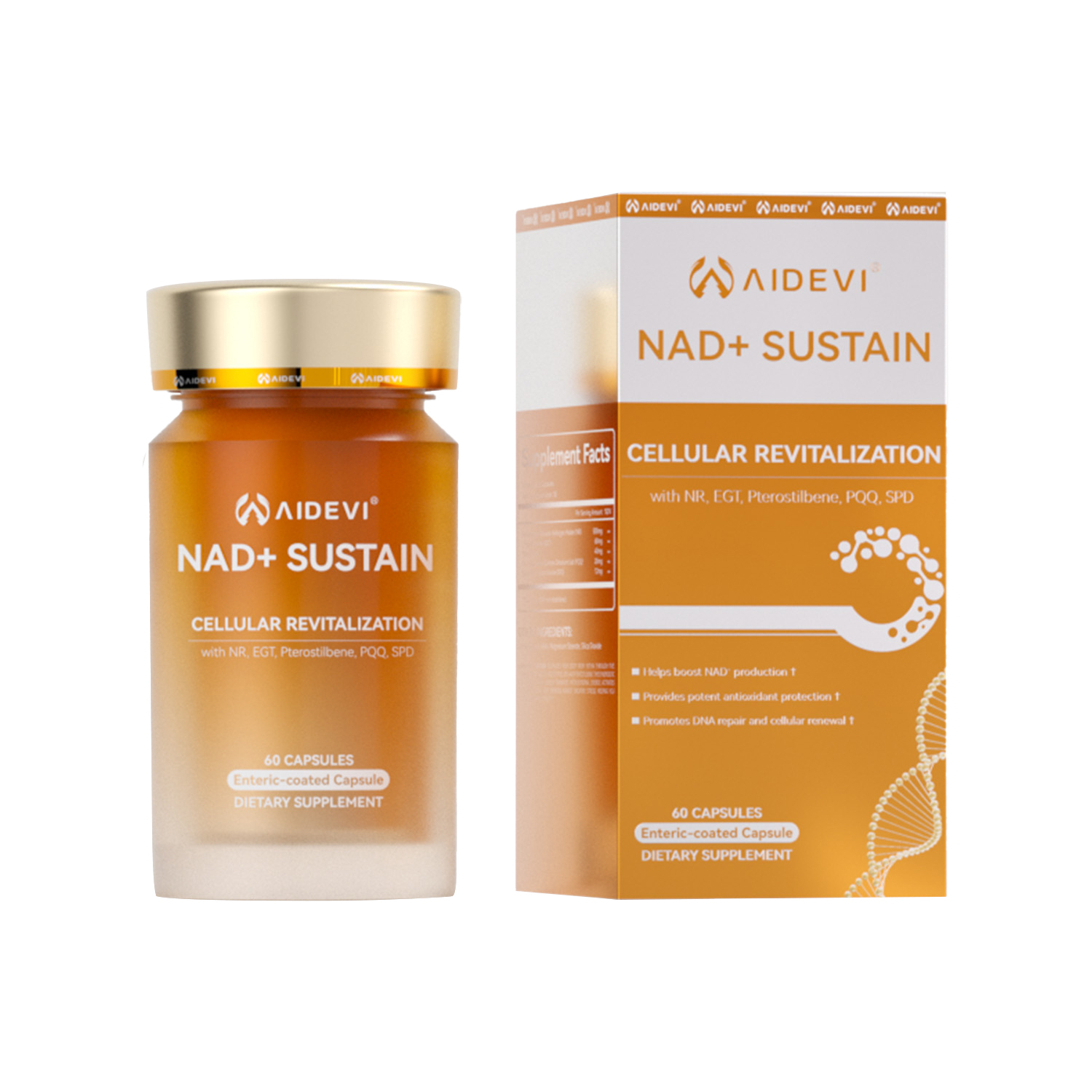
If you are comparing options, AIDEVI's NAD+ versus NMN comparison explains the difference between the active coenzyme and a precursor. A separate guide to natural ways to support NAD+ levels can help you place supplementation alongside movement, sleep, and nutrition rather than treating it as the first step.
| If your priority is... | Best next step | Consider pausing before adding NMN if... |
|---|---|---|
| More daily energy | Review sleep duration, meal regularity, hydration, and activity first. | Fatigue is new, severe, or unexplained. |
| Healthy aging support | Build a six-week habit baseline and track consistency. | You expect a pill to replace diet, exercise, or care. |
| Trying a supplement | Check the label, serving directions, testing information, and your clinician's advice. | You are pregnant, nursing, taking medication, or managing a condition without professional guidance. |
A sensible trial, if a healthcare professional agrees, is to change one variable at a time and record sleep, perceived energy, digestion, exercise tolerance, and any unwanted effects. Do not assume that a higher serving is better. Product quality also matters: look for a complete Supplement Facts label, clear serving instructions, batch or testing information when available, and a manufacturer that can answer questions about identity and purity. AIDEVI's NMN supplement selection guide provides a further checklist for buyers.
What could a simple four-week plan look like?
Use a staged approach so you can learn what actually helps. During week one, set a consistent wake time, add one plant-rich meal, and take a ten-minute walk on most days. During week two, add two brief strength sessions and replace one processed snack or sugary drink. During week three, extend one or two walks and schedule a social or mentally engaging activity. During week four, review your notes before deciding whether an optional supplement deserves a place in the routine.
Track behaviors rather than promising outcomes: nights with a regular bedtime, minutes of moderate movement, strength sessions completed, servings of vegetables or legumes, and perceived energy on a simple one-to-five scale. Also note barriers. If your plan fails because work runs late, move the walk to lunch. If breakfast is rushed, prepare protein and fruit in advance. Good longevity planning is mostly friction reduction.
This framework also protects against overinterpreting short-term changes. A good day after starting NMN does not prove causation, and a bad night does not prove a supplement is ineffective. Look for patterns over several weeks, keep other variables stable when possible, and stop if you experience concerning symptoms. Contact a healthcare professional for persistent fatigue, unintentional weight change, chest pain, fainting, neurological symptoms, or any symptom that needs medical assessment.
Conclusion
The most credible way to slow aging naturally is to protect function consistently. Build meals around plants, adequate protein, whole-food carbohydrates, and unsaturated fats. Move through the week with aerobic activity and strength training. Sleep on a schedule, manage stress in small repeatable ways, stay connected, and keep up with preventive care. These actions have a stronger practical foundation than dramatic promises about reversing age.
NMN can be considered as an optional part of that framework because it may raise blood NAD+ in healthy adults, but the current evidence does not justify treating it as a proven longevity solution. Start with the habits that improve your health whether or not you ever use a supplement. Then make any product decision slowly, transparently, and with professional guidance when appropriate.
Frequently Asked Questions
Can lifestyle habits really affect how I age?
Yes. Diet quality, physical activity, sleep, stress, social connection, tobacco exposure, alcohol use, and preventive care can influence health and function over time. They do not remove every effect of aging, and individual results vary, but they are practical levers supported by public-health guidance.
Is NMN necessary for healthy longevity?
No. NMN is optional, and many people can build a strong healthy-aging routine without it. It should be viewed as a supplement under consideration, not a requirement or replacement for food, movement, sleep, or medical care.
Can NMN change the aging process?
Current human evidence does not establish that NMN reverses aging or extends lifespan. Some early studies indicate that NMN can affect NAD+ levels, while broader benefits and long-term safety still require additional research.
What exercise is best for older adults?
The best exercise is one you can perform safely and repeat. A combination of walking or another aerobic activity, strength training, mobility, and balance practice is generally more useful than focusing on one type alone. Start below your limit and progress gradually.
Who should ask a clinician before using NMN?
Anyone who is pregnant or nursing, takes prescription medication, has a chronic condition, has upcoming surgery, or is experiencing unexplained symptoms should ask a healthcare professional before starting NMN or another new supplement. FDA also advises consumers to discuss supplements with a doctor, pharmacist, or other qualified professional.[7]
References
- [1] National Institute on Aging, What Do We Know About Healthy Aging?
- [2] National Institute on Aging, healthy eating and Mediterranean-style patterns in healthy aging
- [3] World Health Organization, Physical activity recommendations
- [4] National Institute on Aging, Health Benefits of Exercise and Physical Activity
- [5] National Institute on Aging, Sleep and Older Adults
- [6] Okabe et al., Oral Administration of NMN Is Safe and Efficiently Increases Blood NAD+ Levels in Healthy Subjects
- [7] U.S. Food and Drug Administration, Questions and Answers on Dietary Supplements
These statements have not been evaluated by the Food and Drug Administration. This product is not intended to diagnose, treat, cure, or prevent any disease. This article is for educational purposes only. Consult a healthcare professional before starting any new supplement, especially if you are pregnant, nursing, taking medication, managing a medical condition, or preparing for surgery. Individual results may vary.
