



AIDEVI Healthy Living Guide
Hangover Without Drinking: What Hangover-Like Symptoms May Mean
By AIDEVI Editorial Team | Last Updated: September 2026 | Symptoms & Wellness
If you have headache, nausea, fatigue, dizziness, or brain fog without drinking alcohol, the symptoms are better described as hangover-like symptoms, not proof of a separate “non-alcoholic hangover” disease. Dehydration, poor sleep, migraine, infection, medicines, blood-sugar changes, stress, and other health conditions can overlap. The safest next step is to look for the pattern, manage mild symptoms conservatively, and seek care when symptoms persist, worsen, or include red flags.
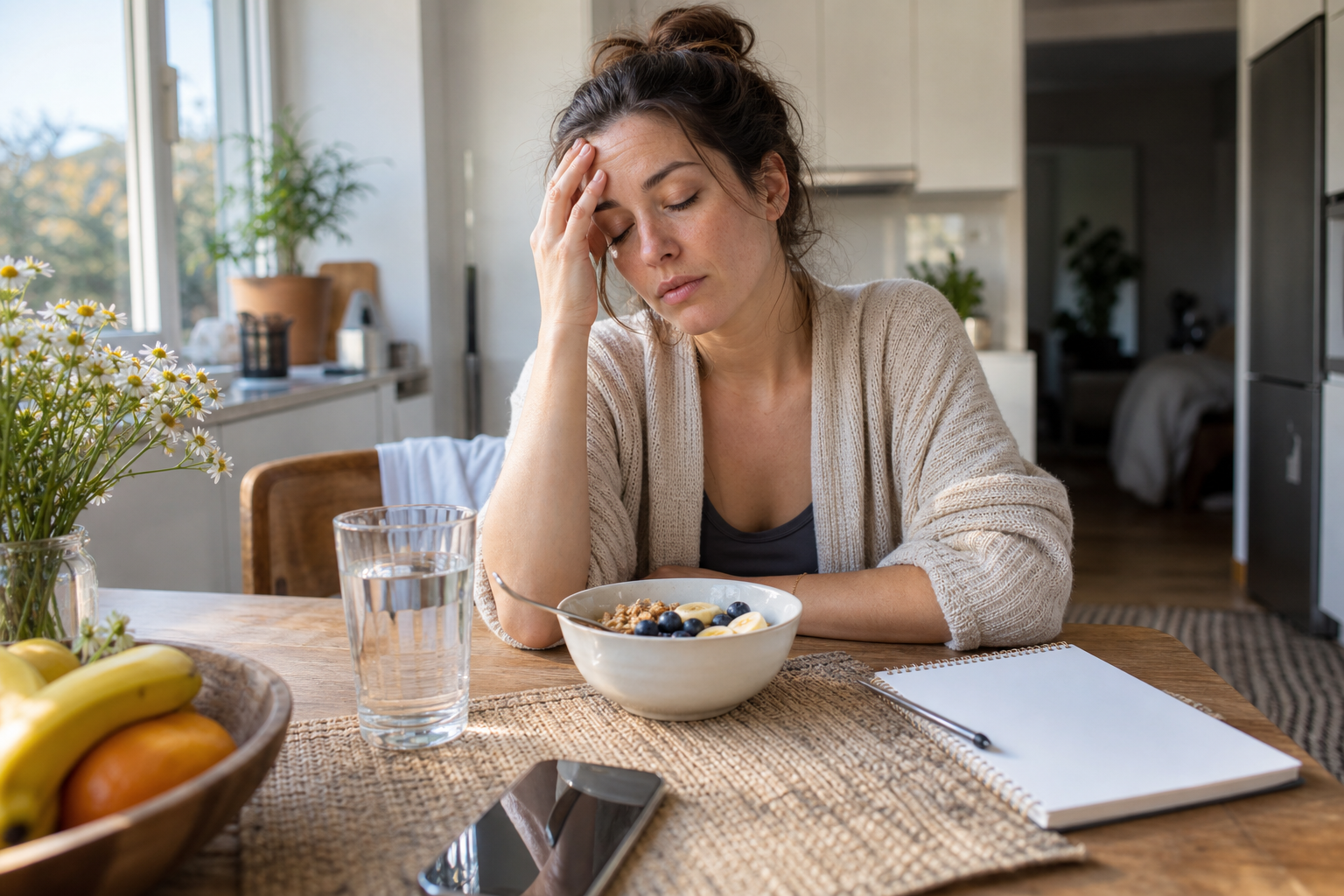
A true alcohol hangover follows drinking and has a well-described relationship with alcohol’s effects. Similar symptoms without alcohol are nonspecific. There is no universal water amount, electrolyte drink, vitamin, probiotic, antioxidant, or “detox” product proven to cure this symptom pattern. If symptoms are severe, recurrent, or unusual for you, a clinician should help identify the cause.
Content
Can you have a hangover without drinking?
Not in the strict medical sense. The National Institute on Alcohol Abuse and Alcoholism describes a hangover as a group of unpleasant symptoms that can occur after drinking alcohol, often as blood alcohol concentration returns toward zero. Headache, thirst, fatigue, nausea, stomach discomfort, anxiety, irritability, and difficulty concentrating are all recognized hangover symptoms [1].
People can still feel “hungover” after a night without alcohol because many of the symptoms are not unique to drinking. A short night, a missed meal, a hot environment, a migraine, a developing infection, or a medication side effect can produce a similar morning experience. “Hangover-like symptoms” is therefore the more useful phrase: it describes how you feel without prematurely deciding why you feel that way.
This distinction improves both safety and search clarity. It avoids presenting an informal phrase as a diagnosed condition, while still answering what readers usually mean when they search for a hangover without alcohol. The goal is not to dismiss the symptoms; it is to investigate them with the right level of urgency.
Which symptoms can overlap with a hangover?
A hangover-like morning may include headache, dry mouth, thirst, dizziness, nausea, stomach upset, muscle aches, tiredness, irritability, anxiety, reduced concentration, or a sense that your thinking is slower than usual. The combination matters more than any single symptom. For example, thirst and dark urine make fluid loss more plausible, while fever or a new cough points toward illness.
Symptoms can also be shaped by the previous day. Strenuous exercise, heat exposure, prolonged fasting, a late work shift, intense stress, a new medicine, or a change in caffeine may be more informative than the label “hangover.” Note what changed, when symptoms began, what makes them better or worse, and whether anyone else around you is sick.
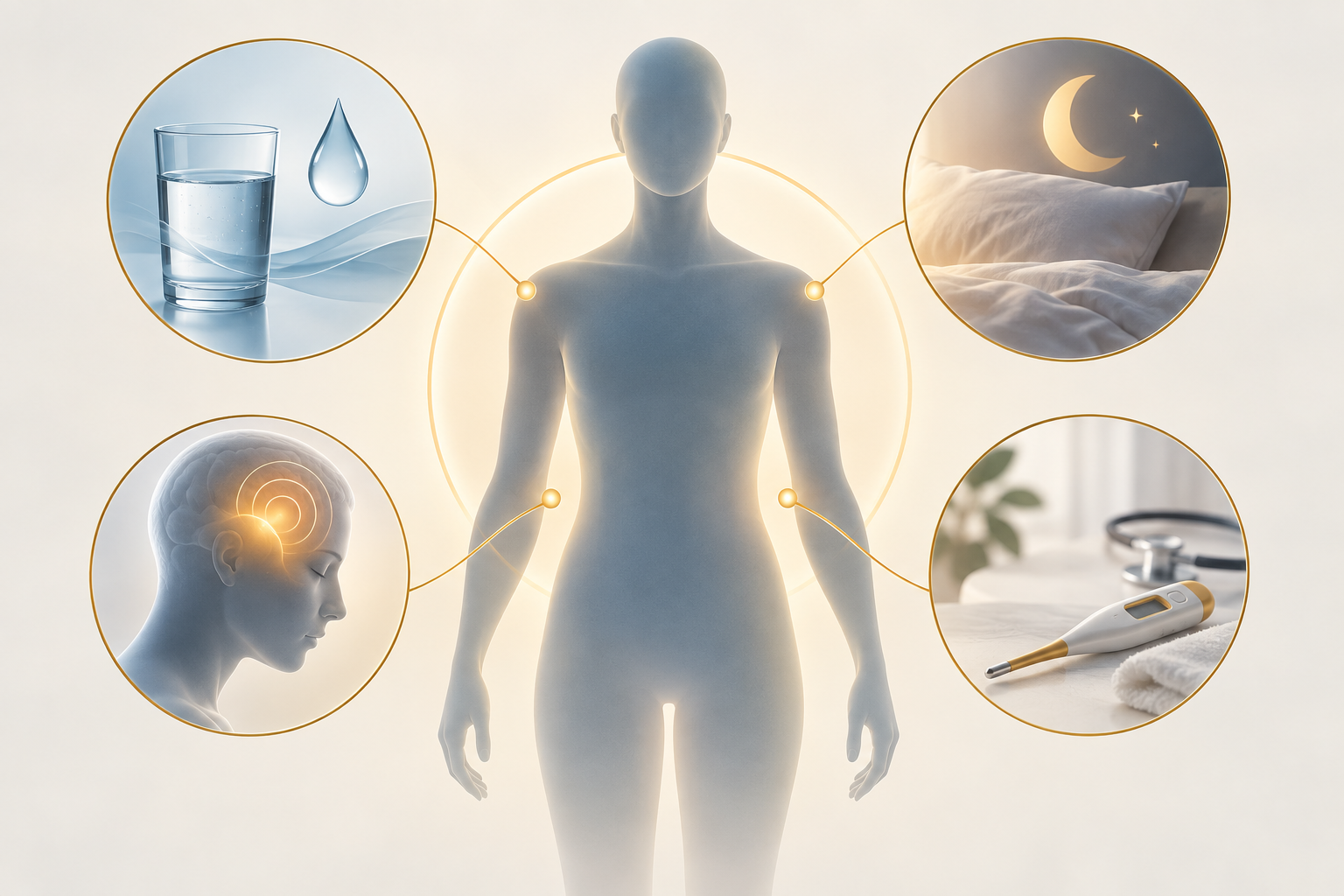
Several ordinary causes can overlap, so a symptom map is more useful than assuming every morning headache is a hangover.
What can cause hangover-like symptoms?
Dehydration, heat, or physical strain
Dehydration can cause thirst, dry mouth, dark urine, fatigue, dizziness, and headache. It may follow sweating, fever, vomiting, diarrhea, heat exposure, or simply not drinking enough for your circumstances. MedlinePlus notes that dehydration can affect how you feel and function, but there is no single daily water target that fits every person [2].
Sip fluids according to thirst and your situation. If you have kidney, heart, or other conditions that limit fluids, follow your clinician’s advice. Do not force large quantities of water quickly; more is not automatically better.
Poor or disrupted sleep
A short night, irregular schedule, sleep apnea, late screen use, pain, or stress can leave you tired, foggy, irritable, and more sensitive to headache or nausea. Sleep loss may also change appetite and make caffeine withdrawal or a missed breakfast feel more intense. A consistent sleep routine is a useful experiment, but persistent insomnia or extreme daytime sleepiness deserves evaluation.
For a broader discussion of sleep-related supplement questions, see AIDEVI’s ergothioneine and sleep quality guide and GABA and sleep overview. Those articles provide ingredient context; they should not be used to self-diagnose a sleep disorder or replace clinical care.
Migraine or another headache disorder
The postdrome phase after a migraine can include fatigue, trouble concentrating, mood changes, dizziness, and lingering head pain. Some people also have nausea or light sensitivity. If episodes recur, follow a clinician-guided migraine plan and record possible triggers such as skipped meals, dehydration, hormonal changes, stress, or disrupted sleep.
Infection or another short-term illness
A viral illness, influenza, COVID-19, stomach infection, or other condition can begin with tiredness, headache, muscle aches, nausea, or fever before more recognizable symptoms appear. Rest, fluids as tolerated, and appropriate monitoring may be reasonable for mild symptoms. Fever, breathing difficulty, dehydration, or rapid deterioration changes the urgency.
Medicines, health conditions, and metabolic changes
Fatigue has many possible causes, including medicines, anemia, diabetes, thyroid disease, infection, depression, kidney or liver disease, pregnancy, and sleep disorders. Mayo Clinic emphasizes that ongoing fatigue is a symptom rather than a diagnosis [3]. Do not stop a prescription medicine suddenly or change a dose because you feel “hungover.” Ask the prescriber or pharmacist to review side effects, timing, interactions, and whether testing is appropriate.

A simple record of sleep, fluids, meals, medicines, temperature, and symptoms can give a clinician more useful information.
What can you do for mild symptoms?
If symptoms are mild, improving, and there are no warning signs, use a low-risk recovery routine for the next several hours:
| Step | Practical option | Important boundary |
|---|---|---|
| Fluids | Sip water or another suitable fluid; replace losses caused by sweating, vomiting, or diarrhea according to medical advice. | Do not force excessive water or assume an electrolyte drink is required for everyone. |
| Food | If you can eat, choose a simple meal with carbohydrates, protein, and produce. | Food supports normal intake; it does not diagnose or cure the underlying cause. |
| Rest and safety | Reduce demanding activity, rest, and avoid driving if dizzy, sleepy, confused, or visually impaired. | Do not use exercise, a cold shower, or caffeine to mask a serious symptom. |
A short symptom diary can be more valuable than a long supplement stack. Record bedtime and wake time, food and fluid intake, caffeine, medicines and supplements, temperature, headache features, bowel symptoms, menstrual or pregnancy context when relevant, and what helped. If the pattern repeats, take the record to a clinician.
The Reset, Review, Reassess framework
- Reset: Pause alcohol, strenuous activity, and nonessential new supplements while you rest and take fluids and food as tolerated.
- Review: Look at sleep, heat, meals, caffeine, medicines, stress, illness exposure, and any new or worsening symptom.
- Reassess: If you are not improving, if episodes recur, or if the symptoms do not fit a simple explanation, arrange professional evaluation.
Can supplements prevent or fix the feeling?
There is no reliable evidence that a general supplement can cure a hangover-like episode caused by an unknown factor. Even for an alcohol hangover, NIAAA notes that no scientifically proven cure has been found and that time is the only certain way to recover; added electrolytes have not been shown to correlate with hangover severity [1]. That is a reason to be cautious with “instant recovery,” “detox,” or “next-day protection” language.
Vitamins, minerals, probiotics, and antioxidant ingredients can have legitimate roles when a person has a documented deficiency or a clearly defined health goal. They are not interchangeable, and taking more does not automatically correct fatigue, nausea, headache, depression, a thyroid problem, an infection, or a blood-sugar disorder. AIDEVI’s antioxidant stack guide and supplement benefits and risks overview are best read as label-literacy background, not as treatment instructions.
If you are considering a product for general wellness, check the complete Supplement Facts panel, serving size, allergens, third-party testing information, and possible medication interactions. Introduce only one new product at a time and stop if it causes a concerning reaction. A product described as supporting antioxidant status or recovery should never be marketed as a way to offset alcohol, replace sleep, or delay medical care.
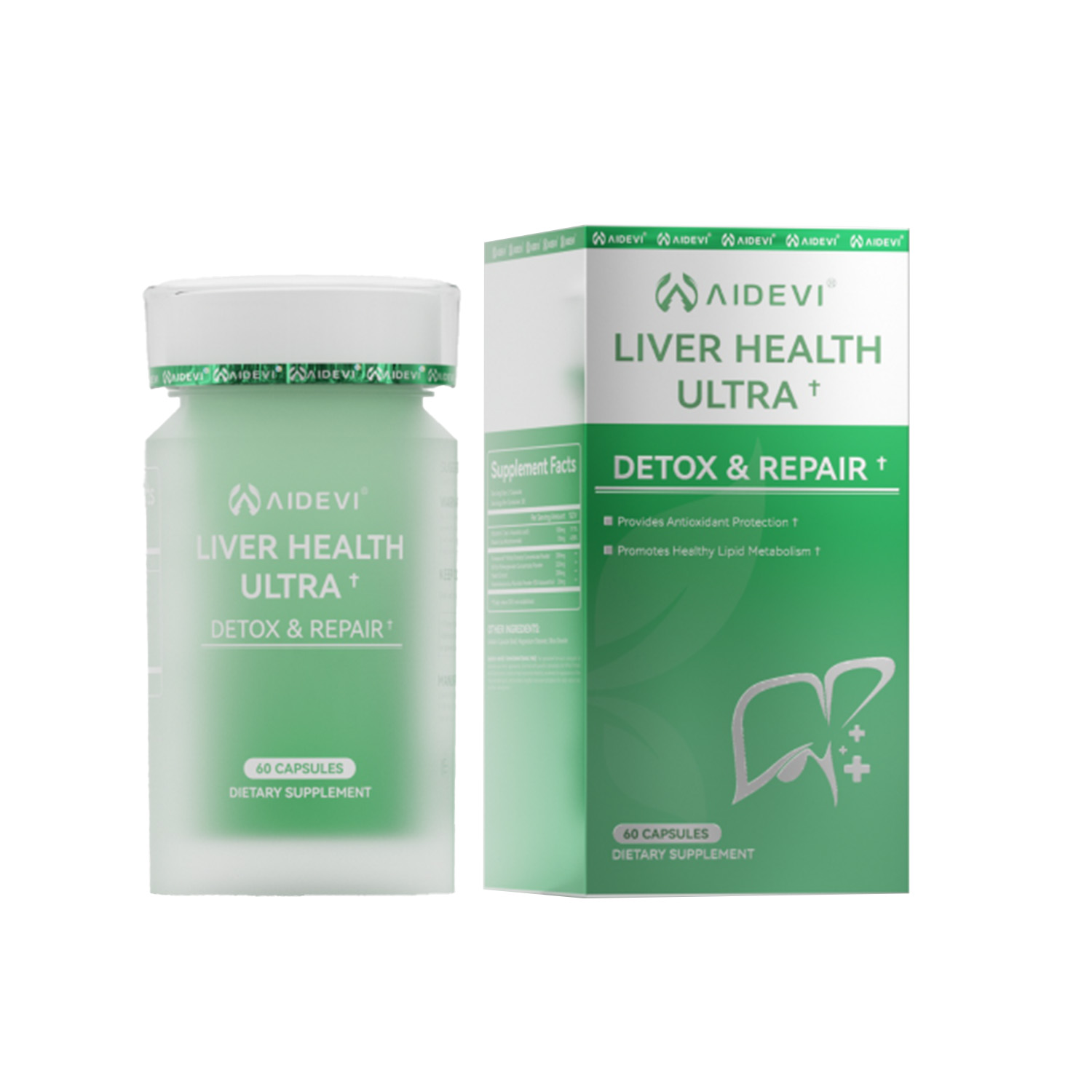
For readers exploring liver-focused supplements, AIDEVI’s liver-support formula page should be treated as product information only. “Liver support” does not mean detoxification, protection from alcohol, or treatment of liver disease. Yellow skin or eyes, dark urine, persistent vomiting, severe abdominal pain, or unusual confusion needs medical attention.
When should you speak with a clinician?
Make a routine appointment if the symptoms last more than a few days, keep returning, interfere with work or daily activities, or are accompanied by unexplained weight change, persistent thirst or urination, loud snoring and daytime sleepiness, prolonged low mood, recurrent migraine, or ongoing gastrointestinal symptoms. A clinician may review your history, medicines, sleep, diet, mental health, and—when appropriate—blood count, glucose, thyroid, or other tests.
Seek urgent or emergency help for confusion, fainting, inability to stay awake, seizure, chest pain, trouble breathing, a fast or irregular heartbeat with weakness, inability to keep fluids down, signs of severe dehydration, sudden weakness or numbness, trouble speaking, a new “worst” headache, or high fever with rapid deterioration. NIAAA lists confusion, difficulty staying conscious, vomiting, seizures, and slow or irregular breathing as alcohol-overdose warning signs; similar red flags should not be dismissed simply because you did not drink [4].

When alertness, breathing, consciousness, or hydration is seriously affected, ask for urgent help instead of trying another supplement or home remedy.
Conclusion
Feeling hungover without alcohol is a useful signal, but it is not a diagnosis. The same cluster of headache, nausea, fatigue, dizziness, and brain fog can follow dehydration, poor sleep, migraine, infection, medicines, stress, or an underlying condition. Start with a calm review of what changed, use gentle self-care when symptoms are mild, and avoid promises that water, electrolytes, vitamins, probiotics, antioxidants, or detox products can solve every case.
Persistent, recurrent, or severe symptoms deserve professional assessment. The right solution is the one that matches the cause, whether that means improving sleep, treating dehydration, reviewing a medicine, managing migraine, checking a health condition, or getting urgent care.
Frequently Asked Questions
Why do I feel hungover when I did not drink?
The feeling may reflect dehydration, poor sleep, migraine, a missed meal, illness, medication effects, stress, or another health issue. “Hangover-like symptoms” describes the experience, not the cause. Look for accompanying signs and whether the pattern repeats.
Can dehydration feel like a hangover?
Yes. Thirst, dry mouth, dark urine, fatigue, dizziness, and headache can occur with dehydration. Sip a suitable fluid and address the reason for fluid loss, but seek care for fainting, confusion, severe weakness, or inability to keep fluids down.
Should I take electrolytes, B vitamins, or probiotics?
Not automatically. Electrolytes may be relevant after certain fluid losses, while vitamins or probiotics are appropriate only for particular nutritional or health goals. None should be assumed to cure unexplained fatigue, nausea, or headache. Check with a clinician or pharmacist if you take medicines or have a medical condition.
How long should hangover-like symptoms last?
There is no single timeframe because the cause varies. A mild episode after heat, poor sleep, or a missed meal may improve with rest and normal intake. If symptoms last more than a few days, recur, worsen, or include red flags, seek professional advice.
Can stress or anxiety cause an emotional hangover?
Stress and anxiety can affect sleep, appetite, muscle tension, digestion, and perceived energy, so they can contribute to a next-day “crash.” Persistent low mood, panic, hopelessness, or thoughts of self-harm require timely mental-health support, not a supplement-based workaround.
References
- National Institute on Alcohol Abuse and Alcoholism. Hangovers.
- MedlinePlus. Dehydration.
- Mayo Clinic. Fatigue: Causes.
- National Institute on Alcohol Abuse and Alcoholism. Understanding the Dangers of Alcohol Overdose.
- National Institute on Alcohol Abuse and Alcoholism. Alcohol Use Disorder: From Risk to Diagnosis to Recovery.
Individual results may vary. Consult a healthcare professional before starting any new supplement, especially if pregnant, nursing, taking medication, managing a medical condition, experiencing persistent symptoms, or facing a possible emergency. These statements have not been evaluated by the Food and Drug Administration. This product is not intended to diagnose, treat, cure, or prevent any disease.
