
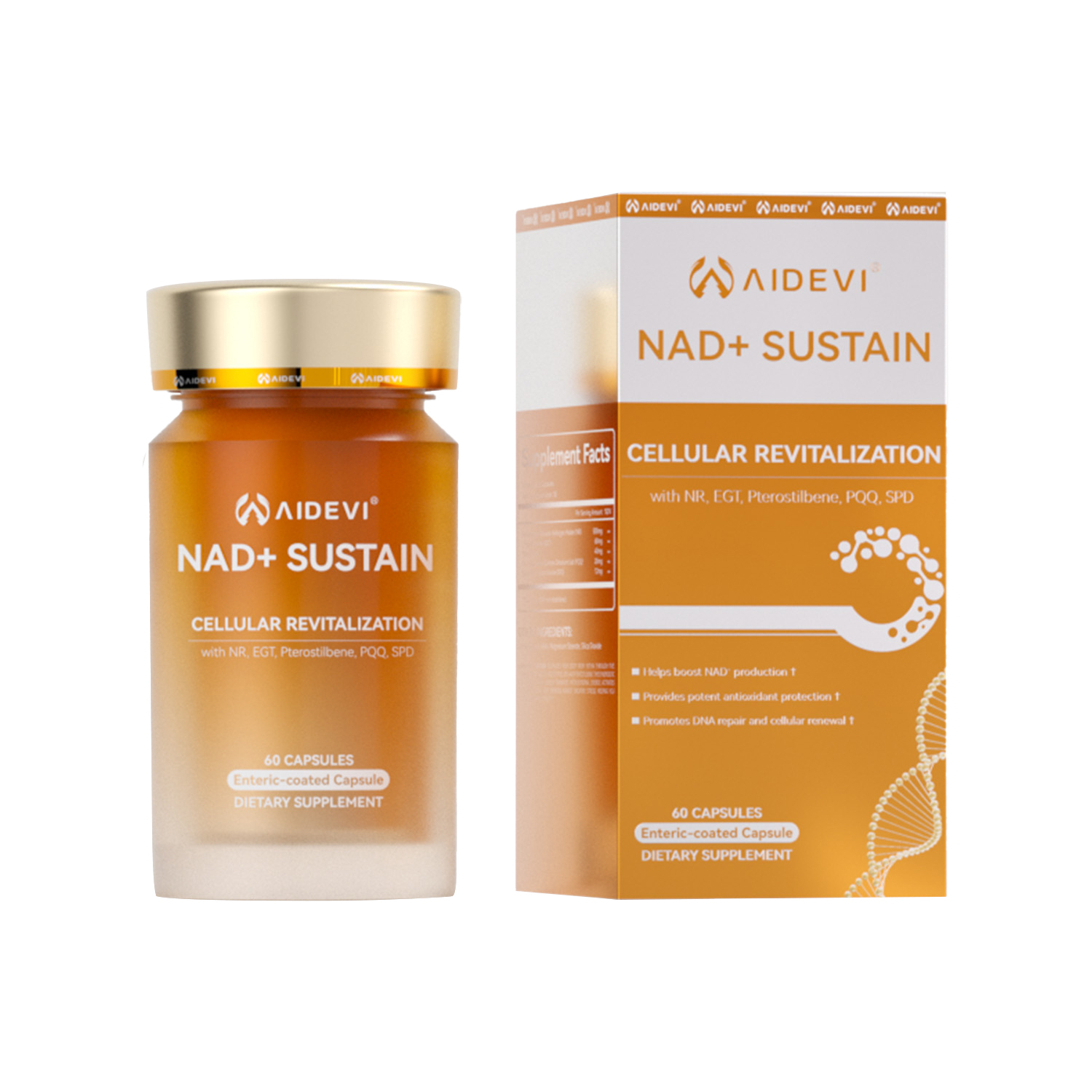



How NAD+ Supplements May Support Healthy Aging and Cellular Energy
NAD+ supplements are often marketed with dramatic language, but the more useful question is calmer: can supporting NAD+ pathways help your cells handle energy demand, repair signaling, and everyday stress as you age? Current research suggests NAD+ is central to metabolism and cellular maintenance, while human supplement evidence is still developing [1][2]. This guide explains what NAD+ does, how common NAD+ support supplements differ, and how to think about AIDEVI-style healthy aging routines without treating supplements like a shortcut around biology.
At a glance
- NAD+ is a coenzyme involved in cellular energy metabolism, redox balance, DNA repair signaling, and stress-response pathways [1].
- NAD+ levels and NAD+ metabolism can change with age, but aging is influenced by many systems, not one molecule alone [2].
- nmn, NR, NADH, niacin, and some direct NAD+ products are all discussed as NAD+ support options, but they are not interchangeable.
- The most responsible use case is healthy aging support alongside sleep, movement, nutrition, and clinician guidance.
Compact answer: NAD+ supplements do not make the body young again. They may help support NAD+ availability, which matters for cellular energy and repair-related signaling. The best results come from pairing the right supplement format with consistent lifestyle habits and realistic expectations.
Content
What can NAD+ supplements realistically do for aging?
No supplement can honestly promise to stop aging. Aging is shaped by genetics, sleep, diet quality, muscle mass, inflammation, hormones, environment, stress, and medical history. NAD+ is important because it sits close to several cellular processes that tend to receive more pressure over time. That makes it relevant, not magical.
A better way to frame the topic is this: NAD+ support may help maintain the cellular conditions associated with energy production and repair signaling. Research reviews describe NAD+ as a key molecule in mitochondrial function, DNA repair pathways, sirtuin activity, immune metabolism, and other aging-related biology [1]. Separate research has also reported age-related changes in NAD+ metabolism, which is one reason NAD+ precursors have become popular in the healthy aging category [2].
That does not mean more NAD+ automatically equals a younger body. Human outcomes depend on dose, format, baseline health, diet, sleep, medication use, and how the supplement is absorbed. If you are new to the topic, start with a foundation article such as what NAD+ is and why it matters for cellular energy. It keeps the conversation grounded before choosing a product.
What does NAD+ do inside the body?
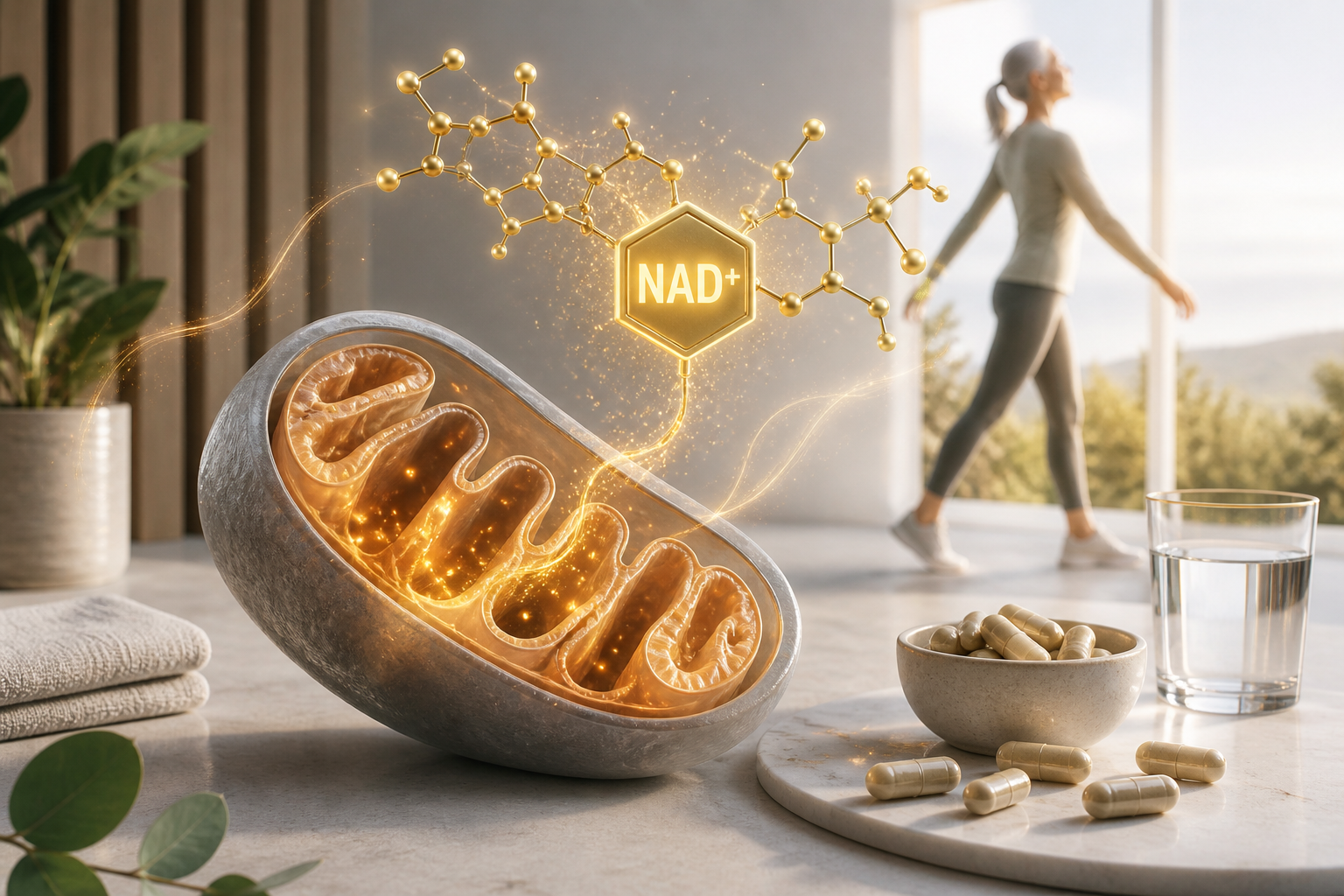
NAD+ stands for nicotinamide adenine dinucleotide. It is a coenzyme, meaning it helps enzymes do their work. One of its most familiar roles is in redox reactions, where NAD+ and NADH help move electrons during energy metabolism. In everyday language, NAD+ helps cells turn nutrients into usable energy rather than letting calories remain abstract fuel.
NAD+ is also used by enzymes involved in cell signaling and maintenance. Sirtuins, PARPs, and other NAD+-dependent enzymes draw on NAD+ during processes related to stress response, DNA repair signaling, inflammation control, and metabolic adaptation [1]. This is why NAD+ is discussed in conversations about endurance, recovery, skin appearance, brain health, and longevity. The scientific pathway is broad, but consumer claims should stay precise.
For AIDEVI readers, the practical takeaway is simple: NAD+ support is best understood as cellular support, not a single-purpose beauty or energy hack. When your routine includes sleep, protein, movement, hydration, and a thoughtful supplement plan, NAD+ biology fits into a larger system. For a deeper look at this connection, see AIDEVI's guide to cellular energy production and NMN supplementation.
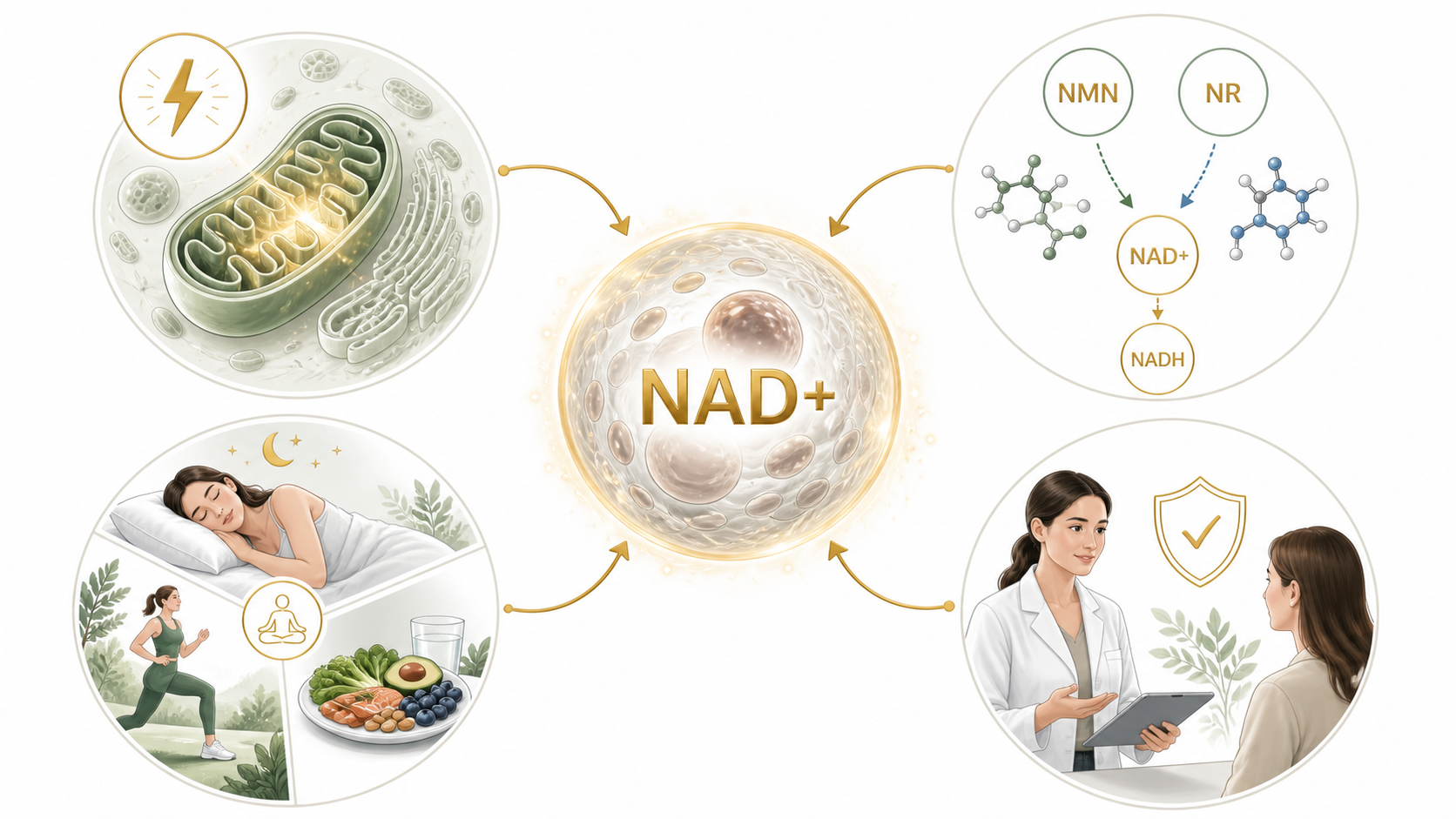
What counts as an NAD+ supplement?
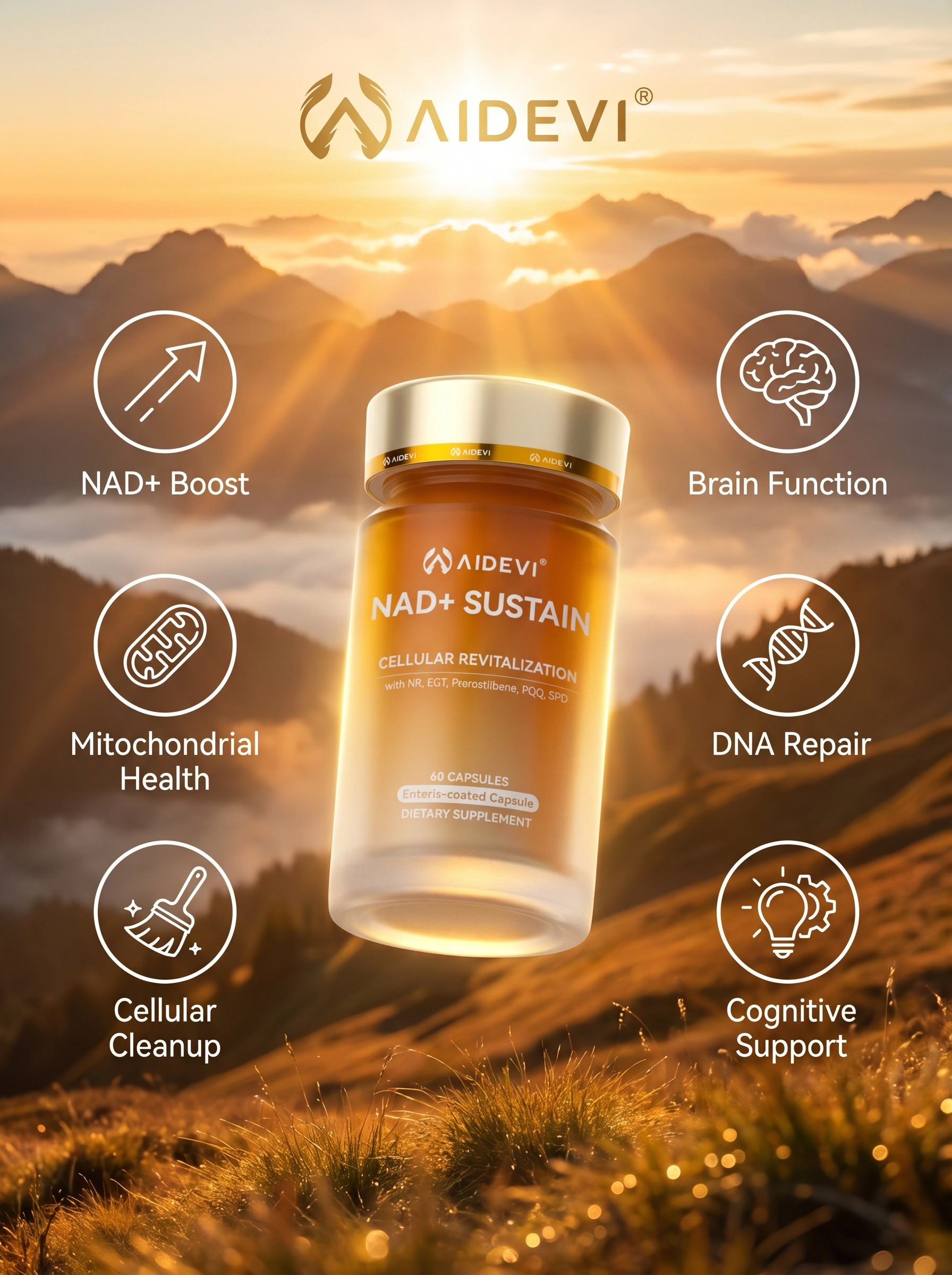
The phrase "NAD+ supplement" can refer to several different approaches. Some products contain NAD+ or NADH directly. Others use NAD+ precursors, meaning compounds the body can use in NAD+ metabolism. Common examples include NMN, NR, niacin, and nicotinamide, all connected in different ways to vitamin B3 chemistry and NAD-related pathways [3].
NMN, short for nicotinamide mononucleotide, is one step upstream of NAD+ in salvage-pathway biology. NR, short for nicotinamide riboside, is another precursor that can be converted through a different route. NADH is the reduced form of NAD+ and plays a role in electron transfer. Direct NAD+ products sound straightforward, but oral stability, delivery, and absorption can be more complicated than product labels make them appear.
A systematic review of clinical NAD-related interventions found that NADH and NAD+ precursor supplementation were generally well tolerated in the analyzed studies, but it also noted reported side effects such as muscle pain, nervous system-related complaints, fatigue, sleep disturbance, and headaches, and called for more research across specific populations [4]. That is a useful middle ground: promising biology, early human data, and a need for careful expectations.
If you are comparing formats, AIDEVI's articles on NAD+ vs NMN differences, NMN vs NR for longevity support, and NAD injections vs NMN supplements can help you understand the tradeoffs before buying.
Which NAD+ support path fits your goal?
The right NAD+ support routine depends on what you are trying to improve. Someone focused on general healthy aging may need a different approach than someone tracking exercise recovery, sleep quality, or nutrition gaps. The table below is a practical decision module, not a medical diagnosis tool.
| Goal | Consider | Best-fit thinking |
|---|---|---|
| General healthy aging | NMN or NR precursor support | Useful when paired with sleep, exercise, and diet rather than used as a stand-alone fix. |
| Cellular energy support | A measured NAD+ precursor routine | Track daily energy, exercise tolerance, and sleep instead of expecting instant stimulation. |
| Sensitive stomach or new users | Lower starting dose with food | Start conservatively and adjust only after observing tolerance. |
| Complex medical history | Clinician review first | Especially important during pregnancy, cancer care, liver or kidney disease, or prescription medication use. |
AIDEVI readers often ask whether daily use is safe. The honest answer is that tolerance varies, and long-term human data is still not as complete as the marketing language suggests. Review the practical safety discussion in NMN benefits, side effects, and daily-use questions, then compare your plan with a dose-focused guide such as NMN dosage by age. Use these as education, not as a replacement for medical advice.
How should you evaluate an NAD+ supplement?
A responsible NAD+ supplement page should make it easy to understand the active ingredient, serving size, manufacturing standard, and intended use. Look for a clear Supplement Facts panel, batch or lot information, storage instructions, and plain-language usage guidance. If a product hides the dose behind vague blends or relies mostly on celebrity-style claims, slow down. A supplement for healthy aging should not require exaggerated promises to sound valuable.
Pay attention to the form as well. Capsules, powders, tablets, sublingual formats, patches, and clinic-based delivery methods can create different expectations for convenience, taste, timing, and professional oversight. None of those formats automatically proves better for every person. The more practical question is whether the format fits your routine well enough that you can use it consistently and safely.
It also helps to define what you will track before you start. Instead of looking for a vague feeling of becoming younger, choose ordinary markers: morning energy, sleep regularity, exercise consistency, mental clarity during work, or tolerance after meals. These observations do not prove a medical outcome, but they make your routine more thoughtful. If anything feels uncomfortable, stop and ask a healthcare professional.
How can lifestyle support NAD+ naturally?
Before adding a supplement, strengthen the habits that influence the same terrain. Regular aerobic exercise and resistance training support mitochondrial health and metabolic flexibility. Consistent sleep gives repair systems time to work. A nutrient-dense diet provides the B vitamins, amino acids, minerals, and polyphenols that help cellular systems function normally.
Alcohol moderation matters because alcohol metabolism uses NAD+ chemistry. Chronic stress, poor sleep, and low movement can also make any supplement routine feel less effective. The point is not perfection. The point is reducing the load on the systems you are asking NAD+ support to help maintain.
If you want a non-product starting point, begin with AIDEVI's guide to natural ways to support NAD+ levels. Then decide whether a supplement belongs in your routine after your baseline habits are stable.
Conclusion
NAD+ supplements should not be framed as a way to defeat time. They are better understood as tools for supporting cellular energy and healthy aging biology. NAD+ is deeply involved in metabolism, mitochondrial function, and repair-related signaling, but human supplement research is still evolving. The smartest approach is measured: choose a format you understand, start with realistic expectations, watch your response, and build the routine on sleep, movement, nutrition, and professional guidance.
For AIDEVI, that means speaking to longevity with scientific restraint. Healthy aging is not about chasing a miracle. It is about giving your cells better daily conditions to keep doing their work.
FAQ
Can NAD+ supplements make you young again?
No. NAD+ supplements may support pathways connected with cellular energy and maintenance, but they should not be described as making the body young again. Aging is multi-system biology, not a single switch.
What is the difference between NAD+, NMN, NR, and NADH?
NAD+ is the coenzyme used by cells. NMN and NR are precursors that can help the body make NAD+ through related metabolic pathways. NADH is the reduced form of NAD+ involved in electron transfer during energy metabolism.
How long does it take to notice NAD+ support?
There is no universal timeline. Some people track energy, sleep, exercise recovery, or focus over several weeks, while others notice little. Results depend on lifestyle, dose, formulation, baseline health, and consistency.
Are NAD+ supplements safe?
Clinical research reviewed so far suggests NADH and NAD+ precursors are generally well tolerated in studied settings, but side effects have been reported and long-term evidence is still developing [4]. Ask a healthcare professional if you have a medical condition or take medication.
Who should speak with a healthcare professional before using NAD+ support products?
Anyone who is pregnant, nursing, under 18, taking prescription medication, preparing for surgery, managing cancer, or living with liver, kidney, cardiovascular, neurological, or metabolic disease should get professional guidance first.
FDA disclaimer: These statements have not been evaluated by the Food and Drug Administration. Dietary supplements are not intended to diagnose, treat, cure, or prevent any disease. Always consult a qualified healthcare professional before starting a new supplement, especially if you have a medical condition, take medication, are pregnant, or are nursing [5].
References
- Covarrubias AJ, Perrone R, Grozio A, Verdin E. NAD+ metabolism and its roles in cellular processes during ageing. Nature Reviews Molecular Cell Biology. https://www.nature.com/articles/s41580-020-00313-x
- Massudi H, Grant R, Braidy N, Guest J, Farnsworth B, Guillemin GJ. Age-related NAD+ decline. Experimental Gerontology. https://pmc.ncbi.nlm.nih.gov/articles/PMC7442590/
- NIH Office of Dietary Supplements. Niacin Fact Sheet for Health Professionals. https://ods.od.nih.gov/factsheets/Niacin-HealthProfessional/
- Radenkovic D, et al. Evaluation of safety and effectiveness of NAD in different clinical conditions: a systematic review. American Journal of Physiology-Endocrinology and Metabolism. https://pubmed.ncbi.nlm.nih.gov/37971292/
- U.S. Food and Drug Administration. FDA 101: Dietary Supplements. https://www.fda.gov/consumers/consumer-updates/fda-101-dietary-supplements
