



AIDEVI Movement And Antioxidant Guide
Nurturing the Body: The Symbiosis of Fascia Training and Ergothioneine
Fascia training and ergothioneine support the body from different directions. Fascia training uses movement, stretch, bounce, and recovery habits to care for connective tissue function. Ergothioneine is a dietary antioxidant compound studied for cellular protection and oxidative-stress support. Together, they make the most sense as a movement-plus-nutrition framework, not as a medical solution.

- Fascia is a body-wide connective tissue system that helps transmit force, support glide between tissues, and contribute to body awareness.
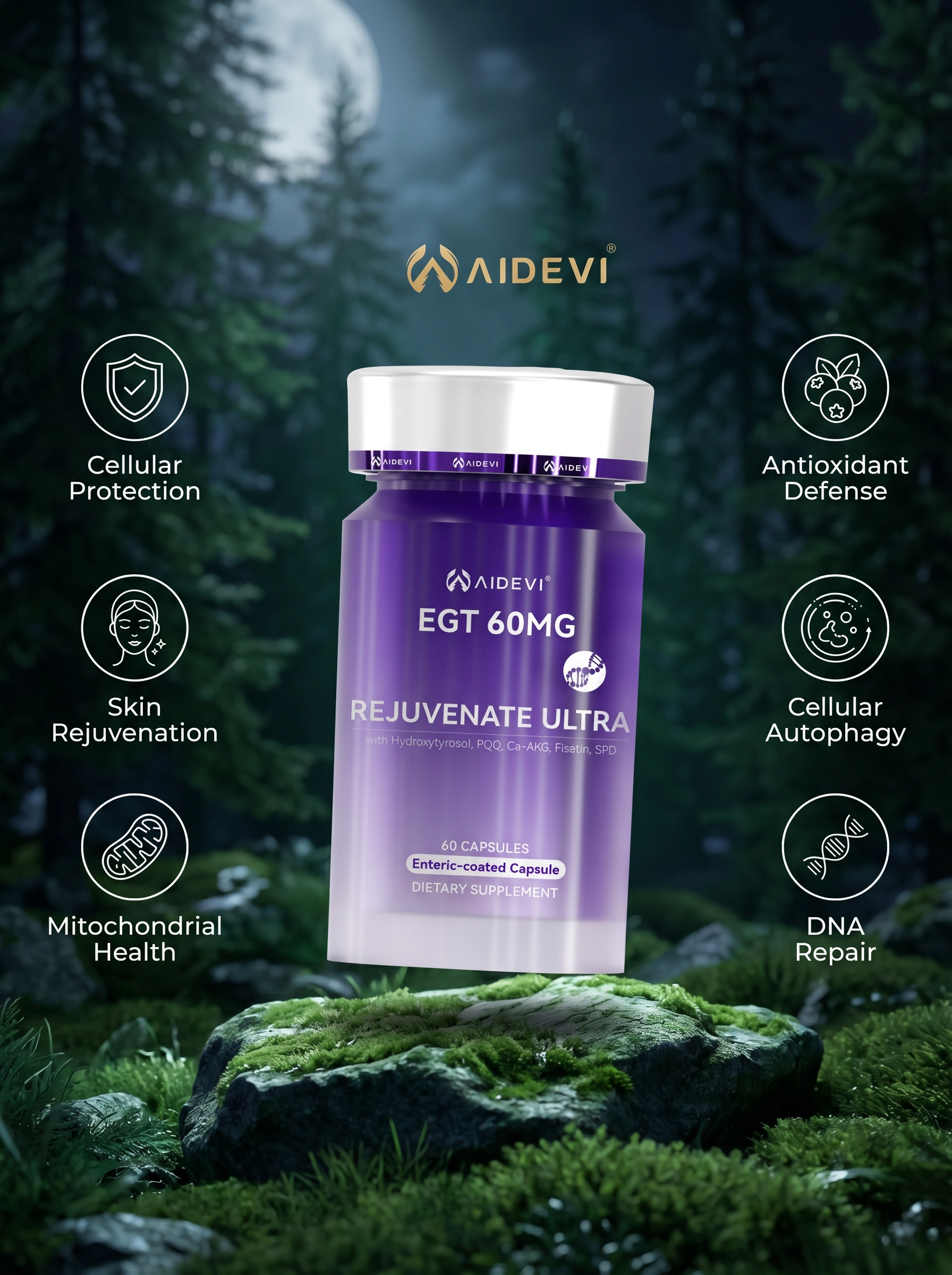
- Ergothioneine, often shortened to EGT, is a naturally occurring antioxidant compound found in mushrooms and transported in the body by a specific carrier.
- There is no proof that EGT directly changes fascia. The useful connection is broader: movement supports tissue function, while antioxidants support cellular resilience.
Content
Fascia training and ergothioneine are best understood as complementary wellness tools. Fascia training gives the body mechanical input through stretching, elastic movement, balance, and recovery. Ergothioneine supports antioxidant defenses at the cellular level. The link is not a direct proven effect on fascia; it is a holistic strategy that pairs movement quality with nutrition for long-term resilience.
What is fascia, and why train it?
Fascia is connective tissue that surrounds, separates, and links muscles, organs, nerves, blood vessels, and other structures. It is not just passive wrapping. Fascia helps tissues slide, helps transmit force during movement, and contains sensory receptors involved in proprioception, the body's sense of position and movement. Modern fascia research has shifted attention from isolated muscles toward whole-body movement networks.
Fascia training usually combines several movement qualities: slow stretching, elastic recoil, multidirectional movement, body awareness, hydration habits, and recovery. Schleip and Muller described training principles for fascial connective tissues, including elastic movement, fascial stretching, sensory refinement, and attention to recovery timing [1]. This is why fascia-focused routines often look softer than heavy strength training, but still require precision and consistency.
The practical benefit is better movement literacy. Someone who sits for long periods may not need an extreme mobility protocol; they may need frequent breaks, gentle length changes, spinal rotation, hip movement, foot loading, and breathing. Someone who trains intensely may need elastic warm-ups, progressive tissue loading, and recovery days. AIDEVI readers interested in movement recovery can also explore muscle recovery and performance support for a related training perspective.

What is ergothioneine?
Ergothioneine is a sulfur-containing amino-acid derivative produced by certain microorganisms and found in foods, especially mushrooms. Humans do not make meaningful amounts of it, but the body has a specific transporter often called OCTN1 or SLC22A4 that helps move ergothioneine into cells and tissues. Reviews describe ergothioneine as a diet-derived antioxidant and cytoprotective compound with unusual tissue-handling properties [2].
That transporter is one reason EGT attracts attention. A nutrient that the body actively transports is not automatically a miracle ingredient, but it is biologically interesting. Ergothioneine has been studied for antioxidant activity, cellular stress responses, mitochondrial context, and tissue accumulation patterns. The evidence is still developing, and human outcomes should be discussed carefully, but the ingredient is a strong fit for antioxidant-resilience content.
For readers who want a dedicated ingredient overview, AIDEVI's guide to ergothioneine as a healthy-aging antioxidant explains why EGT is often positioned differently from general antioxidant blends. Readers comparing food and supplement context can also review the role of ergothioneine supplements in a balanced diet.
What is the movement plus antioxidant framework?
The old way to connect fascia training and ergothioneine would be to say they form a direct synergy. That sounds appealing, but it goes beyond the evidence. The more useful AIDEVI framework is "mechanical input plus cellular support." Fascia training provides the mechanical input: stretch, glide, load, balance, and coordination. Ergothioneine provides nutritional support for antioxidant defenses and cellular resilience.
Training creates signals. When you move, tissues experience tension, compression, hydration shifts, and sensory feedback. Recovery then determines whether that training becomes useful adaptation or just another stressor. Antioxidants do not replace training adaptation, and taking more antioxidants is not always better for exercise adaptation. The goal is not to blunt every signal, but to support a balanced cellular environment through food, sleep, and reasonable supplementation.
This is especially relevant for adults balancing stress, work, and healthy aging. Stress can change posture, breathing, sleep, food choices, and training consistency. AIDEVI's article on how stress relates to healthy aging gives helpful context for why recovery habits matter. For women building long-term routines, AIDEVI's guide to NMN and ergothioneine for women over 40 connects EGT to broader longevity support.
AIDEVI Fascia + EGT Decision Map
| Goal | Fascia Training Role | Ergothioneine Role |
|---|---|---|
| Better movement quality | Slow stretches, multidirectional mobility, balance, and elastic loading. | Supports antioxidant defenses that are part of the recovery environment. |
| Recovery consistency | Gentle movement, breath-led sessions, and tissue loading that matches capacity. | Fits a food-first antioxidant routine, especially alongside mushrooms and plant foods. |
| Healthy aging | Maintains movement variety, coordination, and confidence with daily activity. | Supports cellular resilience as one layer of a broader wellness plan. |
How can you build a simple routine?
Start with a short fascia-focused sequence three to five times per week. Use gentle side bends, spinal rotation, hip circles, calf and foot loading, elastic arm swings, and slow breathing. Keep intensity moderate. Fascia training should feel like restoring options, not forcing range. If a movement creates sharp pain, numbness, or unusual symptoms, stop and ask an appropriate professional.
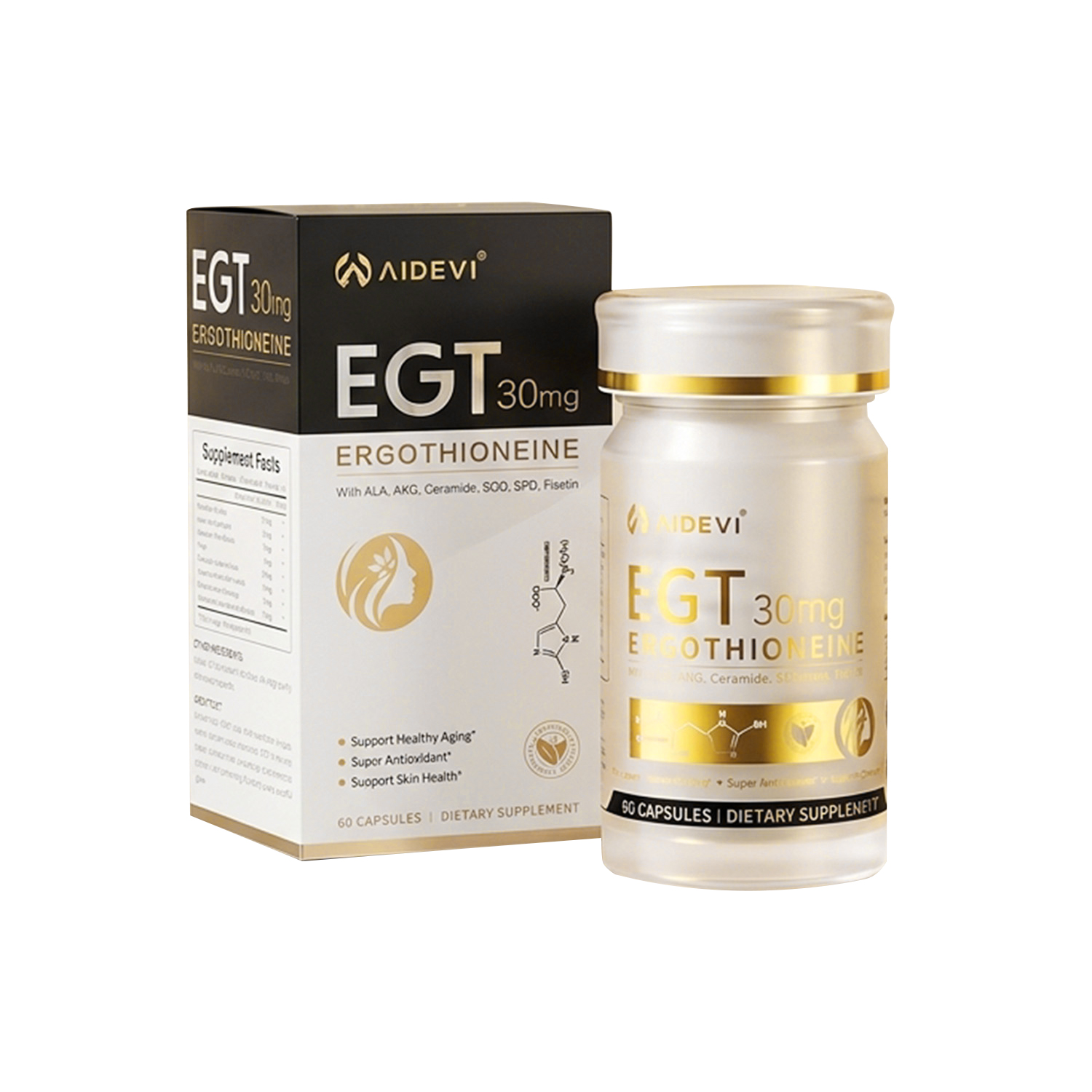
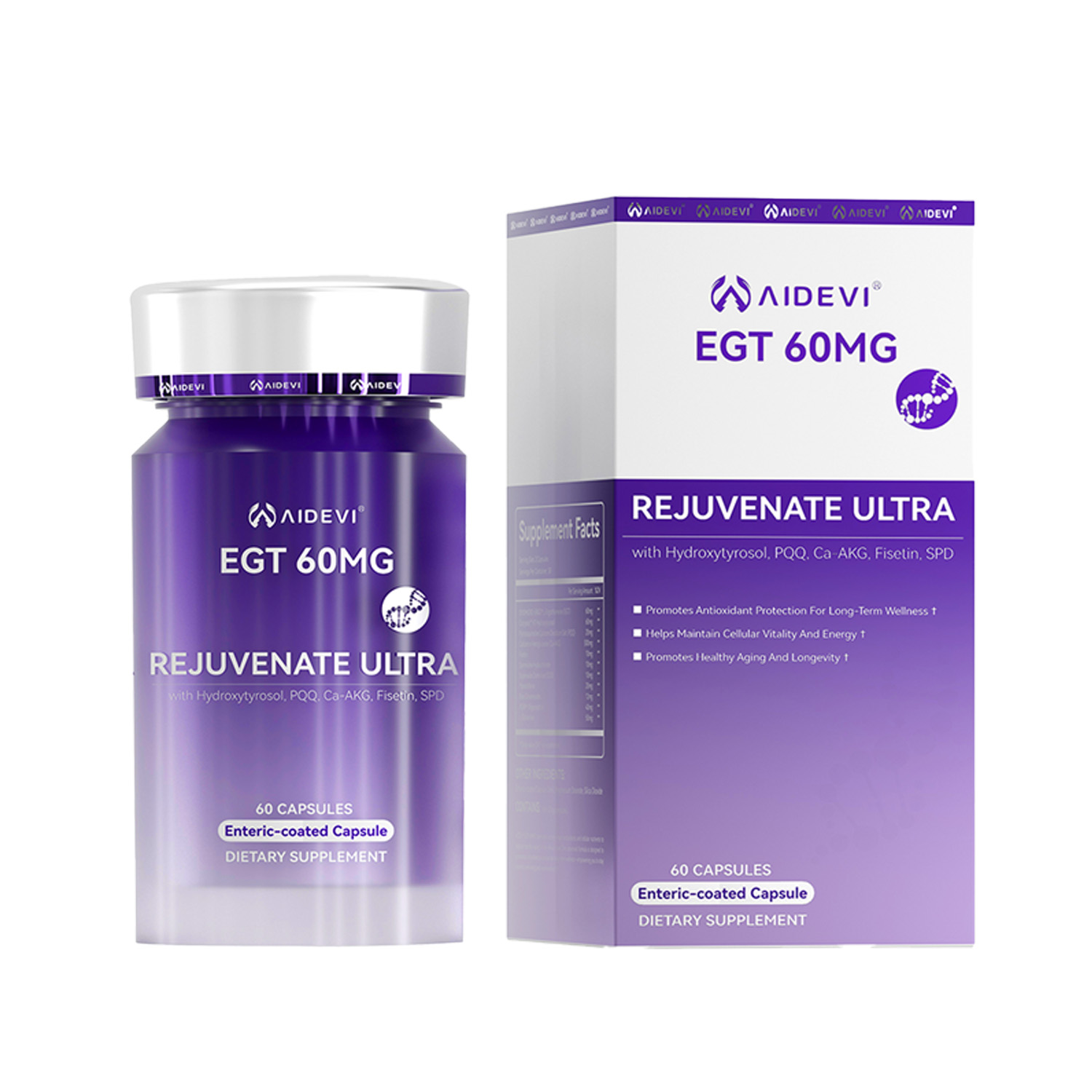
Then build the recovery layer. Hydration, protein, minerals, sleep, and regular walking all matter. Add mushrooms or other EGT-containing foods when they fit your diet. If considering an ergothioneine supplement, check the label, serving size, ingredient transparency, and personal suitability. AIDEVI's ergothioneine product information is a useful next step for understanding format and ingredient context.
People who spend long hours seated may benefit from a simpler approach: two minutes of movement every hour, a longer mobility session after work, and a food-first antioxidant pattern. That is more realistic than one intense weekend workout. AIDEVI's article on sedentary habits and ergothioneine-focused antioxidant wellness continues that lifestyle conversation.

Who is this combined approach best for?
The fascia plus ergothioneine approach is best for people who want a sustainable body-care system rather than a single dramatic intervention. It can fit desk workers who feel stiff from stillness, active adults who want more movement variety, women building healthy-aging routines, and wellness shoppers who already understand that recovery is not only what happens in the gym. It is also what happens during sleep, meals, hydration, stress management, and normal daily movement.
It is not the best fit for someone looking for a fast fix for pain, inflammation, injury, or diagnosed movement disorders. In those situations, professional assessment is more appropriate. It is also not ideal for someone who wants to stack many supplements while ignoring the basics. EGT can be part of an antioxidant routine, but a poor recovery pattern will still limit how well the body adapts to training.
| Best fit | Consider instead | Pause or ask a professional if |
|---|---|---|
| You feel stiff from desk work and want a gentle, repeatable mobility routine. | Start with walking breaks and simple joint circles before adding foam rolling or long sessions. | You have sharp pain, numbness, swelling, or symptoms that change rapidly. |
| You already train and want better recovery habits around movement quality. | Adjust training volume, sleep, and protein intake before adding more supplements. | You are returning from injury or have been told to limit certain movements. |
| You want antioxidant support that pairs with a food-first lifestyle. | Use mushrooms and colorful plants first if you prefer a diet-led approach. | You are pregnant, nursing, taking medication, or managing a health condition. |
A useful starting point is a four-week experiment. Choose three fascia sessions per week, two daily movement breaks, one mushroom-rich meal pattern you enjoy, and one tracking note each morning. Keep the routine small enough that you can actually repeat it. Consistency teaches more than intensity here.
What expectations are realistic?
A realistic fascia routine may improve body awareness, movement comfort, and training consistency over time. It should not be sold as a cure for pain or as a substitute for medical evaluation. Fascia can be involved in movement discomfort, but pain is complex and can involve joints, nerves, sleep, stress, inflammation, workload, and many other factors.
A realistic ergothioneine routine may support antioxidant defenses and cellular resilience. It should not be presented as a rapid recovery shortcut or as a care plan for inflammation-related conditions. Reviews describe EGT as an antioxidant with cytoprotective potential, while also emphasizing the need for more human outcome research [3]. That evidence boundary matters because trustworthy wellness content should be useful without exaggeration.
Track simple signals instead: morning stiffness, ability to rotate or bend comfortably, workout consistency, sleep quality, step count, and how your body feels after travel or desk-heavy days. These are practical wellness markers. They are not disease measures, but they help you see whether your movement and recovery habits are working together.
Give the routine enough time to reveal a pattern. Two or three sessions cannot show much, but four consistent weeks can teach you whether your body responds better to slower stretching, elastic movement, extra walking, more sleep, or a simpler supplement plan.
Conclusion
Fascia training and ergothioneine can be placed in the same wellness story when the story is honest. Fascia training supports movement variety, tissue glide, proprioception, and recovery habits. Ergothioneine supports antioxidant defenses and cellular resilience. One is mechanical; the other is nutritional. Together, they invite a calmer, smarter approach to long-term body care.
The best routine is not dramatic. Move gently and often. Load tissues progressively. Eat antioxidant-rich foods. Sleep enough to recover. Use supplements thoughtfully when they match your goal and your body. That is the real symbiosis: a body that receives both good movement and good support.
Frequently Asked Questions
Does ergothioneine directly improve fascia?
There is no strong human evidence showing that ergothioneine directly changes fascia structure or mobility. The more reasonable connection is indirect: EGT supports antioxidant defenses, while movement training supports tissue function.
What foods contain ergothioneine?
Mushrooms are among the most discussed dietary sources of ergothioneine. Amounts vary by type, growing conditions, and preparation. EGT can also appear in smaller amounts in some other foods.
Is fascia training the same as stretching?
Not exactly. Stretching is one part of fascia training, but fascia-focused routines may also include elastic movement, balance, rebound, hydration, proprioception, and recovery timing.
Can I combine fascia training with strength training?
Yes. Many people use fascia-focused movement as a warm-up, recovery session, or mobility day. Strength training and fascia training can complement each other when workload is managed wisely.
Who should be careful with new movement or supplements?
Anyone with persistent pain, recent injury, neurological symptoms, pregnancy, medication use, surgery plans, or a medical condition should ask a qualified professional before making major changes.
These statements have not been evaluated by the Food and Drug Administration. This product is not intended to diagnose, treat, cure, or prevent any disease. Dietary supplements should be used as part of a balanced lifestyle, and you should consult a qualified healthcare professional before starting any new supplement, especially if you are pregnant, nursing, taking medication, preparing for surgery, or managing a medical condition.
References
- Schleip R, Muller DG. Training principles for fascial connective tissues: scientific foundation and suggested practical applications. https://pubmed.ncbi.nlm.nih.gov/23768275/
- The unusual amino acid L-ergothioneine is a physiologic cytoprotectant. https://pmc.ncbi.nlm.nih.gov/articles/PMC6398359/
- Ergothioneine: A diet-derived antioxidant with therapeutic potential. https://pmc.ncbi.nlm.nih.gov/articles/PMC7684078/
- The fascial system and exercise: mechanisms and practical implications. https://pmc.ncbi.nlm.nih.gov/articles/PMC9227049/
