



AIDEVI Brain And Metabolic Wellness Guide
Ergothioneine, Belly Fat, and Brain Health: What the Research Really Suggests
Recent imaging research links higher midlife visceral belly fat with brain changes related to inflammation and Alzheimer's disease biomarkers, but it does not prove that one antioxidant can change body-fat distribution or alter dementia risk. Ergothioneine is better framed as a dietary antioxidant that may support cellular resilience within a broader metabolic and brain-health routine.
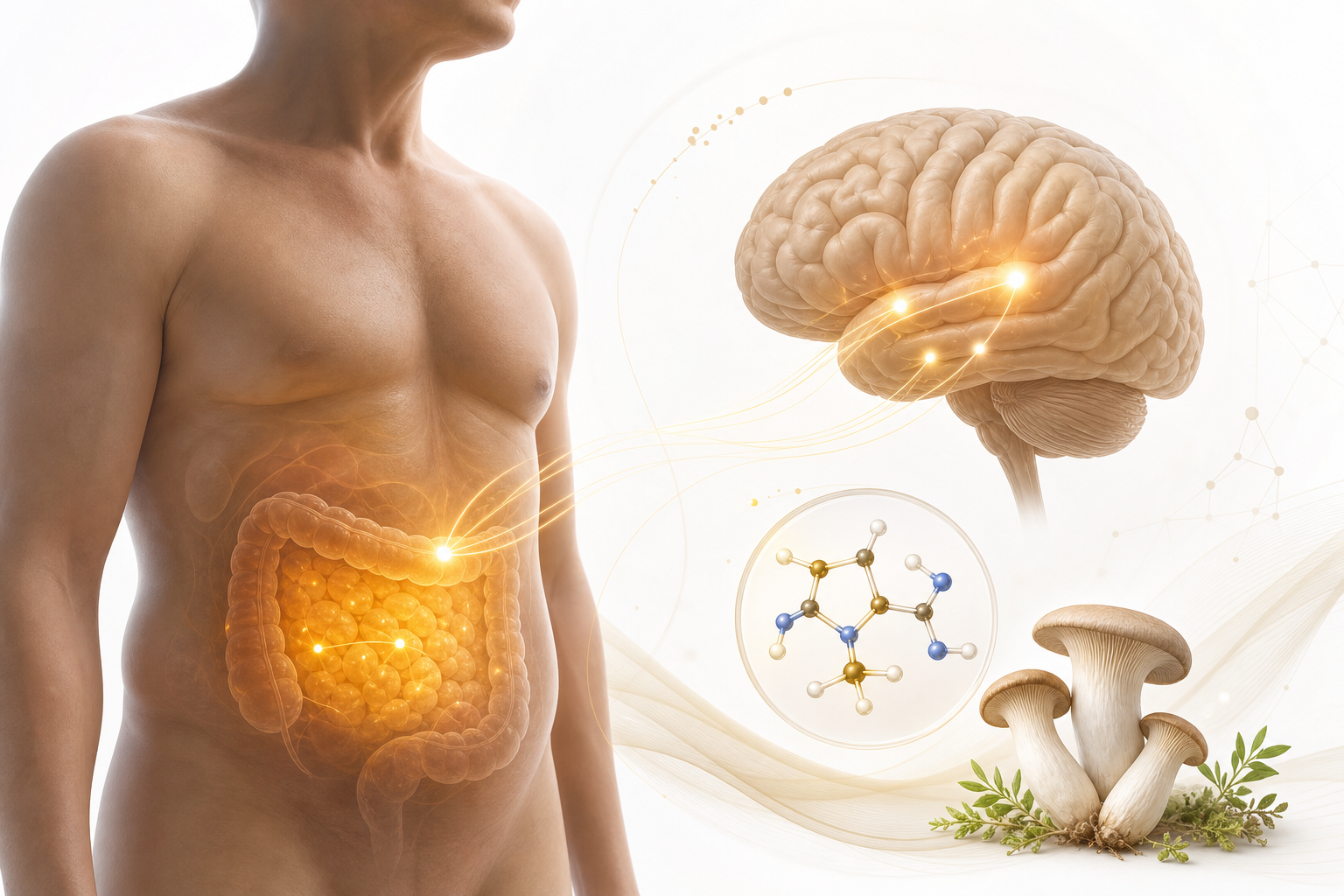
- Visceral fat is metabolically active and has been associated with insulin resistance, inflammation, and midlife brain-health markers.
- Ergothioneine is a mushroom-derived dietary antioxidant transported into tissues by OCTN1/SLC22A4, but it should not be described as an Alzheimer's treatment.
- The most responsible plan combines metabolic health habits, clinician guidance when needed, and realistic antioxidant support.
Content
The practical answer is not "take ergothioneine for belly fat or Alzheimer's." The better answer is that visceral fat, inflammation, metabolic health, and brain aging appear connected in research, while ergothioneine belongs in the antioxidant-resilience conversation. It may be part of a wellness routine, not a disease intervention.
What did the visceral fat and brain study suggest?
The original article was based on research highlighted by the Radiological Society of North America in 2023. In cognitively normal adults in midlife, researchers used abdominal MRI, brain MRI, and PET imaging to explore the relationship between body-fat distribution and Alzheimer's-related brain markers. RSNA reported that higher visceral abdominal fat was linked with higher amyloid uptake and greater brain inflammation burden, with changes appearing around age 50 on average [1].
A related published pilot study in Obesity examined cognitively normal middle-aged adults and reported that obesity and excess adiposity at midlife were associated with Alzheimer's disease pathology and neurodegeneration markers, including relationships involving visceral fat, insulin resistance, amyloid/tau uptake, and brain volume measures [2]. Pilot studies are useful for generating signals, but they are not the same as large intervention trials.
That distinction is essential. These findings do not mean that every person with belly fat will develop Alzheimer's disease, and they do not mean that a supplement can erase brain risk. They do suggest that body-fat location, metabolic health, inflammation, and brain aging should be discussed together. AIDEVI readers exploring related brain-health pathways may also find the article on metabolic wellness and brain-health support useful as a broader context.
The study also helps explain why BMI alone can be misleading. Two people can have the same BMI but different fat distribution, muscle mass, insulin sensitivity, sleep quality, and activity levels. A person with higher visceral fat may carry more metabolic stress than the scale suggests. For a practical reader, this shifts the conversation from appearance to health signals: waist pattern, blood markers, energy, sleep, and long-term brain and vascular resilience.
Why is visceral belly fat different from subcutaneous fat?
Subcutaneous fat sits under the skin. Visceral fat sits deeper, around abdominal organs. The difference matters because visceral fat is more metabolically active. It can participate in inflammatory signaling, insulin resistance, lipid changes, and broader cardiometabolic stress. That is why waist circumference, blood sugar, triglycerides, HDL cholesterol, blood pressure, and sleep patterns often tell a more useful story than body weight alone.
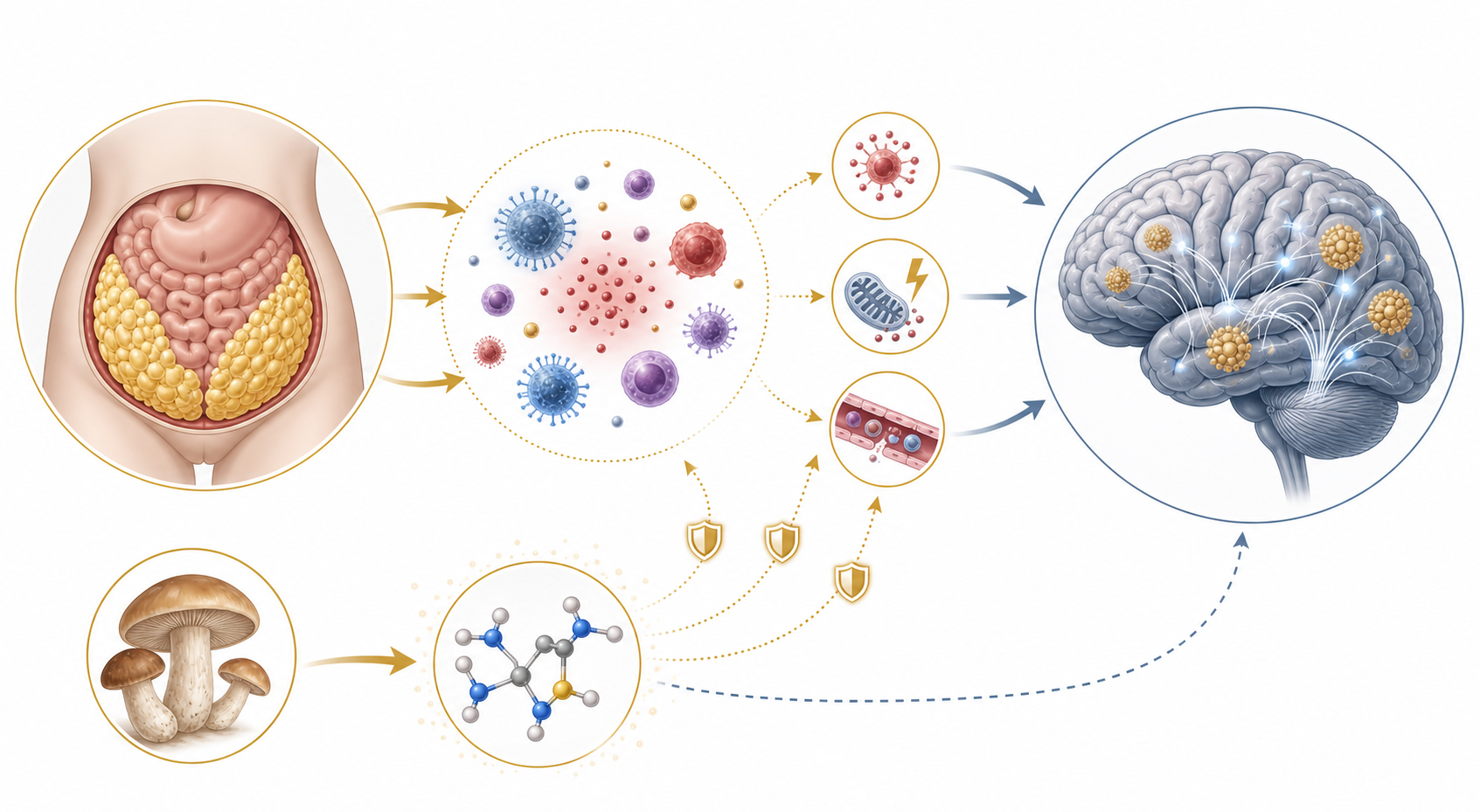
The brain connection is still being studied, but the proposed pathway is reasonable: visceral fat may contribute to inflammatory signals and metabolic stress, and those body-wide changes may influence brain vascular health, white matter integrity, and biomarker patterns. This is not a simple chain where belly fat directly "causes" Alzheimer's disease. It is a network of risk signals that deserves early attention.
Readers often ask whether reducing visceral fat would automatically improve brain outcomes. The honest answer is that long-term intervention evidence is more complex than that. Still, many habits that help reduce visceral-fat risk also support brain-health fundamentals: aerobic activity, strength training, better sleep, fiber-rich meals, blood sugar control, and cardiovascular risk management. That is why this topic belongs in a whole-person wellness article, not in a single-ingredient promise.
For supplement language, this means AIDEVI should avoid claiming that ergothioneine "tackles belly fat." Ergothioneine is not a fat-loss ingredient. If readers are interested in metabolic wellness, AIDEVI's guide asking whether NMN works for metabolic health is a better place to compare metabolic pathways and evidence boundaries.
Where does ergothioneine fit in?
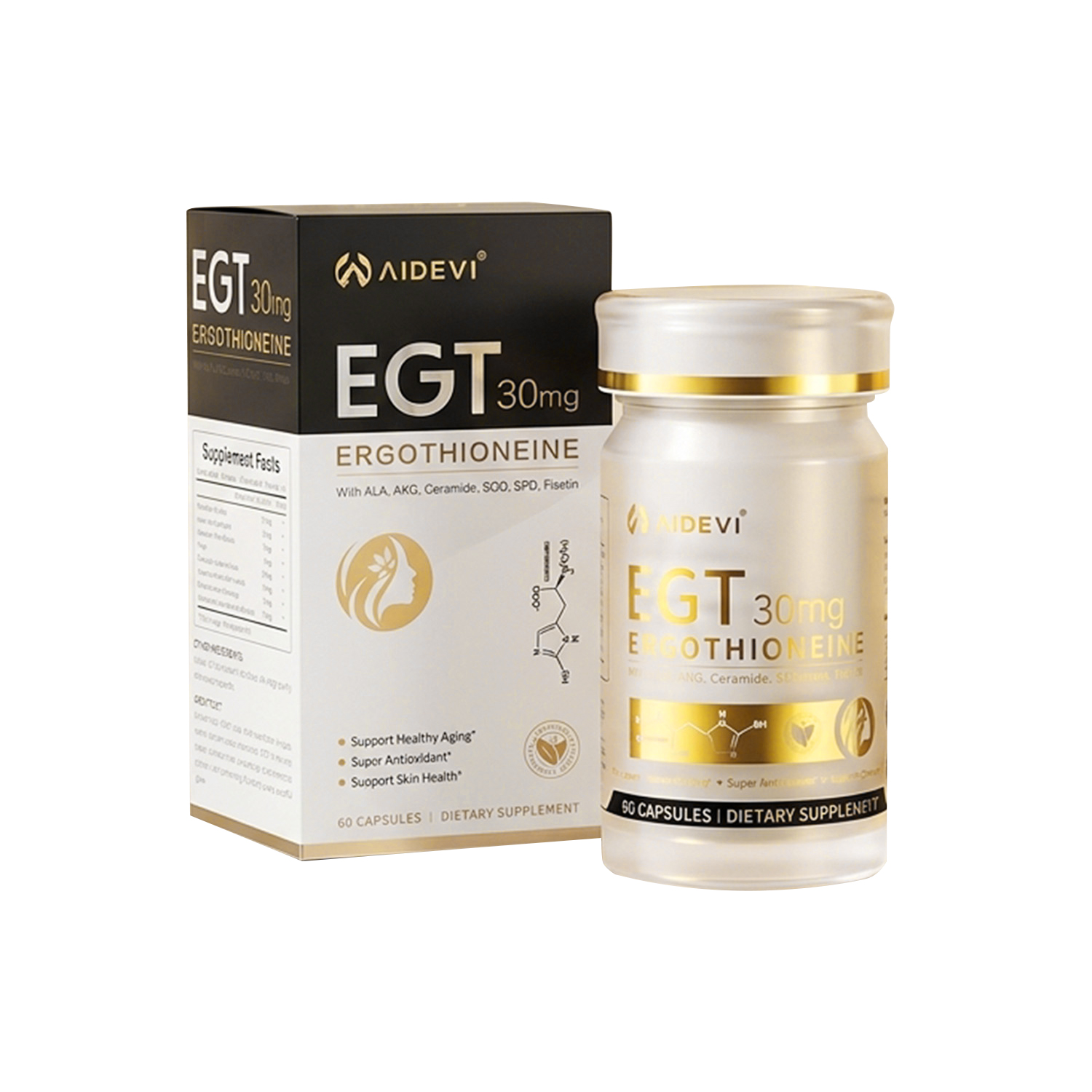
Ergothioneine, often shortened to EGT or ET, is a sulfur-containing dietary compound found especially in mushrooms. Humans do not synthesize meaningful amounts of it, but the body has a transporter called OCTN1, also known as SLC22A4, that helps move ergothioneine into tissues [3]. That transporter biology is one reason EGT attracts attention in antioxidant and healthy aging research.
EGT is discussed for antioxidant resilience because it can interact with oxidative stress pathways and is chemically stable compared with many thiol antioxidants. This does not make it a "master antioxidant" in a medical sense. A better phrase is that ergothioneine is a specialized dietary antioxidant being studied for cellular protection and healthy aging support. AIDEVI's overview of ergothioneine and healthy aging expands on this ingredient role.
Brain-health research is especially interesting but still cautious. In a Singapore memory-clinic cohort, lower plasma ergothioneine was associated with poorer baseline cognitive performance and faster decline in several cognitive domains over follow-up [4]. A Japanese population study also reported that higher serum ergothioneine was associated with more favorable dementia-risk patterns across long-term follow-up [5]. These are associations, not proof that a supplement changes the course of cognitive disease.
That said, EGT is a useful bridge ingredient because it connects diet, mushrooms, antioxidant resilience, and aging biology. It gives readers a way to think about nourishment beyond calories. The point is not that mushrooms or EGT override metabolic risk; the point is that brain-supportive routines often combine many small levers: nutrient density, metabolic fitness, antioxidant intake, vascular health, and early professional evaluation when symptoms appear.
For readers comparing antioxidants, EGT should be discussed as one option among many. Vitamin C, polyphenols, CoQ10, glutathione systems, astaxanthin, and diet-derived compounds all have different roles. AIDEVI's guide to the best antioxidant supplements for health support gives a broader view, while the daily antioxidant supplement guide helps readers think about practical fit.
What claims should AIDEVI avoid?
This topic sits near two high-risk claim areas: obesity and Alzheimer's disease. That means the safest article is the one that clearly separates research association, lifestyle support, ingredient education, and medical care. The goal is to help readers understand the science without implying that ergothioneine has direct effects on belly fat, brain inflammation, amyloid buildup, cognitive decline, or Alzheimer's disease.
| Reader question | Responsible answer | Avoid saying |
|---|---|---|
| Can EGT reduce belly fat? | EGT supports antioxidant resilience; fat loss depends on energy balance, movement, sleep, nutrition, and medical context. | EGT directly removes visceral fat. |
| Can EGT help Alzheimer's concerns? | EGT is being studied in cognition and healthy aging; people with memory concerns need professional evaluation. | EGT is an Alzheimer's disease intervention. |
| Is EGT the strongest antioxidant? | EGT has distinctive transporter biology and antioxidant properties, but antioxidant strength depends on context. | EGT is a universal master antioxidant for all health issues. |
This is also why direct comparisons should stay specific. A reader comparing EGT with astaxanthin may want the article on ergothioneine versus astaxanthin. A reader comparing it with grape seed extract may prefer AIDEVI's ergothioneine versus grape seed extract guide. Those comparisons are more useful than broad miracle language.
How can readers build a realistic routine?
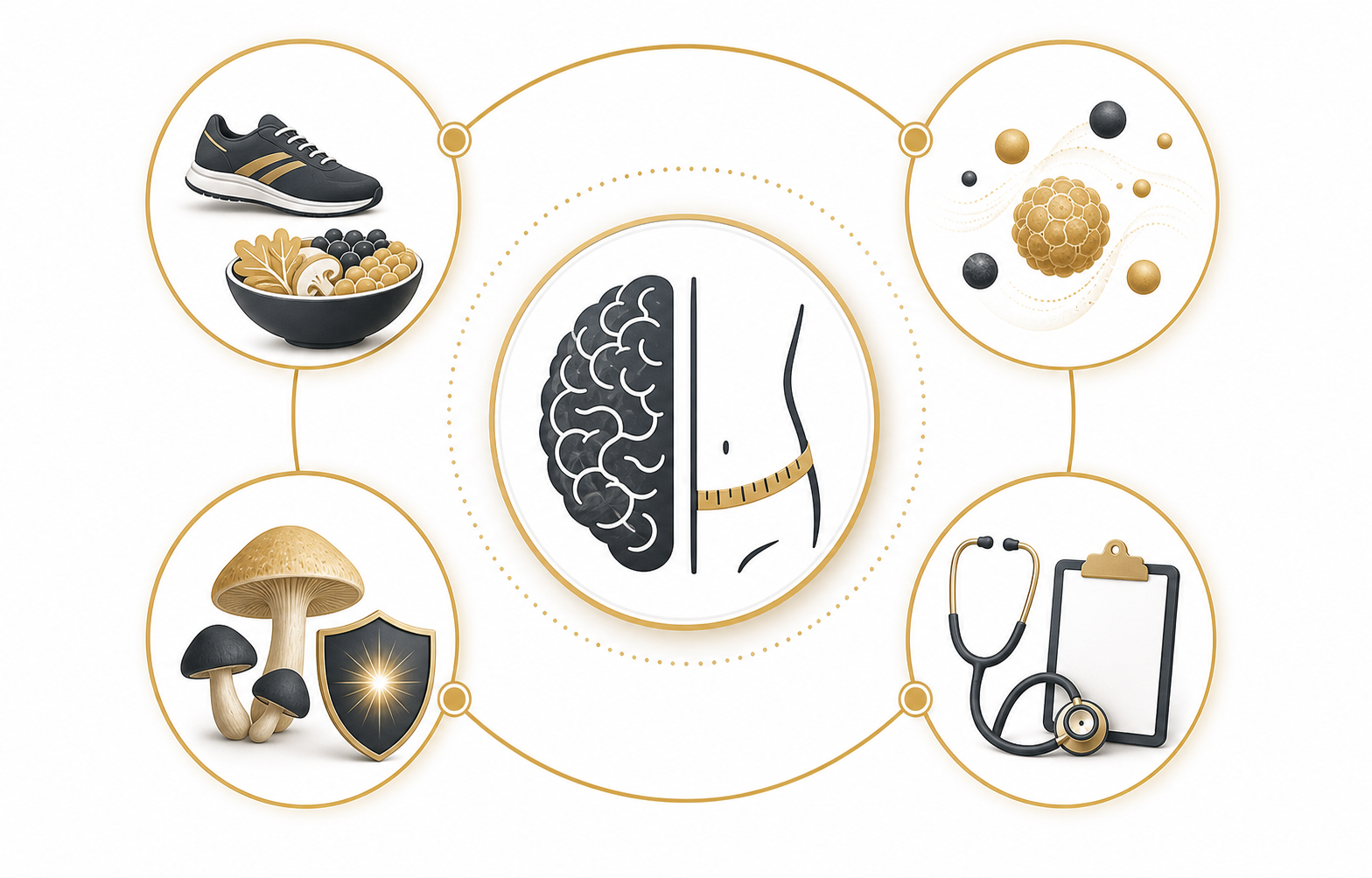
A practical routine starts with metabolic health. Prioritize regular movement, resistance training, a protein- and fiber-rich diet, consistent sleep, alcohol moderation, stress management, and routine medical screening. These habits address the body-wide context that makes visceral fat relevant in the first place. Supplements should sit on top of that foundation, not replace it.
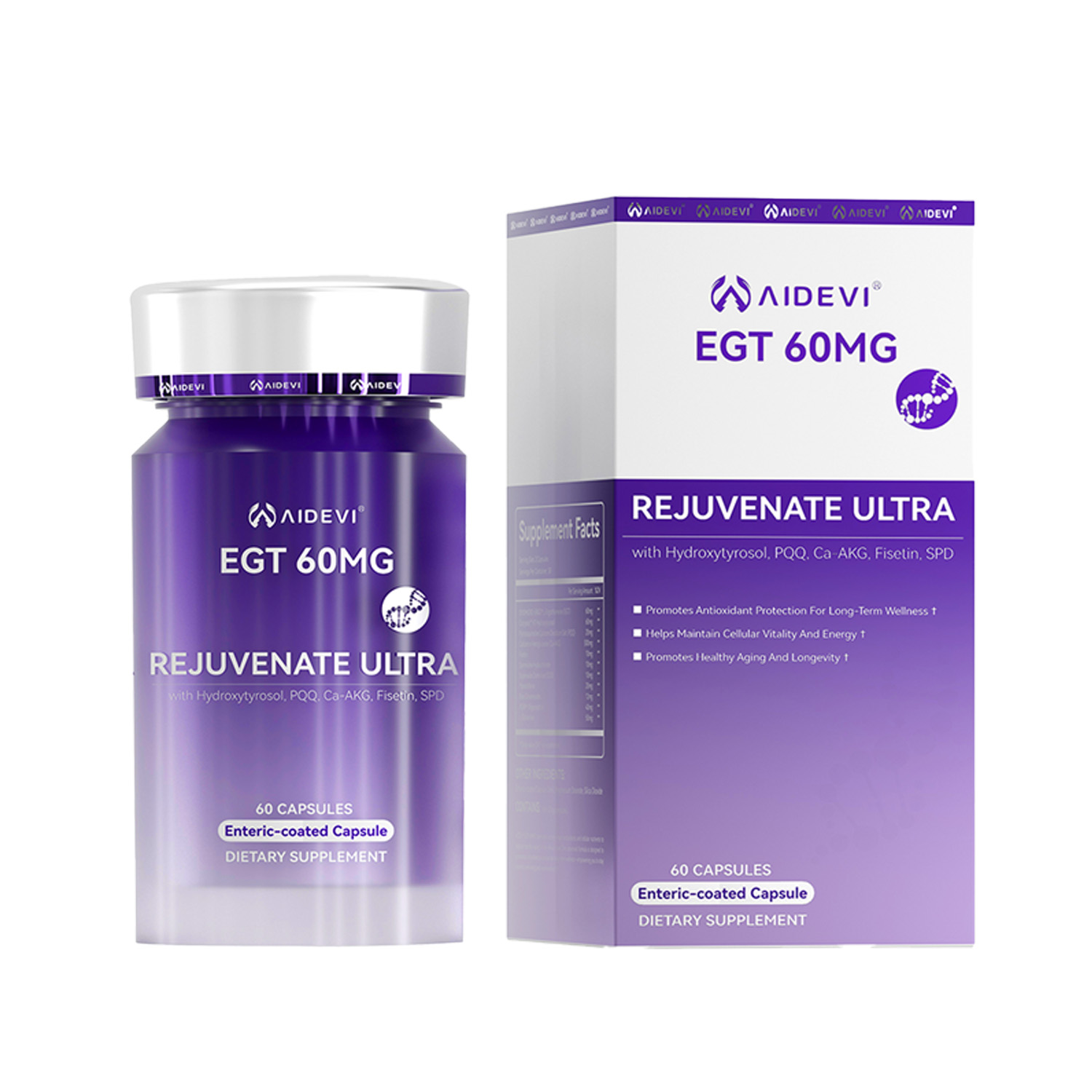
Then consider antioxidant support as one layer. Mushrooms provide dietary ergothioneine, and an EGT supplement may be useful for people who want a more consistent intake. The decision should still be personal: check medication use, pregnancy or nursing status, medical conditions, and overall supplement overlap. Individual results vary, and anyone with memory changes, metabolic disease, or neurological concerns should speak with a healthcare professional.
A simple tracking framework can help. First, track metabolic basics such as waist measurement trend, fasting glucose or A1C when recommended, blood pressure, and lipid profile. Second, track lifestyle anchors such as steps, resistance sessions, sleep regularity, and alcohol intake. Third, track cognitive and mood signals without self-diagnosing: forgetfulness that disrupts daily life, new confusion, changes in language, or sudden personality changes should lead to clinical evaluation. Fourth, review supplements for overlap instead of stacking every antioxidant at once.
This framework keeps the article useful for readers who are anxious about Alzheimer's headlines. It gives them something grounded to do without turning fear into a purchase trigger. For AIDEVI, that is the right tone: educate first, make ingredient roles clear, and keep medical red flags in view.
AIDEVI readers who want a broader cellular-aging path can continue with ergothioneine antioxidant education, then compare metabolic topics through the nmn and brain-health articles above. The best routine is not one dramatic ingredient. It is a consistent pattern that supports metabolic resilience, antioxidant defenses, and informed healthcare decisions.
Conclusion
The visceral fat and Alzheimer's biomarker research is important because it moves the conversation beyond body weight and toward body-fat distribution, inflammation, insulin resistance, and brain aging. It also gives wellness brands a responsibility: explain the connection without turning it into fear-based supplement marketing.
Ergothioneine may be a valuable antioxidant-support ingredient within a broader healthy aging routine, especially for readers interested in mushrooms, oxidative stress, and cellular resilience. It should not be positioned as a belly-fat solution or an Alzheimer's intervention. The strongest AIDEVI message is balanced: reduce risk factors where you can, support the body's antioxidant systems thoughtfully, and seek medical guidance when brain or metabolic concerns are present.
Frequently Asked Questions
Does belly fat cause Alzheimer's disease?
Research links midlife visceral fat with Alzheimer's-related biomarkers and brain inflammation markers, but association is not the same as direct cause. Genetics, vascular health, insulin resistance, lifestyle, and age also matter.
Can ergothioneine help with belly fat?
Ergothioneine should not be described as a belly-fat ingredient. It is better described as an antioxidant compound that may support cellular resilience as part of a broader wellness routine.
Is ergothioneine connected to brain health?
Some observational studies associate higher ergothioneine levels with better cognitive or dementia-risk patterns. These findings are promising, but they do not prove that EGT supplements treat or prevent cognitive disease.
Who should ask a healthcare professional first?
Anyone with memory changes, diagnosed cognitive impairment, diabetes, cardiovascular disease, obesity-related complications, pregnancy, nursing, medication use, or a neurological condition should seek professional guidance before starting a new supplement.
What is the best first step for brain and metabolic wellness?
Start with measurable basics: waist circumference, blood pressure, fasting glucose or A1C when appropriate, lipids, sleep quality, movement, and nutrition. Supplements make more sense after the foundation is clear.
References
- [1] Radiological Society of North America. Hidden belly fat in midlife linked to Alzheimer's disease. 2023. RSNA.
- [2] Dolatshahi M, et al. Alzheimer disease pathology and neurodegeneration in midlife obesity: a pilot study. PMC.
- [3] Cheah IK, Halliwell B. Ergothioneine, recent developments. Redox Biology. 2021. PMC.
- [4] Low plasma ergothioneine predicts cognitive and functional decline in an elderly cohort attending memory clinics. PMC.
- [5] Serum ergothioneine and risk of dementia in a general older Japanese population: the Hisayama Study. PMC.
These statements have not been evaluated by the Food and Drug Administration. This content is for educational purposes only and is not intended to diagnose, treat, cure, or prevent any disease. Dietary supplement decisions should be made with appropriate healthcare guidance, especially if pregnant, nursing, taking medication, or managing a medical condition.
