



AIDEVI Women's Wellness Guide
CoQ10 Benefits for Women: What It May Support, What Research Shows, and Safety
CoQ10 may support normal cellular energy production and antioxidant activity, but the evidence for specific benefits in women depends on the goal. Research is not strong enough to promise more energy, better blood sugar, improved fertility, fewer migraines, younger-looking skin, or better heart health for everyone. A responsible approach is to define one goal, follow the label, take it with food, and review health conditions and medications with a clinician.

- CoQ10 is naturally present in the body and participates in cellular energy processes and antioxidant systems.
- The most practical use is label-directed supplementation with a meal; food can improve absorption.
- Research is more specific for some fertility-treatment settings, while evidence for everyday fatigue, skin, heart, and blood sugar outcomes varies.
- Pregnancy, fertility treatment, diabetes, migraine, cardiovascular disease, and prescription medicines require professional guidance.
- CoQ10 is not a replacement for diagnosis, prescribed treatment, sleep, nutrition, movement, or follow-up testing.
Content
- What is CoQ10, and why are women interested in it?
- Can CoQ10 support energy and healthy aging?
- What does research say about blood sugar and heart-related goals?
- Does CoQ10 help female fertility?
- What about migraines, skin, and cognitive wellness?
- How much CoQ10 should women take?
- How should you choose a CoQ10 supplement?
- What safety and medication questions matter?
- Which CoQ10 approach fits your goal?
- What should you track?
- Conclusion
- Frequently Asked Questions
What is CoQ10, and why are women interested in it?
Coenzyme Q10, or CoQ10, is a naturally occurring compound found throughout the body. It is present in tissues with high energy demands, including the heart, liver, kidneys, and pancreas, and is sold in the United States as a dietary supplement. Its biological role in cellular energy and antioxidant activity is the reason it appears in conversations about vitality, healthy aging, fertility, migraines, and cardiometabolic wellness [1].
Women may search for CoQ10 during periods when energy, reproductive planning, migraine burden, or metabolic health becomes a greater concern. However, a plausible mechanism is not the same as a proven outcome. Feeling tired does not automatically mean that CoQ10 is low, and adding a supplement cannot identify or correct common causes such as inadequate sleep, anemia, thyroid problems, medication effects, stress, or an underlying illness.
The most defensible starting point is therefore modest: understand what CoQ10 does in the body, match evidence to a specific goal, and avoid treating a general wellness article as an individualized treatment plan.
Can CoQ10 support energy and healthy aging?
CoQ10 participates in mitochondrial energy production, the process cells use to convert nutrients into usable energy. It also functions in antioxidant systems. These facts support a structure-and-function explanation: CoQ10 helps maintain normal cellular processes. They do not prove that a supplement will create an immediate energy boost or reverse age-related changes.
For everyday fatigue, the evidence is not strong enough to promise a reliable benefit for all women. If tiredness is persistent, severe, or new, investigate the cause before assuming that a supplement is the answer. CoQ10 can be considered as one part of a broader wellness conversation, but sleep regularity, adequate food, movement, stress management, and medical evaluation generally deserve attention first.
This is also why “healthy aging” should be described carefully. CoQ10 may support normal cellular energy and antioxidant defenses, but no supplement has been shown to make every woman feel younger or protect every organ from aging. AIDEVI’s guide to natural NAD+ support habits offers a useful reminder that long-term routines are broader than one ingredient.
What does research say about blood sugar and heart-related goals?
Some randomized-trial reviews have reported improvements in measures such as fasting glucose, insulin, or HbA1c with CoQ10, particularly in people with diabetes or other glycemic concerns. A GRADE-assessed systematic review found an overall signal but also reflects a research population and dose range—not a universal recommendation for women who simply want steadier afternoon energy [2].
The practical meaning is limited and specific: CoQ10 should not replace diabetes care, blood glucose monitoring, prescribed medication, or a clinician’s nutrition plan. If you take insulin or other glucose-lowering medication, adding a supplement can change the context in which your readings are interpreted, so discuss it before starting.
Heart-related claims also need restraint. CoQ10 is biologically relevant to heart tissue, but the overall evidence for preventing heart disease or treating heart failure is inconclusive. It is better to describe CoQ10 as a compound studied for cardiovascular questions than to say it “makes the heart healthier” or lowers a woman’s risk by itself [1].
Does CoQ10 help female fertility?
Fertility is one of the more researched women-specific topics for CoQ10, but the evidence applies mainly to particular assisted-reproduction settings. A 2024 systematic review and meta-analysis of randomized trials in women with diminished ovarian reserve undergoing IVF or ICSI reported improvements in several intermediate outcomes, including retrieved oocytes and clinical pregnancy, while also noting limitations in study methods and the need for better trials [3].
That does not mean CoQ10 is a fertility treatment, establishes pregnancy success, improves egg quality for every woman, or reliably increases live birth rates. Another systematic review found a possible improvement in clinical pregnancy but no clear difference in live birth or miscarriage outcomes. The result is promising enough to discuss with a reproductive specialist, not strong enough to self-prescribe a high dose based on a blog.
If you are trying to conceive, preparing for IVF, using fertility medication, or have diminished ovarian reserve, ask the fertility team about timing, form, dose, and whether CoQ10 fits your treatment plan. Do not use a general supplement article to delay evaluation of infertility or to replace a prescribed protocol.
What about migraines, skin, and cognitive wellness?
A systematic review of randomized trials found that CoQ10 may reduce migraine frequency, while effects on attack severity and duration were less consistent [4]. This is a useful example of how to communicate evidence: a possible reduction in frequency is not the same as curing migraine or replacing a preventive plan. Anyone with new, severe, changing, or frequent headaches should seek appropriate medical evaluation.
For skin, CoQ10 is discussed because skin cells also rely on energy and antioxidant defenses. Topical cosmetic use and oral supplementation are different questions, and limited evidence should not be converted into claims that CoQ10 erases wrinkles, repairs sun damage, or guarantees firmer skin. Daily sunscreen, gentle skincare, adequate nutrition, and professional assessment of persistent skin changes remain more dependable foundations.
Cognitive wellness is similar. CoQ10 has a biologically plausible relationship to cellular energy, but limited research does not show that it stops memory loss or improves focus in healthy women. If memory, concentration, or mood changes are persistent, discuss them with a clinician rather than relying on a supplement stack.
How much CoQ10 should women take?
There is no single dose that fits every woman or every goal. Product labels, formulations, study designs, and clinical situations vary. Some glycemic studies have evaluated amounts around 100–200 mg per day, while fertility research may use different amounts and schedules. Those figures describe research contexts; they are not a universal starting prescription.
Use the smallest label-directed serving that matches the product’s instructions, and do not increase the dose simply because you feel tired or because a study used more. If a clinician recommends CoQ10 for a specific goal, follow that plan and ask whether the form, duration, and follow-up measure are clear.
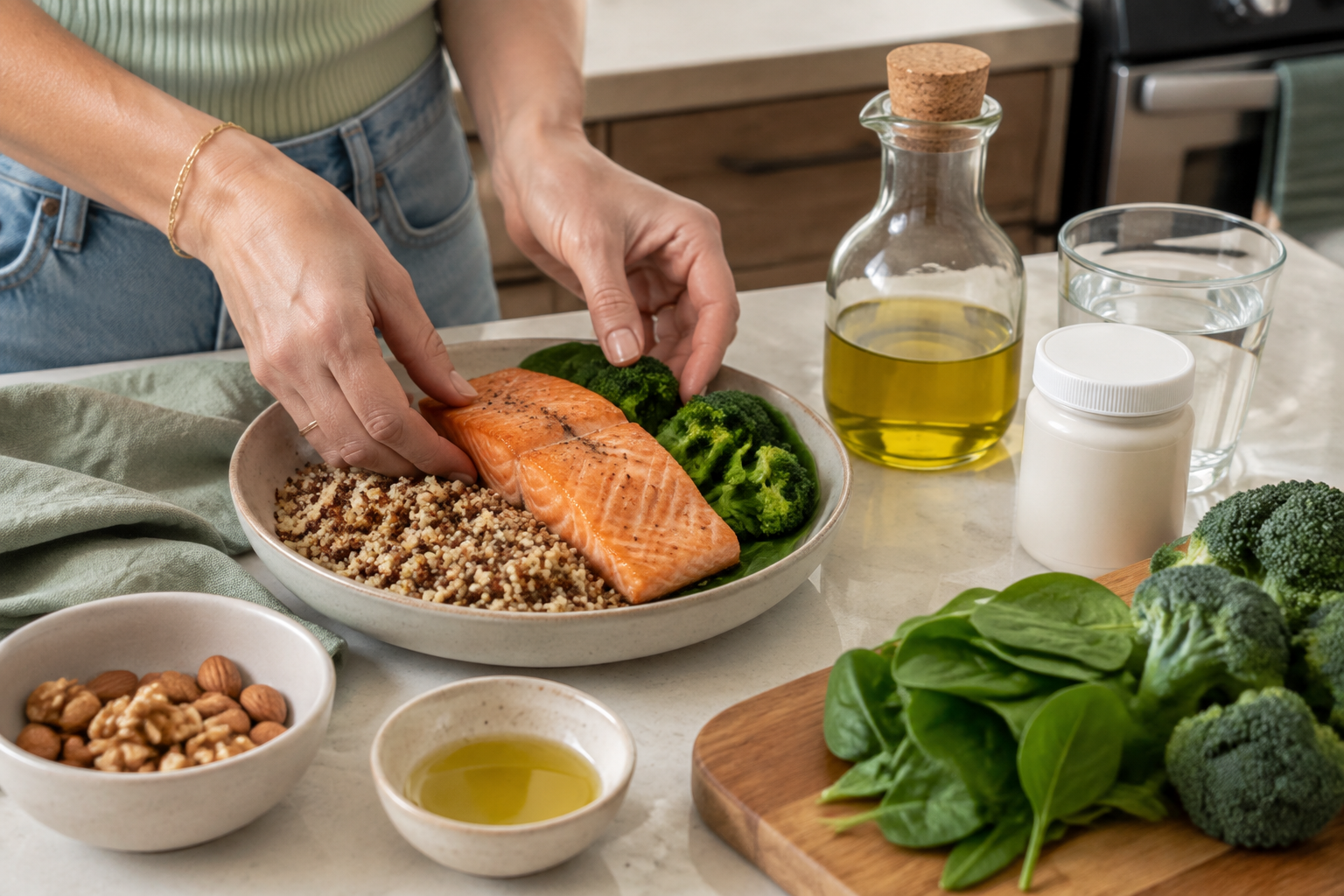
CoQ10 is fat-soluble, and food intake can improve intestinal absorption [5]. A normal meal that includes some fat—such as salmon, eggs, avocado, yogurt with nuts, or vegetables with olive-oil dressing—is a practical pairing. You do not need an unusually high-fat meal, and improved absorption does not guarantee a noticeable personal benefit.
How should you choose a CoQ10 supplement?
Start with ingredient clarity. Confirm whether the label uses CoQ10, coenzyme Q10, ubiquinone, or ubiquinol, note the amount per serving, and check whether the product is designed for one or more servings daily. Do not assume that a more expensive form is automatically better for your goal or that a larger number on the front label proves superior quality.
Then review the practical quality signals: lot or batch information, expiration date, storage directions, manufacturer contact, and accessible testing documentation. A certificate of analysis can help confirm identity or specifications, but it cannot prove that a supplement will produce a clinical outcome. AIDEVI’s certificate-of-analysis guide and supplement selection checklist provide a helpful framework for reading quality information.
If you are comparing CoQ10 with ingredients used in cellular-energy routines, keep the categories separate. AIDEVI’s explanation of NAD+ versus NMN can help clarify that those compounds are not the same as CoQ10 and do not create an automatic reason to combine products.
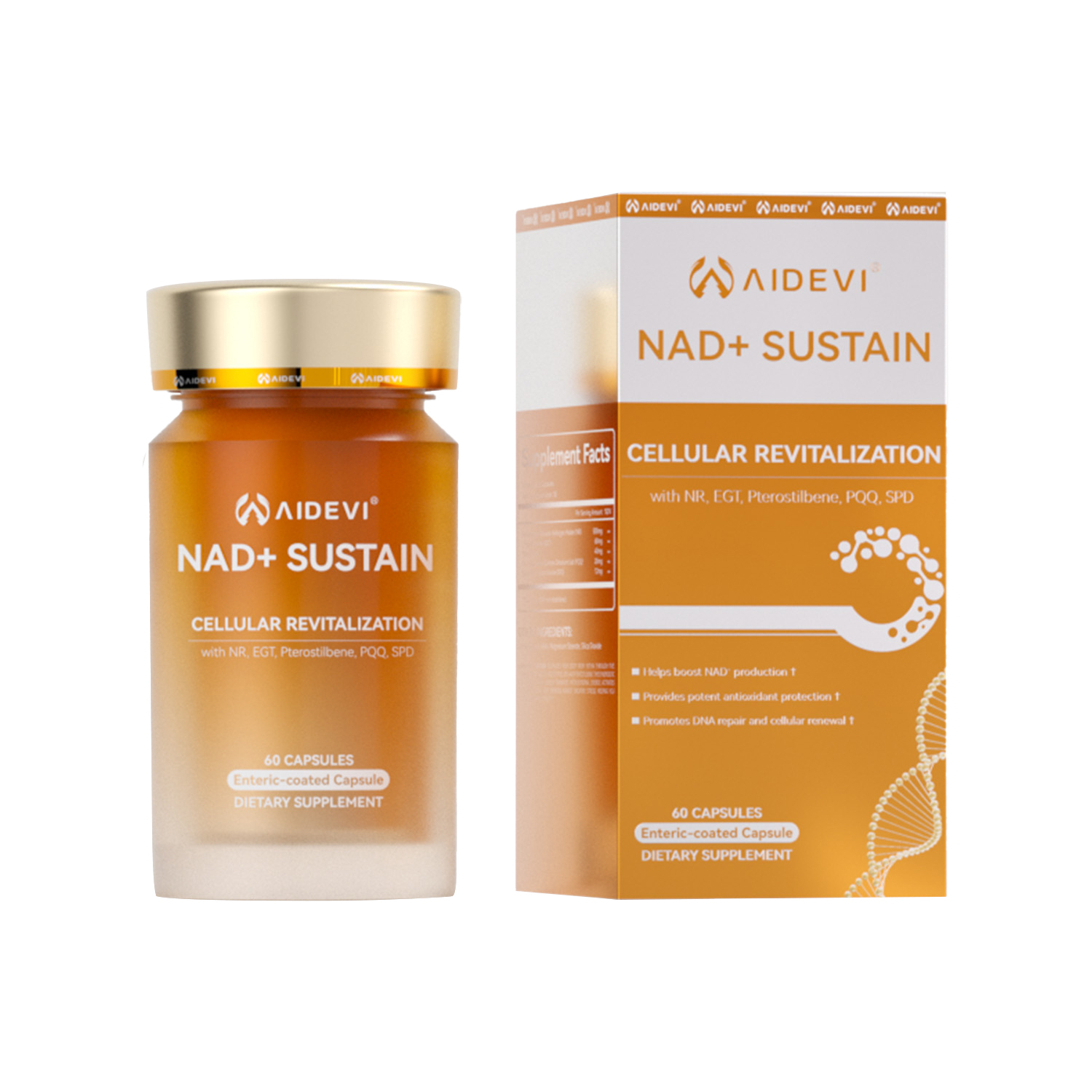
For a simple example of a different cellular-energy category, you can review AIDEVI’s NAD Sustain product information. It should be read as separate product context, not as evidence that CoQ10 needs to be paired with an NAD+ formula.
What safety and medication questions matter?
NCCIH describes CoQ10 as generally well tolerated, while noting that mild digestive upset or insomnia may occur. It also identifies potential interactions with warfarin, insulin, and some cancer treatments [1]. If you take a prescription medicine, ask a pharmacist or clinician before starting; changing the time of day is not a reliable way to avoid an interaction.
Pregnancy and breastfeeding deserve special caution because evidence for routine self-use is not sufficient to call CoQ10 universally safe. If you are pregnant, planning pregnancy, undergoing fertility treatment, nursing, preparing for a procedure, or managing diabetes, cardiovascular disease, migraine, liver or kidney problems, use professional guidance.
Do not stop a statin, insulin, anticoagulant, migraine medicine, or fertility medicine because an article mentions CoQ10. Seek advice if you develop persistent nausea, diarrhea, insomnia, unusual symptoms, or a suspected reaction. A clinician can decide whether the supplement is appropriate and whether another cause needs attention.

Which CoQ10 approach fits your goal?
Use this decision matrix to match the strength of the claim to the next sensible action.
| Potential goal | What research can and cannot say | Responsible next step |
|---|---|---|
| Everyday energy | Biological role is clear; a reliable fatigue benefit is not established for everyone. | Review sleep, nutrition, stress, and persistent-fatigue causes before escalating supplements. |
| Blood sugar or heart wellness | Some studies report biomarker changes; CoQ10 is not a substitute for medical care. | Review medication and monitoring needs with a clinician. |
| Fertility or IVF planning | Some assisted-reproduction studies are promising, but outcomes are not guaranteed or uniform. | Discuss dose, timing, and treatment fit with a reproductive specialist. |
| Migraines, skin, or cognitive wellness | Evidence is limited or goal-specific; it does not establish a cure or universal result. | Use standard evaluation and treatment first; consider CoQ10 only as a discussed adjunct. |
What should you track?
A short, consistent log is more useful than changing products every few days. Record the exact form, labeled serving, meal context, time taken, sleep, digestion, headache pattern if relevant, and any new medication or supplement. If your goal is blood sugar, fertility, or another clinical outcome, let your care team decide which measurements matter.
- Define one goal: “more energy” is less measurable than tracking afternoon fatigue, sleep, and daily function.
- Keep the meal stable: take CoQ10 with a consistent meal that contains some fat.
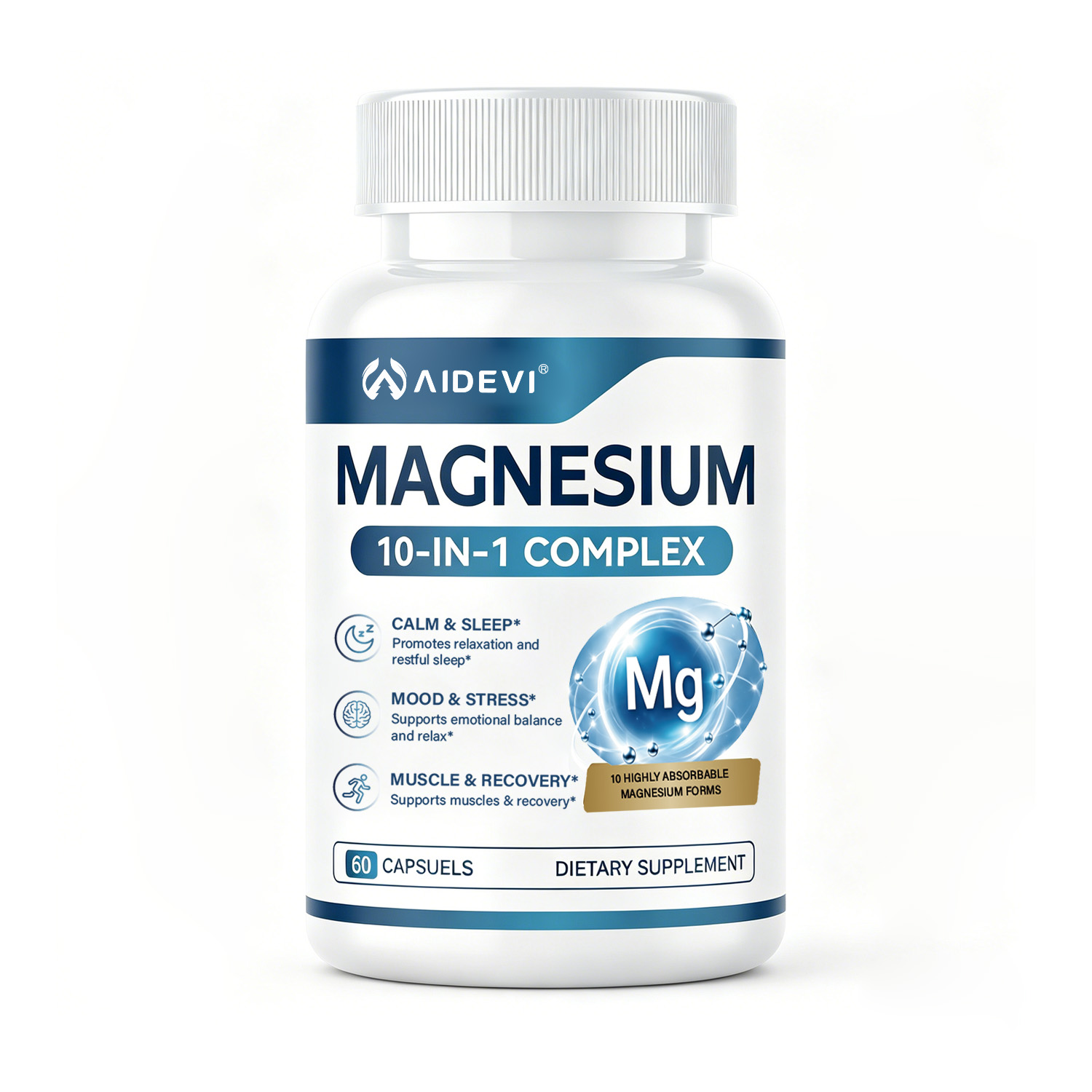
- Change one variable: do not add CoQ10, nmn, magnesium, and a new diet at the same time.
- Review the label: record the form and serving so later comparisons are meaningful.
- Stop when the risk changes: new symptoms, pregnancy, medication changes, or a planned procedure should trigger professional review.
Conclusion
CoQ10 is a biologically important compound that may support normal cellular energy and antioxidant functions. For women, the most useful evidence discussion is not a list of guaranteed benefits; it is a distinction between plausible support, specific research populations, and claims that remain uncertain. Fertility-treatment research deserves specialist discussion, while fatigue, blood sugar, migraines, skin, cognition, and heart-related goals require more individualized interpretation.
If you choose to try CoQ10, follow the label, take it with a meal, define one goal, and track tolerance. Ask a qualified healthcare professional before use during pregnancy or breastfeeding, fertility treatment, diabetes, cardiovascular care, migraine treatment, or any prescription medication.
Frequently Asked Questions
What is the main benefit of CoQ10 for women?
Its clearest biological role is supporting cellular energy processes and antioxidant systems. Specific outcomes such as more energy, better fertility, improved blood sugar, or younger-looking skin depend on the person and the evidence for that goal.
Can CoQ10 help with fatigue?
It may be considered as part of a wellness routine, but persistent fatigue has many possible causes and CoQ10 is not a guaranteed solution. Seek an appropriate evaluation instead of assuming fatigue means CoQ10 is low.
Does CoQ10 improve fertility?
Some studies in women undergoing IVF or ICSI, especially with diminished ovarian reserve, report promising intermediate outcomes. This does not guarantee pregnancy or live birth, so discuss it with a fertility specialist.
Can women take CoQ10 during pregnancy?
Do not assume it is appropriate during pregnancy or breastfeeding. Safety and treatment context should be reviewed with an obstetric clinician or another qualified healthcare professional.
Should CoQ10 be taken with food?
A meal containing some fat is a practical choice because food can improve absorption. Follow the specific product label, and do not force a large or unusually fatty meal.
Can CoQ10 be taken with medication?
CoQ10 may interact with warfarin, insulin, and some cancer treatments. If you take prescription medication, ask a pharmacist or clinician before starting, rather than relying on a timing adjustment.
References
- [1] National Center for Complementary and Integrative Health. Coenzyme Q10.
- [2] Jafari M, et al. Effects of coenzyme Q10 supplementation on glycemic control: a GRADE-assessed systematic review and dose-response meta-analysis of randomized controlled trials.
- [3] Zhang H, et al. Clinical evidence of coenzyme Q10 pretreatment for women with diminished ovarian reserve undergoing IVF/ICSI: a systematic review and meta-analysis.
- [4] Parohan M, et al. Effect of coenzyme Q10 supplementation on clinical features of migraine: a systematic review and dose-response meta-analysis of randomized controlled trials.
- [5] Ochiai A, Itagaki S, Kurokawa T, et al. Improvement in intestinal coenzyme Q10 absorption by food intake. Yakugaku Zasshi.
These statements have not been evaluated by the Food and Drug Administration. This product is not intended to diagnose, treat, cure, or prevent any disease.
