








Choosing an nmn Supplement: Evidence, Quality & Safety
There is no single “best” NMN supplement for everyone. A useful choice starts with a clear label, a formula you can compare with human research, and quality records that match the product and batch. The evidence also needs perspective: NMN can raise NAD-related markers in blood, but that result does not prove that a supplement slows aging or delivers broad health benefits. This guide explains how to evaluate an NMN product without relying on anti-aging promises, vague certificates, or dose claims that go beyond the studies.

Quick answer: Compare the NMN amount per serving, the complete ingredient list, the lot-specific test report, and the product’s cost per serving. Treat changes in NAD+ as a biomarker finding, not proof of longer life, disease prevention, or a visible age reversal. No supplement has been established as the “best” NMN product through head-to-head clinical trials.
What does human research currently say about NMN?
Nicotinamide mononucleotide (NMN) is involved in the body’s pathway for making nicotinamide adenine dinucleotide (NAD+), a molecule used in many cellular reactions. Oral NMN has been studied in randomized trials, and some trials report higher NAD-related measurements after supplementation. That is evidence of a biological response; it is not the same as showing that a person feels more energetic, functions better, avoids disease, or lives longer.
A 2026 systematic review and meta-analysis included 15 randomized trials, with doses from 250 to 2,000 mg per day and study periods from 14 days to 24 weeks. The review found no clear increase in adverse events in the available short-term studies, but it did not find significant benefits across several broad metabolic measures, including fasting glucose, HbA1c, lipid profiles, body weight, and systolic blood pressure. The authors called for larger, longer trials. These study doses describe what researchers tested; they are not a personal dosing recommendation or proof that every product at those amounts is safe or effective.[1]
A randomized, double-blind trial published in September 2026 adds a longer study in adults aged 65 and older. Participants received 1,250 mg daily or placebo for 24 weeks. NMN increased circulating NAD+ and related metabolites, but the study did not find a significant improvement in its primary hearing outcome or physical performance measures. Other changes were exploratory and did not remain significant after correction for multiple comparisons. The study was funded by the company that supplied the NMN. This is useful new evidence, but it still does not show that NMN slows human aging or that the tested dose is suitable for general use.[2]
The practical takeaway is to keep three questions separate: Did the ingredient change a biomarker? Did it improve a meaningful health outcome? And does the particular retail product match the preparation used in the study? A “yes” to the first question cannot answer the other two by itself.
A seven-point checklist for comparing NMN products
1. Read the serving size before comparing milligrams
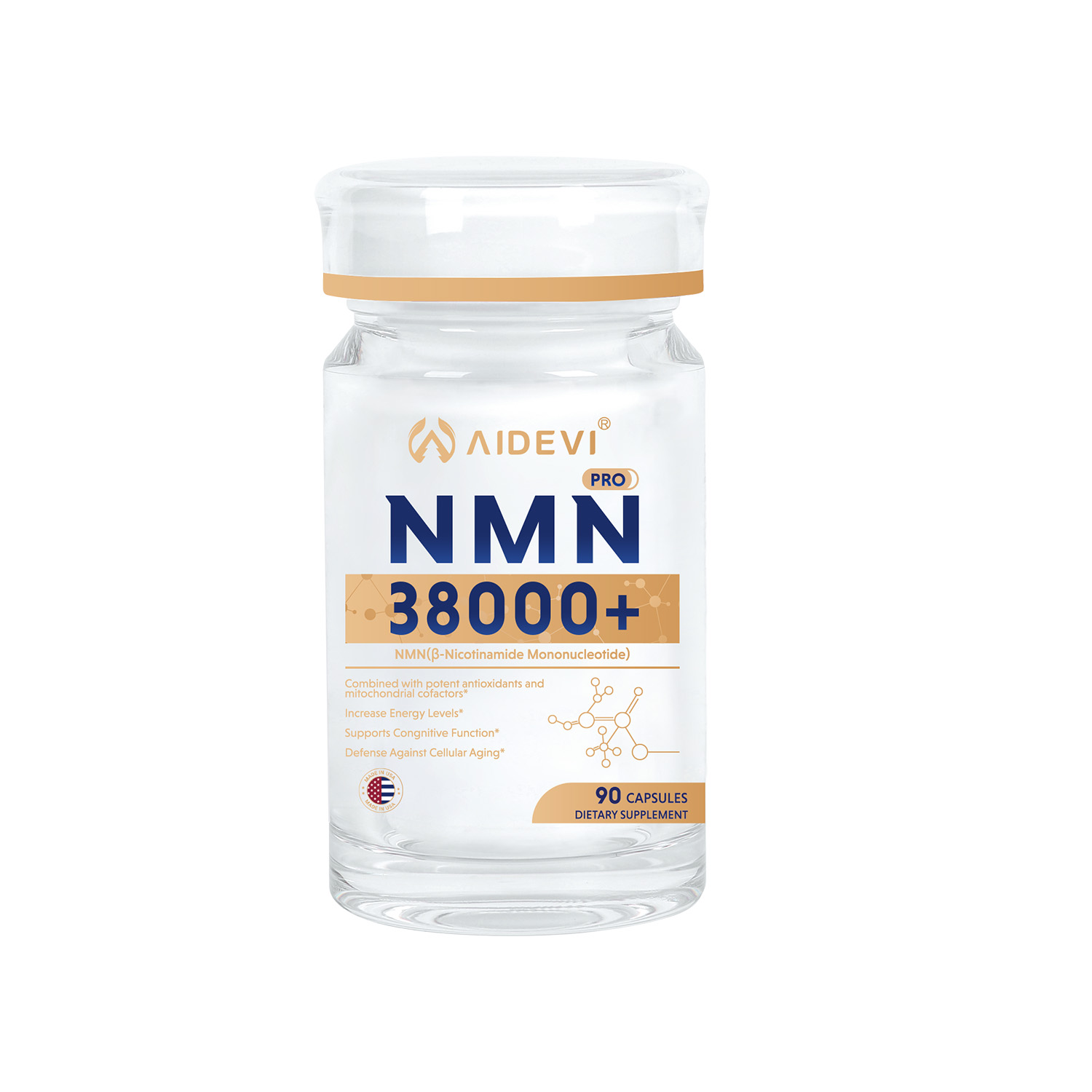
Check how much NMN is in one serving, how many capsules or scoops make that serving, and how many servings are in the container. “300 mg per capsule” and “600 mg per two-capsule serving” can describe the same amount. A large number on the front of a bottle may refer to the total amount in the entire bottle rather than the daily serving. Use the Supplement Facts panel and the directions on the specific package, not just the headline on a product page.
2. Compare the formula with the study, not just the ingredient name
When a brand says its amount is “clinically studied,” look for the cited human trial and compare the actual NMN preparation, amount, schedule, duration, participants, and outcome measured. A trial of one preparation does not automatically validate a different product, delivery system, or multi-ingredient blend. If a study tested NMN alone, its results cannot establish the effects of NMN combined with resveratrol, PQQ, plant extracts, or other actives.
Research doses have varied, and study populations have differed. There is no established age-based NMN dose that applies to everyone, and a higher amount is not automatically better. Do not increase a serving to match a trial or to chase a promised outcome without first discussing your circumstances with a qualified healthcare professional.
3. Look for a complete, transparent ingredient label
The label should identify the amount of NMN per serving and disclose other active ingredients and their amounts. It should also list other ingredients such as capsule materials, fillers, flavors, and processing aids where required. A proprietary blend that hides individual amounts makes it harder to compare a formula with research or to notice ingredients you already use. Be cautious when a product page gives a list of benefits but not a complete label.
Combination products deserve extra scrutiny. Adding resveratrol, PQQ, or another ingredient does not prove synergy. Each ingredient may have a different evidence base, safety profile, and tested amount. A larger ingredient list can make it harder to identify which ingredient is responsible for a benefit or unwanted effect.
4. Ask whether the quality report matches the bottle
A certificate of analysis (COA) is most useful when it names the product, batch or lot number, test date, issuing laboratory, methods, specifications, and measured results. Check that the lot number matches the package you would receive and that the report covers the finished product if you want information about that finished product. A raw-material report alone does not establish the composition of the final capsule or blend.
Read what was actually tested. Depending on the report, this might include identity or strength of NMN, heavy metals, microbes, or other contaminants. A report that merely lists specifications without actual results does not show that a particular lot passed those tests. A COA documents the stated checks; it does not prove clinical effectiveness or guarantee that every bottle or future lot is identical.
5. Understand what certificates and acronyms mean
These terms are not interchangeable: a COA is an analysis document; GMP refers to manufacturing practices and controls; SGS is the name of a testing, inspection, and certification organization; and COO commonly means certificate of origin. A facility registration or an inspection record is not the same as FDA approval of a supplement. Ask who issued a document, which facility or product it covers, whether it is current, and whether its scope matches the claim being made.
In the United States, FDA does not approve dietary supplements or their labels before they are marketed, and it does not routinely test supplements before sale. Manufacturers are responsible for meeting applicable requirements, and FDA can take action when products violate the law. FDA’s September 2025 response also stated that it no longer considered NMN excluded from the dietary supplement definition under the statutory provision discussed in its earlier interpretation. That regulatory position does not mean FDA has approved a particular NMN brand, product, label, or health claim.[3][4]
6. Choose a format based on what has been studied and what the label supports
Most published human NMN research has used oral preparations. That makes an oral capsule or powder easier to compare with the current clinical literature, but it does not prove that capsules are superior to every other format. Claims that liposomal, sublingual, nasal, or topical NMN has better absorption or better outcomes need direct evidence for that formulation and route. Marketing language about “maximum bioavailability” is not a substitute for comparative human data.
For day-to-day use, consider practical details such as a format you can take consistently, clear storage instructions, a sealed package, and a reasonable expiration date. Convenience can help you evaluate a product, but it should not be presented as proof of efficacy.
7. Compare the real cost per serving
Divide the price by the number of servings, then check the amount of NMN per serving and the rest of the formula. Cost per bottle alone can be misleading when package sizes and serving directions differ. A lower cost per milligram does not tell you whether the product was tested, whether the label is clear, or whether the ingredient has been shown to produce a health outcome you care about.
Red flags in NMN marketing
- Promises to reverse aging, extend lifespan, prevent disease, or guarantee more energy or a younger appearance.
- Claims that a supplement or its health benefits are “FDA approved,” “FDA certified,” or “FDA reviewed” without precise, verifiable context.
- A certificate that has no matching product name, batch number, laboratory, date, method, or test results.
- A dose presented as proven for everyone or tailored to age without a relevant clinical guideline.
- A study citation that does not link to a human trial, tests a different ingredient or formula, or measures only a blood marker while the marketing promises a clinical benefit.
- Pressure to buy a subscription or combination formula before you can see the complete label and quality information.
Disease-treatment claims are especially serious. NMN products should not be used instead of prescribed care or marketed as treatments for conditions such as diabetes, heart disease, or cognitive disorders. If an article or product page makes those promises, look for the underlying evidence and seek advice from a healthcare professional.
Safety: what is known and what remains uncertain
The clinical trials available so far generally cover weeks or months, not years. The 2026 review found no clear increase in adverse events in the short-term trials it analyzed, and the 24-week older-adult trial reported that high-dose NMN was generally well tolerated under study monitoring. These findings are reassuring within those study conditions, but they do not establish lifelong safety, safety for every health condition, or safety for every product quality and formula.
Ask a healthcare professional or pharmacist before using NMN if you take medicines, have a medical condition, are pregnant or breastfeeding, or are considering combining multiple supplements. Bring the full label and serving directions. Do not stop, replace, or change a prescribed medicine because of supplement information online. If you experience a concerning reaction, stop using the product and seek medical advice.

Frequently asked questions
What should I look for in a good NMN supplement?
Start with a complete label, a clearly stated amount per serving, a batch-specific report with actual results, and claims that match the available human evidence. Then compare the formula, serving count, storage details, and cost. No single certificate or milligram number can establish that a product is the right choice for you.
Does a higher NMN dose work better?
That has not been established as a general rule. Researchers have tested a range of amounts in different populations and for different outcomes. A higher research dose does not prove greater real-world benefit, and it should not be used as an individual dosing target. Follow the product label and discuss personal use with a qualified healthcare professional.
Are capsules better than sublingual or liposomal NMN?
Human trials have mainly studied oral NMN, including capsules and powders. There is not enough direct comparative evidence to say that one delivery format is best for everyone or that an alternative format reliably improves absorption or health outcomes.
Does a COA mean an NMN supplement is effective?
No. A COA reports the test results and scope stated in that document, usually for a particular lot or ingredient. It can help assess identity, strength, or selected contaminants, but it does not show that NMN improves a health outcome or slows aging.
Has FDA approved NMN supplements?
No. FDA does not approve dietary supplements or their labels before sale. FDA’s 2025 statement about NMN addressed whether the ingredient was excluded from the statutory definition of a dietary supplement; it was not approval of any brand, formula, or efficacy claim. Check the current label and quality records, and do not treat “FDA registered” as a product endorsement.
Can NMN supplements slow aging?
Human studies have not established that NMN slows aging or extends lifespan. Some trials show increases in blood NAD-related markers, while evidence for broader functional benefits remains limited and inconsistent. Biomarker changes should not be presented as proof of an anti-aging effect.
A simple decision rule
Before choosing, check four things: the amount per serving, the complete formula, a quality report that matches the lot, and claims that stay within the evidence. If a seller cannot provide clear answers, keep comparing. NMN research is developing, and a careful choice should leave room for uncertainty instead of promising a result that studies have not established.
References
- Yang W, et al. Safety and Metabolism-Related Outcomes of Oral Nicotinamide Mononucleotide Supplementation in Adults: A Systematic Review and Meta-Analysis. Nutrients. 2026. View the PubMed record.
- Igarashi M, et al. Sustained NAD+ augmentation by high-dose nicotinamide mononucleotide supplementation in older adults: a 24-week randomized, double-blind, placebo-controlled trial. npj Aging. 2026. Read the study.
- U.S. Food and Drug Administration. Questions and Answers on Dietary Supplements. Read FDA guidance.
- U.S. Food and Drug Administration. Response to Council for Responsible Nutrition citizen petition regarding β-NMN, September 29, 2025. Read FDA’s letter.
- Zhang J, et al. Efficacy of oral nicotinamide mononucleotide supplementation on glucose and lipid metabolism for adults: a systematic review with meta-analysis on randomized controlled trials. Critical Reviews in Food Science and Nutrition. 2025. View the PubMed record.
Disclaimer: This article is for general educational purposes and is not medical advice. Dietary supplements are not intended to diagnose, treat, cure, or prevent disease. Talk with a qualified healthcare professional before starting a supplement, especially if you take medication or have a medical condition.
