




How to Support Cellular Health Naturally: Food, Movement, Sleep, and Stress
Supporting cellular health is less about finding one “cell-boosting” product and more about building a routine that helps your body meet everyday demands. A varied eating pattern, regular physical activity, consistent sleep, stress recovery, hydration, and appropriate medical care provide a stronger foundation than any single supplement. NAD+ and nmn research is relevant, but it should be read as an emerging science area rather than a promise of age reversal or disease prevention.
At a glance: Cells need energy, nutrients, healthy fluid balance, and time for repair and adaptation. Start with habits you can repeat: build meals around whole foods, move throughout the week, protect a regular sleep window, and practice a realistic stress-recovery technique. Supplements may be considered later, but they do not replace these foundations.
Content
- What cellular health means
- How nutrition supports daily cell function
- Why movement matters for energy and adaptation
- How sleep fits into recovery
- How to build stress recovery into the day
- Where NAD+, NMN, and supplements fit
- A simple routine and tracking framework
- Frequently Asked Questions
What does cellular health mean?
Cellular health is a broad educational term, not one consumer test or a single number. It can refer to how cells produce and use energy, maintain their membranes, respond to stress, communicate with neighboring cells, and replace or repair components over time. Different tissues also have different demands, so a result measured in blood does not automatically describe every organ.
This distinction matters because wellness marketing often turns a complex biological process into a simple promise. Feeling tired, having poor sleep, or noticing a change in exercise performance can have many causes. It is not reliable to assume that one problem is caused by “damaged cells” or low NAD+. Persistent or worsening symptoms deserve a proper conversation with a qualified healthcare professional.
A useful framework is to focus on inputs that support several systems at once: nourishing food, regular movement, adequate sleep, and recovery from stress. These actions are not dramatic, but they are measurable and repeatable. They also help you evaluate any supplement more clearly because you are not asking one capsule to carry the entire routine.
| Support area | Practical focus | What to avoid assuming |
|---|---|---|
| Nutrition | Variety, adequate protein and fiber, and mostly minimally processed foods. | One “superfood” can repair every cell. |
| Movement | Aerobic activity, strength work, and less uninterrupted sitting. | More intensity is always better. |
| Sleep | A consistent sleep opportunity and a bedroom that supports rest. | A supplement can compensate for chronic sleep loss. |
| Stress recovery | Brief, repeatable practices such as slow breathing, a walk, or social connection. | Relaxation replaces care for persistent anxiety or other symptoms. |
How does nutrition support cellular health?
Cells require energy and raw materials from food. A practical eating pattern includes a range of vegetables and fruits, legumes, whole grains, nuts and seeds, and appropriate sources of protein. Fish, eggs, dairy, or fortified and plant-based alternatives can be included according to dietary preference and health needs. The goal is variety and adequacy, not perfection.
Colorful produce contains vitamins, minerals, fiber, and plant compounds that contribute to an overall nutritious eating pattern. Antioxidants are part of food chemistry, but the phrase “fights free radicals” should not be turned into a promise that a food or capsule prevents aging. The National Institute on Aging provides a useful overview of food groups, vegetables, legumes, and whole grains for healthy eating across adulthood [1].
Instead of adding a long list of isolated antioxidant supplements, begin with one meal upgrade. Add beans to a grain bowl, place fruit beside breakfast, include leafy greens at lunch, or keep unsalted nuts available for a snack. These changes are more useful when they replace a less nourishing option and fit your budget, culture, appetite, and schedule.
Hydration also supports normal body function, but more water is not automatically better. Drink regularly and increase intake when heat, exercise, illness, or medical advice changes your needs. People with heart, kidney, or other conditions that affect fluid balance should follow individualized guidance rather than a generic “drink as much as possible” rule.

Why does movement matter for cellular energy?
Physical activity gives the body a repeated stimulus to adapt. Walking, cycling, swimming, dancing, and other aerobic activities challenge the systems that deliver and use oxygen. Resistance training adds a different stimulus for muscles, balance, and functional capacity. You do not need one “perfect” workout to support a healthy routine.
For substantial health benefits, the World Health Organization recommends that adults accumulate 150 to 300 minutes of moderate-intensity aerobic activity per week, or 75 to 150 minutes of vigorous activity, plus muscle-strengthening activity on at least two days per week. These are population-level guidelines, not a personal prescription [2].
If you are starting from a low baseline, use a smaller entry point: take a ten-minute walk after one meal, stand up during long work blocks, or perform a few controlled strength movements with professional instruction. Increase gradually. If you have chest pain, fainting, unusual shortness of breath, or a known medical condition, ask a healthcare professional how to exercise safely.
How does sleep fit into cellular recovery?
Sleep is a normal biological state that supports attention, mood, metabolism, immune function, and recovery. It is not accurate to describe sleep as a simple overnight detox or to promise that a supplement will extend deep sleep. A consistent opportunity for sleep is a more reliable starting point than chasing a single product.
The National Heart, Lung, and Blood Institute notes that most adults need about 7 to 9 hours of sleep per night, although individual needs vary. Try keeping wake time reasonably consistent, dimming bright light before bed, limiting caffeine late in the day, and keeping the bedroom cool, quiet, and dark [3].
If you regularly snore loudly, wake gasping, cannot stay awake during the day, or have persistent insomnia, seek medical guidance. Those patterns may need evaluation rather than a wellness supplement. AIDEVI’s article on natural ways to support NAD+ levels can be used for related lifestyle reading, but it should not replace an assessment of ongoing sleep problems.
How can you build stress recovery into the day?
Stress is a normal response to demands, but a routine with no recovery time can make healthy behaviors harder to maintain. The goal is not to eliminate every stressful event. It is to create short transitions that help you return to a calmer baseline and protect time for sleep, food, movement, and relationships.
Choose one method that is easy to repeat: five slow breaths between meetings, a brief walk without a phone, progressive muscle relaxation, journaling, prayer, meditation, or a conversation with someone you trust. The National Center for Complementary and Integrative Health describes relaxation techniques as generally safe for healthy people while noting that evidence and suitability vary by condition [4].
Use these practices as supportive tools, not as a reason to delay care. If anxiety, low mood, trauma symptoms, or physical symptoms persist or interfere with daily life, contact a qualified professional. A breathing exercise can be useful without being a treatment for every cause of distress.
Where do NAD+, NMN, and supplements fit?
NAD+ is a coenzyme involved in redox reactions and energy metabolism. NMN and NR are related compounds studied as NAD+ precursors. This makes them relevant to cellular-health research, but a plausible pathway is not the same as a proven consumer outcome. A supplement should be considered an optional addition to a stable routine, not the foundation of cellular health.
Small human trials have reported that oral NMN can increase selected blood NAD+ measures under defined study conditions. That finding does not prove that every tissue responds in the same way or that NMN prevents disease, reverses aging, or guarantees more energy. Read AIDEVI’s NMN research overview for a deeper explanation of why metabolism and tissue context matter [5].
If you are comparing products, separate three questions: What does the formula contain? What quality information is available? What outcome has actually been studied? AIDEVI’s certificate of analysis guide explains why identity and batch documentation are useful quality checks, while its NMN dosage guide should be treated as educational context rather than an individualized prescription.
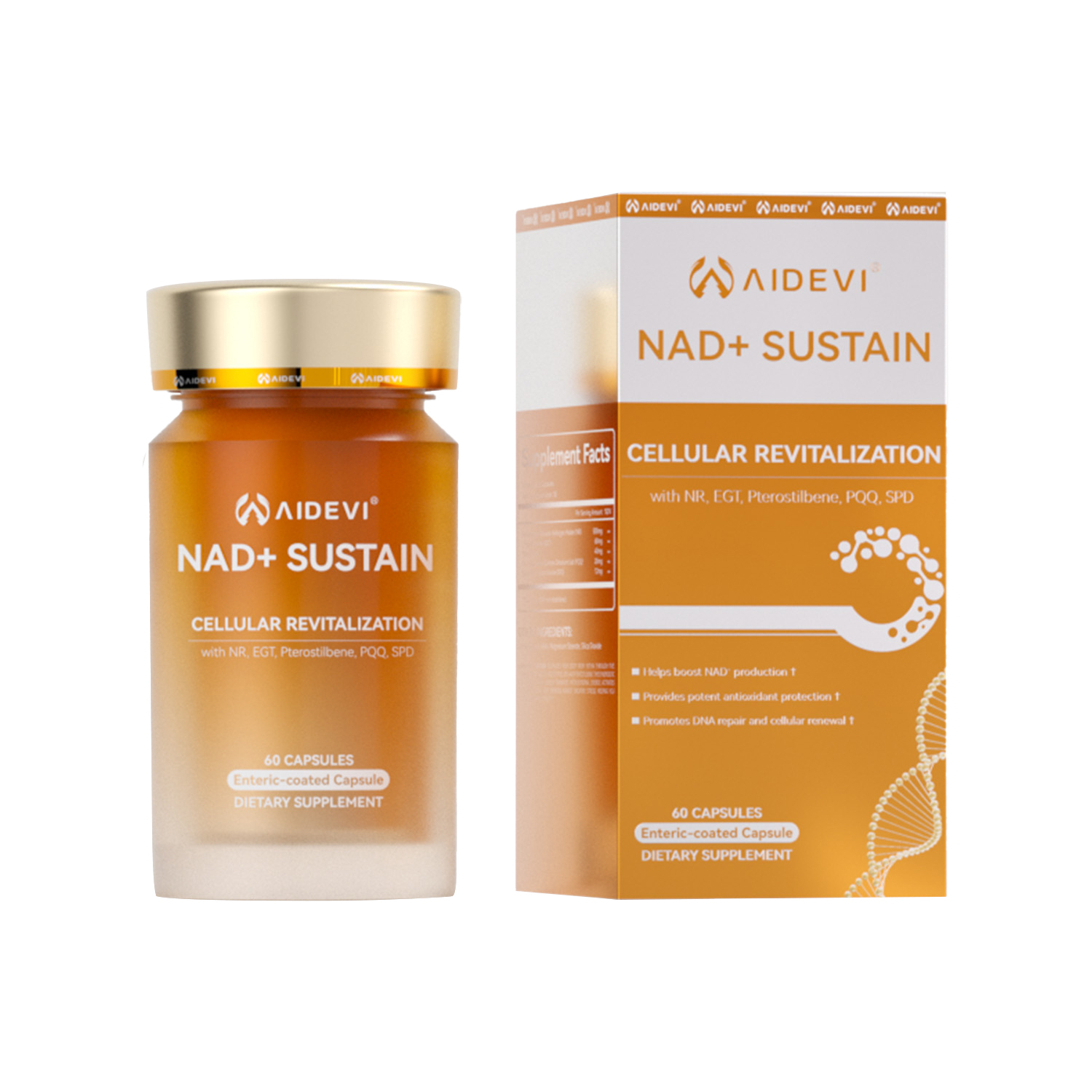
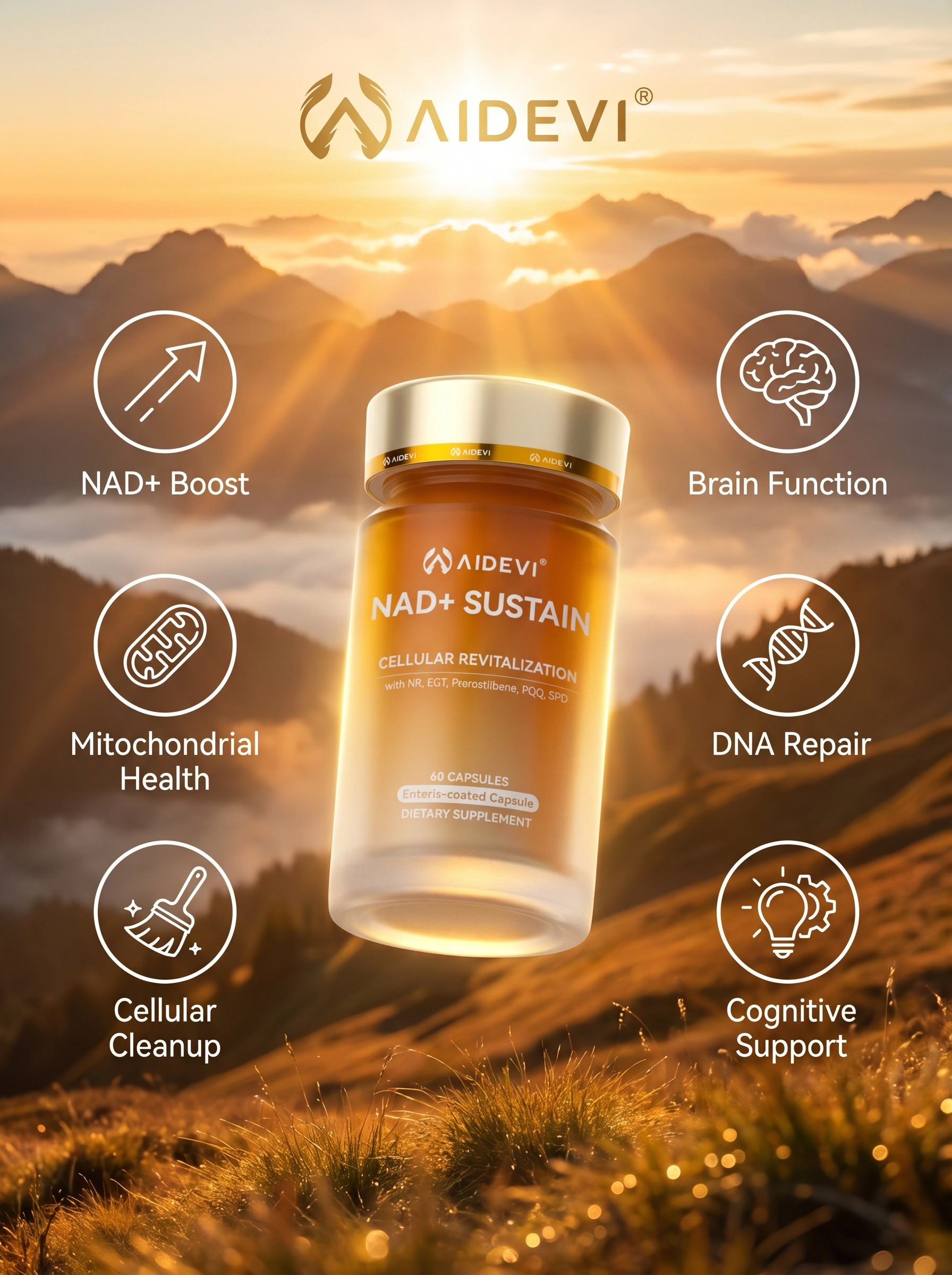
For a factual product example, the current AIDEVI NAD+ Sustain page describes an NR-centered formula with additional cellular-wellness ingredients. The current label, serving directions, warnings, and quality documentation should be checked before use. A product page can describe ingredients; it cannot replace human evidence.
What is a simple cellular-health routine?
Use a “Build, Move, Recover, Review” framework. Build meals that contain a variety of whole foods. Move in ways you can repeat. Recover through sleep and stress breaks. Review your routine every week and change one variable at a time. This approach creates a clearer signal than adding several products at once.
| Step | Start here | What to track |
|---|---|---|
| Build | Add one vegetable, fruit, legume, or whole grain to a daily meal. | Meal variety and how satisfying the meal feels. |
| Move | Take a short walk and schedule strength work appropriate to your ability. | Minutes, frequency, and recovery—not just intensity. |
| Recover | Protect a regular sleep window and add one short relaxation break. | Sleep opportunity, wake consistency, and perceived stress. |
| Review | Keep what is sustainable and adjust one habit at a time. | Whether the routine is realistic enough to continue. |
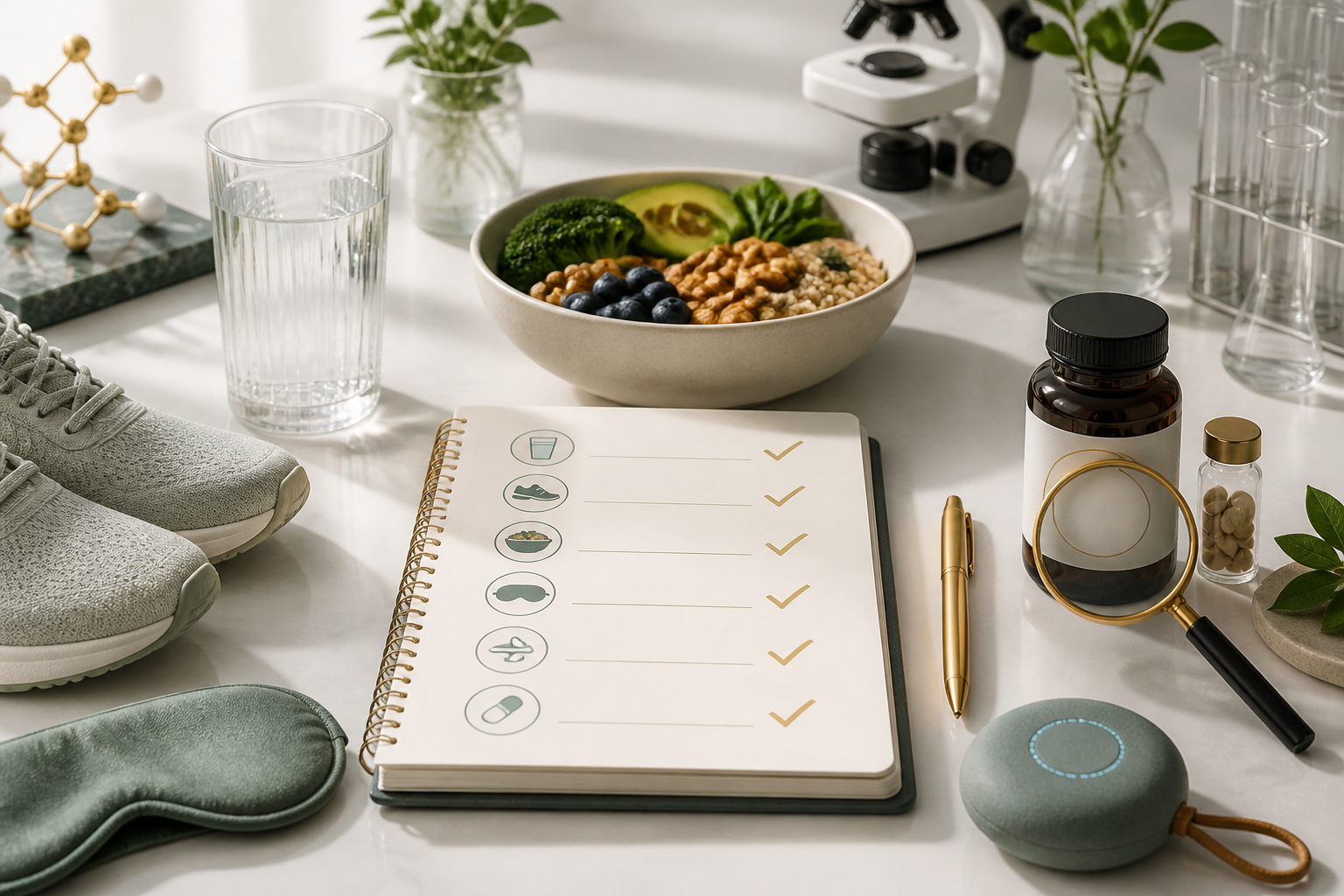
If you add a supplement, keep the rest of the routine as stable as possible and record the product, serving, start date, and any noticeable reaction. Avoid stacking several new products at the same time. AIDEVI’s NMN product-selection guide can help you compare labels and serving details. The purpose of tracking is clarity, not the expectation of an instant transformation.
Conclusion
Cellular health is best supported by a system of repeatable habits, not a single dramatic intervention. Build varied meals, move regularly, protect sleep, practice stress recovery, and seek medical guidance when symptoms persist. These steps support broad aspects of health and give you a reliable foundation for evaluating any supplement claim.
NAD+, NMN, and related ingredients remain active areas of research. Current evidence can support cautious discussion of cellular energy pathways and selected biomarkers, but not promises of cell repair, age reversal, stronger immunity, or guaranteed vitality. Professional content earns trust by making that boundary explicit.
Frequently Asked Questions
What is the easiest way to support cellular health?
Choose one habit you can repeat for two weeks: add a whole-food ingredient to one meal, walk for ten minutes, keep a consistent wake time, or take a short breathing break. Consistency is more useful than making several changes that are difficult to maintain.
Do antioxidants repair damaged cells?
Foods containing antioxidant compounds are part of a nutritious eating pattern, but “repair” is too broad a promise for a food or supplement. Focus on dietary variety and avoid assuming that a high-dose antioxidant product produces the same benefits as whole foods.
Can exercise improve cellular energy?
Regular exercise gives the body a stimulus to adapt and supports many systems involved in energy use and physical function. Start at an appropriate level, increase gradually, and ask a professional for guidance if you have symptoms or a health condition.
Do I need an NAD+ or NMN supplement for healthy cells?
No supplement is required for everyone based on the current evidence. NAD+ and NMN products can be considered only in the context of your goals, label transparency, safety, cost, and professional advice. They should not replace food, movement, sleep, or medical care.
How long does it take to improve cellular health?
There is no single timeline because cellular health is not one outcome. Some routine changes can affect how you feel quickly, while measurable adaptations may take longer and vary by person. Track behaviors and symptoms realistically rather than expecting instant or guaranteed results.
References
- [1] National Institute on Aging: Healthy Eating As You Age: Know Your Food Groups.
- [2] World Health Organization: Physical Activity.
- [3] National Heart, Lung, and Blood Institute: How Much Sleep Is Enough?.
- [4] National Center for Complementary and Integrative Health: 5 Things To Know About Relaxation Techniques for Stress.
- [5] Oral Administration of Nicotinamide Mononucleotide Is Safe and Efficiently Increases Blood NAD+ Levels in Healthy Subjects.
These statements have not been evaluated by the Food and Drug Administration. This product is not intended to diagnose, treat, cure, or prevent any disease. Individual results may vary. Consult a healthcare professional before starting any new supplement, especially if pregnant, nursing, taking medication, or managing a medical condition.
