








AIDEVI Wellness Guide
Best Antioxidant Supplements: Evidence, Uses & Safety
There is no single antioxidant supplement that is best for everyone. The right choice depends on a documented nutrient need, a specific health context, the ingredient’s human evidence, and your medications. For most healthy adults, a varied diet is the foundation; supplements should fill a clear gap or follow a clinician’s advice, not promise disease prevention or slower aging.

What does “antioxidant support” actually mean?
Antioxidants are substances that can help limit oxidation reactions in the body. The word describes a broad chemical role, not a guaranteed health outcome. An ingredient may show antioxidant activity in a laboratory experiment without proving that taking it as a supplement improves energy, skin, heart health, immunity, or lifespan in people.
This distinction matters because foods contain mixtures of nutrients, fiber, and plant compounds, while supplements can deliver a concentrated dose of one or several ingredients. Observational studies often associate fruit- and vegetable-rich diets with better health, but that does not prove a capsule reproduces the effects of a whole dietary pattern. The National Center for Complementary and Integrative Health notes that, apart from specific uses such as clinician-directed AREDS formulations for some people with age-related macular degeneration, evidence does not show antioxidant supplements have a general positive effect on chronic diseases. [1]
How to choose an antioxidant supplement
Start with the reason you are considering one. If you want to prevent cancer or cardiovascular disease, current U.S. Preventive Services Task Force guidance recommends against beta-carotene or vitamin E supplements for that purpose; evidence is insufficient to recommend other single or paired nutrients for prevention in generally healthy adults. This does not answer every question about every ingredient or a diagnosed deficiency, but it does rule out treating “antioxidant” as a promise of prevention. [2]
| Your question | A more useful way to decide |
|---|---|
| Could I be low in a nutrient? | Review diet, risk factors, and testing with a health professional before choosing a dose. |
| Am I seeking broad disease prevention? | Do not assume an antioxidant pill prevents disease; prioritize established preventive care and dietary patterns. |
| Do I have an eye condition or another diagnosis? | Ask the treating clinician whether a specific studied formula applies. Do not substitute a generic antioxidant blend. |
| Am I comparing products? | Compare the active form and amount per serving, all ingredients, testing information, and warnings—not just the front-label claims. |
Common antioxidant ingredients: what the evidence can tell you
The ingredients below are common in antioxidant products. They are not ranked: there is no sound basis for declaring one universally “best.” Evidence varies by ingredient, dose, population, and outcome.
Vitamin C
Vitamin C is an essential nutrient involved in collagen formation and normal antioxidant functions. Citrus, peppers, berries, tomatoes, and other produce provide it. A supplement may be useful when intake is inadequate or a clinician identifies a need; taking more does not automatically provide more benefit. High supplemental intakes can cause diarrhea, nausea, or cramps, and people with certain conditions or undergoing cancer treatment should seek individualized advice. [3]
Vitamin E
Vitamin E is a fat-soluble nutrient found in nuts, seeds, vegetable oils, and leafy greens. Routine supplementation has not been shown to prevent cardiovascular disease, and high-dose supplements can increase bleeding risk or interact with anticoagulant and antiplatelet medicines. A food source and a concentrated capsule should not be treated as equivalent. [4]
Beta-carotene
Beta-carotene is a carotenoid found in foods such as carrots and sweet potatoes. High-dose beta-carotene supplements are a poor choice for disease prevention and can be harmful, particularly for people who smoke or have substantial asbestos exposure. This warning concerns concentrated supplements; it is not a reason to avoid carotenoid-rich vegetables. [1]
Coenzyme Q10 (CoQ10)
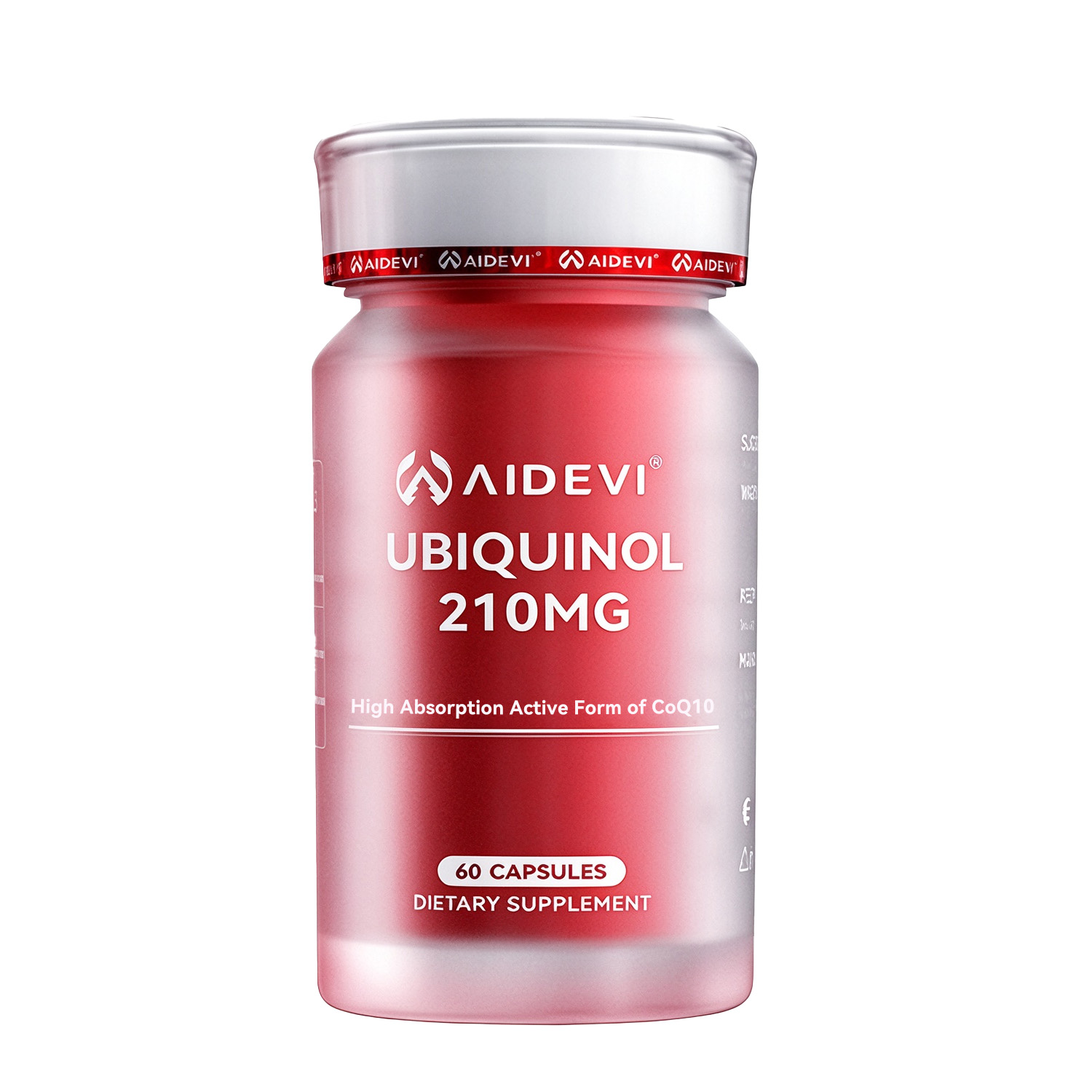
CoQ10 participates in mitochondrial energy production and has antioxidant properties. That biological role does not establish it as a general “energy” or heart-health solution for everyone. Research and clinical use depend on the condition and outcome being considered; ask a clinician or pharmacist before combining it with prescription medicines.
Glutathione and NAC
Glutathione is made by the body, and N-acetylcysteine (NAC) is one of its building blocks. A small randomized trial in healthy adults found that four weeks of oral glutathione did not significantly change measured glutathione status or oxidative-stress markers. That single study cannot settle every formulation or population, but it shows why a plausible mechanism is not enough to promise a result. [5]
Green tea extract and EGCG
Green tea contains catechins, including EGCG. Drinking tea and taking a concentrated extract are different exposures. NCCIH reports that extract supplements can cause digestive symptoms and that uncommon liver injury has been reported, particularly with tablet or capsule extracts. Check warnings and discuss use with a clinician if you have liver concerns or take medication. [6]
Resveratrol
Resveratrol is a plant polyphenol found in grapes and some other foods. Laboratory and early human research do not establish that resveratrol supplements extend lifespan or prevent chronic disease. Treat “longevity” claims as a prompt to inspect the evidence and product label, not as a proven outcome.
L-Ergothioneine (EGT)
EGT is a naturally occurring compound present in foods including mushrooms and is being studied in antioxidant-resilience research. Human evidence for long-term health outcomes remains limited, so it should not be described as a proven anti-aging treatment. For ingredient identity, food sources, and quality questions, see AIDEVI’s L-Ergothioneine guide.

Food first: a practical antioxidant foundation
A varied eating pattern can provide vitamin C, vitamin E, carotenoids, polyphenols, fiber, and many other nutrients together. Build variety across the week rather than chasing a single “highest antioxidant” food: include fruits, vegetables, beans, whole grains, nuts, seeds, and tea if it suits you. Food does not need to be exotic or expensive; frozen produce and ordinary seasonal choices can help make variety practical.
This does not mean supplements are never useful. They can help address a documented deficiency, a restricted diet, or a life-stage need, and a clinician may recommend a specific formulation for a diagnosed condition. The decision should follow the need.

A label checklist before you buy
- Match the ingredient to a real need. A vague goal such as “detox” or “anti-aging” is not a clinical indication. Write down the specific reason you are considering the product.
- Read the complete Supplement Facts panel. Check each active ingredient, amount per serving, serving size, and any overlapping ingredients in products you already use.
- Check quality information. Look for clear manufacturer and batch details and credible testing information. A certificate or quality test can address identity or contaminants; it does not prove a health outcome.
- Review cautions and interactions. Bring the label to a pharmacist or healthcare professional, especially if you take medication, have a medical condition, are pregnant or nursing, or are preparing for surgery.
- Be skeptical of guaranteed results. Claims to prevent disease, reverse aging, or deliver dramatic changes from a single antioxidant go beyond what a general supplement guide can establish.
Safety: when to pause and ask a professional
More is not automatically better. High-dose antioxidant supplements can create risks, and combining products can make total intake and interactions harder to track. People taking blood thinners, receiving cancer treatment, managing liver or kidney conditions, or using several prescriptions should ask their care team before starting a concentrated antioxidant product. Anyone who develops concerning symptoms after starting a supplement should stop and contact a healthcare professional.
For a diagnosed condition, do not replace prescribed care with a supplement. In particular, AREDS or AREDS2 eye formulas apply to specific stages of age-related macular degeneration and are not general antioxidant multivitamins; an eye-care professional can determine whether one is appropriate. [1]
Frequently asked questions
What is the best antioxidant supplement for most people?
There is no single best option for everyone. If you do not have a known deficiency or clinician-directed use, begin with food variety and review whether a supplement solves a specific need. Ingredient, dose, safety, and evidence matter more than a broad “antioxidant” label.
Can antioxidant supplements prevent cancer or heart disease?
They should not be used for that purpose without specific medical guidance. The USPSTF recommends against beta-carotene and vitamin E supplements for prevention of cardiovascular disease or cancer, and says evidence is insufficient for other single or paired nutrient supplements in generally healthy adults. [2]
Is a high-dose antioxidant better?
No. A concentrated dose can increase side effects or interact with medicines, and trial results do not support assuming that more antioxidant activity means better health. Use the product label and professional advice rather than megadose claims.
Is EGT proven to slow aging?
No. EGT is an emerging research ingredient with a plausible antioxidant-resilience role, but that is not proof that an EGT supplement slows human aging or prevents age-related disease.
A useful antioxidant routine starts with a clear reason, relies on realistic claims, and fits your diet, health history, and medications. When that reason is uncertain, a clinician or pharmacist can help you decide whether a supplement is needed at all.
References
- National Center for Complementary and Integrative Health: Antioxidant Supplements—What You Need To Know
- U.S. Preventive Services Task Force: Vitamin, Mineral, and Multivitamin Supplementation to Prevent Cardiovascular Disease and Cancer
- NIH Office of Dietary Supplements: Vitamin C Fact Sheet for Health Professionals
- NIH Office of Dietary Supplements: Vitamin E Fact Sheet for Health Professionals
- Richie et al. Effects of Oral Glutathione Supplementation on Systemic Oxidative Stress Biomarkers in Human Volunteers
- National Center for Complementary and Integrative Health: Green Tea—Usefulness and Safety
These statements have not been evaluated by the Food and Drug Administration. This product is not intended to diagnose, treat, cure, or prevent any disease.
