



Anti-Aging Supplements: Types, Benefits, and Risks
Anti-aging supplements are popular because they speak to a very human goal: staying energetic, clear-minded, resilient, and comfortable in our skin as the years pass. But the phrase can also be misleading. No capsule can stop aging, replace medical care, or erase the value of sleep, exercise, protein, vegetables, sunlight protection, and routine checkups. A better way to think about anti-aging supplements is this: they may help support specific systems involved in healthy aging, such as antioxidant defense, collagen turnover, mitochondrial energy, fatty acid balance, and NAD+ metabolism.
This guide rewrites the usual hype into a practical, evidence-aware framework. We will compare the main supplement types, where the benefits look most realistic, where the risks sit, and how to choose a routine without turning your cabinet into a confusing science experiment.
At a glance
- Anti-aging supplements are best viewed as healthy-aging support, not age reversal.
- Common categories include antioxidants, NAD+ precursors such as nmn, collagen peptides, omega-3 fatty acids, CoQ10, and polyphenols such as resveratrol.
- The strongest practical strategy is matching one supplement type to one clear goal, then tracking how you feel.
- People taking medications, pregnant or nursing adults, and anyone with a diagnosed condition should ask a healthcare professional before starting a new supplement.
Content
Compact answer: The best anti-aging supplement depends on your goal. Antioxidants may support oxidative stress balance, collagen peptides may support skin hydration and elasticity, omega-3s support nutritional fatty acid intake, CoQ10 supports mitochondrial energy pathways, resveratrol is studied as a polyphenol, and NMN is used to support NAD+ related cellular energy pathways. The smartest routine is modest, consistent, third-party tested, and paired with a healthy lifestyle.
What are anti-aging supplements?
Anti-aging supplements are dietary supplements positioned to support biological processes that tend to change with age. These may include oxidative stress response, collagen maintenance, cellular energy production, inflammatory balance, nutrient sufficiency, and sleep or recovery quality. The FDA regulates dietary supplements as a category of food rather than as drugs, and supplement labels cannot be treated as proof that a product can diagnose, treat, cure, or prevent disease [1].
That distinction matters. A supplement may help fill a nutritional gap or support a normal body function, but it should not be sold or used as a shortcut around medical evaluation. For example, low energy may relate to sleep debt, iron status, thyroid function, blood sugar patterns, stress, medications, or under-eating. Skin dullness may relate to sun exposure, dehydration, alcohol, smoking, or low protein intake. A supplement can be one tool, but it is rarely the whole answer.
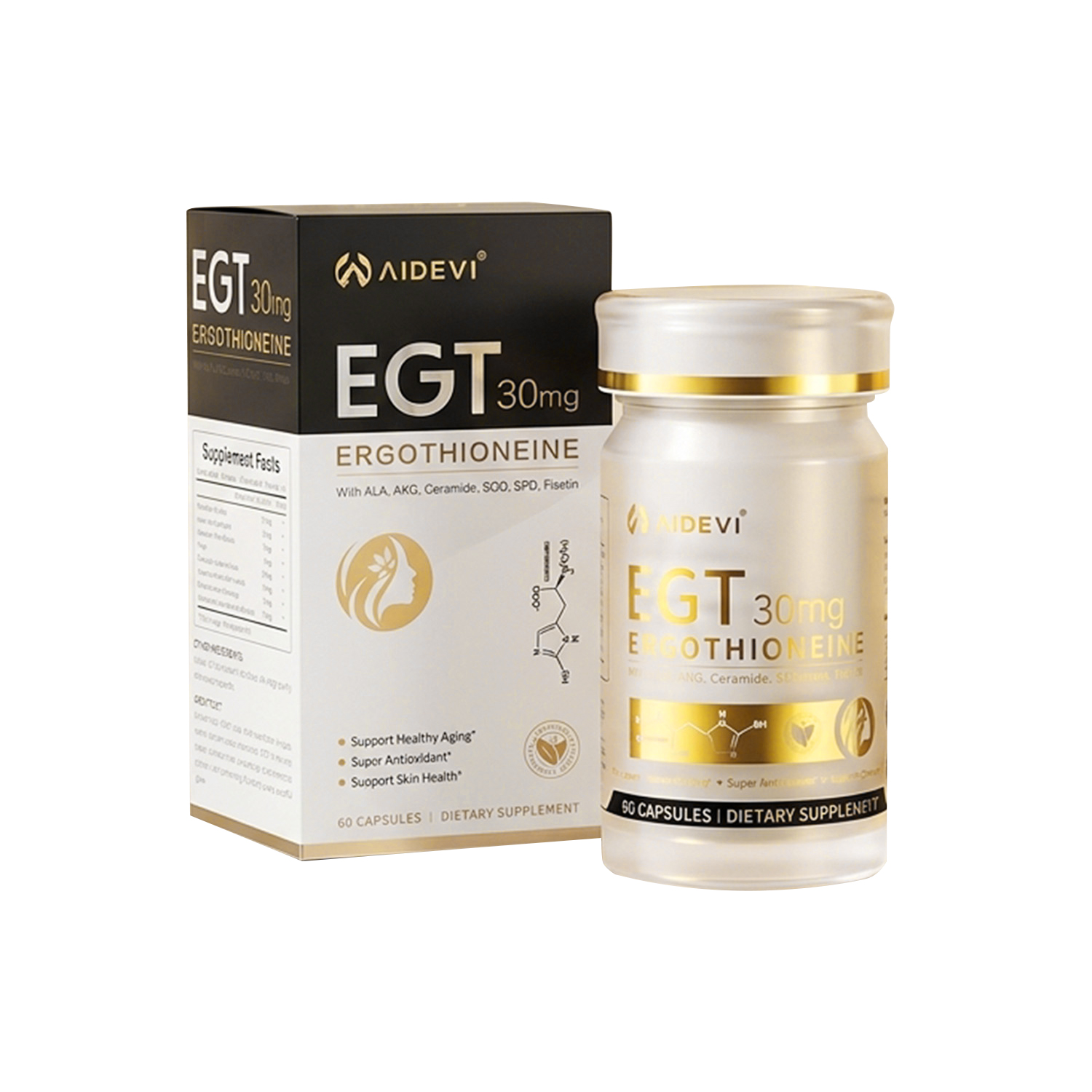
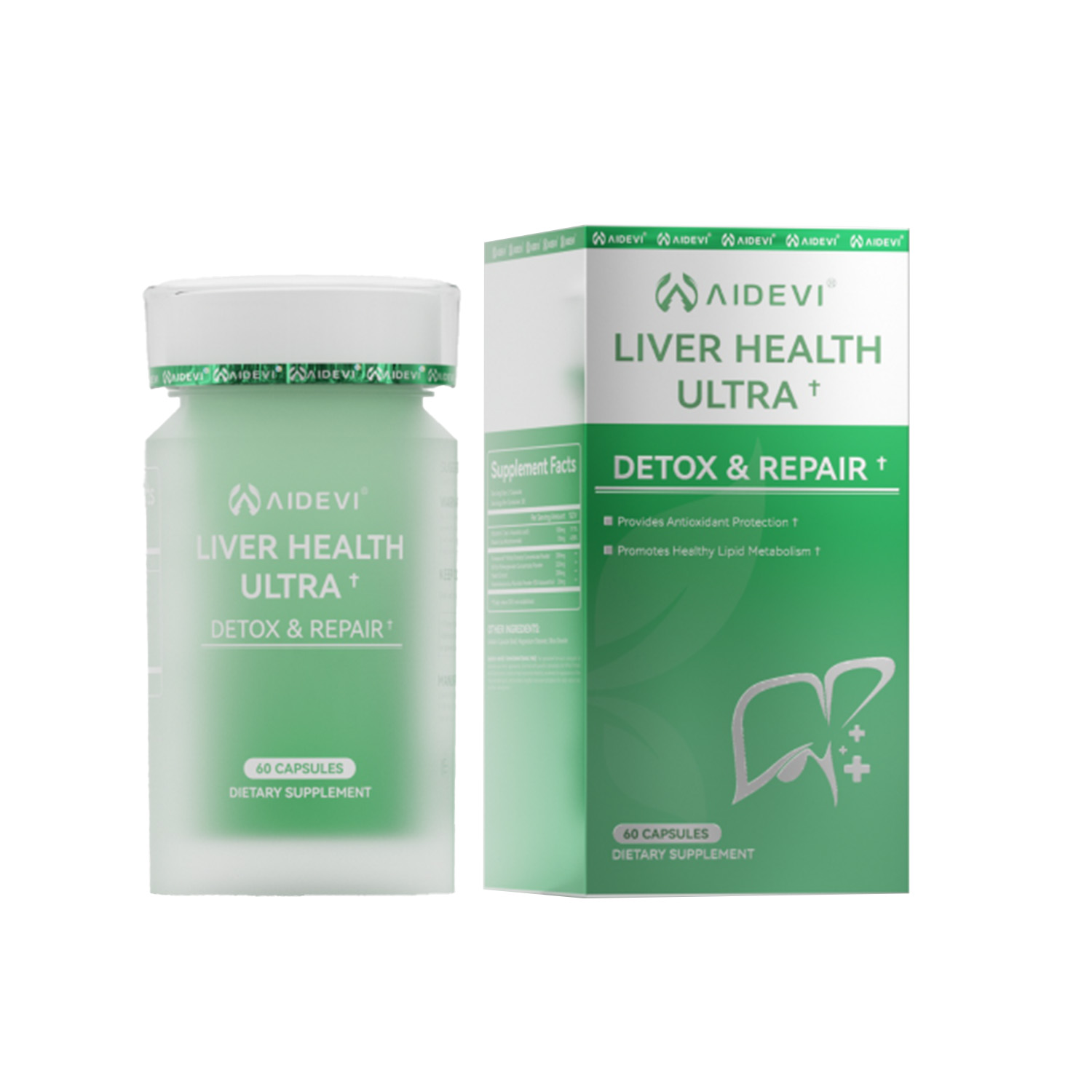
AIDEVI's broader healthy-aging content often focuses on this same principle: identify the pathway before choosing the product. For readers beginning with antioxidant support, the daily antioxidant supplement guide is a useful next step.
The main types of anti-aging supplements
The category is broad, so it helps to group supplements by their primary role rather than by marketing language.
| Type | Common examples | Best-fit goal | Watch point |
|---|---|---|---|
| Antioxidants | Vitamin C, vitamin E, selenium, ergothioneine | Oxidative stress balance | High-dose antioxidant supplements are not automatically better [2]. |
| NAD+ support | NMN, NR, NAD+ formats | Cellular energy and healthy-aging routines | Human evidence is still developing; dose and quality matter. |
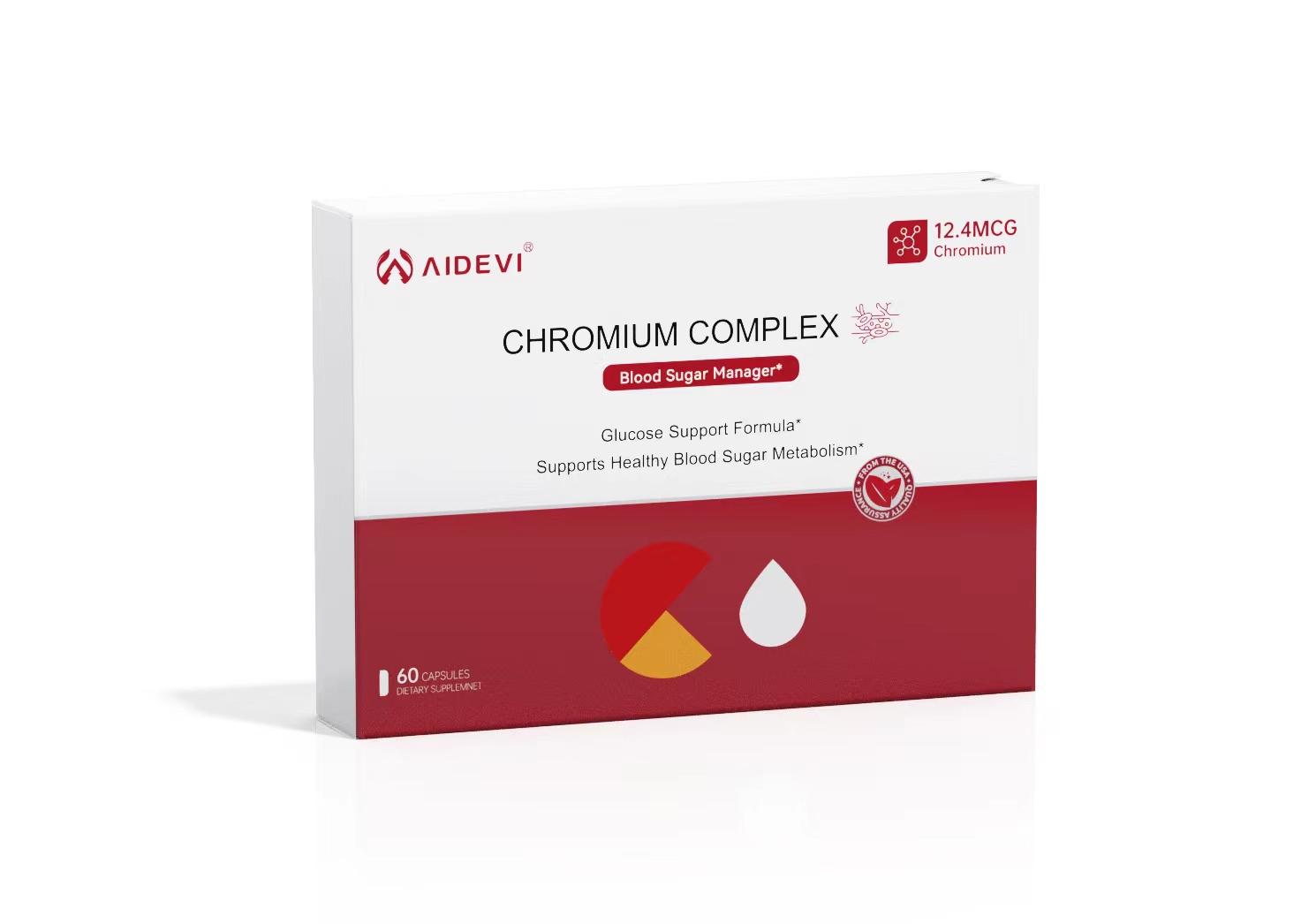
| Skin structure support | Collagen peptides, hyaluronic acid, elastin support formulas | Skin hydration, elasticity, and connective tissue support | Benefits are gradual and depend on protein intake, sun habits, and consistency [3]. |
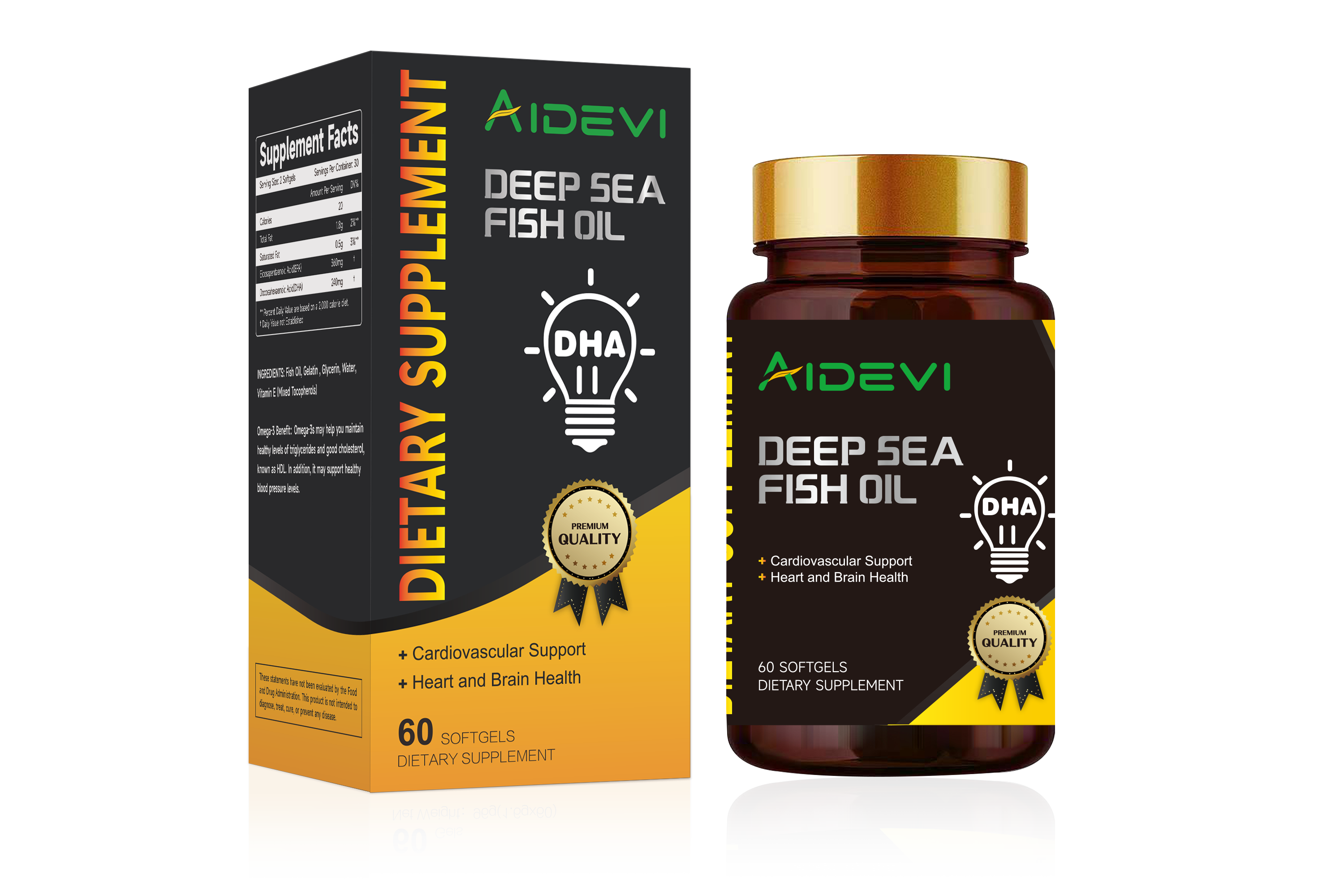
| Fatty acid support | Fish oil, EPA, DHA | Heart, brain, and inflammatory-response nutrition | Bleeding risk and medication interactions should be reviewed [4]. |
| Mitochondrial support | CoQ10, PQQ combinations | Cellular energy pathways and cardiovascular wellness routines | CoQ10 may interact with some medicines, including warfarin [5]. |
| Polyphenols | Resveratrol, grape compounds, berry polyphenols | Antioxidant and healthy-aging research interest | Bioavailability, dose, and drug interactions deserve attention [6]. |
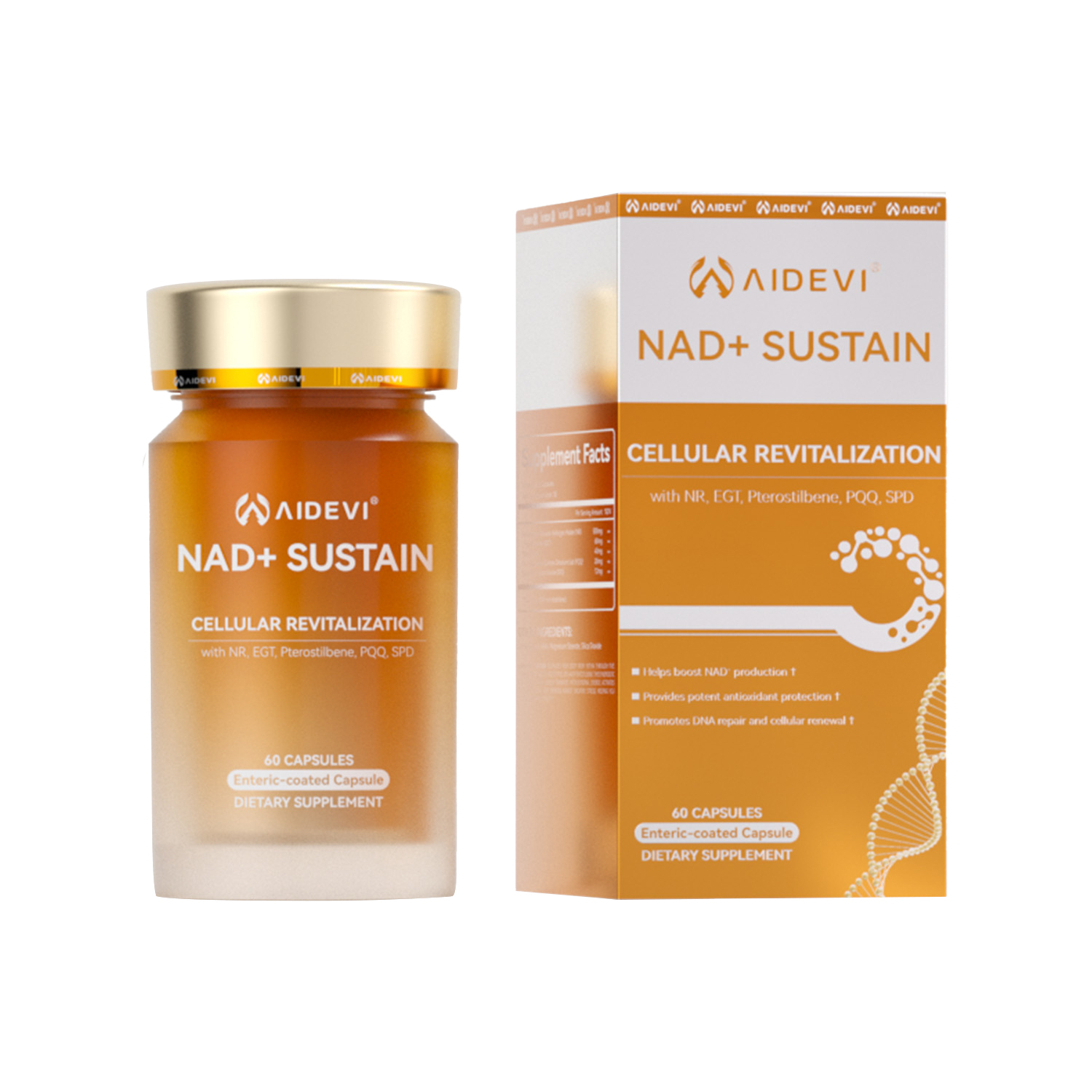
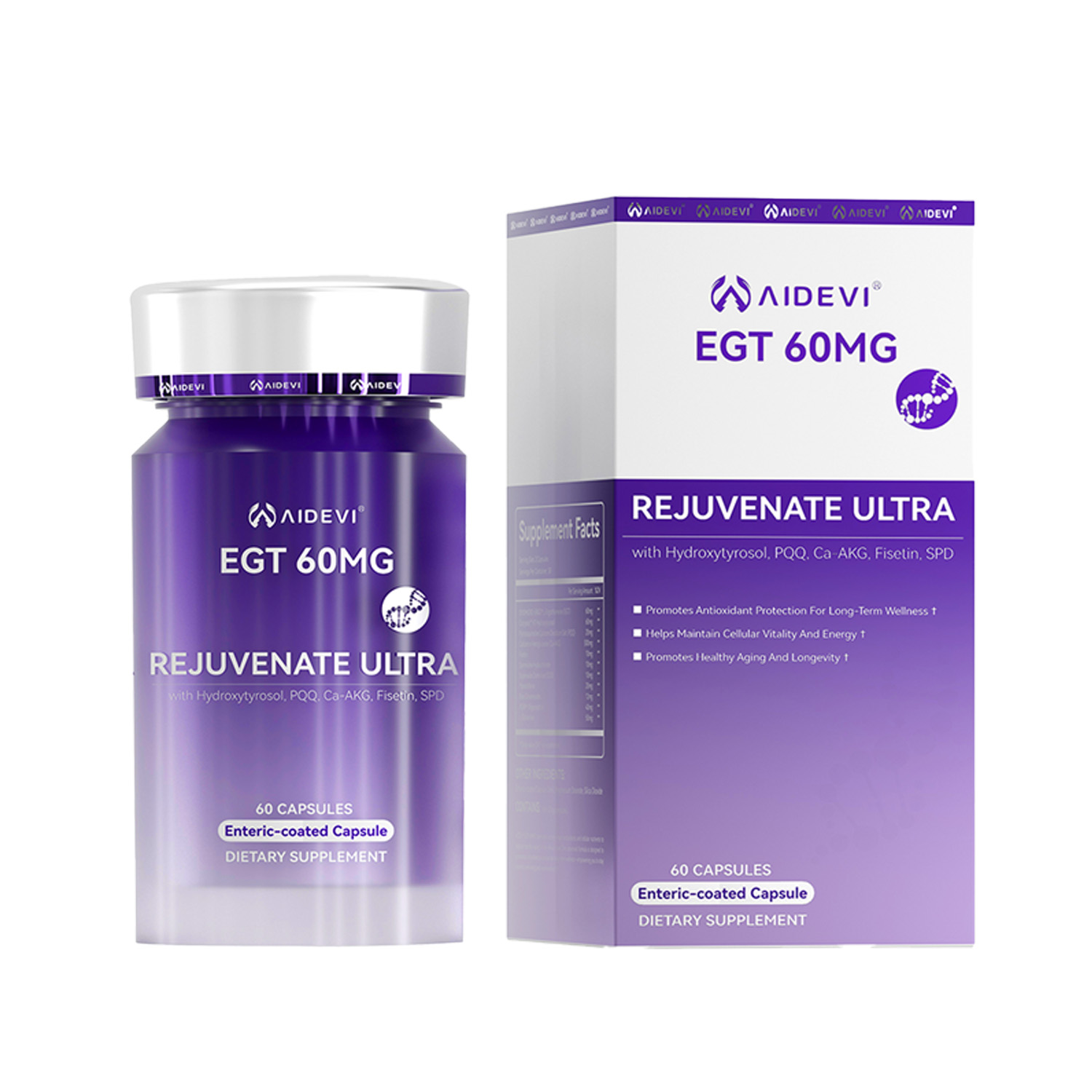
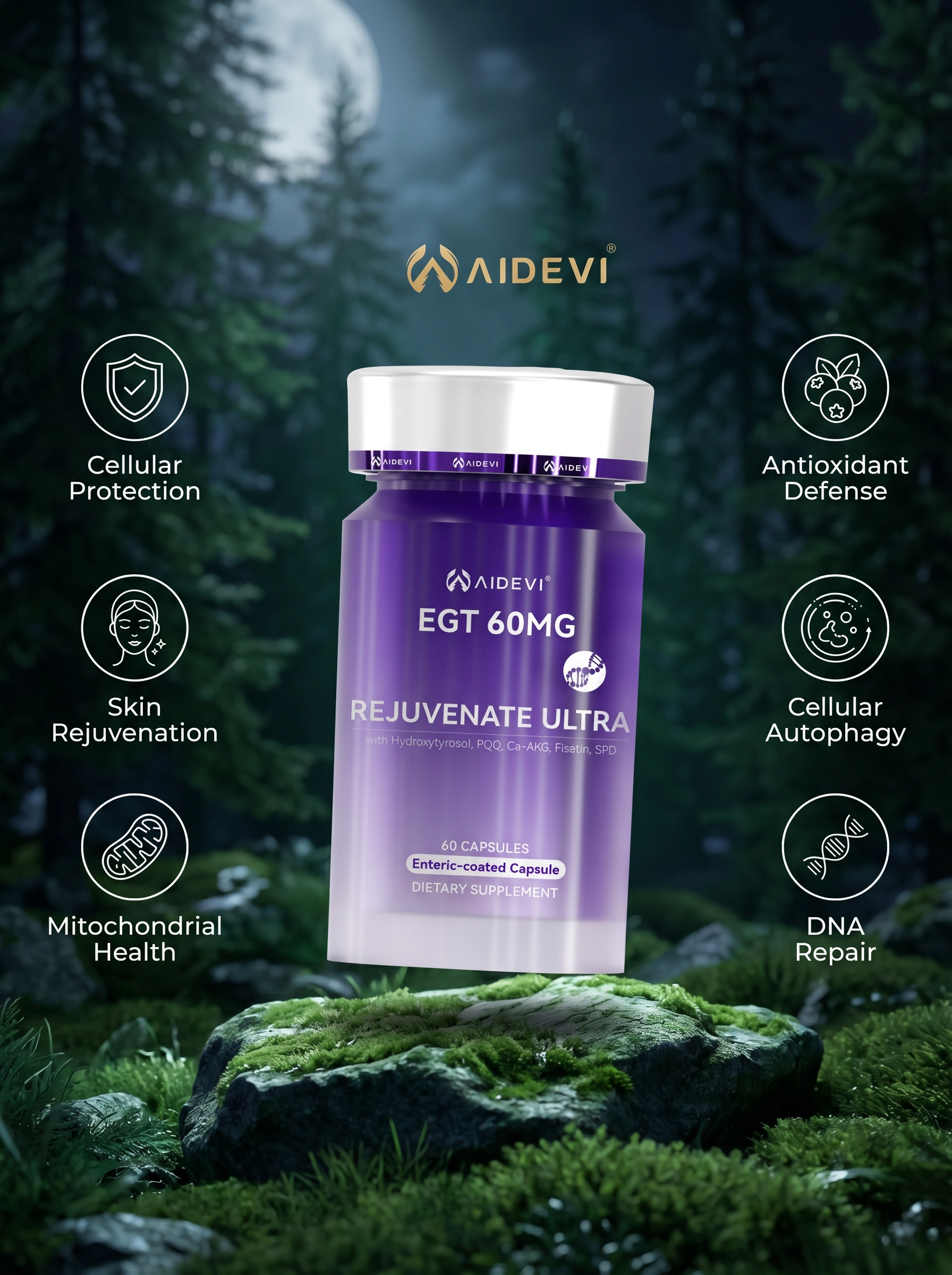
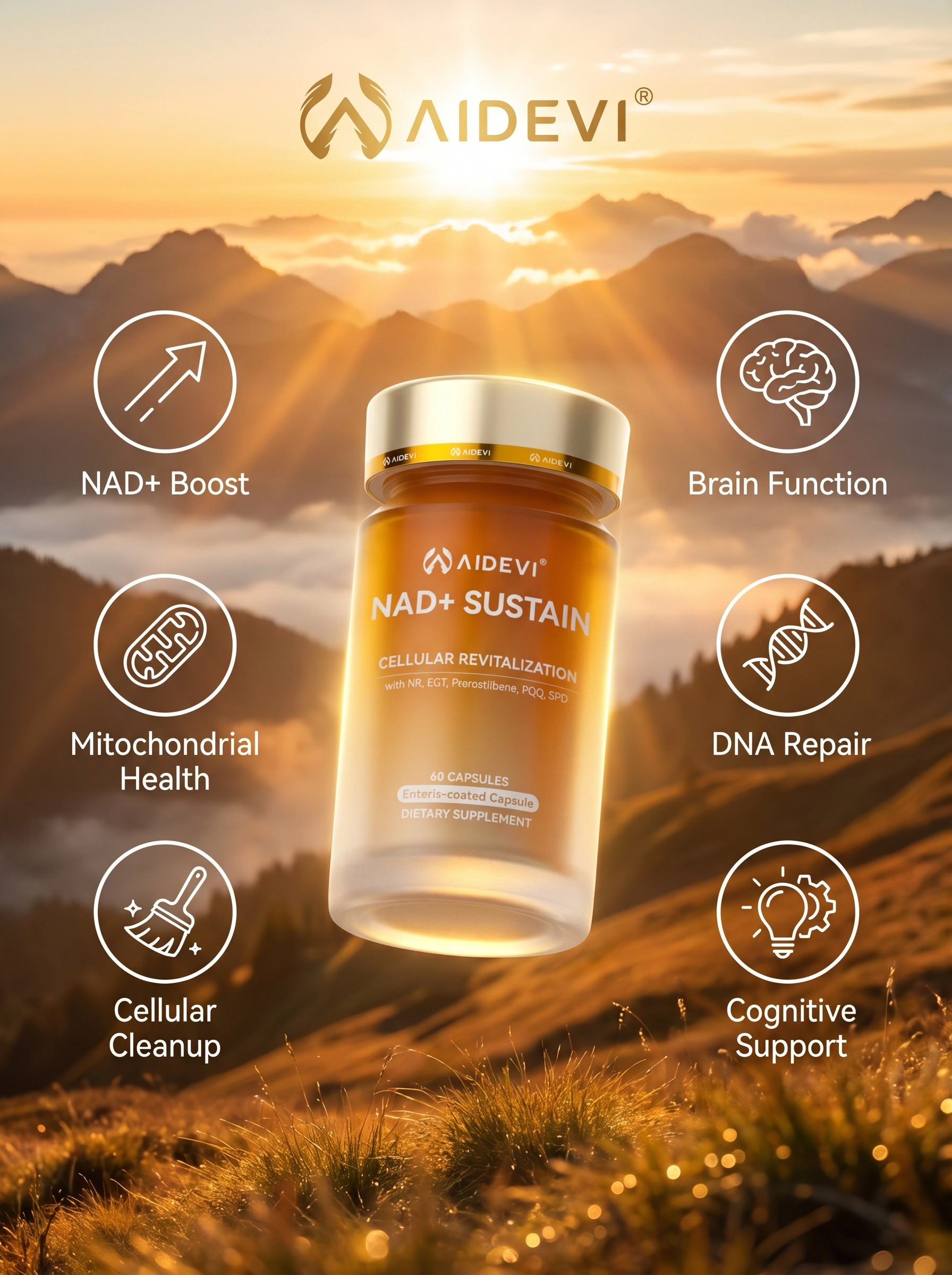
For NAD+ support, many readers compare NMN with NAD+ directly. AIDEVI's guide to NAD+ vs NMN differences explains why format, precursor pathway, and routine design matter. For antioxidant-specific routines, AIDEVI also covers ergothioneine supplement support and resveratrol health benefits in more detail.
What benefits are realistic?
Can supplements improve skin appearance?
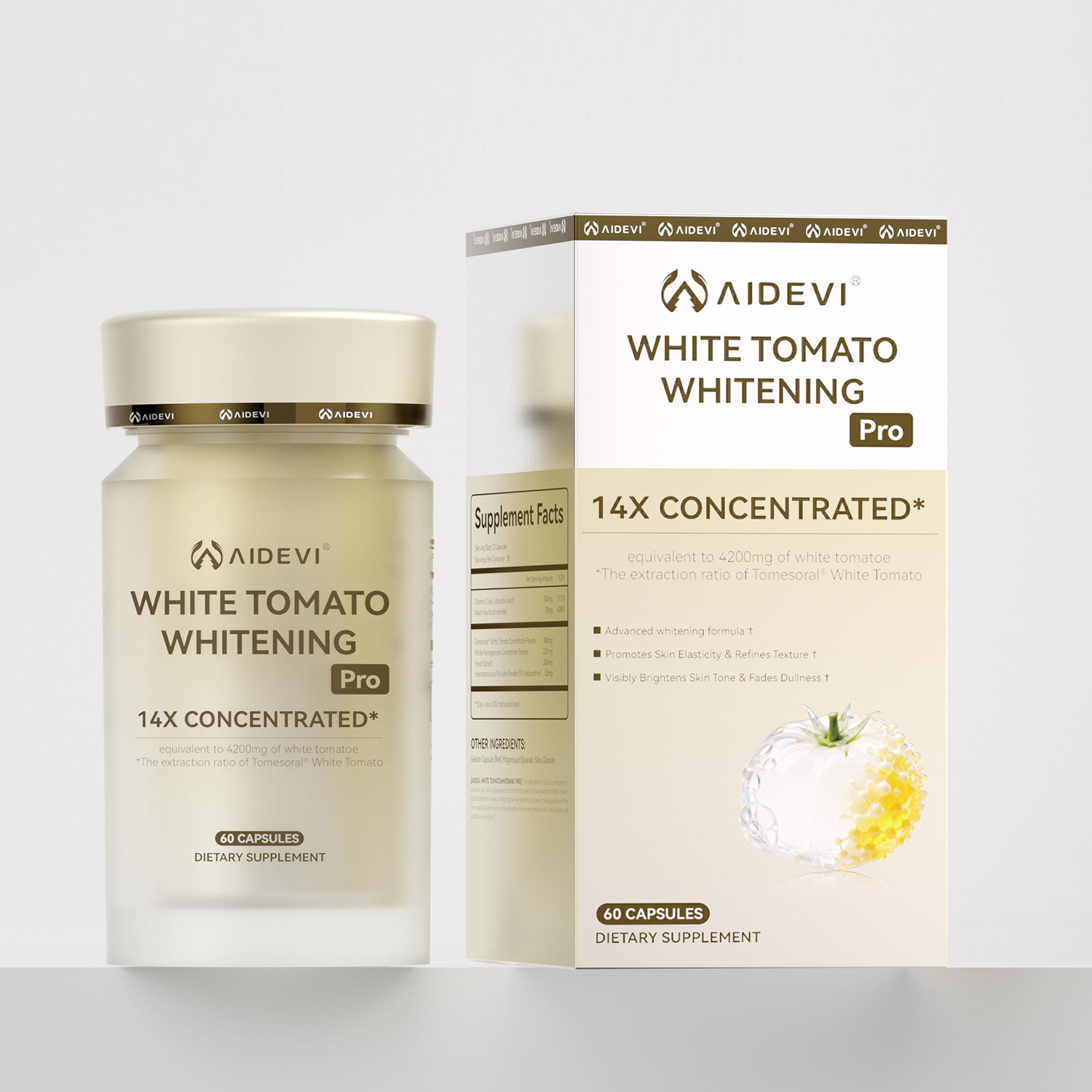
Some nutrients are directly involved in skin structure. Vitamin C contributes to normal collagen synthesis, and collagen peptide studies suggest possible support for hydration, elasticity, and skin comfort when used consistently [3]. Still, skin aging is not only a supplement issue. Sun exposure, smoking, alcohol, sleep, protein intake, and topical sunscreen often matter more than any single capsule. If your main goal is skin support, AIDEVI's article on multi collagen peptides can help you understand what collagen can and cannot do.
Can supplements support energy?
Energy is one of the most common reasons people explore NMN, NAD+ support, CoQ10, B vitamins, iron, magnesium, and omega-3s. CoQ10 is part of mitochondrial energy production, while NAD+ is involved in many cellular reactions connected with metabolism. The practical question is not whether these pathways are important; they are. The question is whether a specific person is low, stressed, sleep deprived, overtrained, undernourished, or taking a medication that changes their needs. For a deeper cellular-energy primer, AIDEVI's healthy aging and NMN antioxidant guide is a helpful companion.
Can supplements support heart and brain wellness?
Omega-3 fatty acids, CoQ10, polyphenols, and lifestyle basics often appear in heart and brain wellness discussions. Omega-3s are nutritionally important fats, especially EPA and DHA, but supplement decisions should consider diet, seafood intake, medications, and personal risk factors [4]. CoQ10 is also widely discussed for cardiovascular wellness routines, and AIDEVI's CoQ10 benefits guide explains its energy and heart-health context in a consumer-friendly way.
The most honest benefit statement is simple: anti-aging supplements may support selected aging-related pathways, but they work best when paired with movement, sleep, nutrient-dense meals, resistance training, social connection, and preventive healthcare.
Risks, side effects, and interactions
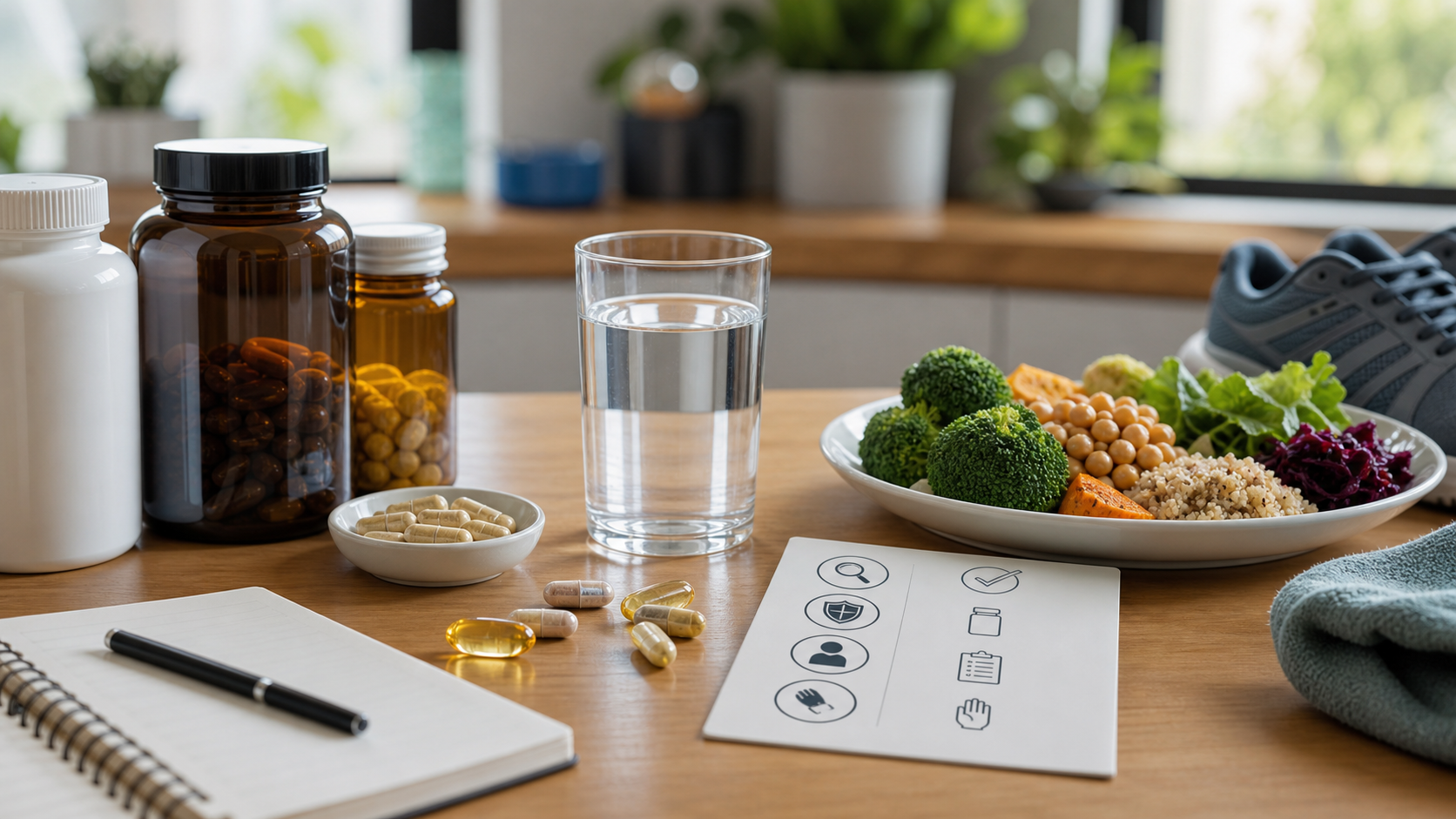
The biggest risk with anti-aging supplements is not only a bad reaction. It is misplaced confidence. A person may ignore fatigue, chest discomfort, memory changes, abnormal bleeding, or unexplained weight change because they assume supplements will handle it. Supplements should never delay appropriate medical care.
Side effects vary by ingredient. Fish oil can cause digestive upset and may be relevant for people taking blood thinners. CoQ10 is often well tolerated but may interact with certain medications [5]. High-dose vitamin E, selenium, or stacked antioxidant formulas can be problematic, especially when people combine multiple products with overlapping ingredients. Resveratrol may also interact with drug-metabolizing pathways and anticoagulant or antiplatelet medications, depending on dose and context [6].
Quality is another issue. Look for clear Supplement Facts labels, transparent serving sizes, third-party testing when available, realistic claims, and ingredient amounts that make sense. Avoid products that promise dramatic youth restoration, disease cures, or instant transformation. The FDA notes that supplement manufacturers are responsible for ensuring their products are safe and properly labeled, but products do not go through the same premarket approval process as drugs [1].
People who are pregnant, nursing, preparing for surgery, managing a chronic condition, or taking prescription medication should treat supplement decisions as healthcare decisions. The same applies to older adults using several products at once.
How to choose the right supplement
Start with one clear goal. Then choose the category that fits the goal, check whether there is a reason to avoid it, and give your body enough time to respond. Here is a practical decision module.
| Your main goal | Consider | Also fix first | Pause and ask a clinician if |
|---|---|---|---|
| Skin hydration and elasticity | Collagen peptides, vitamin C, hyaluronic acid support | Sun protection, protein intake, smoking, sleep | You have allergies, kidney concerns, or unexplained skin changes. |
| Cellular energy routine | NMN, NAD+ support, CoQ10 | Sleep debt, iron status, meal timing, overtraining | Fatigue is severe, sudden, or paired with chest pain or dizziness. |
| Antioxidant support | Ergothioneine, vitamin C foods, resveratrol, colorful plants | Vegetable and fruit intake, alcohol, smoking, pollution exposure | You already take multiple high-dose antioxidant products. |
| Healthy fatty acid intake | Omega-3 fish oil or algae DHA/EPA | Seafood intake, ultra-processed food balance | You take anticoagulants or have a bleeding disorder. |
If NMN is your focus, begin with education before dose shopping. AIDEVI's NMN dosage by age guide can help you think through routine design, while still reminding you that personal context matters.
A simple routine usually beats a complicated one. Choose one product, keep the dose steady, track sleep, energy, digestion, skin, mood, and exercise recovery for four to eight weeks, and avoid changing five things at once. If there is no noticeable value, stop and reassess.
Conclusion
Anti-aging supplements are not a promise of younger biology. They are tools that may support specific systems involved in healthy aging: antioxidant defense, skin structure, mitochondrial function, NAD+ metabolism, and fatty acid nutrition. The best routine is not the longest list of ingredients. It is the one that matches your actual goal, fits your health context, uses realistic claims, and leaves room for the habits that do the heavy lifting.
For AIDEVI readers, the practical path is clear: build the foundation first, choose supplements with purpose, avoid exaggerated claims, and review medications or health conditions before starting anything new. Aging well is not about chasing a miracle. It is about making a series of informed, repeatable choices.
FAQ
What is the best anti-aging supplement?
There is no single best supplement for everyone. Collagen may fit skin-focused goals, NMN may fit NAD+ support routines, CoQ10 may fit cellular energy discussions, omega-3 may fit fatty acid nutrition, and antioxidants may fit oxidative stress support. The best choice depends on your diet, age, medications, health status, and goal.
Are anti-aging supplements safe to take every day?
Some supplements are commonly used daily, but safety depends on dose, ingredient quality, medical history, and drug interactions. Daily use should be more cautious if you take prescription medicines, have liver or kidney concerns, are preparing for surgery, or use multiple products with overlapping ingredients.
Do antioxidants always help with aging?
Not always. Antioxidants from foods are part of a healthy diet, but high-dose antioxidant supplements have mixed research results and may not be appropriate for everyone [2]. More is not automatically better.
Can NMN replace sleep, exercise, or a healthy diet?
No. NMN and other NAD+ support products should be viewed as part of a broader wellness routine. Sleep, strength training, protein intake, plant-rich meals, stress management, and medical checkups remain the foundation.
How long should I try a supplement before judging it?
For non-urgent wellness goals, four to eight weeks is a reasonable tracking window for many routines. If you notice side effects, stop sooner and seek professional advice. If your symptom is severe or new, do not self-test supplements first.
FDA disclaimer: These statements have not been evaluated by the Food and Drug Administration. This product is not intended to diagnose, treat, cure, or prevent any disease. This article is for educational purposes only and is not medical advice. Always consult a qualified healthcare professional before starting any dietary supplement, especially if you are pregnant, nursing, taking medication, preparing for surgery, or managing a medical condition.
References
- U.S. Food and Drug Administration. Dietary Supplement Products and Ingredients. https://www.fda.gov/food/dietary-supplements/dietary-supplement-products-ingredients
- National Center for Complementary and Integrative Health. Antioxidants: In Depth. https://www.nccih.nih.gov/health/antioxidants-in-depth
- de Miranda RB, et al. Collagen Supplementation for Skin Health: A Mechanistic Systematic Review. https://pmc.ncbi.nlm.nih.gov/articles/PMC8824545/
- NIH Office of Dietary Supplements. Omega-3 Fatty Acids Fact Sheet for Health Professionals. https://ods.od.nih.gov/factsheets/Omega3FattyAcids-HealthProfessional/
- National Center for Complementary and Integrative Health. Coenzyme Q10. https://www.nccih.nih.gov/health/coenzyme-q10
- Linus Pauling Institute, Oregon State University. Resveratrol. https://lpi.oregonstate.edu/mic/dietary-factors/phytochemicals/resveratrol
