



AIDEVI Wellness Guide
Anti-Aging in Your 20s: Why Science Says Start at 25
By AIDEVI Editorial Team | Last Updated: August 2026 | Healthy Aging
Starting an anti-aging routine in your 20s does not mean chasing a younger-looking face or treating normal skin as a problem. It means building protective habits while they are easy to maintain. Around 25 is a useful planning milestone because collagen biology, sun exposure, skin-barrier needs, and cellular-aging research all point toward consistency before visible changes become your main concern. The best first steps are simple: daily broad-spectrum sunscreen, a gentle routine, restorative lifestyle habits, and careful evaluation of any supplement.
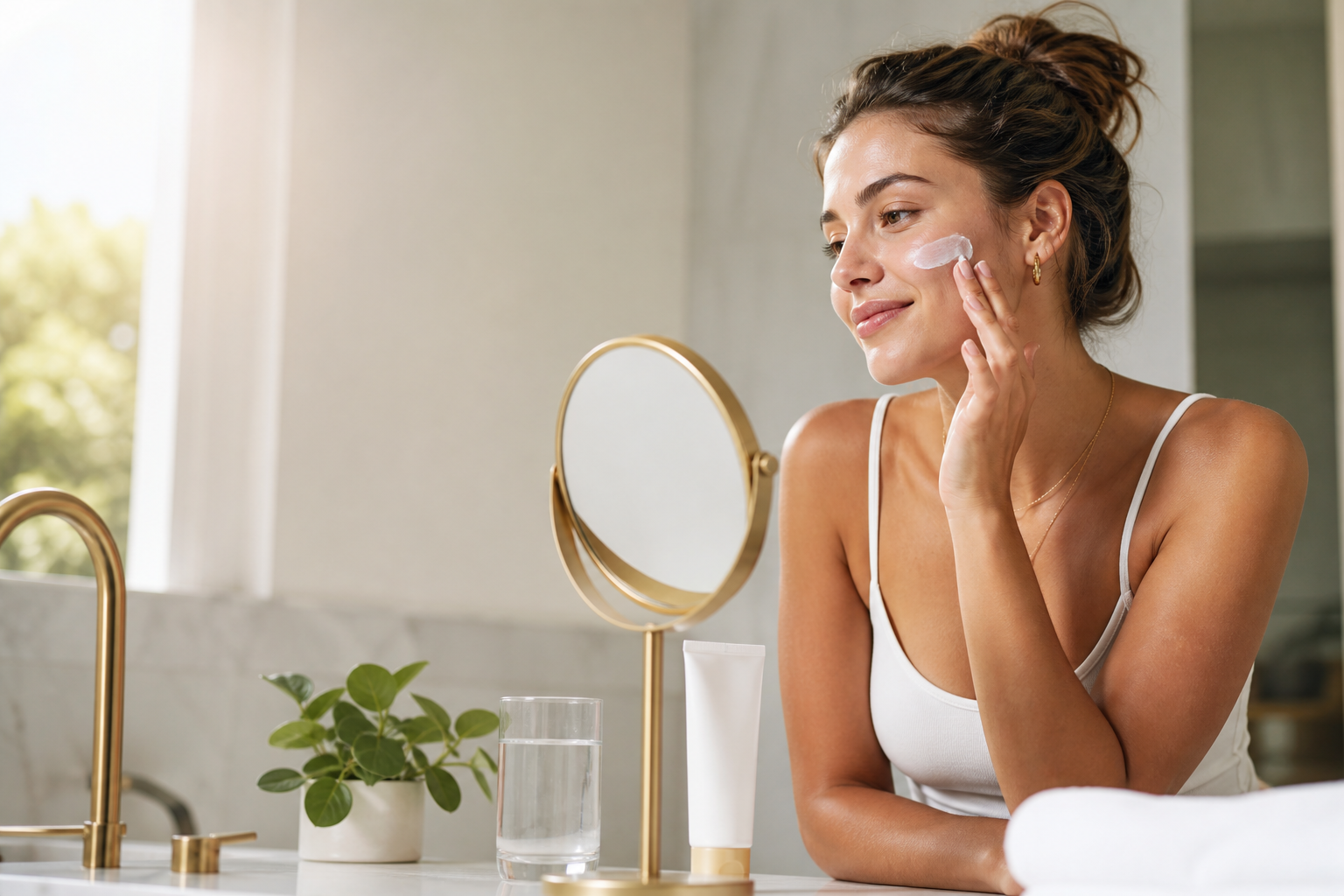
There is no single birthday when skin or cellular aging suddenly begins. However, the mid-20s are a sensible time to make sun protection, skin-barrier care, sleep, movement, nutrition, and evidence-aware product choices routine. Supplements such as nmn or ergothioneine may be interesting areas of research, but they are optional and should be judged by ingredient quality, personal suitability, and the limits of human evidence.
Content
Why is 25 a useful age to start thinking about anti-aging?
The phrase “start at 25” is better understood as a practical reminder than a biological deadline. Your skin does not switch from young to old on a particular birthday. Genetics, skin tone, cumulative ultraviolet exposure, smoking, stress, sleep, nutrition, hormones, and personal skincare all influence how a person changes over time.
What does change is the balance between repair and accumulated exposure. A study of chronologically aged skin found lower collagen synthesis in older skin than in young adult skin, while also noting that photoaging can intensify collagen breakdown [2]. That finding does not prove that every 25-year-old needs an aggressive routine. It does show why habits that reduce avoidable exposure are more useful when started early.
The same logic applies to cellular wellness. NAD+ is a coenzyme involved in energy metabolism and other cellular processes. Reviews report age-related changes in NAD+ across some human tissues, but the size of the change varies by tissue, study method, and age group [3]. In other words, the science supports interest in the pathway without supporting a promise that a supplement can make someone biologically younger.
What changes in your skin and cells during your 20s?
Most people in their 20s are not looking at a dramatic aging process. They may notice that their skin is less forgiving after a late night, that marks linger longer, or that dryness and uneven tone become more noticeable. These everyday observations can reflect many things, including barrier disruption, acne, sun exposure, stress, or simply normal variation. They are not a diagnosis.

Skin structure and cellular energy are related parts of a healthy-aging conversation, but a visual metaphor is not a clinical measurement.
Collagen and the dermal structure. Collagen helps provide the skin with structure. Production and turnover are influenced by age and environmental exposure, especially ultraviolet radiation. The practical takeaway is not to fear every fine line; it is to reduce preventable damage and support the skin barrier with a routine you can repeat.
Cell turnover and the barrier. Skin can feel drier or look duller when cleansing is too harsh, exfoliation is too frequent, or sleep and hydration are inconsistent. A resilient routine is usually less about adding many actives and more about avoiding irritation. Gentle cleansing, adequate moisturization, and sun protection form a stronger base than a crowded shelf.
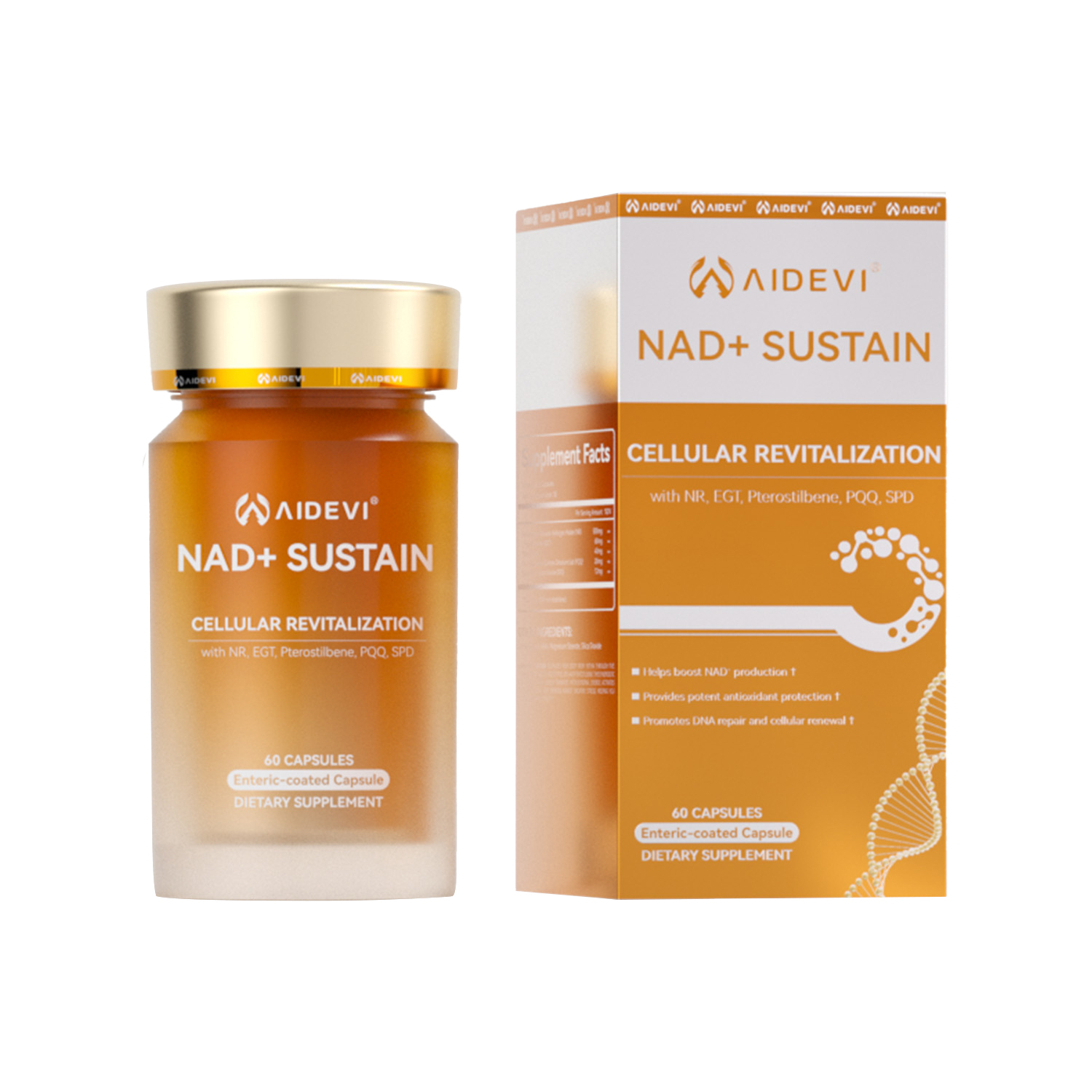
NAD+ and the limits of the analogy. NAD+ helps cells handle energy-related reactions and participates in pathways involved in cellular maintenance. Research on age-related NAD+ changes is promising but not uniform, and raising a biomarker is not the same as proving a visible or long-term outcome. That distinction should remain central whenever NAD+ or NMN is discussed.
What should an anti-aging routine in your 20s include?
A useful routine should be adjustable, consistent, and tailored to your skin. The American Academy of Dermatology recommends a mild cleanser and broad-spectrum, water-resistant SPF 30 or higher as daily basics, then suggests choosing additional products based on your primary concern [1]. That is a more sustainable starting point than copying a complicated routine from social media.
| Priority | Best fit | Consider instead or pause if |
|---|---|---|
| Daily protection | Gentle cleanser, moisturizer, and broad-spectrum SPF 30+ when outdoors | Pause products that sting, cause persistent redness, or make you skip the routine |
| Targeted skincare | Vitamin C for a morning antioxidant step or a retinoid for a specific concern | Do not add multiple new actives at once; ask a clinician about retinoids during pregnancy |
| Lifestyle support | Regular movement, balanced meals, adequate sleep, and stress-management practices | Do not use supplements to compensate for chronic sleep loss, smoking, or an unbalanced diet |
Morning: cleanse gently if needed, use a moisturizer that suits your skin, and apply broad-spectrum sunscreen to exposed skin. Reapply according to the product label and your time outdoors. Sunglasses, shade, hats, and protective clothing can also reduce exposure.
Evening: remove sunscreen and makeup, cleanse without scrubbing, moisturize, and use one targeted active only if your skin tolerates it. Retinoids can be useful for particular concerns, but start slowly and follow product directions. Irritation is not proof that a product is working.
Every few weeks: review what is actually helping. Track comfort, dryness, breakouts, and tolerance rather than expecting a dramatic transformation. If a persistent rash, sudden pigment change, painful acne, or unusual skin change concerns you, seek professional evaluation.
The Protect, Nourish, Support, Track framework
- Protect: reduce ultraviolet exposure and avoid unnecessary irritation.
- Nourish: eat a varied diet, drink to thirst, move regularly, and make sleep a priority.
- Support: add a targeted skincare product or supplement only when its purpose is clear.
- Track: evaluate comfort, adherence, and objective product information before adding more.

The strongest long-term routine is usually the one that fits ordinary mornings, meals, movement, and sleep.
Do NMN, NAD+, or EGT belong in an anti-aging routine?
They may be relevant to a reader interested in cellular wellness, but they are not mandatory starting points for someone in their 20s. A 2022 randomized, placebo-controlled trial in 30 healthy adults reported that 250 mg per day of NMN for 12 weeks increased whole-blood NAD+ levels without obvious adverse effects during the study period [4]. Another small randomized safety study examined 1,250 mg per day for up to four weeks in healthy adults [5]. These findings help explain why NMN is being studied; they do not establish a universal dose, prove an anti-aging outcome, or show that every person should supplement.
If you are comparing options, look for a transparent Supplement Facts panel, clear serving instructions, sensible claims, and quality information that can be verified. AIDEVI readers can continue with the brand’s educational guides on NMN versus NR, NMN dosage by age, and how to think about NMN timing. Those articles can support further research, but they should not replace individualized medical advice.
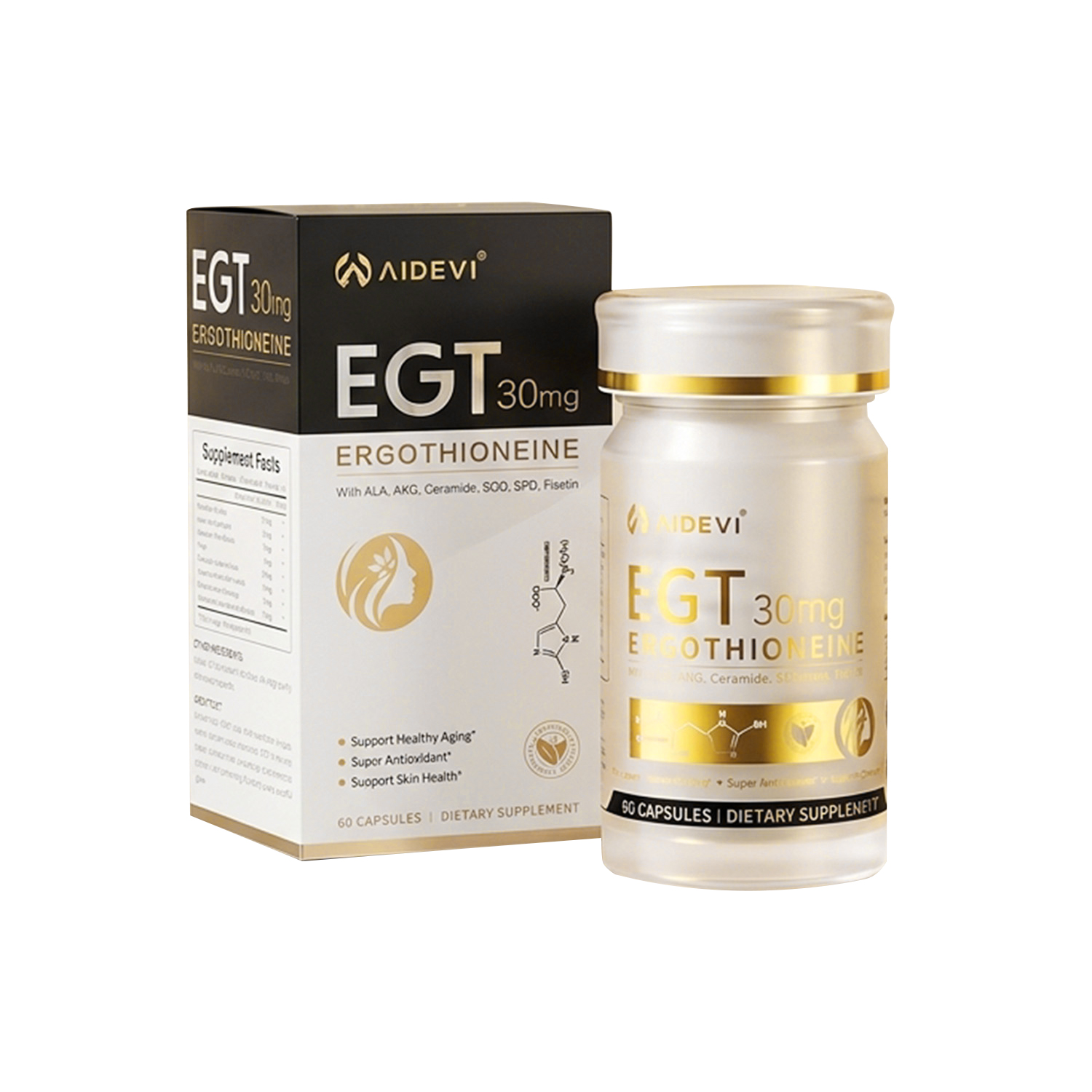
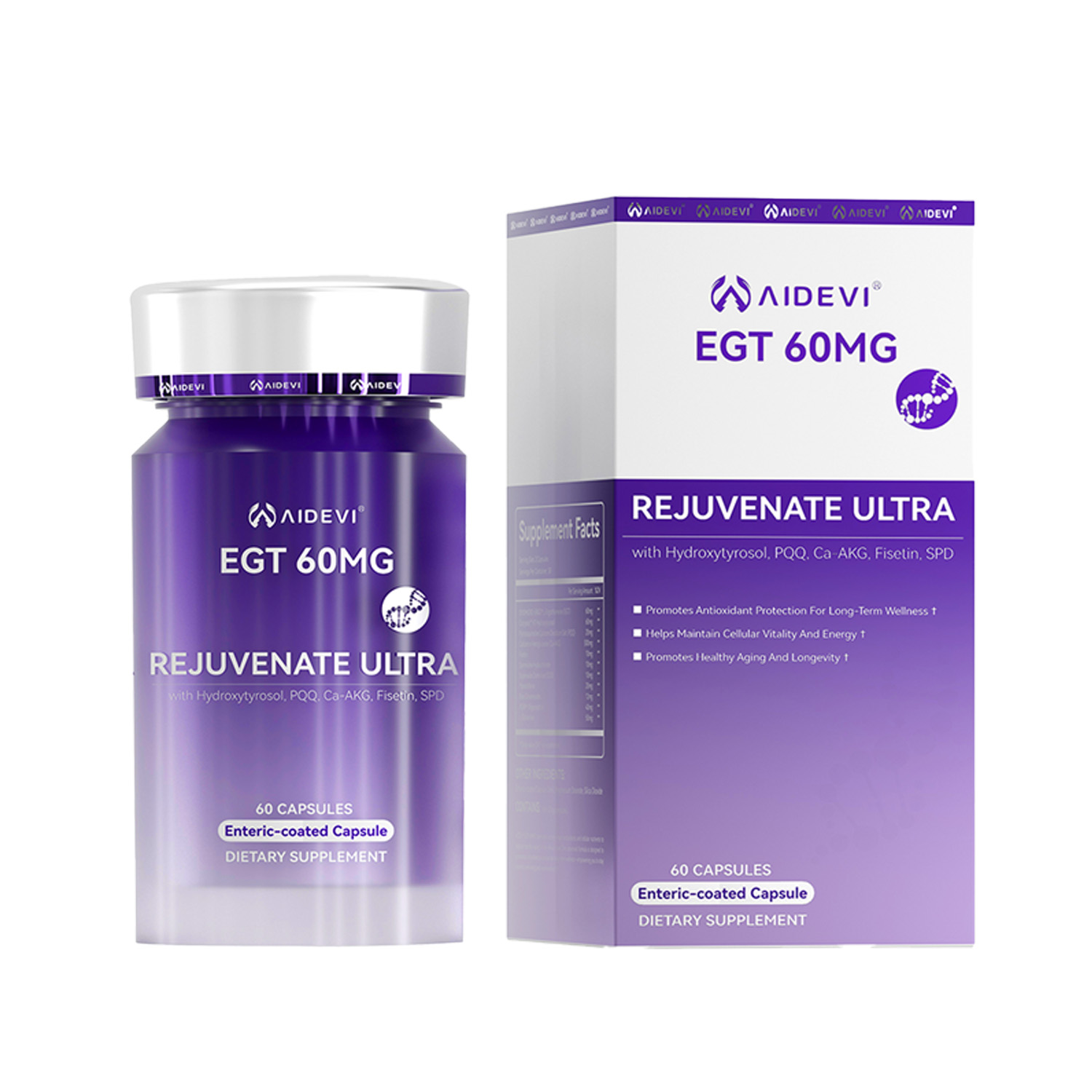
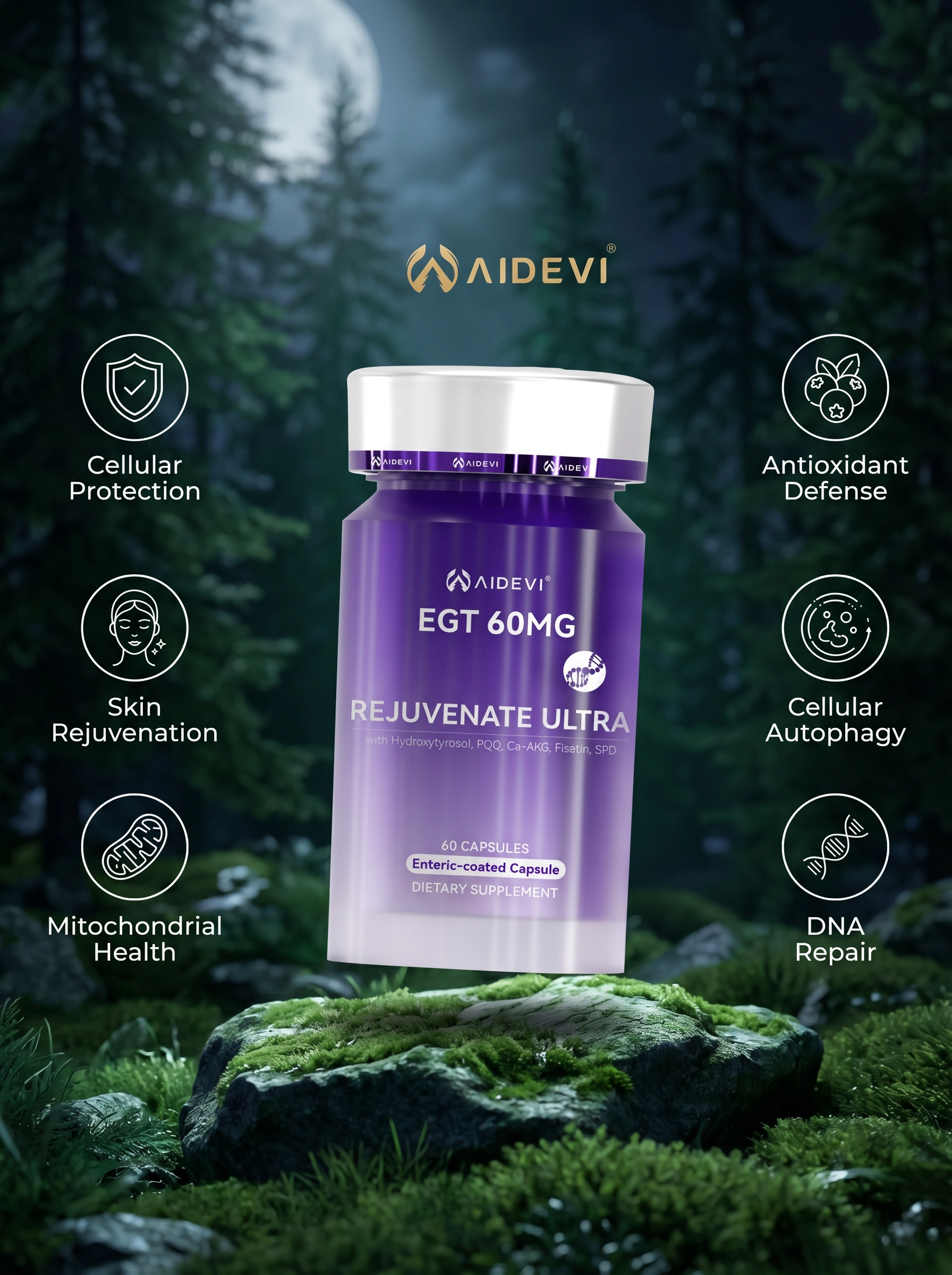
For product context, you can review the label and intended use of AIDEVI NMN 18000 or learn more about AIDEVI EGT. Ergothioneine is an antioxidant compound of interest in healthy-aging research, but product pages should be read for the exact formula, serving information, and applicable warnings. Avoid stacking several overlapping products simply because they use similar longevity language.
A simple decision rule is: best fit means you have a clear goal, understand the label, and have checked suitability; consider instead means improving sleep, food quality, movement, or sun protection would likely be the more basic next step; pause and ask a professional means pregnancy, nursing, medication use, a medical condition, upcoming surgery, or an unexpected reaction.
Which habits matter more than an expensive anti-aging product?
Daily ultraviolet protection is often the highest-value skincare habit because exposure accumulates even when you are not at the beach. Smoking, frequent tanning, chronic sleep restriction, high alcohol intake, and a highly processed diet can also work against overall wellness. Avoiding these patterns is more useful than trying to “cancel out” them with a capsule or serum.
Aim for a balanced pattern rather than perfection: colorful fruits and vegetables, adequate protein, regular physical activity, enough sleep to feel restored, and stress practices you can sustain. Exercise and sleep support many aspects of health, but they should not be marketed as guaranteed ways to change biological age. Healthy aging is a long-term process, not a result that can be promised by one ingredient.
What should you avoid when starting at 25?
Avoid turning a reasonable milestone into an anxious shopping list. Adding a strong exfoliant, retinoid, vitamin C product, peptide serum, and several supplements at the same time makes it difficult to identify what helps or irritates you. It can also create unnecessary overlap and expense. Introduce one meaningful change, give it enough time to assess tolerance, and keep the rest of the routine stable.
Also avoid judging progress only through close-up mirror checks. Skin changes with weather, menstrual cycles, stress, sleep, and camera lighting. A calmer approach is to record your routine, note comfort and reactions, take occasional photos in similar light if you want to compare, and focus on whether you can maintain the habit. If a product causes burning, swelling, hives, persistent peeling, or a worsening rash, stop using it and ask a qualified professional what to do next.
Most importantly, do not confuse “anti-aging” with a promise to preserve a particular appearance. Healthy aging includes function, energy, mobility, emotional well-being, and the ability to participate in the life you want. Skin care and supplements can support a personal wellness plan, but they are only small parts of that larger picture.
Conclusion
Should you start anti-aging in your 20s? Start with the parts that have the clearest practical value: protect your skin from ultraviolet exposure, keep the barrier comfortable, choose targeted products slowly, eat and sleep in ways that support your life, and seek professional advice when a concern is persistent or unusual. Age 25 is a helpful prompt to build those habits, not a deadline or a reason to panic.
NMN, NAD+, and EGT can be part of an informed longevity conversation, but the evidence is still developing and biomarker changes are not the same as proven long-term outcomes. If you choose to explore a supplement, use the label, quality information, personal context, and clinician guidance as your decision framework.
Frequently Asked Questions
Is 25 too early to start an anti-aging skincare routine?
No, but “start” should mean building a gentle, protective foundation rather than using every active ingredient. Daily sunscreen, suitable cleansing, moisturization, and attention to your main skin concern are reasonable steps at many ages.
What is the single most important anti-aging habit?
For skin, consistent broad-spectrum sunscreen and sensible sun-avoidance habits are among the clearest priorities. A routine only works when it is comfortable enough to use consistently and correctly.
Should everyone in their 20s take NMN?
No. NMN is an area of active research, and small human trials have mainly examined NAD+ levels or short-term safety rather than proving a universal anti-aging benefit. Discuss it with a healthcare professional if you have a condition, take medication, are pregnant or nursing, or are unsure whether it fits your goals.
Can retinol be used in your 20s?
A retinoid may be appropriate for a specific concern, but introduce it gradually, follow the product directions, moisturize, and stop if irritation is persistent. Ask a healthcare professional about retinoid use during pregnancy or if you have a skin condition.
How can I tell whether a supplement is worth considering?
Start with the goal and the label. Look for transparent ingredients and serving information, avoid guaranteed-outcome language, check for overlapping products, and consider whether a basic habit would address the same need more directly.
References
[1] American Academy of Dermatology Association. Dermatologist-recommended skin care for your 20s.
[2] Varani J, et al. Decreased Collagen Production in Chronologically Aged Skin. The American Journal of Pathology.
[3] Rajman L, Chwalek K, et al. Age-related NAD+ decline. PMC review.
[4] Okabe K, et al. Oral Administration of Nicotinamide Mononucleotide Is Safe and Efficiently Increases Blood NAD+ Levels in Healthy Subjects.
[5] Irie J, et al. Safety evaluation of β-nicotinamide mononucleotide oral administration in healthy adult men and women.
Individual results may vary. Consult a healthcare professional before starting any new supplement, especially if pregnant, nursing, taking medication, or managing a medical condition. These statements have not been evaluated by the Food and Drug Administration. This product is not intended to diagnose, treat, cure, or prevent any disease.
