
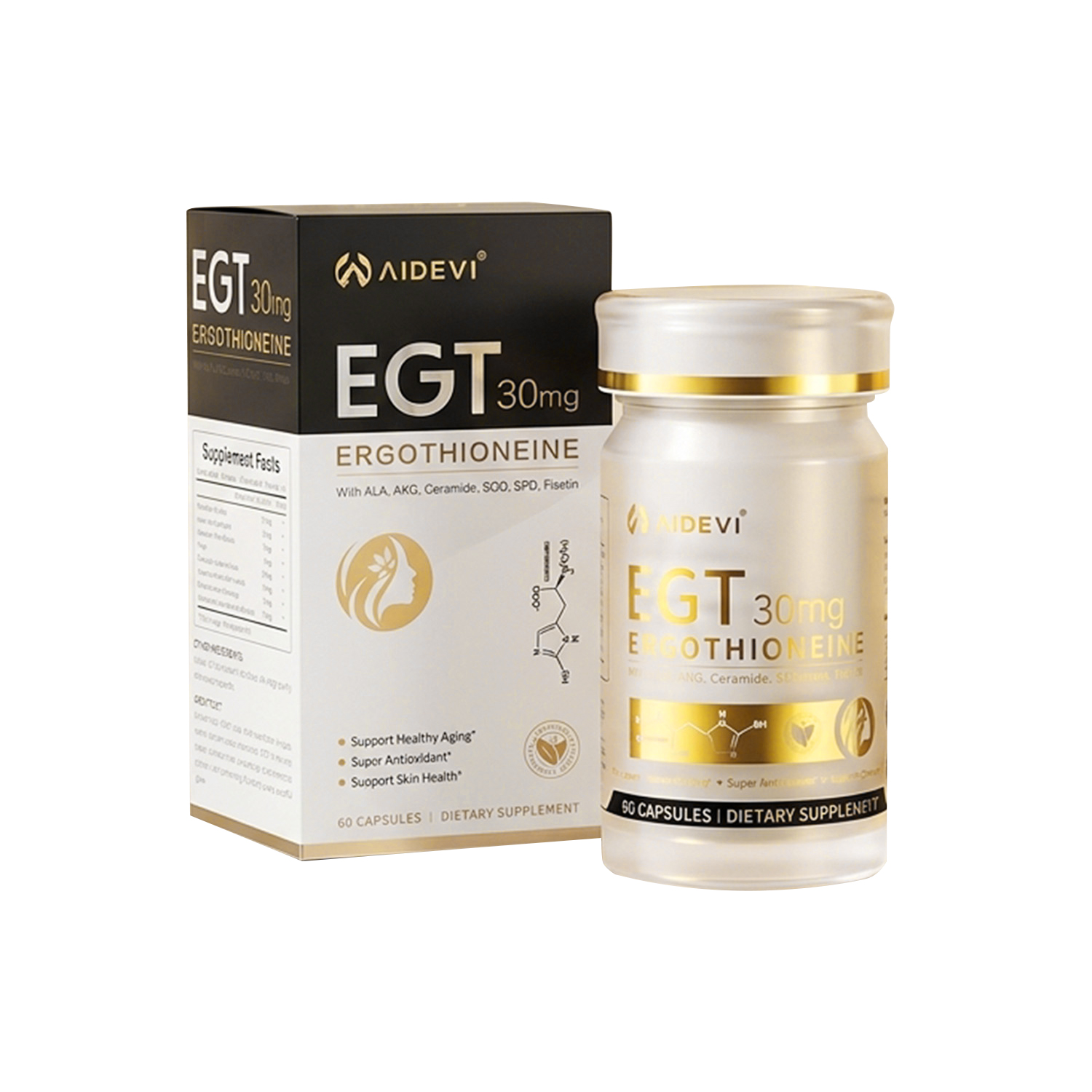
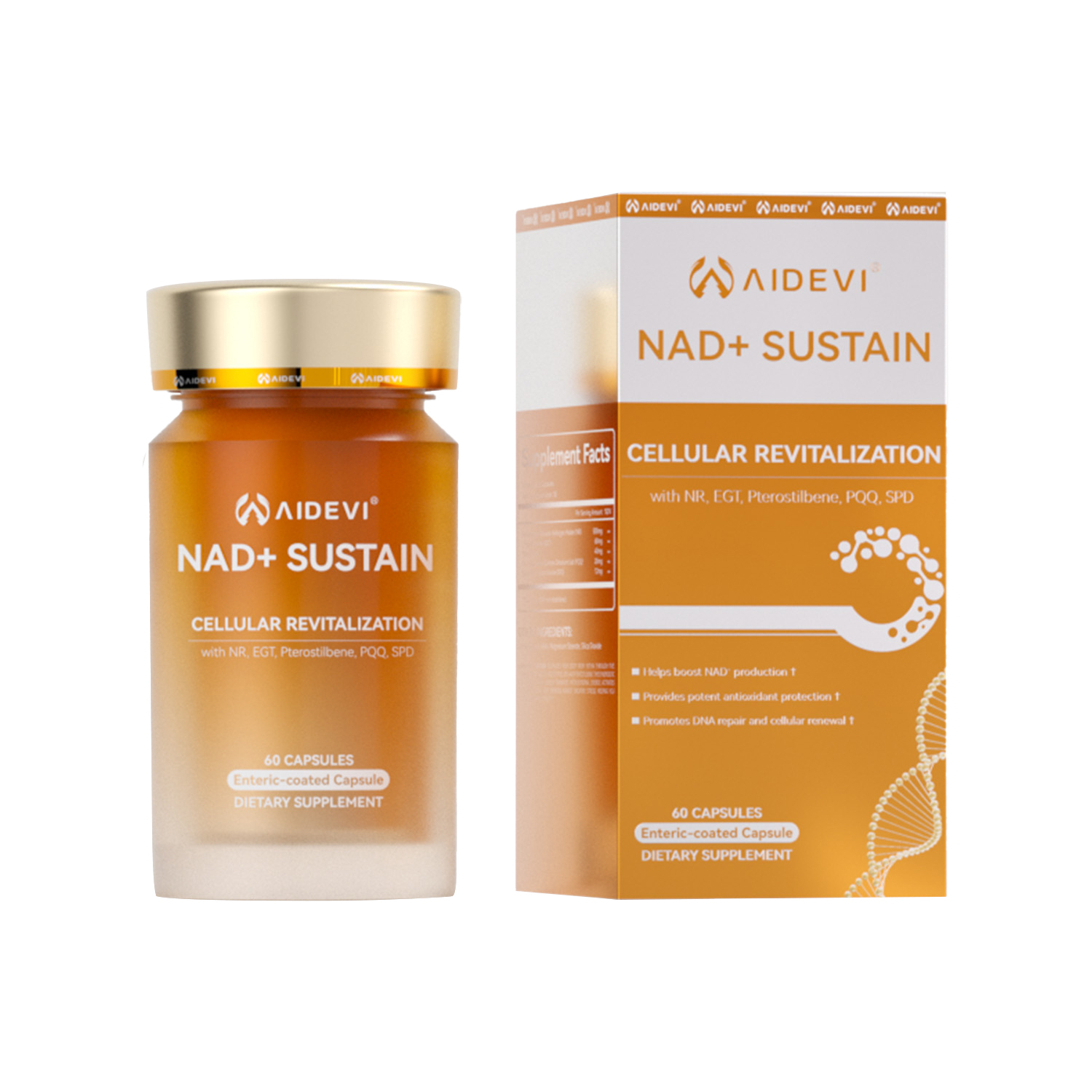


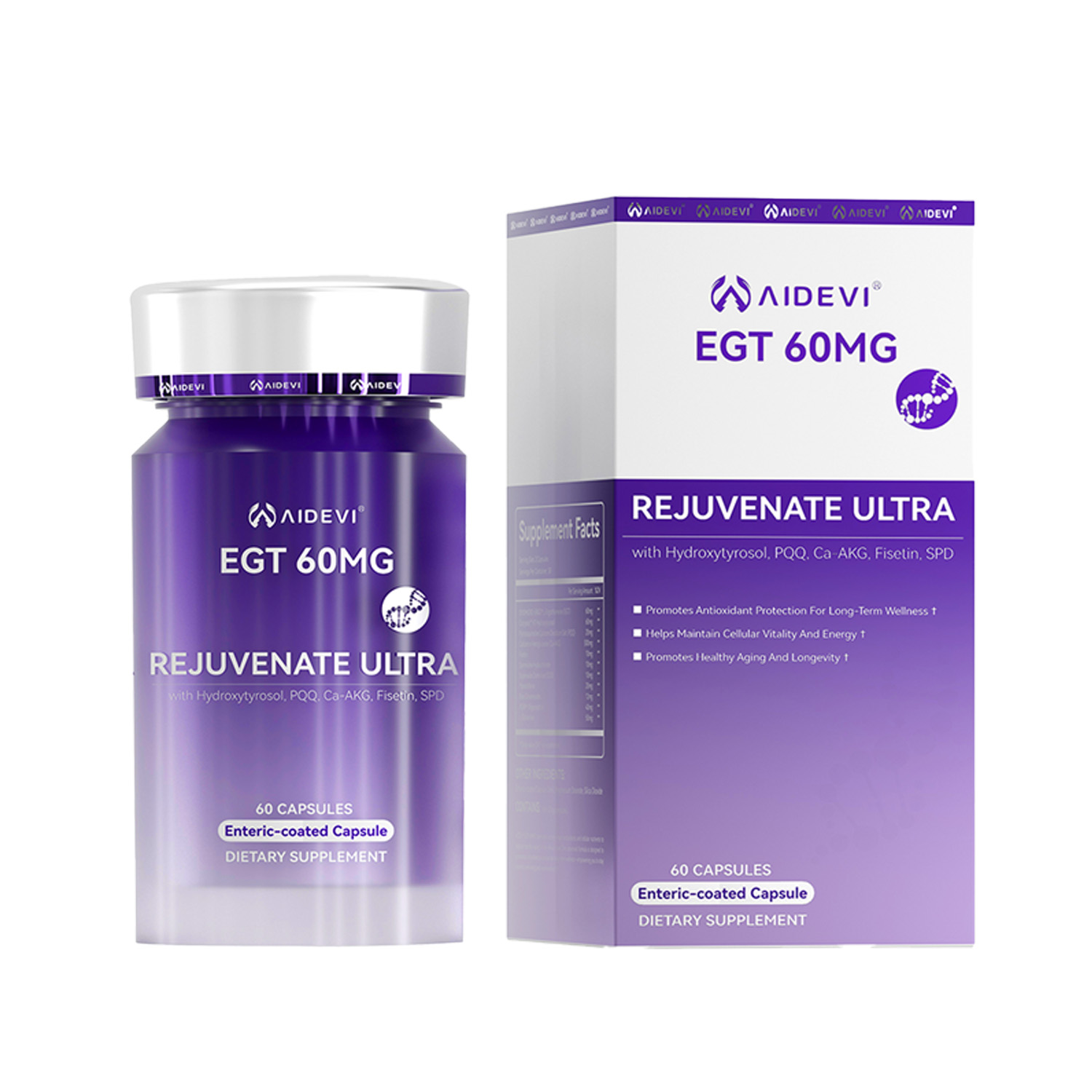

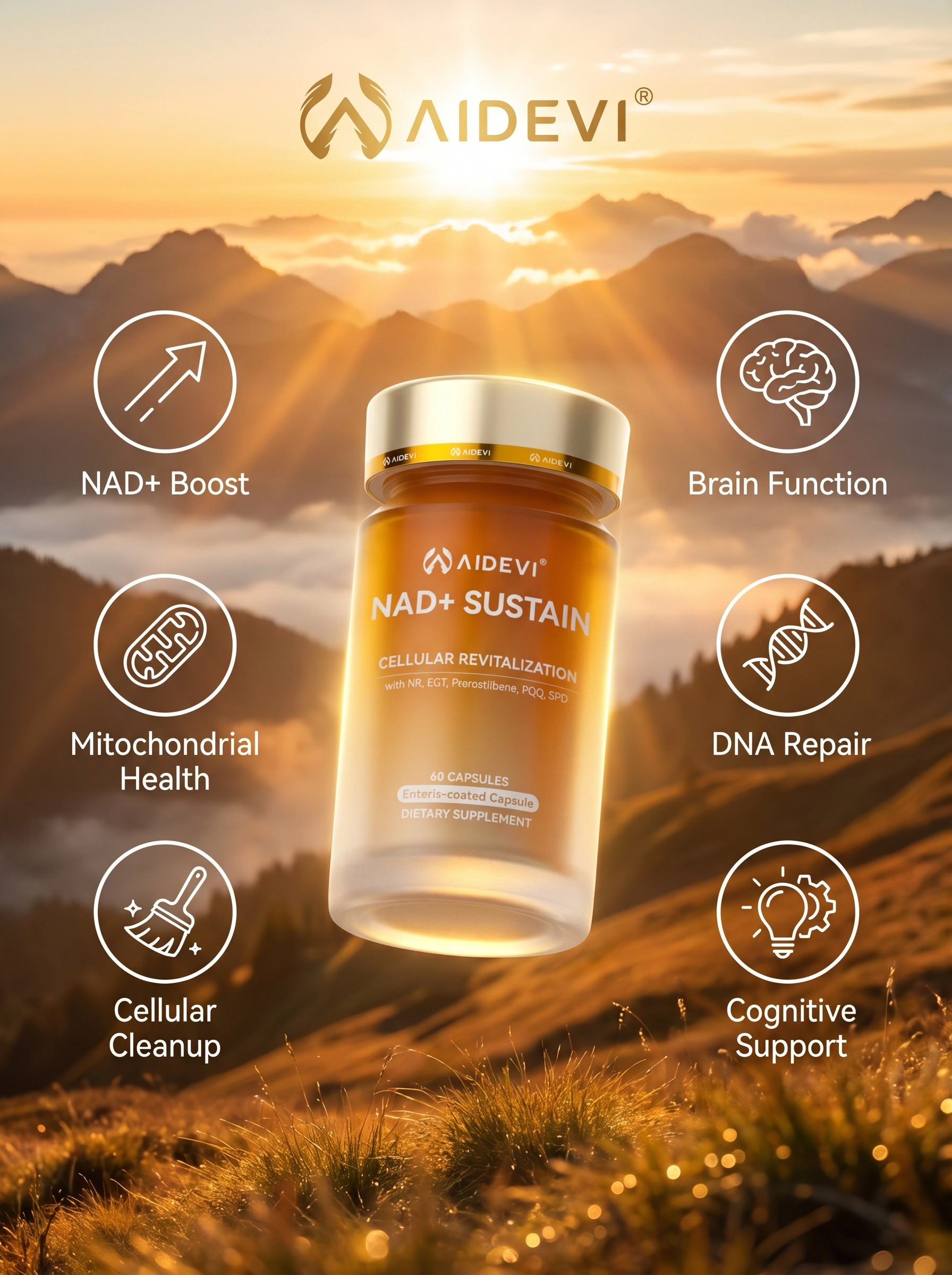
AIDEVI Cellular Wellness Guide
AIDEVI NAD+: Exploring the Human Anatomy, Cellular Functions, and Needs
NAD+ is a coenzyme used by cells throughout the human body for energy metabolism, redox reactions, DNA repair signaling, and cellular communication. Because organs are built from specialized cells, NAD+ sits at the quiet center of many body systems, including muscle, brain, liver, heart, skin, and immune function. Supporting NAD+ wellness starts with understanding cells first.
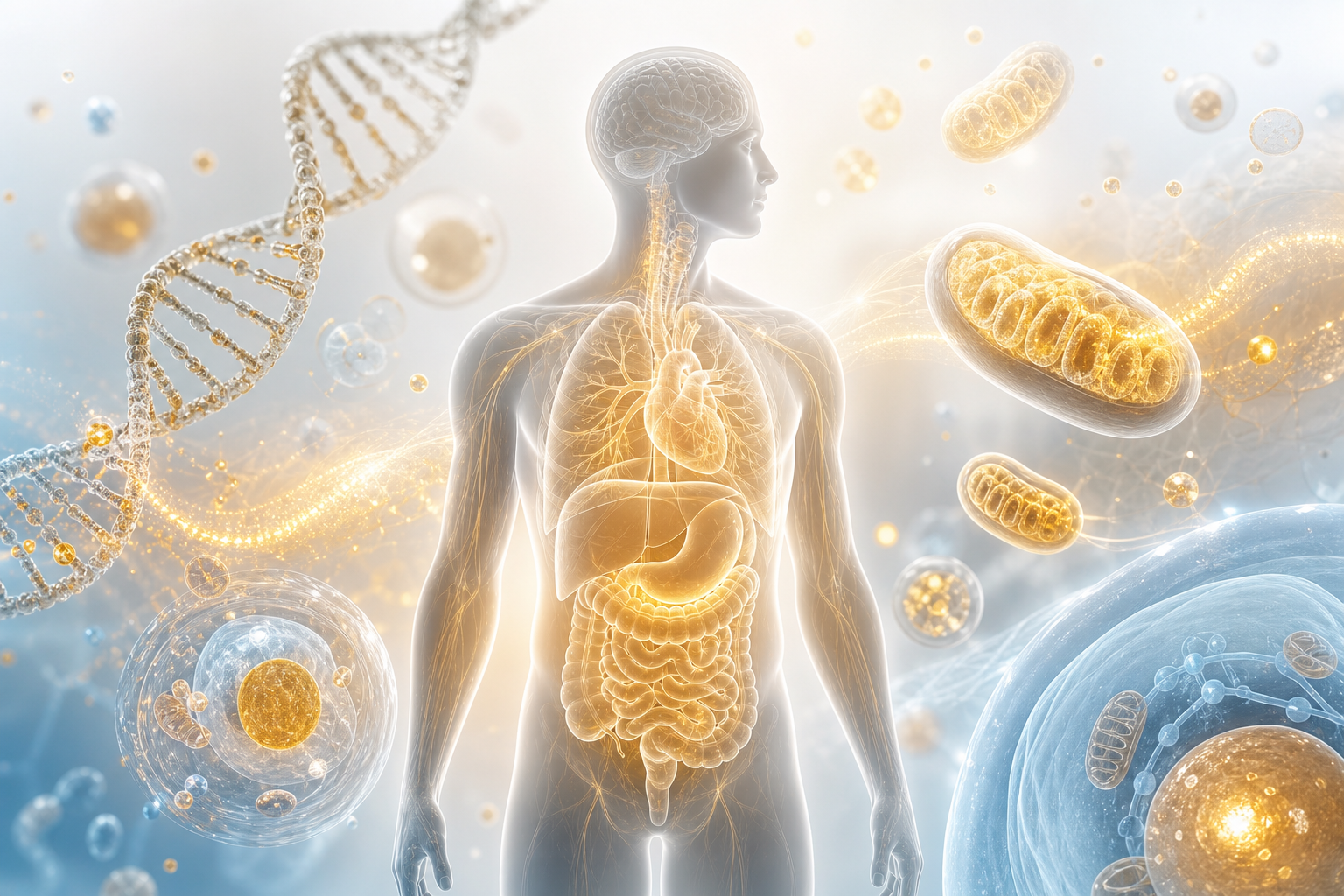
- The human body is made of organs, organs are made of tissues, and tissues are made of cells that depend on chemical energy and repair systems.
- NAD+ helps cells move electrons during metabolism and also serves as a substrate for enzymes involved in DNA repair, sirtuin signaling, and cellular stress responses.
- NAD+ support is not one ingredient alone. Sleep, nutrition, exercise, metabolic health, and NAD+ precursors can all influence the cellular wellness picture.
Content
NAD+ matters because every organ ultimately depends on cellular work. Muscle cells need energy turnover, liver cells manage metabolic traffic, brain cells communicate, skin cells renew, and immune cells respond to stress. NAD+ helps connect food-derived energy, mitochondrial function, enzyme activity, and repair signaling into one cellular operating system.
How do organs and cells connect to NAD+?
Human anatomy can look like a map of organs: brain, heart, lungs, liver, gut, muscles, bones, skin, blood vessels, and nerves. But every organ is built from cells. Those cells are not passive bricks. They sense their environment, convert nutrients into usable energy, repair damage, communicate with nearby cells, and adapt to daily demands.
That is where NAD+ becomes important. NAD+ stands for nicotinamide adenine dinucleotide. It is derived from vitamin B3 pathways and is used in many enzymatic reactions. The NIH Office of Dietary Supplements notes that niacin is incorporated into NAD and NADP, coenzymes involved in cellular metabolism [1]. In practical terms, NAD+ helps translate food and oxygen into cellular work.
Different organs have different jobs, so their cellular demands differ. Muscle cells need rapid ATP turnover during movement. Brain cells require constant energy to maintain signaling. Liver cells coordinate nutrient processing and detoxification pathways. Skin cells face environmental stress. Heart cells contract continuously. AIDEVI's broader guide on what NAD is and how it connects with cellular energy gives readers a focused definition before moving into advanced routines.
What does NAD+ do inside cells?
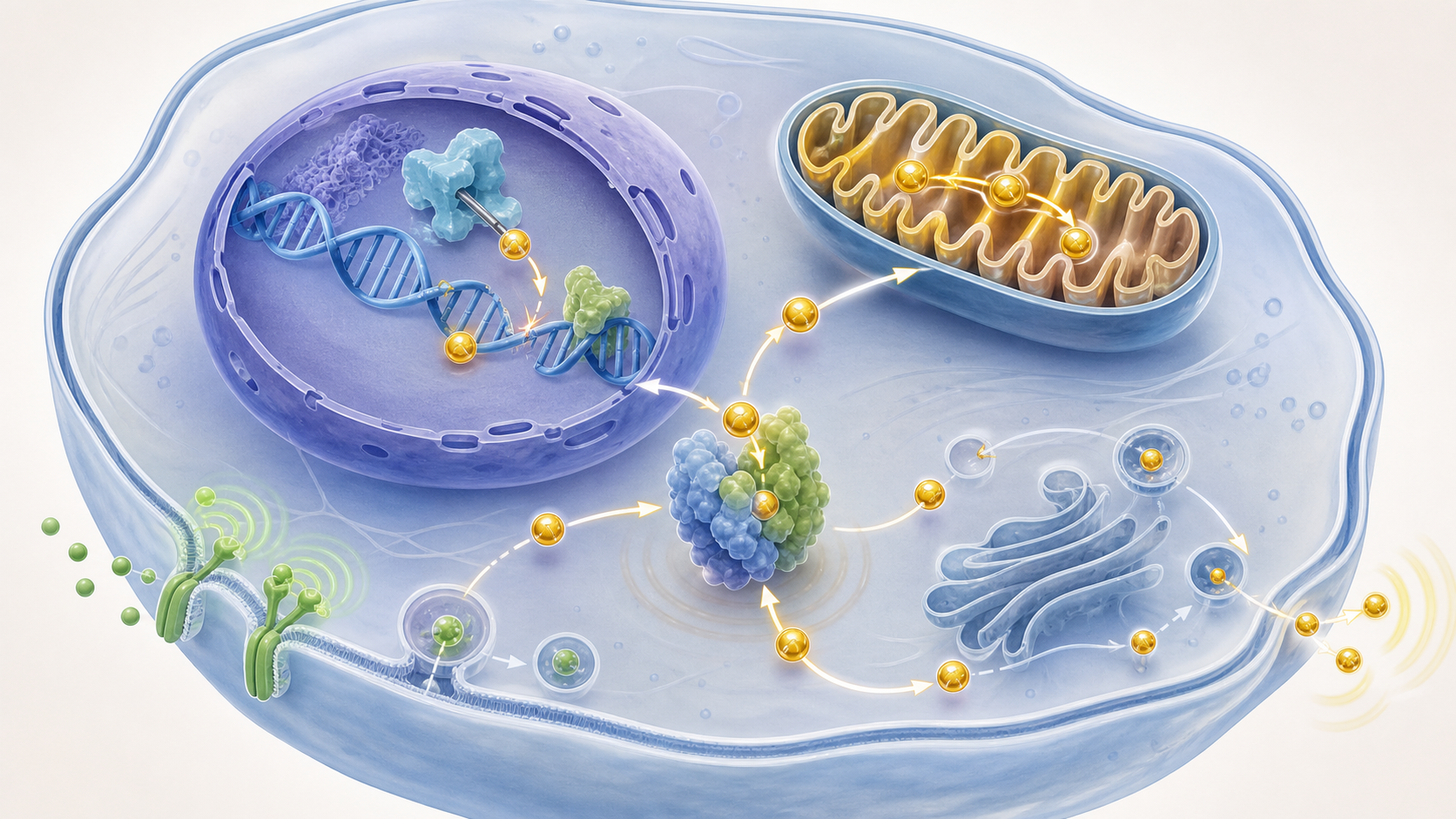
NAD+ has two main categories of work. First, it acts as a redox coenzyme. That means it helps transfer electrons in metabolic reactions, especially the pathways that turn carbohydrates, fats, and proteins into usable cellular energy. Second, NAD+ is consumed by enzymes that regulate cellular signaling, DNA repair activity, and stress responses. Reviews of NAD+ biology describe its involvement in redox metabolism, sirtuins, PARPs, CD38, mitochondrial function, and aging-related cellular processes [2].
This is why the phrase "cellular energy" can be both useful and oversimplified. NAD+ is not energy itself. ATP is the immediate energy currency cells spend. NAD+ helps the machinery run so that energy can be produced, transferred, and regulated. If ATP is the spendable money of the cell, NAD+ is part of the accounting and transport system that helps energy pathways stay organized.
NAD+ also participates in DNA repair signaling through enzymes such as PARPs. Cells experience routine DNA stress from normal metabolism and environmental exposures. NAD+-dependent pathways help coordinate the response, but that should not be mistaken for a claim that NAD+ supplements automatically repair DNA damage. The better language is that NAD+ is involved in normal cellular repair and maintenance systems.
For readers who want the energy side of the story, AIDEVI's article on cellular energy production and NMN supplementation connects NAD+ precursors with mitochondria, ATP, and daily energy support.
What affects the body's NAD+ needs?
The body does not have a single fixed NAD+ requirement that applies to every person every day. NAD+ metabolism is dynamic. It is influenced by nutrient intake, cellular workload, circadian rhythm, physical activity, inflammation-related stress, alcohol intake, metabolic health, and age. Research reviews report that NAD+ levels and NAD+-related pathways can change with age and cellular stress, though the pattern differs by tissue and context [2].
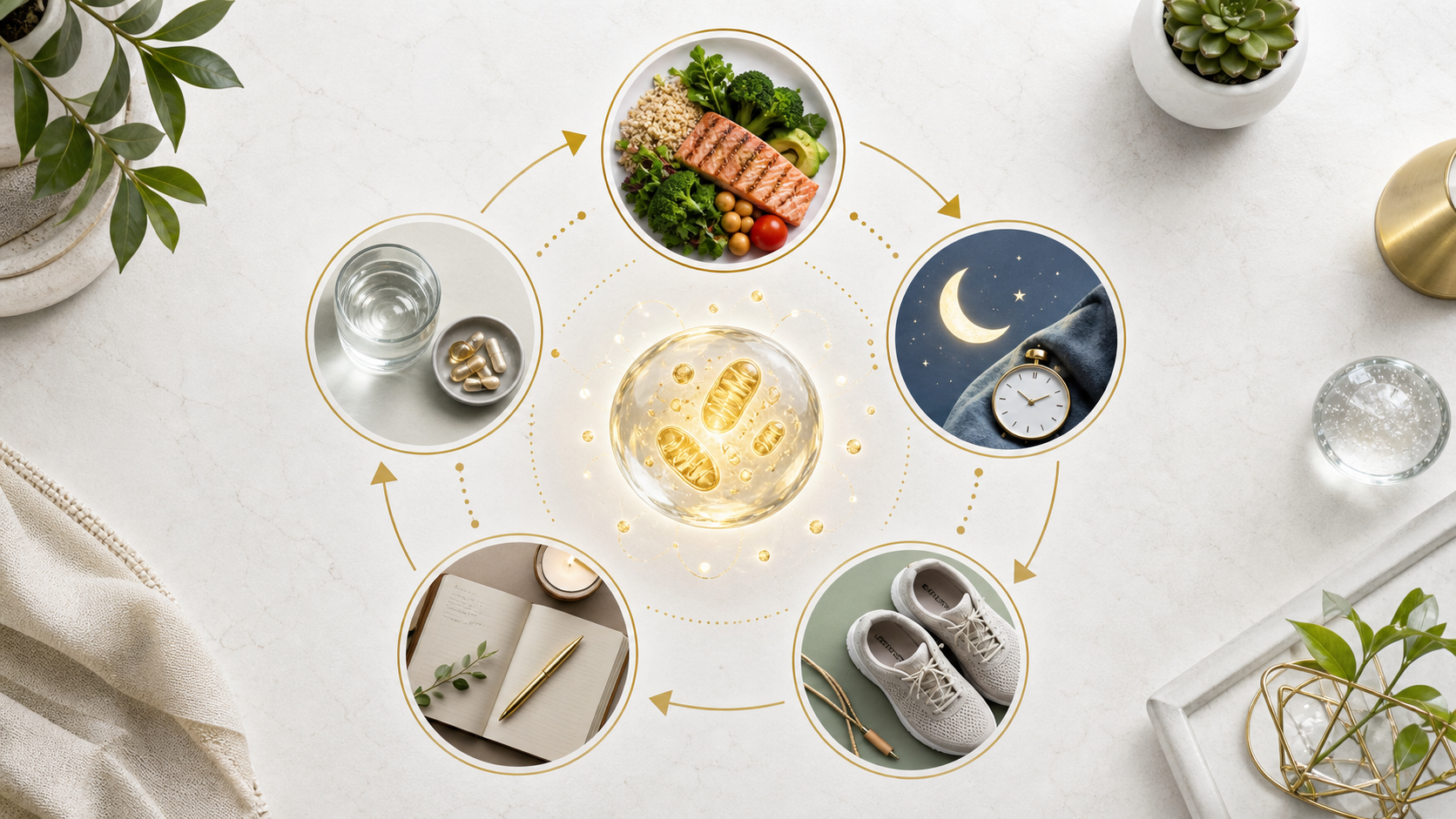
A practical NAD+ support strategy should start with the basics. Sleep helps organize circadian biology. Exercise places a healthy demand on mitochondria and metabolic flexibility. Protein, B vitamins, minerals, and colorful plant foods support the broader nutritional environment. Alcohol moderation matters because alcohol metabolism uses NAD+-related redox chemistry. Stress management helps keep daily routines stable enough to work.
AIDEVI's guide to natural ways to support NAD levels is a useful next step for readers who want lifestyle-first actions before comparing supplement formats. Readers can also explore lifestyle changes for cellular health when they want a broader foundation.
AIDEVI NAD+ Support Map
| Body Need | Cellular Meaning | Practical Support |
|---|---|---|
| Energy turnover | Mitochondria and metabolism need redox balance to turn nutrients into ATP. | Balanced meals, movement, sleep, and NAD+ precursor awareness. |
| Repair and maintenance | NAD+-dependent enzymes participate in normal DNA repair signaling. | Antioxidant-rich foods, lower avoidable stressors, and steady recovery habits. |
| Healthy aging routines | Cellular resilience depends on many systems, not only one coenzyme. | Choose supplements by goal, format, quality, and personal tolerance. |
Who may think more carefully about NAD+ support?
NAD+ support is often discussed by people who feel the gap between normal daily demands and their recovery habits. That may include adults with demanding work schedules, frequent travel, irregular sleep, intense training, or a general interest in healthy aging. It may also include people over 40 who are becoming more attentive to energy, body composition, metabolic wellness, and long-term resilience. These are wellness contexts, not diagnoses.
The useful question is not "Do I need NAD+ because I am aging?" A better question is "Which cellular systems am I asking to work harder, and am I supporting them with the basics?" Someone who sleeps five hours a night, skips protein, drinks alcohol frequently, and never exercises may benefit more from rebuilding daily habits before adding a complex supplement stack. Someone who already has a strong foundation may use NAD+ precursor education to refine a healthy-aging routine.
AIDEVI readers can use a simple filter: notice the need, choose the support layer, and track the response. If the need is energy consistency, look at sleep timing, meals, training load, hydration, and NAD+ precursor options. If the need is cellular resilience, look at antioxidant intake, recovery, and stress load. If the need is format convenience, compare capsules, patches, and other delivery approaches with realistic expectations.
Before choosing a NAD+ support product, check four things
- Goal: Are you supporting energy metabolism, healthy aging, recovery habits, or general cellular wellness?
- Form: Are you comparing NAD+, nmn, NR, NADH, patches, capsules, or other formats with the same expectations?
- Stack: Are you already taking B vitamins, antioxidants, stimulants, or other supplements that overlap with the same routine?
- Safety: Do you have a reason to ask a clinician first, such as pregnancy, medication use, surgery plans, or a managed condition?
What is the relationship between NAD+ and NMN?
NMN, or nicotinamide mononucleotide, is one of the molecules involved in NAD+ biosynthesis. In simple language, NMN is a precursor the body can use in NAD+ metabolism. NR, or nicotinamide riboside, is another widely discussed NAD+ precursor. Human studies have reported that oral NR can raise blood NAD+ metabolites and has been well tolerated in studied adults [3]. Early human NMN studies have also evaluated tolerability and NAD+-related outcomes, but research is still developing [4].
This relationship is why NMN, NR, NAD+, and NADH often appear together in supplement conversations. They are connected, but they are not identical. NAD+ is the coenzyme used inside cells. NMN and NR are precursors. NADH is the reduced form of NAD+ used in redox cycling. AIDEVI's comparison of NAD+ vs NMN differences and benefits helps clarify the decision for readers comparing formats.
Some people prefer capsules or powders; others explore patches, injections, or different delivery formats. Format choice should be based on goals, comfort, ingredient clarity, quality checks, and professional guidance when needed. Readers comparing formats can continue with AIDEVI's article on NAD patches versus oral supplements or the guide to NAD injections versus NMN supplements.
How should AIDEVI readers think about NAD+ support?
AIDEVI's position is practical: learn the biology, choose the routine that fits your body, and avoid turning one molecule into a miracle story. NAD+ is essential to cell function, but the body is a system. A supplement can support a wellness routine, yet it cannot replace sleep, nutrition, activity, hydration, or medical care when care is needed.
For healthy-aging shoppers, the smartest question is "What cellular need am I trying to support?" If the answer is energy metabolism, look at exercise, sleep, meal timing, and NAD+ precursor options. If the answer is antioxidant resilience, compare NAD+ support with antioxidants such as CoQ10, resveratrol, and ergothioneine. If the answer is long-term wellness, build a routine you can follow calmly. AIDEVI's guide to healthy aging and antioxidant properties of NMN supplements gives useful adjacent context.
AIDEVI also recommends being careful with stacked supplement routines. More ingredients do not always mean a better routine. Start with one goal, check the ingredient label, understand the format, and track how you feel over several weeks. If you are pregnant, nursing, taking medication, preparing for surgery, or managing a medical condition, talk with a qualified healthcare professional before starting NAD+, NMN, NR, or related products.
Conclusion
NAD+ helps connect human anatomy with cellular function. Organs depend on tissues, tissues depend on cells, and cells depend on metabolism, signaling, repair, and communication. NAD+ participates in many of these processes, which is why it has become central to discussions about cellular energy and healthy aging.
The best NAD+ conversation is balanced. NAD+ is important, NMN and NR are relevant precursors, and emerging research is useful. At the same time, a strong cellular-wellness plan still begins with daily habits: sleep, nutrition, movement, stress management, and thoughtful supplement choices.
Frequently Asked Questions
Is NAD+ the same as energy?
No. ATP is the immediate energy currency cells use. NAD+ helps metabolic pathways transfer electrons and regulate processes that support ATP production and cellular function.
Which organs use NAD+?
All organs depend on cells, and all cells use NAD+-related metabolism. High-demand tissues such as brain, heart, muscle, liver, and immune cells are often discussed because their workloads are especially energy-intensive.
Can NMN help the body make NAD+?
NMN is a NAD+ precursor involved in NAD+ biosynthesis. Human research is growing, but results should be interpreted as cellular-wellness support evidence, not as a certain outcome for every person.
What habits support NAD+ wellness?
Sleep, regular movement, balanced nutrition, alcohol moderation, stress management, and healthy metabolic habits all support the environment in which NAD+ metabolism operates.
Should everyone take a NAD+ supplement?
Not necessarily. Supplement choices depend on goals, health status, age, medications, diet, tolerance, and professional guidance. NAD+ support should be personalized rather than automatic.
These statements have not been evaluated by the Food and Drug Administration. This product is not intended to diagnose, treat, cure, or prevent any disease. Dietary supplements should be used as part of a balanced lifestyle, and you should consult a qualified healthcare professional before starting any new supplement, especially if you are pregnant, nursing, taking medication, preparing for surgery, or managing a medical condition.
References
- NIH Office of Dietary Supplements. Niacin Fact Sheet for Health Professionals. https://ods.od.nih.gov/factsheets/Niacin-HealthProfessional/
- NAD+ metabolism and its roles in cellular processes during ageing. https://pmc.ncbi.nlm.nih.gov/articles/PMC7963035/
- Chronic nicotinamide riboside supplementation is well-tolerated and elevates NAD+ in healthy middle-aged and older adults. https://pubmed.ncbi.nlm.nih.gov/31278280/
- Safety evaluation of oral nicotinamide mononucleotide administration in healthy adult men. https://pubmed.ncbi.nlm.nih.gov/31685720/
