



AIDEVI Wellness Guide
11 Proven Ways to Boost NAD+ Levels Naturally: You Need To Know
The most practical ways to support NAD+ naturally are not exotic: eat enough vitamin B3 and protein, move regularly, sleep on a steady rhythm, manage stress, limit alcohol, protect your skin from excessive UV, and keep metabolism resilient. NAD+ is central to energy metabolism and cell-maintenance pathways, so daily habits matter before any supplement enters the conversation [1].
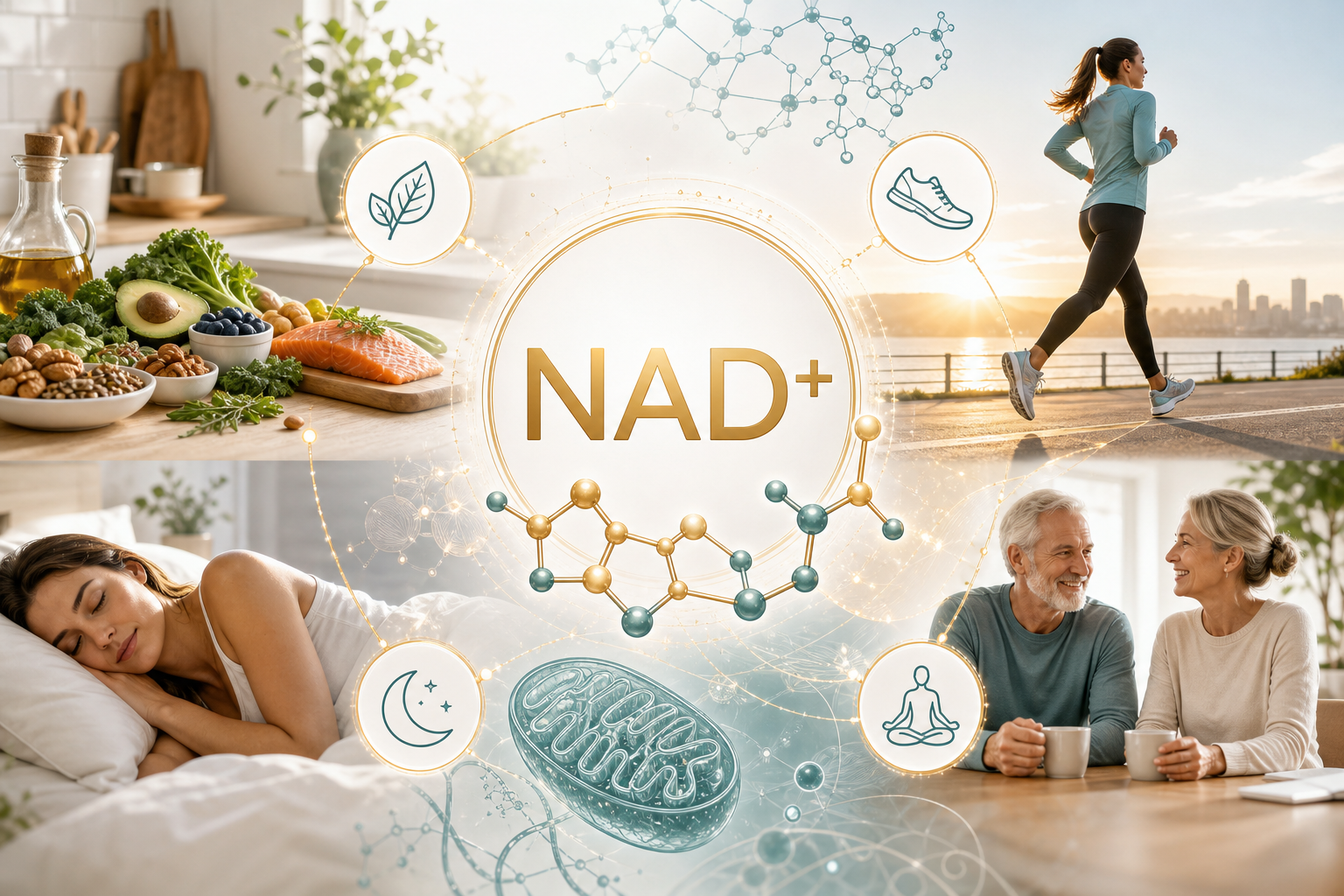
- NAD+ supports redox metabolism, mitochondrial energy production, DNA repair signaling, sirtuins, PARPs, and immune-cell function [1].
- Niacin, a form of vitamin B3, is converted by body tissues into NAD, and more than 400 enzymes require NAD to catalyze reactions [2].
- Exercise, sleep timing, calorie balance, and stress load influence the same cellular environment that NAD+ pathways depend on.
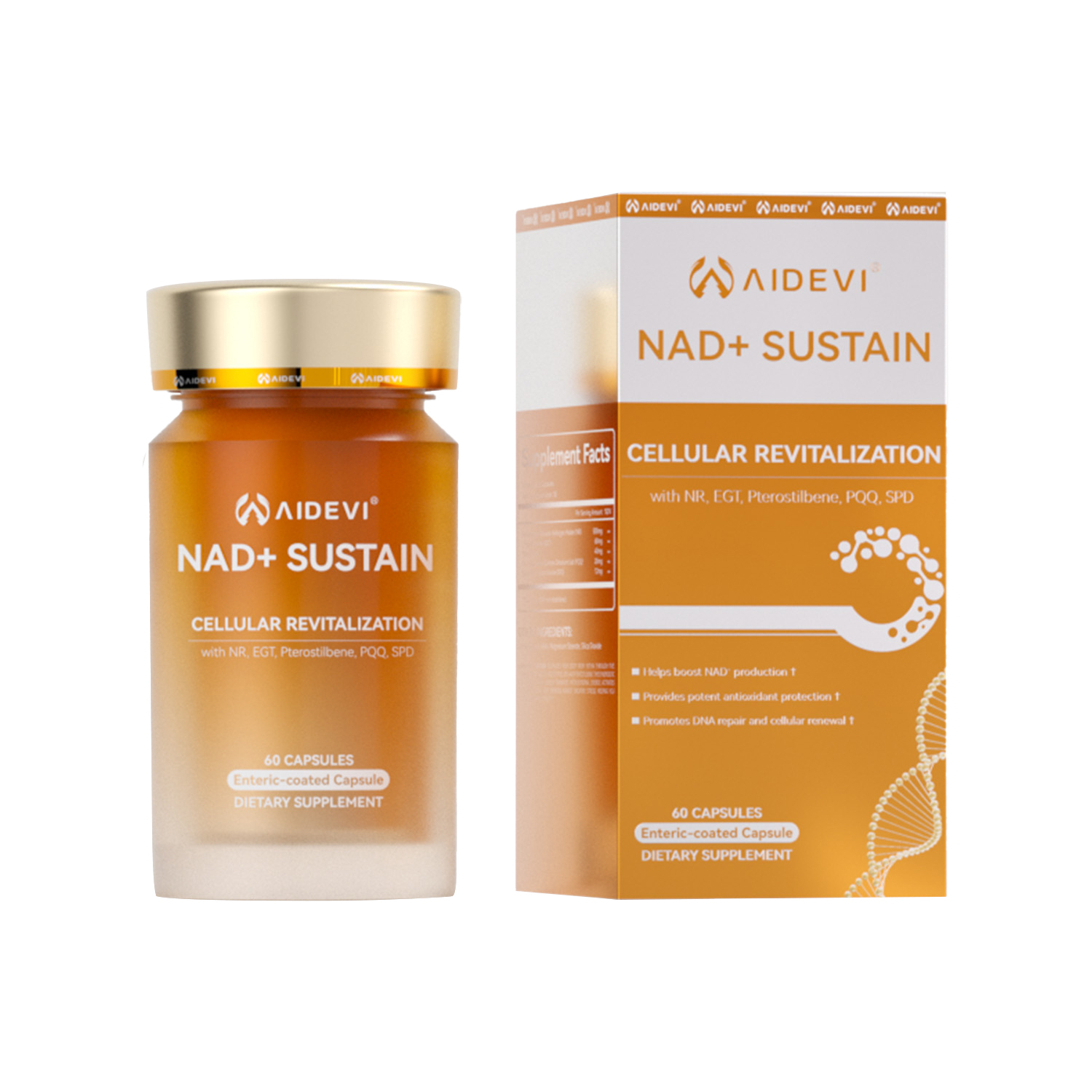
- Supplements such as nmn or NR can be considered later, but they should complement lifestyle, not replace it.
A natural NAD+ plan works best as a weekly rhythm: nourish with NAD+ precursors, train mitochondria with movement, protect sleep and circadian timing, reduce avoidable NAD+ drain, and track how your energy, recovery, and focus respond over several weeks.
Content
Why does NAD+ matter for daily vitality?
NAD+ stands for nicotinamide adenine dinucleotide. It helps cells transfer electrons during energy metabolism and also serves as a cofactor for enzymes involved in cellular maintenance. In plain English, NAD+ helps connect what you eat, how your mitochondria produce energy, and how your body responds to everyday stress. If you need the foundation first, start with AIDEVI's guide to what NAD+ is and how it supports cellular energy.
Aging, inflammation, circadian disruption, high alcohol intake, poor diet quality, and low physical activity can all pressure the systems that use or recycle NAD+. That is why natural NAD+ support should not be reduced to one food or one supplement. The goal is to create a body environment where NAD+ production, use, and recycling can stay better balanced. AIDEVI's related article on early signs that may overlap with low NAD+ concerns can help you decide what to track before changing your routine.
What are the 11 natural ways to support NAD+?
These strategies are evidence-informed rather than miracle steps. They support NAD+ biology indirectly through nutrition, mitochondrial demand, circadian rhythm, metabolic health, and lower avoidable stress.
1. Eat vitamin B3-rich foods
Niacin is naturally present in many foods, and body tissues convert absorbed niacin into NAD [2]. Practical sources include poultry, tuna, salmon, peanuts, mushrooms, brown rice, fortified grains, and some legumes. Instead of chasing one "NAD+ superfood," build meals that repeatedly provide B vitamins, protein, minerals, and fiber.
2. Include enough protein and tryptophan
The body can also make niacin equivalents from tryptophan, an amino acid found in protein foods. Eggs, turkey, chicken, dairy, tofu, soy foods, pumpkin seeds, oats, and beans can help. This is one reason under-eating or low-protein dieting can make energy routines feel fragile. Protein supports muscle, satiety, and the nutrient pool used for many metabolic pathways.
3. Train regularly, especially with a mix of cardio and strength
Exercise changes energy demand, activates AMPK-related signaling, and supports mitochondrial adaptation [3]. You do not need a heroic plan. Brisk walking, cycling, swimming, resistance training, and short intervals all help create the repeated cellular demand that makes the body more metabolically flexible. AIDEVI's guide to cellular energy production and NMN supplementation explains how mitochondrial energy and NAD+ support fit together.
4. Protect deep, consistent sleep
NAD+ metabolism and circadian biology are connected through SIRT1 and cellular clock pathways [4]. For most people, the natural move is simple: keep a consistent bedtime, get morning light, dim lights at night, avoid late caffeine, and keep alcohol away from bedtime. Sleep is not passive. It is part of the cellular repair schedule.
5. Reduce chronic stress load
Stress increases energy demand and can disrupt sleep, appetite, blood sugar rhythm, and recovery. Breathwork, walking after meals, journaling, therapy, time outdoors, and fewer late-night work sessions are not decorative wellness habits; they reduce the load on the systems you are trying to support. NAD+ routines work better when your baseline stress is not constantly pulling the other way.
6. Use calorie balance carefully, not aggressively
Calorie restriction and fasting are often discussed in longevity research because nutrient sensing pathways interact with sirtuins and NAD+ availability. In real life, aggressive dieting can backfire by worsening sleep, mood, hormones, and training recovery. If fasting fits you, start gently, such as a 12-hour overnight eating break. If you have diabetes, a history of disordered eating, pregnancy, or medication considerations, get professional guidance first.
7. Limit alcohol
Alcohol metabolism uses NAD+ chemistry and can disturb sleep quality. If your goal is better cellular energy, reducing alcohol frequency may be one of the highest-leverage natural changes. Notice the difference in morning energy, training recovery, and appetite after alcohol-free weeks. The feedback is often clearer than any wearable metric.
8. Reduce added sugar and ultra-processed snacks
Large swings in added sugar intake can make energy feel unstable and may increase oxidative and metabolic stress over time. You do not need perfection. Build plates around protein, vegetables, beans, whole grains, fruit, and healthy fats first. When your meals are more stable, your energy and cravings often become easier to interpret.
9. Get polyphenols from everyday foods
Polyphenol-rich foods support antioxidant defenses and cellular stress resilience. Useful options include berries, grapes, cocoa, green tea, olives, extra-virgin olive oil, herbs, spices, and colorful vegetables. Polyphenols should not be framed as direct NAD+ replacements; they are part of the broader environment that helps cells handle stress.
10. Protect skin from excessive UV exposure
UV exposure increases the need for cellular repair signaling in skin. Reasonable sunlight can support circadian rhythm and mood, but overexposure adds avoidable stress. Use shade, protective clothing, and broad-spectrum sunscreen when appropriate. For healthy aging, skin protection is not only cosmetic; it is part of reducing unnecessary repair burden.
11. Support mitochondrial nutrients and recovery
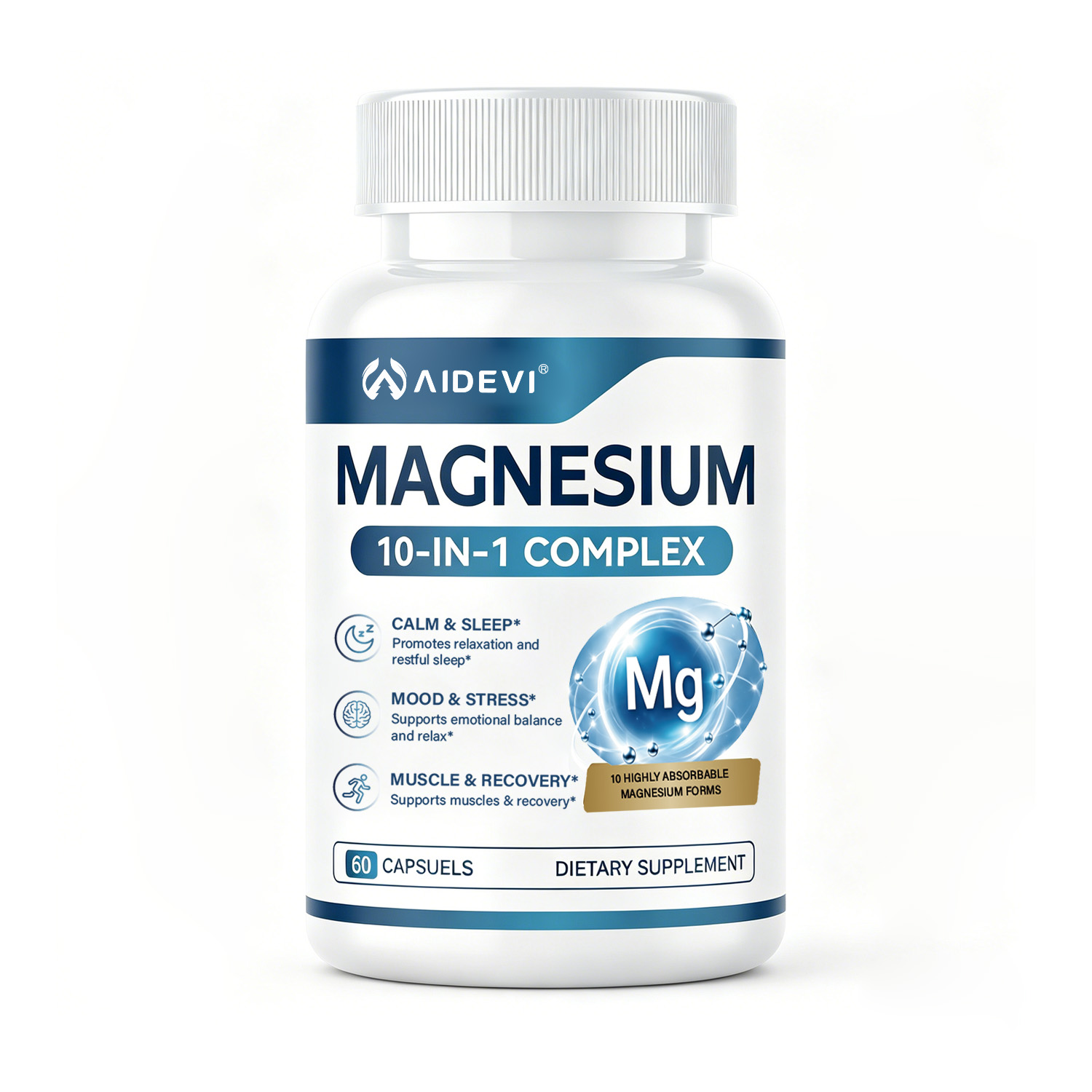
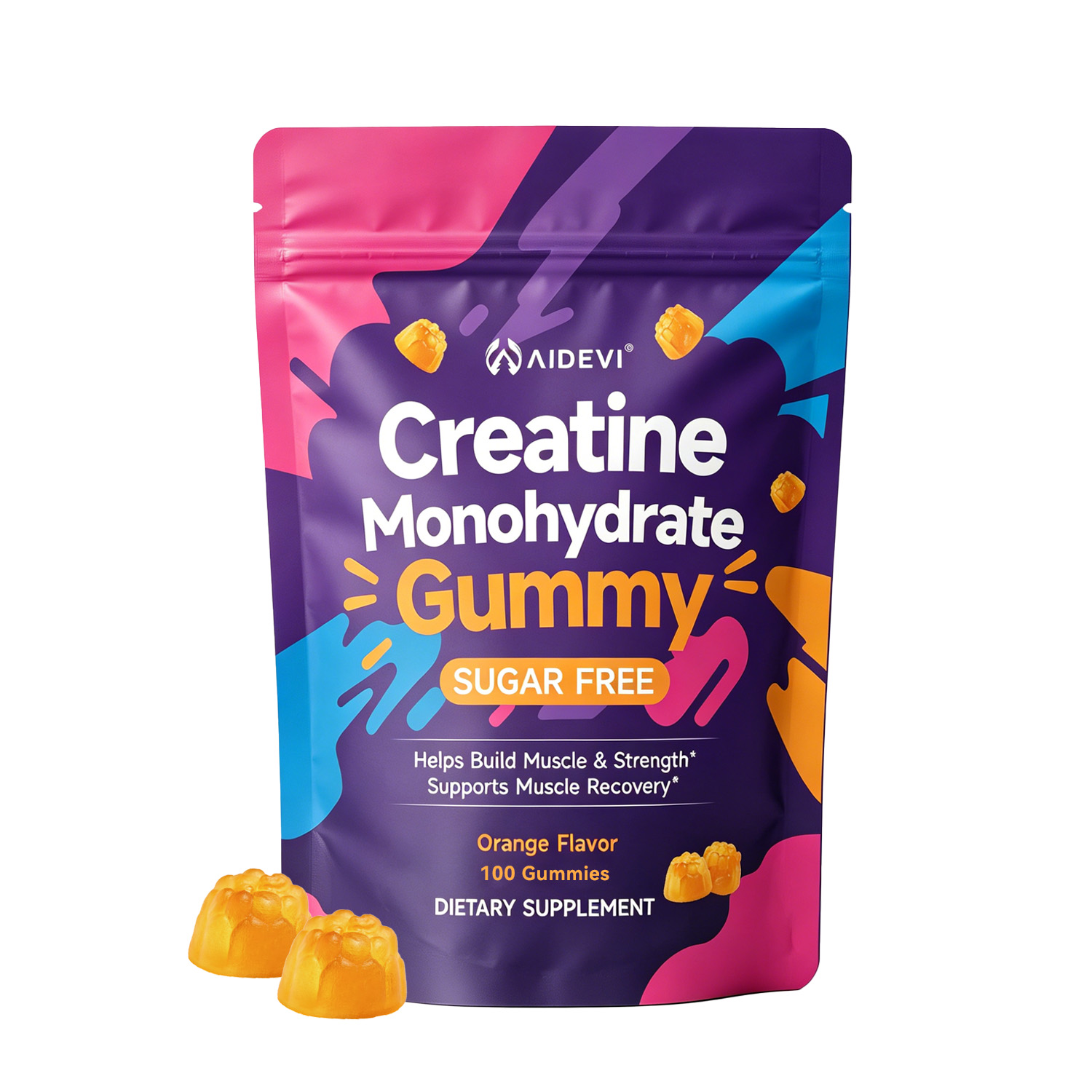
Mitochondria sit at the center of NAD+ use. Magnesium, B vitamins, omega-3-rich foods, creatine from diet or supplementation where appropriate, and antioxidant-rich plants all support the larger energy system. Recovery matters too: rest days, hydration, electrolytes, and enough calories help your mitochondria adapt instead of simply surviving strain.
How should you turn these habits into a routine?
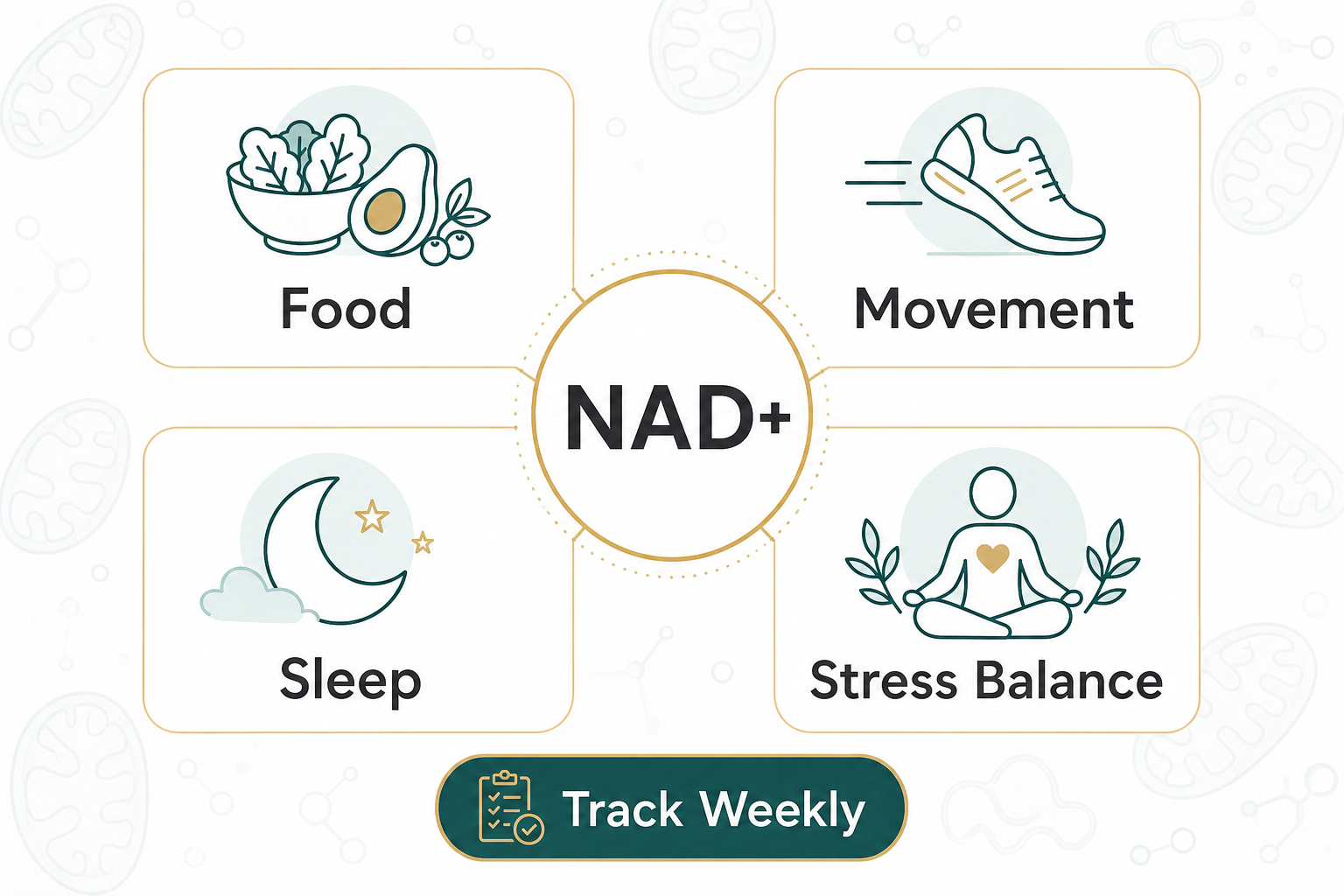
Use AIDEVI's "Food, Movement, Sleep, Stress Balance" framework. Pick one habit from each category and repeat it for two weeks. A realistic starter plan might look like this: protein at breakfast, a 25-minute walk after work, lights dimmed one hour before bed, and a five-minute breathing practice before sleep. Small routines win because they survive busy weeks.
| Best fit | Consider instead | Avoid or pause if |
|---|---|---|
| You want a natural first step before supplements. | Start with food, walking, and sleep timing. | You are using fasting to compensate for poor diet or sleep. |
| You already train but feel under-recovered. | Add rest days, protein, minerals, and earlier bedtime. | Fatigue is sudden, severe, or paired with concerning symptoms. |
| You want to compare natural support with NAD+ precursors. | Read up on NMN, NR, dosing, and safety before buying. | A product promises medical outcomes or dramatic transformation. |
Track weekly, not hourly. Write down sleep duration, wake energy, exercise consistency, meals, alcohol, stress, and recovery. If you want a second checklist with adjacent strategies, AIDEVI's guide to 10 natural ways to increase NAD+ levels can help you build a simple progression.
If you are not sure where to start, choose the habits that improve several systems at once. Sleep regularity supports circadian rhythm, appetite control, mood, and recovery. Protein-rich meals support muscle and provide amino acids. Exercise supports mitochondria, insulin sensitivity, and stress resilience. Alcohol reduction supports sleep and liver metabolism. These are not glamorous levers, but they are strong because they touch multiple parts of the NAD+ ecosystem at the same time.
Avoid changing all 11 habits in one week. A better approach is to choose two anchors and make them boringly repeatable. For example, keep breakfast protein consistent and walk after dinner for 14 days. Then add a caffeine cutoff or a regular bedtime. Natural NAD+ support is a compounding routine, not a weekend reset.
Do not over-measure every sensation. The useful question is whether your baseline feels steadier across normal work, meals, exercise, travel, and sleep.
When should you consider NAD+ precursors?
Consider supplements only after the basics are visible in your routine. NMN and NR are NAD+ precursors, meaning they participate in pathways the body can use to make NAD+. They are not the same thing as NAD+ itself, and they are not interchangeable with sleep, nutrition, and training. If you are comparing options, AIDEVI's article on NMN vs NR for longevity support is useful, as is the comparison of NAD+ vs NMN differences.
Safety deserves the same attention as curiosity. Human research on NAD+ precursors is growing, but study populations, doses, and durations vary. The FDA also reminds consumers that dietary supplements can interact with medicines, carry risks, and are not approved for safety and effectiveness before sale [5]. Before choosing a product, review AIDEVI's practical discussion of NMN benefits, side effects, and daily-use questions and the NMN dosage by age guide.
Conclusion
Supporting NAD+ naturally is less about chasing a hidden biohack and more about building a body environment that can produce, use, and recycle energy well. Food provides precursors. Movement trains mitochondria. Sleep protects circadian rhythm. Stress balance reduces unnecessary demand. Alcohol moderation, sun protection, and metabolic steadiness keep the system from leaking energy in the wrong places.
AIDEVI's view is practical: start with foundations, track what changes, and use supplements thoughtfully when they fit your goals and health context. Natural NAD+ support is not dramatic, but it is dependable. That is exactly why it belongs in a long-term healthy aging routine.
Frequently Asked Questions
Can you get NAD+ directly from food?
Food does not work like a direct NAD+ delivery system. It provides precursors such as niacin and tryptophan that the body can use in NAD-related metabolism. That is why diet quality still matters.
How long does it take to support NAD+ naturally?
There is no universal timeline. For practical tracking, give lifestyle changes two to four weeks and watch energy, sleep, recovery, digestion, and training consistency. Long-term routines matter more than short bursts.
Is fasting necessary to boost NAD+?
No. Fasting can be one tool for some adults, but it is not required. Exercise, sleep, protein, B-vitamin-rich foods, and alcohol moderation are often easier and safer starting points.
Do NMN or NR replace natural NAD+ habits?
No. NMN and NR are supplement options, not replacements for movement, sleep, and nutrition. They make the most sense when the daily routine already supports cellular energy.
Who should ask a healthcare professional first?
Anyone pregnant, nursing, taking medication, managing a medical condition, preparing for surgery, under 18, or dealing with persistent fatigue or unexplained symptoms should ask a qualified professional before using supplements.
References
- [1] Covarrubias AJ, Perrone R, Grozio A, Verdin E. NAD+ metabolism and its roles in cellular processes during ageing. Nature Reviews Molecular Cell Biology. https://www.nature.com/articles/s41580-020-00313-x
- [2] NIH Office of Dietary Supplements. Niacin Fact Sheet for Health Professionals. https://ods.od.nih.gov/factsheets/Niacin-HealthProfessional/
- [3] Kjobsted R, Hingst JR, Fentz J, et al. AMPK in skeletal muscle function and metabolism. FASEB Journal. https://pubmed.ncbi.nlm.nih.gov/29242278/
- [4] Sahar S, Sassone-Corsi P. The epigenetic language of circadian clocks. NAD+ and circadian metabolism review. https://pmc.ncbi.nlm.nih.gov/articles/PMC5165141/
- [5] U.S. Food and Drug Administration. FDA 101: Dietary Supplements. https://www.fda.gov/consumers/consumer-updates/fda-101-dietary-supplements
These statements have not been evaluated by the Food and Drug Administration. This product is not intended to diagnose, treat, cure, or prevent any disease. Consult a healthcare professional before starting any new supplement, especially if pregnant, nursing, taking medication, or managing a medical condition.
